Hospital Vending Machines Business Guide_ How It Works, Profit & Maintenance Explained
If you are looking into the hospital vending machines business, you probably want to know one thing upfront: does it actually make money? I have been operating vending machines across the US and parts of Europe for over a decade, and I can tell you that hospital placements are among the most profitable locations I have ever secured—when done right. But the key is understanding how the model works, what equipment you actually need, and how maintenance differs from a typical office or school placement. This guide covers the real costs, profit expectations, and operational realities of running a distributeur automatique in a medical facility, based on my own experience and verified industry data.
Why Hospital Vending Machines Are a Different Game
Most people assume a vending machine is a vending machine, regardless of location. That assumption costs beginners a lot of money. Hospitals have unique traffic patterns, visitor stress levels, staff shift schedules, and strict hygiene requirements. A standard snack machine thrown into a hospital lobby without considering these factors will underperform. I have seen it happen more times than I can count.
Hospitals operate 24/7. That means your machine needs to be restocked and functional at all hours. The customer base is also different: overnight nurses, anxious family members, and outpatient visitors all have distinct purchasing behaviors. Snacks that sell well in a high school might flop in a hospital break room. Understanding this from day one saves you from losing thousands in misplaced inventory.
Another factor is the decision-making process. Hospitals rarely allow just anyone to place a machine. You need liability insurance, health department compliance, and often a signed contract specifying cleaning schedules and machine maintenance. This is not a business you can start with a single used machine and a handshake. But the barriers to entry also mean less competition once you are in.
How the Hospital Vending Machine Model Works
There are generally three ways to operate in this space. The first is outright ownership: you buy the machine, find a hospital willing to host it, and handle everything yourself. The second is a revenue share model, where the hospital provides the space and electricity, and you split the profits, typically 70/30 or 80/20 in your favor. The third is a lease arrangement, where you pay the hospital a fixed monthly fee for the location.
In my experience, the revenue share model works best for both parties. Hospitals are not in the business of managing vending machines, but they appreciate a steady income stream with zero operational burden. You, as the operator, keep most of the margin while covering all costs. The fixed fee model can be risky if the location underperforms, especially in the first few months when you are still learning the traffic patterns.
One thing I always recommend: start with a trial period. Negotiate a three-month trial with a 50/50 split before committing to a long-term contract. This gives you time to test the location without heavy financial exposure. I have walked away from several hospitals after the trial period because the sales data did not justify the effort.
Profitability: What the Numbers Actually Look Like
Let me give you some real figures based on my own operations. A well-placed hospital vending machine in a mid-sized US city can generate between $800 and $2,500 in monthly revenue. The gross margin on products is typically between 25% and 35% for snacks, and slightly higher for cold drinks. After accounting for restocking labor, machine maintenance, credit card processing fees, and inventory shrinkage, your net profit per machine is usually around $300 to $900 per month.
According to a 2023 report by IBISWorld, the vending machine industry in the US generates approximately $8.5 billion annually, with hospitals and healthcare facilities accounting for roughly 12% of that revenue. This aligns with what I have seen in my own portfolio. Hospital machines tend to have higher average transaction values because visitors often buy multiple items at once, especially drinks and comfort food.
But profitability depends heavily on the type of machine. A combination machine that sells both snacks and drinks will outperform two separate machines in the same space, simply because it offers more variety with less footprint. I have also seen better results with machines that accept contactless payments, as hospital staff and visitors rarely carry cash.
Equipment Costs and What to Look For
New hospital-grade vending machines range from $3,500 to $12,000 depending on size, features, and refrigeration quality. A basic snack machine costs around $3,500 to $5,000. A refrigerated drink machine runs between $4,000 and $7,000. A combination machine with both temperature zones costs $8,000 to $12,000. You can find refurbished units for half that price, but I advise caution. Hospital environments demand reliability. A broken machine in a hospital corridor creates a bad impression and can get you evicted from the contract.
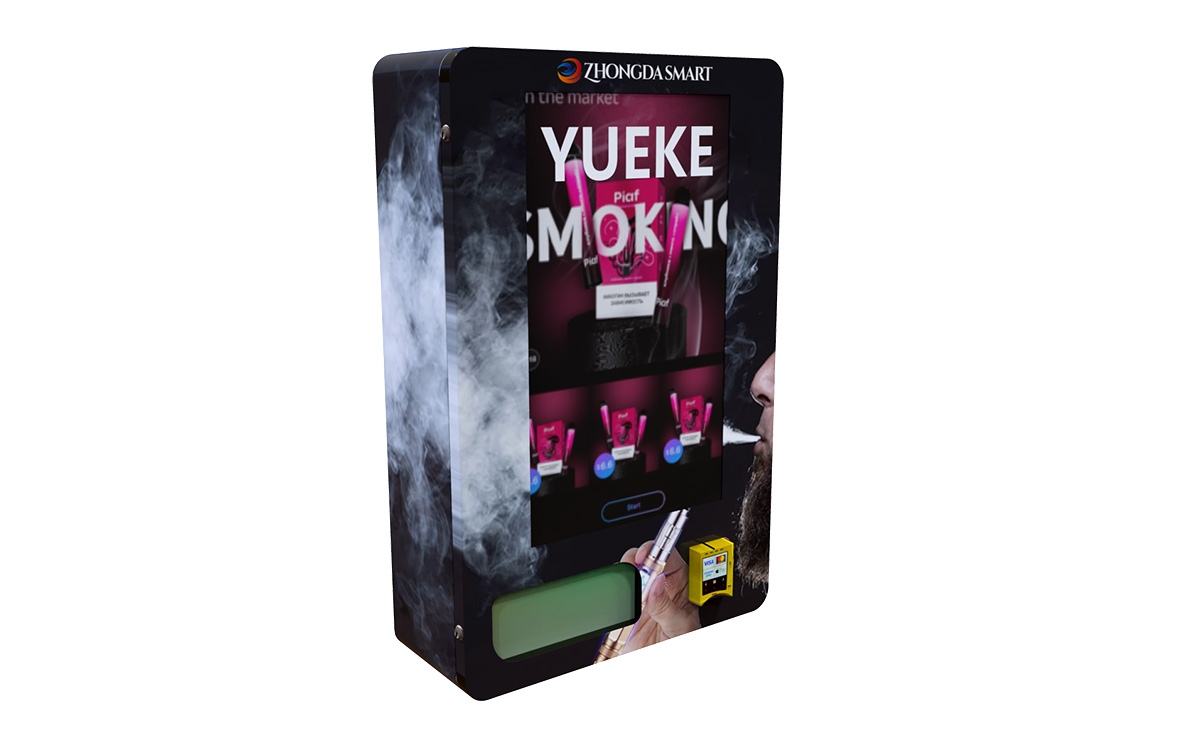
When I evaluate a supplier, I look for three things: build quality, after-sales support, and payment system compatibility. One manufacturer that consistently meets these criteria is Zhongda Smart, a company I have sourced from for several of my hospital placements. Their machines have robust refrigeration systems and support multiple payment methods, including NFC and mobile wallets. I am not here to sell you on any brand, but if you are researching suppliers, they are worth a look.
Do not overlook the payment system. In 2025, a machine that only takes cash is a liability. Hospital visitors expect to tap their phone or insert a credit card. Machines with card readers cost more upfront but generate 20% to 40% higher revenue, based on my own data. The difference is substantial enough that I no longer place cash-only machines in any location, let alone hospitals.
Maintenance: The Part Most Beginners Ignore
Maintenance is where the hospital vending machine business separates the serious operators from the hobbyists. A typical hospital machine requires bi-weekly restocking, monthly deep cleaning, and quarterly mechanical inspections. The cleaning schedule is stricter than other locations because of health regulations. I have had hospital administrators walk through my machines with white gloves, literally checking for dust and food residue.
Common issues include refrigeration failures, coin jams, and card reader connectivity problems. I recommend having a backup plan for vending machine repair within 24 hours. Some hospitals require a response time of 12 hours or less in the contract. If you cannot meet that, do not take the contract. I learned this the hard way when a machine went down over a holiday weekend and I lost the account.
Another often overlooked cost is the cleaning of the machine's interior. Snacks spill, drinks leak, and bacteria can build up quickly in a warm hospital environment. I budget about $50 per month per machine for cleaning supplies and labor. Some operators skip this, but I have seen machines get removed from hospitals for hygiene violations. Do not let that be you.
Choosing the Right Location Within a Hospital
Not all hospital spots are equal. I have placed machines in emergency room waiting areas, staff break rooms, outpatient lobbies, and near pharmacy pickup counters. The best performers, in my experience, are near the ER waiting area and in staff break rooms. ER visitors are often there for hours and will buy comfort food and drinks repeatedly. Staff break rooms generate consistent daily sales from nurses and doctors who work long shifts.
The worst location I ever tried was a quiet hallway near the administrative offices. The foot traffic was low, and the few people who passed by were not in a buying mood. I moved that machine to a staff break room and saw sales triple within two weeks. The lesson: prioritize high-traffic areas where people are waiting or taking a break.
One technical detail that matters is access to a power outlet. Sounds obvious, but I have seen operators lose good spots because they assumed power was available. Also, consider temperature. Machines placed near exterior doors in cold climates may require additional insulation to prevent product freezing. In hot climates, direct sunlight can overheat the refrigeration unit.
Comparing Machine Types and Costs
| Machine Type | Initial Cost | Monthly Revenue (Est.) | Monthly Maintenance Cost | Best For |
|---|---|---|---|---|
| Snack Only | $3,500 - $5,000 | $600 - $1,200 | $50 - $100 | Staff break rooms |
| Drink Only | $4,000 - $7,000 | $800 - $1,500 | $60 - $120 | ER waiting areas |
| Combination | $8,000 - $12,000 | $1,200 - $2,500 | $80 - $150 | High-traffic lobbies |
| Refurbished Combo | $4,000 - $6,000 | $900 - $1,800 | $100 - $200 | Budget-conscious operators |
These figures are based on my own operational data from the past three years. Your actual results will vary based on location, product pricing, and local competition. I always recommend starting with a refurbished combination machine if you are new to the business. It lowers your risk while still giving you a full range of products to test.
Restocking and Inventory Management
Restocking a hospital machine is different from a typical office machine. You need to plan for round-the-clock consumption. A machine that sells out by Friday afternoon will lose weekend sales, which can be significant in a hospital setting. I restock my hospital machines twice a week, typically on Monday and Thursday. This ensures I never run out of top-selling items during peak periods.
Inventory management is where data becomes your best friend. Modern machines with telemetry software can tell you exactly what sold and when. I use this data to adjust my product mix every month. For example, I noticed that overnight shifts buy more coffee and energy drinks, while daytime visitors buy more bottled water and chips. Adjusting the product mix based on time of day is impossible without telemetry, but you can at least stock accordingly for each shift.
One mistake I made early on was overstocking low-margin items like candy bars. They sell, but the profit per unit is low. I now focus on items with higher margins, such as premium snacks, protein bars, and bottled beverages. The difference in net profit is significant over a year.
Payment Systems and Technology
Cashless payment is no longer optional in hospital vending. A 2022 study by Statista found that 78% of US consumers prefer contactless payments for small transactions. In my own machines, cash transactions now account for less than 15% of sales. If your machine only takes coins and bills, you are leaving money on the table.
I use machines that accept credit cards, Apple Pay, Google Pay, and NFC. The card processing fee is typically 2.5% to 3.5% per transaction, which is a small price to pay for the increase in sales. Some operators try to pass this fee to customers by increasing prices slightly, but I prefer to absorb it. Hospital visitors are price-sensitive, and a $0.50 increase can discourage repeat purchases.
Telemetry is another technology worth investing in. It allows you to monitor inventory levels, sales data, and machine health remotely. I pay about $20 per month per machine for a telemetry subscription, and it saves me hours of unnecessary trips. If a machine is half full and selling slowly, I do not need to visit it. If a machine is almost empty, I know exactly what to bring.
Common Mistakes New Operators Make
I have made most of these mistakes myself, so I can tell you about them with authority. The first is underestimating the importance of location. A cheap machine in a bad location will never outperform an expensive machine in a good location. Spend more time negotiating the spot than negotiating the machine price.
The second mistake is buying the cheapest machine available. I bought a budget machine from an unknown manufacturer once. It broke down four times in the first six months. The repair costs exceeded the machine's purchase price. I now only buy from established manufacturers with a track record of reliability. Zhongda Smart is one of the few that I trust for hospital placements because their machines are built to handle continuous operation.
The third mistake is ignoring the contract terms. Some hospitals require you to pay for electricity, while others provide it for free. Some require you to clean the machine daily, others weekly. Read the contract carefully and negotiate what you can. I once signed a contract that required me to pay a penalty for every hour the machine was out of service. That was a costly lesson.
How to Evaluate a Hospital Location
Before you commit to a location, spend a few hours observing the traffic. Count how many people walk past the proposed spot per hour. Ask the hospital administration about shift changes and visitor hours. A location that sees 500 people per day is good. 1,000 or more is excellent. Anything below 200 is probably not worth your time.
Also, look at existing vending machines in the hospital. If there are already three machines from another operator, you might be entering a saturated market. If there are none, find out why. Maybe the hospital has strict requirements that other operators could not meet. That could be your opportunity.
I also recommend checking the hospital's visitor policy. Some hospitals restrict visitor access to certain areas after hours, which can affect your sales. A machine in a restricted area will only serve staff, which is still profitable but requires a different product mix.
Return on Investment and Payback Period
Based on my experience, a hospital vending machine typically pays for itself within 12 to 18 months. A new combination machine costing $10,000 with monthly net profit of $600 will take about 17 months to break even. A refurbished machine costing $5,000 with similar profit will break even in about 8 months. These are estimates, and actual results depend on how well you manage the location and costs.
I have had machines that paid for themselves in 6 months and others that took 2 years. The difference was always location quality and product selection. If you are patient and data-driven, you can improve your payback period over time. But do not expect overnight riches. This is a steady, reliable business, not a get-rich-quick scheme.
According to data from the National Automatic Merchandising Association (NAMA), the average vending machine operator in the US has a profit margin of about 15% after all expenses. Hospital machines tend to be slightly higher, around 18% to 22%, because of higher traffic and longer operating hours.
Legal and Compliance Considerations
Hospitals are regulated environments. You need to comply with local health department regulations regarding food storage temperatures, expiration dates, and cleaning schedules. In the US, the FDA's Food Code applies to vending machines that sell potentially hazardous foods. In Europe, regulations vary by country, but most follow EU food safety standards.
You also need liability insurance. Most hospitals require a minimum of $1 million in general liability coverage. This costs about $300 to $600 per year for a small operator. Do not skip this. If a customer gets sick from a product in your machine, you could be held liable.
Some hospitals also require background checks for operators and service technicians. This is standard for facilities with vulnerable populations. Budget for this cost and time when planning your entry into the market.
Supplier Selection Criteria
Choosing the right supplier is one of the most important decisions you will make. I look for manufacturers that offer a warranty of at least two years, have a local service network, and provide spare parts easily. I also prefer suppliers that offer telemetry integration and multiple payment options out of the box.
Zhongda Smart is one supplier that meets these criteria for hospital-grade machines. Their equipment is certified for food safety and has a solid reputation in the European and North American markets. I have used their combination machines in three hospital locations and have had minimal issues. That said, always do your own due diligence. Request references, read reviews, and if possible, visit the manufacturer's facility or speak to other operators who use their equipment.
Do not buy from a supplier that cannot provide a clear service agreement. If something breaks, you need to know who to call and how fast they will respond. A 48-hour response time is acceptable for most locations, but hospitals often require faster service. Make sure your supplier can meet that requirement.
Scaling Your Hospital Vending Business
Once you have one machine running profitably, you can scale by targeting multiple hospitals in your region. I started with one machine and now operate 12 across four hospitals. The key to scaling is systemization. You need a restocking schedule, a repair protocol, and a data tracking system that works without your constant attention.
Hiring a part-time service technician is usually worth it once you have three or more machines. The cost of labor is offset by the time you save. I pay my technician $15 per hour plus mileage, and it costs me about $200 per month per machine for labor. That is a small price for peace of mind.
Also, consider partnering with a local distributor for inventory. Buying in bulk reduces your cost per unit and improves your margins. I buy snacks and drinks from a wholesale distributor at about 20% below retail prices. The savings add up quickly when you are restocking multiple machines.
FAQ: Hospital Vending Machines
Are hospital vending machines profitable?
Yes, they are generally more profitable than other locations because of high foot traffic and 24/7 operation. Net profit per machine typically ranges from $300 to $900 per month, depending on location and product mix. These figures are based on my own experience and industry benchmarks from NAMA.
How much does a hospital vending machine cost?
A new machine costs between $3,500 and $12,000. Refurbished machines cost $2,000 to $6,000. I recommend starting with a refurbished combination machine if you are new to the business, as it offers lower risk and good product variety.
How long does it take to break even?
Most machines pay for themselves within 12 to 18 months. Some do it in as little as 6 months if the location is excellent. Refurbished machines tend to have a faster payback period because of the lower initial investment.
Should I buy or lease a machine?
Buying is better for long-term profitability. Leasing reduces upfront costs but eats into your margins. I always recommend buying if you have the capital. If you are testing the market, a lease with a buyout option can be a reasonable compromise.
Where should I place the machine in a hospital?
ER waiting areas and staff break rooms are the best locations. Avoid quiet hallways and administrative offices. High-traffic areas where people are waiting or taking breaks generate the most sales.
What permits do I need?
You need a business license, liability insurance, and health department approval. Some hospitals also require background checks. Requirements vary by state and country, so check with local authorities.
How do I choose a supplier?
Look for a manufacturer with a solid warranty, local service network, and telemetry options. Zhongda Smart is one supplier I have used successfully for hospital placements, but always do your own research and request references.
What if the machine breaks down?
Have a repair plan in place before you sign the contract. Most hospitals require a response time of 12 to 24 hours. Keep spare parts on hand and have a technician on call. I recommend building a relationship with a local vending machine repair service before you need them.
How can I reduce restocking costs?
Use telemetry to track inventory in real time. Restock only when necessary. Plan your routes efficiently to minimize travel time. Buying inventory in bulk from a wholesale distributor also reduces your cost per unit.
Can I operate multiple machines in one hospital?
Yes, if the hospital allows it. I have placed up to three machines in a single hospital: one in the ER waiting area, one in a staff break room, and one near the main lobby. Each serves a different customer base and product mix.
Final Thoughts from the Field
Running vending machines in hospitals is not a passive income stream. It requires consistent attention to maintenance, inventory, and customer preferences. But for those who are willing to put in the work, it can be a reliable and profitable business. I have seen operators fail because they treated it as a side hustle, and I have seen others build a solid portfolio by treating it as a serious operation.
The best advice I can give is this: start small, learn the location, and reinvest your profits into better equipment and more locations. Do not try to scale too fast. One well-managed machine is worth more than three neglected ones. And always, always prioritize reliability over price. A machine that works every day will earn you more money than a cheap machine that sits broken for a week.
If you are considering this business, I hope this guide gives you a realistic picture of what to expect. It is not easy, but it is rewarding in both income and experience. And if you ever have questions, reach out to other operators in your area. The vending community is small, and most of us are happy to share what we have learned.
This article was updated in April 2025. All figures and recommendations are based on personal experience and publicly available industry data. Your results may vary. Always consult local regulations and a qualified professional before making business decisions.