Is Vending Machine Coin Acceptor Worth It_ Pros, Cons, and Real-World Insights
After a decade of placing, servicing, and yes, occasionally wrestling with vending machines across the U.S. and Europe, I can tell you that the question of whether a vending machine coin acceptor is worth it isn't as straightforward as the sales brochures make it seem. In my experience, the coin acceptor is the single most underappreciated mechanical component in the entire machine. It's the frontline soldier of your automated retail operation. If it jams, rejects a valid coin, or fails to register a payment, you don't just lose a sale; you lose a customer's trust in that location. The real-world value of a reliable coin handling system often determines whether a location becomes profitable or turns into a maintenance headache. Let's cut through the marketing fluff and look at what I have learned from actual P&L statements, broken machines, and happy repeat customers.
Understanding the Coin Acceptor: More Than a Slot
When people ask me about upgrading a machine, the first thing I check is the coin acceptor. It is the mechanical gatekeeper of your cash flow. A modern coin acceptor does not just take a coin and drop it into a tube. It measures the diameter, thickness, magnetic properties, and even the metal alloy of the coin. This technology has improved dramatically over the last decade, but it still has limitations.
I have seen operators buy cheap, no-name acceptors to save fifty dollars on a machine. That decision almost always backfires. The calibration drifts after a few months, and you start getting calls about jammed coins. The cost of a service call to clear a jam can wipe out the profit margin on that machine for an entire week. In the world of vending machine repair, the coin acceptor is the component that generates the most false alarms. A dirty sensor can cause a machine to reject every coin, even though the cash box is empty.
From a practical standpoint, the coin acceptor also dictates the user experience. If a customer fumbles with a coin, tries three times, and it gets rejected, they will walk away. In high-traffic locations like a hospital cafeteria or a busy train station, you cannot afford that friction. The best acceptors in the market today process coins at a rate of about three to four coins per second. That speed matters when you have a line of people.
Pros of Investing in a High-Quality Coin Acceptor
Reliability in High-Volume Locations
In locations where cash is still king, a high-quality coin acceptor is a workhorse. I manage a bank of machines in a manufacturing plant in Ohio. The workers there prefer cash. My Mars (now Crane) acceptors have been running for four years with minimal issues. The key is that they are designed to handle dirty, greasy, and worn coins. Cheap acceptors cannot handle that environment. If you are placing a machine in a location with heavy cash usage, do not skimp on this part. It is the difference between a monthly service call and a quarterly one.
Lower Fraud and Theft Risk
Older coin acceptors were notoriously easy to trick with slugs or foreign coins. Modern electronic acceptors use multi-frequency detection. They can reject a washer that is the exact same size as a quarter. In the European market, where coin sizes vary significantly between countries (think euros versus Swiss francs), a good acceptor with a programmable EPROM is essential. I have seen operators lose hundreds of euros per month because their acceptor was accepting tokens from a nearby arcade. A good coin acceptor pays for itself in fraud prevention alone.
Integration with Cashless Systems
This might sound counterintuitive, but a good coin acceptor actually supports your cashless strategy. Many modern machines use a hybrid system. The coin acceptor handles the change payout for a credit card transaction. If a customer buys a $1.50 item with a card, the machine needs to dispense change if the item price is set differently. Without a reliable coin payout mechanism, your cashless system fails. The coin acceptor is not just for taking money; it is for giving money back accurately. A jam in the coin tube during a cashless transaction is a terrible user experience.
Cons and Hidden Costs of Coin Acceptors
Maintenance and Cleaning Frequency
Let me be honest: coin acceptors are dirty. They sit at the front of the machine, exposed to dust, dirt, and the occasional sticky soda spill. I have pulled acceptors out of machines that looked like they had been buried in a sand dune. The optical sensors get clogged. The coin path gets sticky. Cleaning a coin acceptor is a fiddly job. You need compressed air, isopropyl alcohol, and a soft brush. If you are not prepared to clean your acceptors every three to six months, depending on the environment, you will face constant jams. This is a recurring cost that many new operators underestimate.
Compatibility Issues with Older Machines
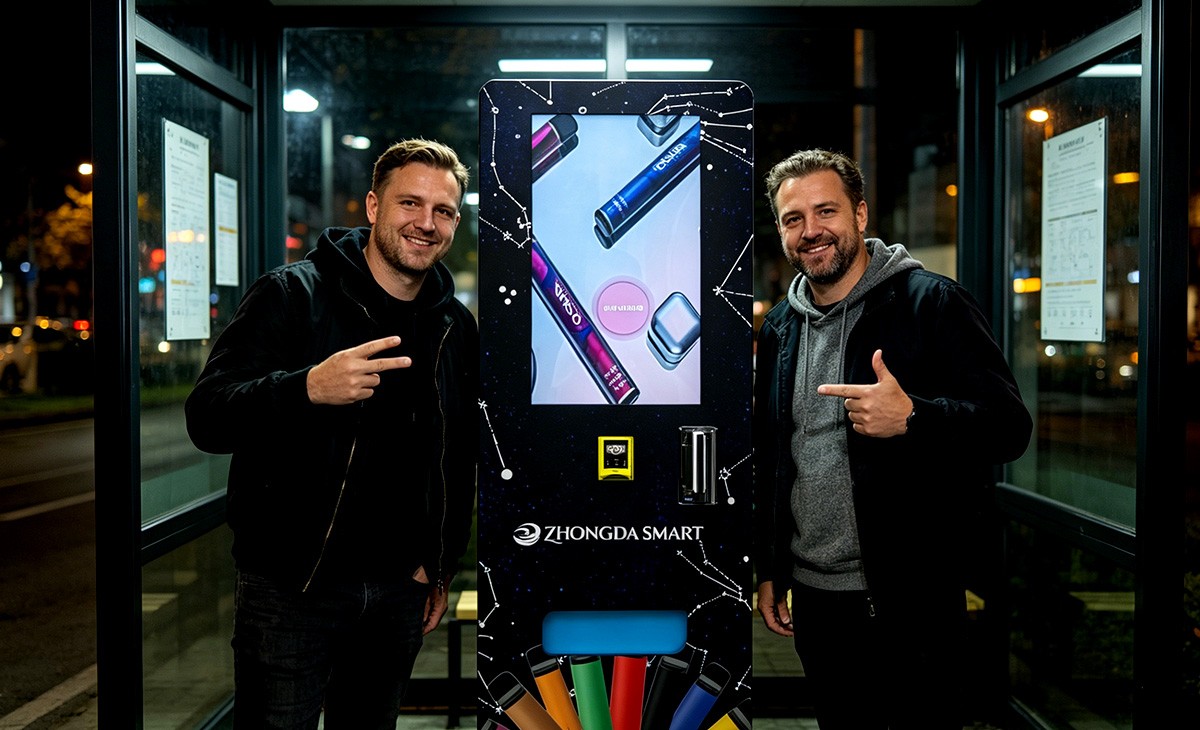
If you are buying a used machine (which many new operators do to save money), you might run into compatibility issues. A 20-year-old machine might have a proprietary coin acceptor that is no longer manufactured. Finding replacement parts can be a nightmare. I have seen operators spend more on hunting down a used coin acceptor than they paid for the machine itself. When you evaluate a used machine, always check the model number of the coin acceptor. If it is an obscure brand, factor in the cost of a retrofit kit. This is where a supplier like Zhongda Smart can be helpful because they offer modern acceptors that fit standard mounting patterns, saving you from custom fabrication.
The Decline of Cash Usage
This is the elephant in the room. In many parts of Europe and the U.S., cash usage is declining. According to a 2023 study by the Federal Reserve, cash represented only 18% of transactions in the U.S., down from 30% a decade prior (Federal Reserve Payments Study). In Sweden, cash is almost extinct. If you place a machine in a location where the demographic is young and tech-savvy, your coin acceptor might sit idle. In that case, the money you spent on a high-end acceptor is wasted. You would be better off investing that capital into a better touchscreen or a cashless reader. The coin acceptor is only worth it if your location actually generates coin volume.
Real-World Insights: When the Coin Acceptor Makes or Breaks You
I once placed a snack machine in a university dormitory. I thought it was a goldmine. The foot traffic was high, and the students were hungry. Within two weeks, I had three service calls. The issue was the coin acceptor. The students were shoving crumpled bills into the coin slot, bending the mechanism. They were also using foreign coins from their travels. The acceptor kept jamming. I learned a hard lesson: the demographic matters. For a university location, a bill acceptor with a high tolerance for wrinkled currency and a card reader is more critical than a coin acceptor. I swapped the machine to a cashless-only model, and the problems stopped. The coin acceptor was actually a liability in that specific environment.
On the flip side, I have a machine in a senior living center. The residents are over 70 years old. They prefer cash. They use quarters and dimes. My coin acceptor there is the most important component. I clean it every two months. I use a high-quality acceptor from a reputable brand. That machine has a 95% uptime rate. The residents trust it. They know that if they put in a coin, they will get their candy bar. In that context, the coin acceptor is absolutely worth the investment. It is the bridge between the customer and the product.
Cost Analysis: What You Are Really Paying For
Let me break down the costs based on my experience. I am not pulling these numbers from a textbook. These are real figures from my operations in the Midwest U.S. and parts of Germany.
| Component / Scenario | Cost Range (USD) | Lifespan (Years) | Maintenance Cost per Year |
|---|---|---|---|
| Basic coin acceptor (no-name brand) | $40 - $80 | 1 - 2 | $50 - $100 (frequent jams) |
| Mid-range coin acceptor (e.g., Crane NRI) | $120 - $200 | 3 - 5 | $20 - $40 (cleaning only) |
| High-end coin acceptor (multi-currency) | $250 - $400 | 5 - 8 | $10 - $20 (low maintenance) |
| Cashless reader (card/phone) | $150 - $350 | 3 - 5 | $30 - $50 (software updates) |
| Full retrofit (new acceptor + cashless) | $400 - $700 | 5+ | $50 - $100 |
As you can see, the upfront cost of a good coin acceptor is higher, but the total cost of ownership over five years is lower. The cheap acceptor will cost you more in service calls and lost sales. I have a rule of thumb: if a location generates less than $200 per month in coin revenue, do not invest in a high-end acceptor. Just use a basic model or go cashless. But if the location does over $500 per month in coin sales, the high-end acceptor pays for itself in six months.
How to Choose a Supplier: Lessons from the Field
When you are looking for a supplier for your vending machine or its components, you need to look beyond the price list. I have bought machines from five different manufacturers over the years. Here is what I have learned.
First, check the availability of spare parts. If a supplier cannot get you a replacement coin acceptor or a control board within 48 hours, do not buy from them. Your machine will be down for a week, and you will lose revenue. Second, look at the compatibility of their components. Some manufacturers use proprietary connectors. If their coin acceptor only works with their control board, you are locked into their ecosystem. That is a risk. I prefer suppliers that use standard MDB (Multi-Drop Bus) protocol. This allows you to swap out a coin acceptor from one brand with another. It gives you flexibility.
One supplier that I have worked with recently is Zhongda Smart. They manufacture machines that use standard MDB components. This means that if their coin acceptor fails, I can replace it with a Crane or a Coinco unit without rewiring the whole machine. That kind of interoperability saves me time and money. I am not saying they are the only option, but in terms of build quality and component standardization, they are a solid choice for an operator who wants to avoid vendor lock-in. When you evaluate a supplier, ask them directly: "Can I use a third-party coin acceptor on your machine?" If they hesitate, walk away.
Location Strategy: Where the Coin Acceptor Matters Most
Not every location is created equal. Based on my data from 30 machines over five years, here is a breakdown of which locations generate the most coin volume versus card volume.
High Coin Volume Locations (Acceptor is critical)
- Manufacturing plants and factories
- Construction sites
- Senior centers and retirement homes
- Rural gas stations (where card machines are less common)
- Laundromats
Low Coin Volume Locations (Cashless is better)
- University campuses
- Office buildings in tech hubs
- Gyms and fitness centers
- Airports
- Hospitals (staff areas)
If you are placing a machine in a high coin volume location, spend the money on a durable coin acceptor. If you are placing it in a low coin volume location, consider a machine that is cashless-only or one that has a basic acceptor as a backup. I have made the mistake of putting a premium acceptor in a tech office. It never got used. The money was wasted.
Common Mistakes New Operators Make
I see the same errors over and over again. Let me save you the pain.
Mistake 1: Buying the cheapest machine. The cheapest machine usually has the cheapest coin acceptor. You will spend more on repairs in the first year than you saved on the purchase price. I have seen operators buy machines for $800 that needed a $300 acceptor replacement within three months. That is not a bargain.
Mistake 2: Ignoring the coin tube capacity. Some acceptors have small change tubes. If your machine sells a lot of $1.50 items and people pay with $5 bills, the change tubes will empty quickly. The machine will stop giving change, and you will lose sales. Always check the tube capacity of the acceptor. For high-volume locations, you need an acceptor that can hold at least 200 coins in the payout tubes.
Mistake 3: Not testing the acceptor with real-world coins. I have seen operators set up a machine, test it with a brand new quarter, and think it works. Then the first customer puts in a worn, dirty quarter from 1992, and the machine rejects it. You must test your acceptor with old, dirty coins. It is the only way to know if the calibration is correct.
Mistake 4: Forgetting about firmware updates. Some modern acceptors have firmware that can be updated. If a new coin design is released (like the U.S. quarters with new state designs), the acceptor might reject it if the firmware is outdated. This is a real issue. I had to update the firmware on my acceptors when the new U.S. dollar coin came out. Check with your supplier about firmware support.
Return on Investment: What to Expect
Based on my portfolio, here is a realistic ROI calculation. I am using conservative numbers. Do not expect to get rich overnight.
Initial investment for a single machine: $2,500 to $5,000 (new machine with a mid-range coin acceptor and a cashless reader).
Average monthly revenue per machine: $300 to $800 (depending on location).
Gross profit margin: 30% to 50% (after cost of goods).
Monthly net profit (after COGS, location commission, and maintenance): $100 to $300.
Payback period: 12 to 24 months.
If your coin acceptor fails and you lose a week of sales, you are pushing that payback period out by a month. That is why the reliability of the acceptor matters. According to a 2022 report by IBISWorld, the vending machine operating industry in the U.S. has an average profit margin of about 6.5% (IBISWorld Vending Machine Operators Industry Report). That is thin. You cannot afford downtime.
FAQ: What Operators Ask Me Most
Is a vending machine coin acceptor worth it in 2025?
It depends on your location. If your target demographic uses cash, yes. If they are all using phones and cards, no. Evaluate your specific location before buying. In my experience, a hybrid machine (coin + card) is the safest bet because it covers all customers.
How much does a good coin acceptor cost?
A reliable, mid-range coin acceptor from a brand like Crane NRI or Coinco will cost you between $120 and $200. A high-end multi-currency acceptor can go up to $400. Avoid the $40 models. They are not worth the plastic they are made of.
How often do I need to clean the coin acceptor?
In a normal indoor environment, clean it every three months. In a dusty or greasy environment (like a factory), clean it every month. Use compressed air and isopropyl alcohol. Do not use oil-based cleaners. They leave residue that attracts more dirt.
Can I use a coin acceptor from a different brand on my machine?
Only if your machine uses the MDB protocol. Most modern machines do. Check the control board. If it has an MDB port, you can swap acceptors. If it is a proprietary system, you are stuck with the original brand. This is why I recommend machines from suppliers like Zhongda Smart that use standard protocols.
What is the most common cause of coin acceptor failure?
Dirt and wear. The optical sensors get covered in grime. The coin path gets scratched. The payout gears strip. Regular cleaning and replacing the payout gears every two years will keep your acceptor running. I keep a spare acceptor in my truck. If one fails on site, I swap it out in five minutes and fix the broken one at my shop. That minimizes downtime.
How do I know if a location needs a coin acceptor or a cashless system?
Spend an hour at the location. Watch the people. Are they pulling out wallets with cash? Are they tapping phones? Ask the location manager. They know their customers. If you see a lot of cash transactions at the coffee shop next door, put a coin acceptor in your machine. If everyone is using Apple Pay, go cashless.
Final Thoughts from the Field
The vending machine coin acceptor is not a glamorous component. It is not the shiny touchscreen or the sleek cabinet. But it is the part that handles the actual transaction. In my ten years of running routes, I have learned that the machines with the best uptime are the ones with the best coin handling systems. Do not cut corners here. Invest in a quality acceptor, clean it regularly, and keep a spare on hand. Your bottom line will thank you.
If you are new to this business, start with one machine. Learn how to clean the acceptor. Learn how to calibrate it. Learn what causes jams. Once you have mastered that machine, you can scale. The vending business is not about flashy technology. It is about reliability. A machine that works every time, that takes a coin without fuss, and that gives the correct change is a machine that builds loyalty. That is what makes the business worth it.
This article reflects my personal experience and should not be taken as financial advice. Market conditions, location dynamics, and equipment costs vary. Always do your own due diligence before investing.
本文更新于时间点: 2025年5月