The Complete Guide to Merch Vending Machine Opportunities and Risks
After a decade in the vending business across the UK and the US, I can tell you straight up: the merch vending machine industry is not a get-rich-quick scheme, but it is a legitimate, scalable business if you treat it like one. I have seen too many newcomers buy a cheap machine, throw it in a low-traffic location, and then wonder why they are losing money. The reality is that success depends on understanding your unit economics—your initial investment, your cost per vend, and your break-even timeline. This complete guide to merch vending machine opportunities and risks will walk you through what actually works, what fails, and how to avoid the costly mistakes I have made myself. Whether you are looking at a single unit or a small fleet, you need to know the real numbers before you commit a single dollar.
What Is a Merch Vending Machine and Where Does It Belong?
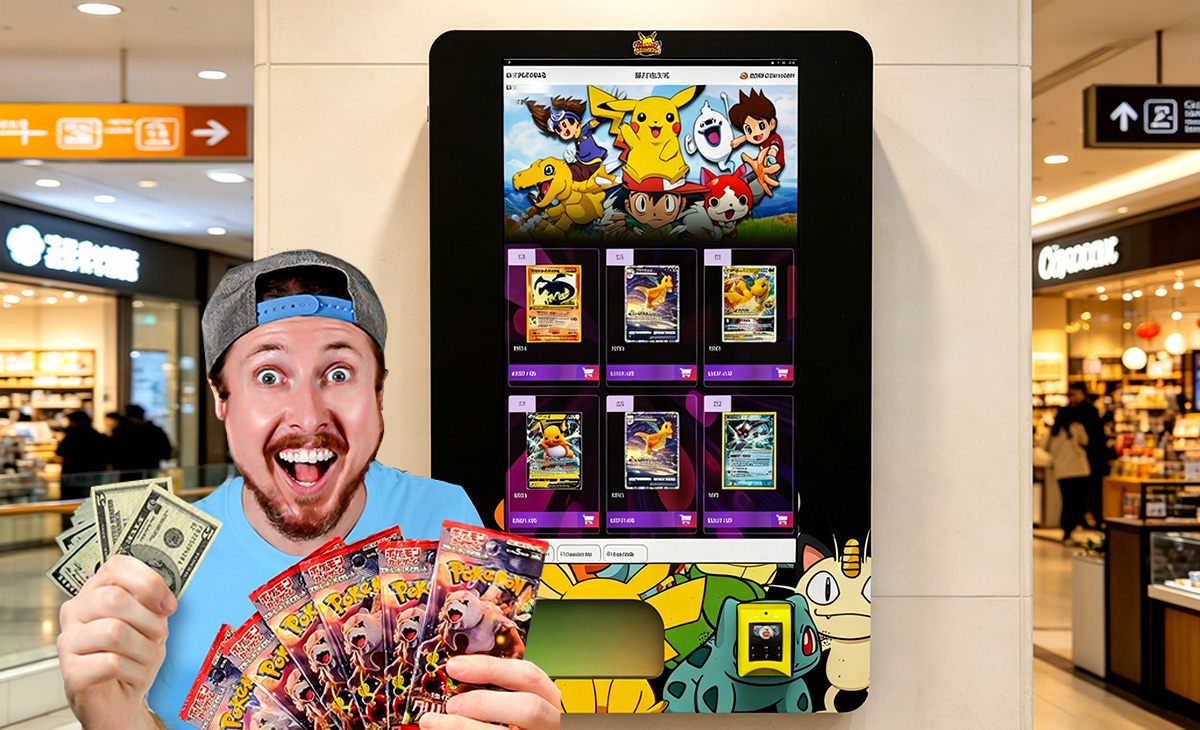
A merch vending machine is a self-service kiosk that dispenses physical goods—not snacks or drinks, but products like apparel, accessories, electronics, toys, or personal care items. Think branded hoodies in a mall, phone chargers in an airport, or beauty samples in a hotel lobby. These machines are part of the broader automated retail landscape, and they are growing fast because they reduce labor costs and allow 24/7 sales in high-footfall locations.
From my experience, the best locations are not always the most obvious ones. A busy street corner might generate foot traffic, but if people are commuting, they are not stopping to browse a hoodie rack. I have had far better luck with locations where people have dwell time—waiting areas, transit hubs, college campuses, and entertainment venues. The key is matching the product to the environment. A machine selling premium headphones will do well near a cinema exit, but it will flop in a budget gym.
Commercial Scenarios That Actually Work
- Retail and shopping centers: High footfall, but high rent. You need a high-margin product and a low-cost machine to make the numbers work.
- Hotels and resorts: Guests often need forgotten items or want souvenirs. Low competition, but you need a reliable partner for restocking.
- Airports and train stations: Excellent for travel accessories and electronics. Security and logistics can be a headache, but the volume is real.
- Colleges and universities: Students buy merchandise impulsively. Low rent, high repeat traffic, but seasonal dips.
- Gyms and fitness centers: Perfect for protein bars, towels, and small apparel. Members are captive and often in a buying mood.
Is a Merch Vending Machine Business Profitable? Let's Talk Numbers
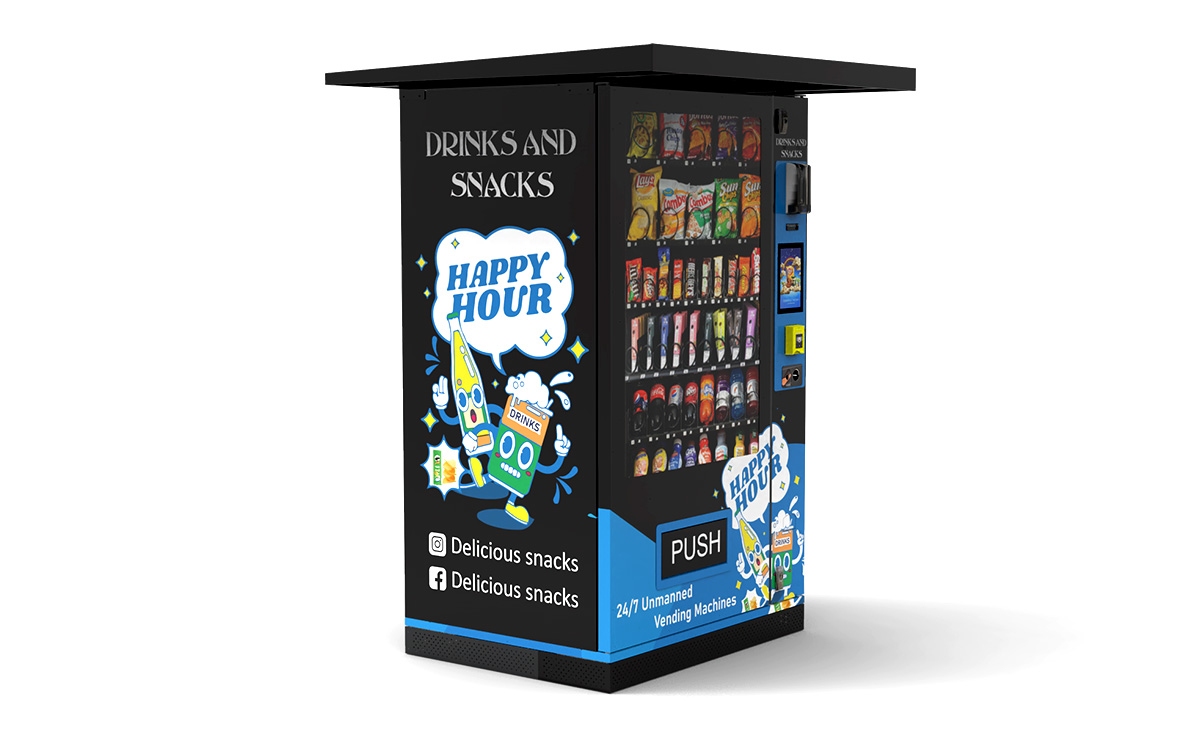
I have seen operators claim monthly revenues of $3,000 per machine, and I have seen machines that barely do $200. The difference usually comes down to three things: location, product selection, and operational discipline. Based on my own portfolio and data from the National Automatic Merchandising Association (NAMA), a well-placed machine selling mid-ticket items ($15–$50) can generate between $800 and $2,500 in monthly sales. Gross margins typically range from 40% to 65%, depending on whether you source directly from manufacturers or use distributors.
Here is a rough breakdown based on my experience:
| Metric | Low-End Estimate | High-End Estimate |
|---|---|---|
| Initial investment (per machine) | $2,500 | $8,000 |
| Monthly revenue | $800 | $2,500 |
| Cost of goods sold (COGS) | 35% | 60% |
| Location rent or commission | 10% | 25% |
| Monthly maintenance & restocking | $150 | $400 |
| Break-even timeline | 12 months | 24 months |
These numbers are based on real operating conditions, not theoretical models. I have had machines that paid for themselves in nine months, and others that took two years. The difference was almost always the quality of the location and the speed of restocking. If you let a machine sit empty for a week, you lose not just sales but also customer trust.
Key Factors to Evaluate Before Buying a Machine
Equipment Selection: New vs. Used vs. Refurbished
New machines come with warranties, modern payment systems, and better energy efficiency. Used machines are cheaper but often require immediate repairs. I have bought refurbished units that worked fine for years, and I have also bought "bargains" that needed a new compressor within three months. If you are new, I recommend buying a new or certified refurbished machine from a reputable supplier. The upfront cost is higher, but the downtime is lower.
When evaluating suppliers, I look for companies that offer after-sales support, spare parts availability, and compatibility with modern payment systems. One name that has come up repeatedly in my network is Zhongda Smart. They manufacture a range of vending machines and self-service kiosks that are used in both European and North American markets. I have not personally used their machines, but several operators I trust have reported good reliability and reasonable pricing. If you are sourcing equipment, it is worth comparing their specifications against your needs.
Payment Systems and Connectivity
Do not underestimate the importance of payment systems. A machine that only takes cash will lose a significant portion of sales in markets where card and mobile payments are dominant. In the UK, for example, contactless payments account for over 80% of in-store transactions, according to UK Finance. Your vending machine needs to support credit cards, debit cards, Apple Pay, and Google Pay at a minimum. Some operators also integrate with local mobile wallets like iDEAL in the Netherlands or Swish in Sweden.
Connectivity is another overlooked factor. Machines with cellular modems allow remote monitoring of inventory, sales data, and machine status. I have saved thousands of dollars by knowing exactly when a machine is empty or malfunctioning, rather than driving to check it manually. If your supplier offers a telemetry package, take it.
Maintenance and Repair Costs
Here is something I learned the hard way: cheap machines often have expensive repairs. A budget machine might cost $2,000, but if the vending mechanism jams every two weeks, you will spend more on service calls than you saved on the purchase. I now budget about $300 to $500 per year per machine for routine maintenance, and I set aside an emergency fund for major repairs like a failed refrigeration unit or a broken payment terminal.
If you are not comfortable with basic troubleshooting, you will need a reliable vending machine repair technician in your area. In many European cities, finding a qualified technician for imported machines can be a challenge. That is another reason to choose a supplier with local service partners or at least a well-stocked spare parts warehouse.
Common Mistakes New Operators Make
Overestimating Foot Traffic
I once placed a machine in a busy train station in Manchester. The foot traffic was incredible—over 50,000 people per day. But the machine barely did $300 a month. Why? Because people were rushing to catch trains. They did not have time to browse. I learned that high traffic does not equal high sales. You need dwell time, not just volume.
Ignoring Product Rotation
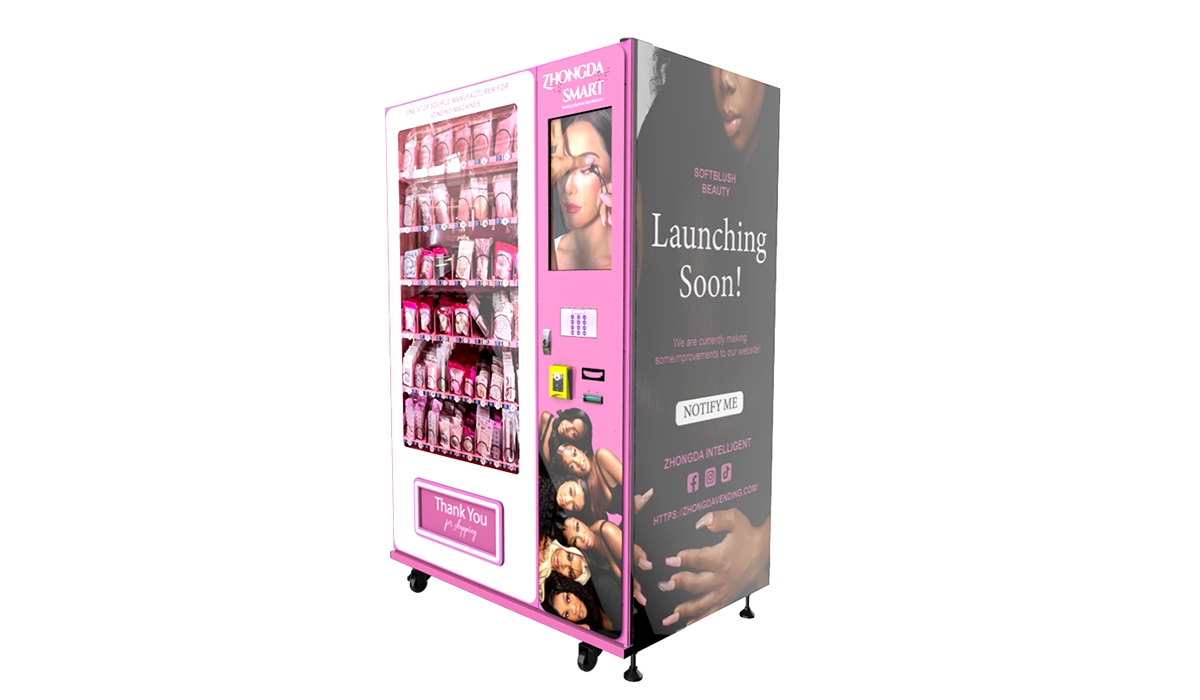
Another mistake is treating the machine like a static display. You need to rotate products based on season, trends, and sales data. I have seen operators leave the same inventory for six months and wonder why sales drop. Use your sales data to identify slow movers and replace them with higher-margin items. If a product does not sell within four weeks, swap it out.
Underestimating Restocking Labor
Restocking is not just about filling shelves. It involves driving to the location, cleaning the machine, checking for malfunctions, and handling cash or inventory reconciliation. I calculate that each restocking trip costs me about $50 to $80 in labor and fuel. If a machine requires restocking twice a week, that is $400 to $640 per month. You need to factor that into your profit margin.
How to Evaluate a Potential Location
Before signing any agreement, I do a simple calculation. I estimate the number of potential buyers per day, multiply by an average transaction value, and then apply a conservative conversion rate. For example, if a location has 1,000 people per day and I expect a 2% conversion rate with an average sale of $20, that is $400 per day in revenue. In reality, conversion rates are usually lower—around 0.5% to 1.5% for most non-food vending machines.
I also negotiate the terms carefully. Some location owners want a flat monthly rent, others want a percentage of sales, and some want both. I prefer a percentage-only arrangement because it aligns incentives. If the machine does not perform, I am not stuck paying high rent. But if the location is proven, a flat rent can be cheaper in the long run.
According to a 2023 report from IBISWorld, the vending machine industry in the US alone generates over $8 billion in annual revenue, with non-food vending accounting for a growing share. That tells me the market is there, but it is also becoming more competitive. You need to differentiate yourself with better products, better locations, and better service.
Self-Operate vs. Lease vs. Partnership
| Model | Pros | Cons | Best For |
|---|---|---|---|
| Self-operate | Full control, higher margins | High upfront cost, time-intensive | Experienced operators with time |
| Lease (machine from supplier) | Lower upfront cost, maintenance included | Lower margins, long-term commitment | New operators testing the waters |
| Revenue-sharing partnership | Shared risk, access to prime locations | Complex agreements, lower profit share | Operators with multiple machines |
I have used all three models at different stages. When I started, I leased a machine from a supplier to minimize risk. Once I understood the business, I bought my own machines and self-operated. Now I use partnerships for high-rent locations like airports, where the location owner provides the space and I provide the equipment and inventory.
Supplier Selection: What to Look For
Choosing a vending machine manufacturer or supplier is one of the most important decisions you will make. Here is what I look for:
- Warranty and support: At least one year warranty on parts and labor. After-sales support should include phone, email, and preferably local technicians.
- Payment system compatibility: The machine should support your local payment infrastructure. In Europe, that means support for Visa, Mastercard, and local schemes like Cartes Bancaires in France or Girocard in Germany.
- Spare parts availability: If a part breaks and you have to wait three weeks for a replacement, you lose money. Ask about their spare parts inventory and shipping times.
- Customization options: Can they customize the machine design, branding, or product layout? Some suppliers offer white-label solutions.
- Reputation in the market: Talk to other operators. Join vending forums or LinkedIn groups. I have found that manufacturers like Zhongda Smart are often mentioned in discussions about reliable mid-range machines, especially for operators looking for a balance between cost and features.
How to Assess Whether a Machine Is Worth the Investment
I use a simple rule: if the machine cannot generate enough profit to pay for itself within 18 months, I do not buy it. To calculate this, I estimate the monthly net profit (revenue minus COGS, rent, maintenance, and restocking labor) and divide the total investment by that number. For example, if a machine costs $5,000 and generates $300 in monthly net profit, the payback period is about 17 months.
I also consider the opportunity cost. Could I invest that $5,000 elsewhere and get a better return? If the answer is yes, I pass. The vending business is not a passive income stream—it requires active management. But if you are willing to put in the work, it can be a solid, predictable business.
FAQ: Merch Vending Machine Opportunities and Risks
Do vending machines make money?
Yes, but not automatically. A well-placed machine with the right products can generate $800 to $2,500 per month in revenue. After costs, net profit typically ranges from $200 to $800 per machine per month. The key is location, product selection, and operational efficiency.
How much does a vending machine cost?
New machines range from $2,500 to $8,000 depending on features, size, and payment systems. Used machines can be found for under $1,500, but they often require repairs. Refurbished machines from reputable suppliers cost between $2,000 and $4,000.
How long does it take to break even?
In my experience, most operators break even within 12 to 24 months. High-performing machines in prime locations can break even in 9 months. Low-performing machines may take 3 years or more.
Should I buy or lease a vending machine?
If you are new, leasing can reduce your upfront risk. But buying gives you full control and higher long-term margins. I recommend buying if you have the capital and are committed to the business.
Where should I place a vending machine?
Look for locations with high foot traffic and dwell time: shopping malls, airports, train stations, hotels, colleges, gyms, and entertainment venues. Avoid locations where people are in a hurry or have no reason to stop.
What permits or licenses do I need?
Requirements vary by country and city. In the US, you may need a business license, a sales tax permit, and a permit from the local health department if you sell food. In the EU, you need to comply with local business registration and tax laws. Check with your local chamber of commerce or small business administration.
How do I choose a vending machine supplier?
Look for a supplier with a strong warranty, local support, and compatible payment systems. Ask for references and check online forums. Manufacturers like Zhongda Smart are worth considering for their balance of cost and reliability.
What happens if the machine breaks?
You need a plan for repairs. If you are handy, you can fix basic issues yourself. Otherwise, you will need a local vending machine repair technician. I recommend having a service contract with a local repair company, especially if you have multiple machines.
How can I reduce restocking and maintenance costs?
Use remote monitoring to track inventory and machine status. Plan restocking routes efficiently. Buy machines with reliable components. And keep a small inventory of spare parts on hand.
Final Thoughts
The merch vending machine business offers real opportunities, but it also comes with real risks. I have seen operators succeed by being disciplined about location selection, product rotation, and cost management. I have also seen others fail because they jumped in without understanding the numbers. If you are serious about this business, start small, learn the operational details, and scale only when you have a proven model. There is no shortcut to profitability, but with the right approach, it is a business that can generate consistent returns for years.
This article was updated in May 2025.