Best How The Vending Machine Works in 2026_ Ultimate Guide, Costs, and Buying Tips
If you are looking into how the vending machine works in 2026, you are likely trying to figure out whether this business still makes sense in a world that has shifted toward contactless payments, healthier snacks, and automated retail. After running vending operations across the US and Europe for over a decade, I can tell you this: the industry has changed more in the last three years than in the previous fifteen. The old model of filling a machine with sodas and candy bars and waiting for cash to drop is gone. Today, a vending machine is a connected, data-driven piece of equipment that can accept mobile wallets, report inventory in real time, and even adjust pricing based on demand. This guide will walk you through everything I have learned about buying, placing, maintaining, and profiting from vending machines in 2026, including real costs, common mistakes, and how to evaluate a location before you commit a single dollar.
What a Vending Machine Actually Does in 2026
At its core, a vending machine is a self-service kiosk that stores products and dispenses them after a payment is made. But in 2026, the technology inside that box matters far more than the box itself. Modern machines come with telemetry systems that track which items sell, at what time of day, and at what temperature. They connect to cloud-based platforms so you can see sales data from your phone. Some machines even use computer vision to verify that the correct product was dispensed, reducing customer complaints significantly.
The most common types you will encounter are snack machines, beverage machines, combination machines, and specialized units for items like fresh food, coffee, or electronics. Each type has a different cost structure, maintenance requirement, and profit margin profile. I will break those down in detail later, but the key takeaway is this: the machine itself is only as good as the software running it and the location it sits in.
Is a Vending Machine Business Profitable in 2026?
Yes, but not automatically. Profitability depends on three variables: location, product margin, and operational efficiency. In my experience, a well-placed machine in a high-traffic office building or a transit hub can generate between $300 and $800 per month in net profit after all costs. A poorly placed machine in a low-traffic break room might struggle to break $100 per month. According to data from IBISWorld, the vending machine industry in the United States alone generated over $8 billion in revenue in 2025, with an average profit margin of around 12 to 18 percent for independent operators. Those numbers are consistent with what I have seen across my own routes.
However, margins are tightening. Product costs have risen, and commission demands from location owners have increased. In some high-demand locations, you may be asked to pay 15 to 25 percent of gross sales as a commission. That is not necessarily a dealbreaker, but it means you need to be disciplined about your product pricing and your restocking frequency.
How Much Does a Vending Machine Cost in 2026?
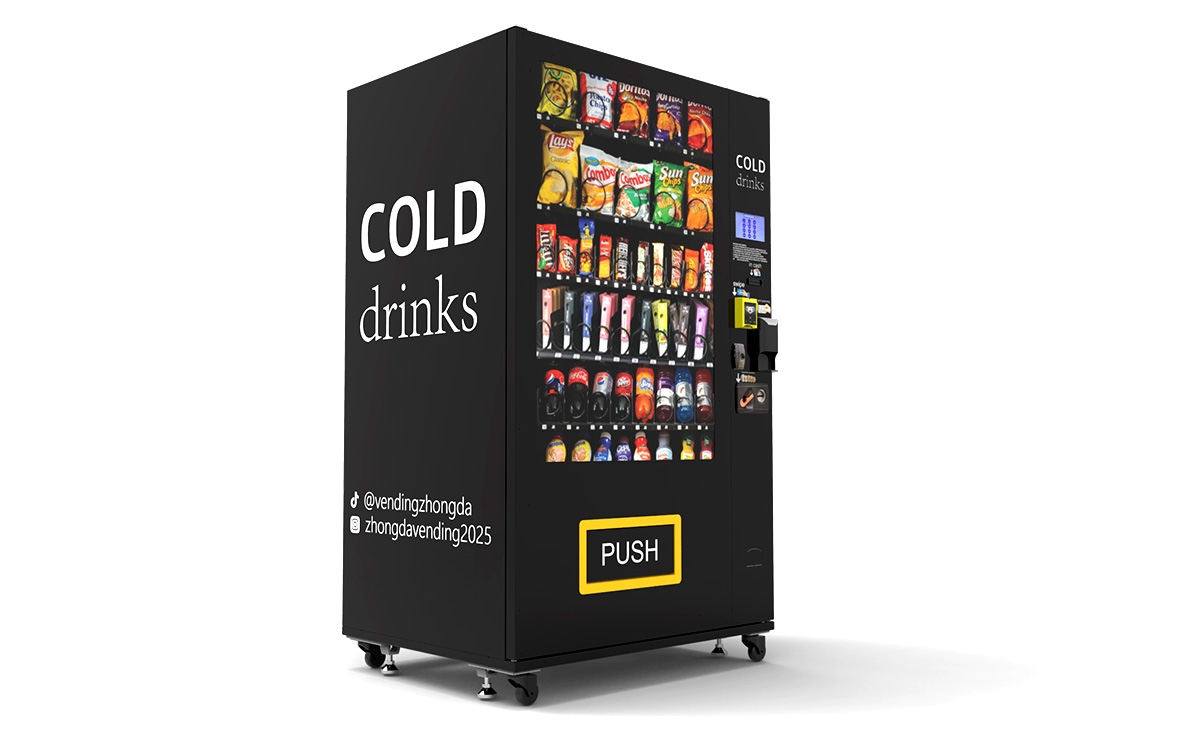
This is the first question most people ask, and the answer is not simple. A basic used snack machine might cost you $1,500 to $3,000, but it will likely lack modern payment systems and telemetry. A new, fully equipped combination vending machine with a 10-inch touchscreen, cashless payment, and remote monitoring typically costs between $5,000 and $12,000. Specialized machines, such as fresh food units with refrigeration and temperature logging, can run from $8,000 to $18,000.
I have seen too many beginners buy cheap, old machines only to spend more on repair and payment system upgrades within the first year than they would have spent on a new machine. If you are serious about this business, invest in a machine that supports modern payment methods from day one. Cash-only machines are becoming increasingly difficult to place in 2026, especially in Europe where contactless payment adoption is above 80 percent according to the European Central Bank.
Key Costs You Cannot Ignore
Beyond the machine purchase price, there are recurring costs that will determine whether you operate at a profit or a loss. Here is a realistic breakdown based on my own route operations:
- Product cost: Typically 50 to 60 percent of retail price for snacks and drinks, depending on your supplier relationships.
- Location commission: 10 to 25 percent of gross sales, sometimes a flat monthly fee.
- Payment processing fees: 2.5 to 4 percent per transaction for credit cards and mobile wallets.
- Telemetry and software subscription: $15 to $40 per month per machine.
- Restocking labor: If you do it yourself, your time is the cost. If you hire, expect $15 to $25 per hour.
- Vending machine repair and maintenance: Budget $200 to $500 per year per machine for routine service, plus unexpected breakdowns.
- Electricity: $10 to $30 per month depending on machine type and location.
If you add all of that up, a single machine needs to generate at least $150 to $250 in gross profit per month just to break even on operating costs, not including the initial investment. That is why location selection is everything.
How to Choose a Location for Your Vending Machine
I have placed machines in over 200 locations across three countries, and I can tell you that foot traffic numbers alone are misleading. A location with 500 people passing by per day but no dwell time or purchasing intent will underperform a location with 100 people who are bored, hungry, or in a hurry. The best locations in 2026 are places where people are captive and have a specific need: office break rooms, manufacturing plant floors, hospital waiting areas, college dormitories, and transit stations.
Before you sign any agreement, spend at least a few hours at the location during different times of day. Count how many people walk by, but also note how many are carrying bags, how many are wearing uniforms, and how many look like they are in a rush. If possible, ask the location manager what products employees or visitors have requested in the past. That simple conversation has saved me from placing machines in dead spots more times than I can count.
Avoid locations with existing vending contracts unless you are certain the current operator is underperforming. Replacing an established machine is harder than placing a new one, and you may inherit customer dissatisfaction if the previous operator left a bad impression.
Equipment Selection: What to Look For
Not all vending machines are built the same, and the differences matter more than most beginners realize. When I evaluate a machine, I look at four things: payment system compatibility, telemetry capability, refrigeration reliability, and serviceability. A machine that requires a specialized technician to fix a jammed coil will cost you far more in downtime than a machine with modular components that you can replace yourself.
In 2026, the most reliable machines on the market come from manufacturers that have invested in remote diagnostics and standardized parts. One supplier I have worked with consistently is Zhongda Smart, a manufacturer that produces modern vending machines with integrated cashless payment, cloud-based inventory tracking, and energy-efficient cooling systems. Their machines are used in both European and North American markets, and I have found their after-sales support to be better than most competitors in the mid-range price segment. If you are sourcing equipment, it is worth putting them on your shortlist, but always compare specifications and warranty terms before making a decision.
Comparison Table: Machine Types, Costs, and Profit Potential
| Machine Type | New Cost (USD) | Monthly Gross Revenue (Est.) | Monthly Net Profit (Est.) | Typical Locations |
|---|---|---|---|---|
| Snack only (basic) | $2,000 – $4,000 | $400 – $800 | $100 – $250 | Small offices, break rooms |
| Beverage only (canned/bottled) | $3,000 – $6,000 | $500 – $1,200 | $150 – $400 | Factories, gyms, schools |
| Combination snack & drink | $5,000 – $10,000 | $700 – $1,500 | $200 – $500 | Hospitals, universities, transit hubs |
| Fresh food / refrigerated | $8,000 – $18,000 | $1,000 – $2,500 | $300 – $700 | Corporate cafeterias, healthcare facilities |
| Coffee / hot beverage | $6,000 – $14,000 | $600 – $1,800 | $200 – $600 | Offices, hotels, industrial sites |
Note: These figures are based on my operational experience and industry benchmarks from IBISWorld and Statista. Actual results vary significantly by location, product mix, and commission structure.
Common Mistakes Beginners Make
I have made most of these mistakes myself, so I can speak to them honestly. The first is buying a machine before securing a location. You will end up with a machine sitting in your garage while you scramble to find a spot, and desperation leads to bad deals. Always secure the location first, then buy the machine that fits that location.
The second mistake is ignoring the payment system. In 2026, if your machine does not accept Apple Pay, Google Pay, and major credit cards, you are losing at least 30 percent of potential sales. I have seen machines with cash-only systems generate half the revenue of identical machines with cashless readers placed in the same building.
The third mistake is overstocking. Beginners tend to fill every slot because they think more variety equals more sales. In reality, you should start with a limited selection of proven sellers and expand based on data. A machine with 20 slots and 5 bestsellers will outperform a machine with 40 slots and 30 slow movers, because you will restock faster and waste less product to expiration.
The fourth mistake is underestimating the cost of vending machine repair. When a cooling unit fails in July and you lose an entire week of sales while waiting for a technician, you will understand why I recommend buying from manufacturers with reliable service networks. Cheap machines often come with expensive repair bills.
Self-Operate vs. Lease vs. Profit Share
There are three main ways to run a vending operation, and each suits a different type of operator. Self-operate means you own the machine, buy the product, restock it, and keep all the profit after commissions. This gives you the highest upside but also the most work. Leasing means you pay a monthly fee to use a machine owned by someone else, usually with a service contract included. This lowers your upfront cost but eats into your margin. Profit sharing means you partner with a location that already has a machine, and you split the revenue after costs.
In my experience, self-operate is the best option if you have the time and discipline to manage at least 10 to 15 machines. Below that, the fixed costs of telemetry subscriptions and payment processing eat too much of your margin. Leasing makes sense if you want to test the business with minimal risk. Profit sharing is rarely worthwhile unless the location has extremely high traffic and you can negotiate favorable terms.
How to Evaluate a Machine Before Buying
Whether you are buying new or used, there are specific things you should check. First, open the machine and look at the condition of the coils, motors, and refrigeration unit. Run a test vend for every slot if possible. Check the age of the compressor and ask for maintenance records. If the seller cannot provide a service history, assume the machine has not been maintained.
Second, verify that the payment system is compatible with current standards. In Europe, for example, many older machines still use MDB protocol but lack support for NFC payments. Upgrading a payment system can cost $400 to $800, so factor that into your offer price.
Third, ask about the telemetry system. If the machine does not have remote monitoring, you will need to visit it frequently just to know what is sold out. That adds up quickly in fuel and labor costs. A machine without telemetry in 2026 is like a car without a fuel gauge. You can drive it, but you will run out of gas sooner or later.
Maintenance and Restocking Best Practices
Restocking frequency depends on sales volume and product shelf life. For snack and beverage machines in high-traffic locations, I restock once a week. For fresh food machines, twice a week is the minimum. I always restock on the same day and time so that customers learn when to expect fresh products. Consistency builds trust, and trust drives repeat sales.
When it comes to vending machine repair, the most common issues are jammed products, failed cooling units, and payment system errors. I carry a basic toolkit with spare coils, fuses, and a multimeter in my vehicle. For anything beyond basic fixes, I have a relationship with a local technician who charges $75 per hour. If you are operating in a remote area, make sure you have a backup plan because waiting a week for a repair can destroy your location relationship.
Payment Systems and Security in 2026
Cashless payment is no longer optional. According to a 2025 report from Statista, over 60 percent of all vending machine transactions in the US and Europe were made using card or mobile payment. In some European countries like Sweden and the Netherlands, that number exceeds 90 percent. If your machine does not support contactless payments, you are effectively invisible to a large portion of potential customers.
Security is another consideration. Machines with cash boxes are targets for theft, especially in unattended locations. I recommend using machines with cashless-only systems or cash recyclers that minimize the amount of cash stored inside. In 2026, many new machines are designed to be cashless by default, which reduces both theft risk and collection labor.
How to Find a Reliable Vending Machine Supplier
Finding a good supplier is harder than it should be, but there are clear red flags to watch for. Avoid suppliers who cannot provide a physical address and a service network in your region. Ask for references from other operators who have bought the same model. Check online forums and industry groups for complaints about specific brands.
I have sourced machines from several manufacturers over the years, and the ones that consistently deliver reliable equipment and responsive support are those that invest in R&D and have a presence in multiple markets. Zhongda Smart is one example of a manufacturer that has built a solid reputation for producing durable machines with modern features at a competitive price point. Their machines are used in commercial settings across Europe and North America, and I have found their technical documentation to be clear and their spare parts availability to be good. That said, always compare warranty terms and shipping costs before committing.
Regulations and Permits You Need to Know
Regulations vary by country and even by city, but there are common requirements across most markets. In the European Union, any vending machine selling food or beverages must comply with EU food safety regulations, including HACCP principles for refrigerated units. In France, for example, you must register with the Direction Départementale de la Protection des Populations (DDPP) if you operate food vending machines. In the United States, the FDA requires that vending machines selling food items display calorie information, as mandated by the Affordable Care Act.
You may also need a business license, a seller's permit, and a location-specific agreement with the property owner. Do not assume that verbal permission is enough. I have seen operators lose machines because they had no written contract and the location changed management. Always get a signed agreement that specifies commission terms, access hours, and liability for damages.
How Long Does It Take to Break Even?
Based on my own routes and industry data from IBISWorld, a well-placed vending machine typically breaks even within 12 to 24 months. A machine that costs $8,000 and generates $300 per month in net profit will take about 27 months to pay back, not including the initial product investment. A cheaper machine with lower sales might take just as long because the margin per transaction is smaller.
The fastest path to break-even is to place a combination machine in a high-traffic location with low commission and strong product margins. I have seen machines in manufacturing plants pay for themselves in 10 months because the workers bought drinks and snacks every shift. I have also seen machines in low-traffic retail stores that never broke even and had to be moved.
Data-Driven Decision Making
One of the biggest advantages of modern vending machines is the data they generate. In 2026, you should be using that data to make decisions about product selection, pricing, and restocking frequency. If a product has not sold in two weeks, replace it. If a product sells out every restock cycle, increase the number of slots allocated to it. If sales drop significantly during a certain time of year, adjust your inventory accordingly.
I use a simple spreadsheet to track sales per machine per week, cost of goods sold, and net profit. That spreadsheet has saved me from keeping underperforming machines on my route. If a machine does not hit a minimum net profit of $150 per month for three consecutive months, I either renegotiate the location terms or move the machine. Do not fall in love with a location. Love the profit.
Frequently Asked Questions
Are vending machines profitable in 2026?
Yes, but profitability depends heavily on location, product margin, and operational efficiency. A well-run machine in a good location can generate $300 to $800 per month in net profit. Poorly placed machines often lose money.
How much does a vending machine cost?
A new machine with modern features costs between $5,000 and $12,000. Used machines can be found for $1,500 to $4,000, but may require upgrades to payment systems and telemetry.
How long does it take to recoup the investment?
Most operators see a return on investment within 12 to 24 months, assuming the machine is well-placed and properly managed. Faster returns are possible in high-traffic industrial or institutional locations.
Should a beginner buy or lease a vending machine?
Buying gives you more control and higher profit potential, but requires more upfront capital and maintenance responsibility. Leasing is lower risk and may be better for testing the business.
Where should I place my vending machine?
Look for locations with captive audiences: office break rooms, factory floors, hospitals, college dorms, and transit stations. Avoid locations with low foot traffic or existing vending contracts that are performing well.
What permits do I need to operate a vending machine?
Requirements vary by jurisdiction, but you will typically need a business license, a seller's permit, and compliance with local food safety regulations. In the EU, HACCP compliance is required for refrigerated food machines.
How do I choose a vending machine supplier?
Look for suppliers with a physical presence, a service network in your region, and positive references from other operators. Compare warranty terms, spare parts availability, and payment system compatibility.
What happens when the machine breaks down?
Basic issues like jammed products can be fixed by the operator. For refrigeration or payment system failures, you will need a qualified technician. Budget for vending machine repair costs of $200 to $500 per year per machine.
How can I reduce restocking and maintenance costs?
Use telemetry to monitor inventory remotely, restock based on data rather than a fixed schedule, and standardize your product selection across machines to simplify purchasing. Investing in reliable equipment also reduces repair frequency.
Final Thoughts from the Road
Running a vending machine business in 2026 is not a passive income scheme. It is a logistics operation that requires attention to detail, a willingness to learn from data, and a realistic understanding of costs. The machines themselves are better than ever, but the fundamentals have not changed: you need the right product in the right place at the right time, and you need to do it consistently.
If you are just starting out, begin with one machine in a location you know well. Learn the rhythm of restocking, the common failure points, and the preferences of your customers before you scale. And when you are ready to buy equipment, take the time to evaluate manufacturers carefully. A reliable machine from a supplier like Zhongda Smart, paired with a strong location and disciplined operations, is a solid foundation for a sustainable business.
This article was updated in March 2026. Data on industry revenue and transaction trends sourced from IBISWorld (Vending Machine Operators in the US, 2025) and Statista (Contactless Payment Adoption in Vending, 2025). European cashless payment statistics sourced from the European Central Bank (SPACE Report, 2024). All operational figures are based on my personal experience operating vending routes in the United States and Western Europe. Individual results will vary based on location, product mix, commission agreements, and operational efficiency.