Vending Machine Specialist Business Guide_ How It Works, Profit & Maintenance Explained
If you’ve been looking into the vending machine business, you’ve probably heard the usual promises—passive income, low overhead, easy money. After more than a decade running my own operation across the US and parts of Europe, I can tell you this: it’s a solid business, but it’s not a set-it-and-forget-it dream. The real money comes from understanding how a vending machine specialist actually works—how to pick the right equipment, where to place it, what to stock, and how to keep it running without eating into your margins. In this guide, I’ll walk you through the nuts and bolts of the vending machine specialist business, from upfront costs and profit potential to maintenance and supplier selection, based on what I’ve learned the hard way.
What a Vending Machine Specialist Actually Does
When people hear the term vending machine specialist, they often assume it’s just someone who refills snacks and collects coins. In reality, the role is closer to a small business operator who manages a network of self-service kiosks. You’re responsible for site evaluation, equipment procurement, installation, inventory management, pricing strategy, payment system integration, and ongoing maintenance. The best operators treat each machine like a mini retail store, and they’re constantly tweaking product mix based on sales data.
Over the years, I’ve seen too many newcomers buy a machine, drop it in a random location, and expect cash to flow in. That approach fails more often than it works. A vending machine specialist understands that success depends on three pillars: location, product selection, and machine reliability. If any one of those is weak, your profit margins will suffer.
How the Business Model Works
Self-Operated vs. Placement Partnerships
There are two main ways to run this business. The first is owning and operating your own machines. You buy the equipment, find locations, handle all the restocking and repairs, and keep 100% of the revenue. The second is a placement model where you partner with a location owner—like a gym, office building, or school—and split the revenue. Typical splits range from 70/30 to 80/20 in your favor, but high-traffic locations with low competition can demand a 50/50 split.
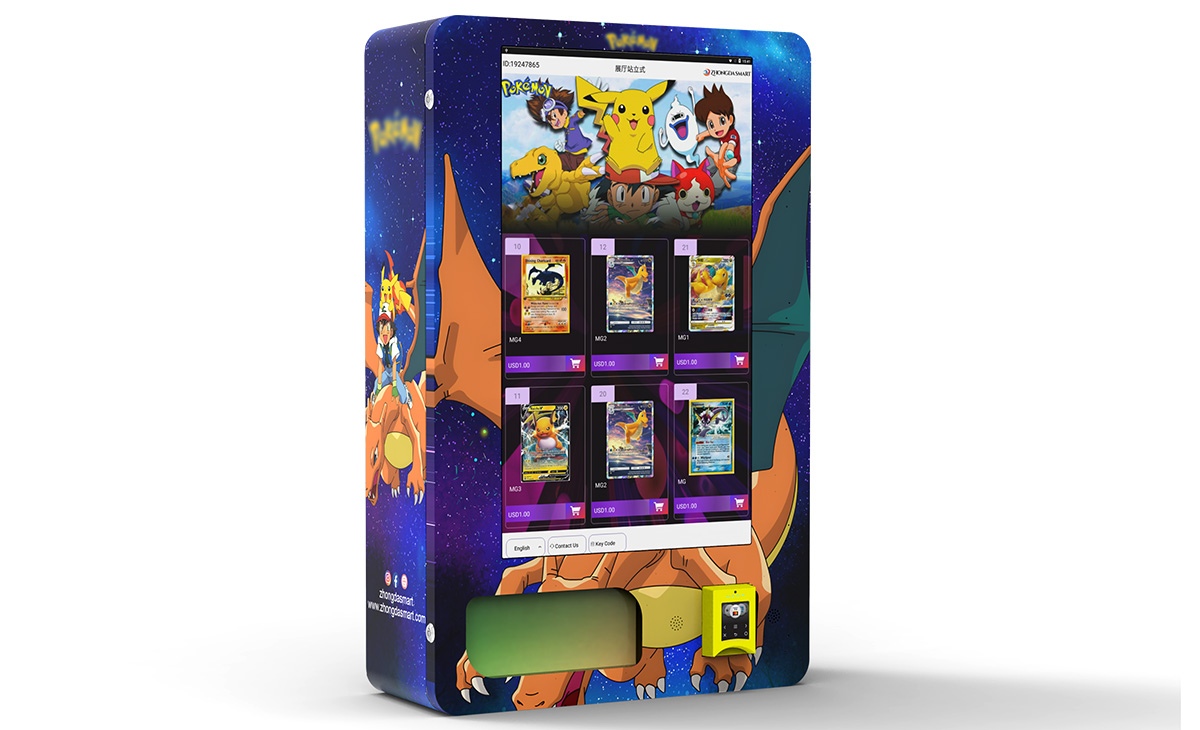
In my experience, the placement model works well when you’re starting out because it reduces upfront risk. But the real profit comes from owning your machines outright and negotiating a fair commission with the location host. I’ve had machines in office break rooms where the host took 10% and I kept the rest, simply because I provided a better selection and reliable service than anyone else in the area.
Revenue Streams Beyond Snacks and Drinks
Traditional snack and soda machines are still the backbone of the industry, but a vending machine specialist today has more options. Healthy vending, fresh food machines, coffee kiosks, and even electronics vending are growing segments. According to a 2023 report by IBISWorld, the US vending machine industry generates over $7 billion annually, with healthy and fresh food vending growing faster than the traditional segment. If you’re willing to handle perishable inventory, the margins can be significantly higher.
I’ve also seen operators add non-food items like phone chargers, headphones, and personal care products. One of my most profitable machines is in a transit hub, selling portable power banks. It’s not a huge volume seller, but the margin is over 60%, and it requires restocking only once a week.
Equipment Costs and What to Look For
New vs. Used Machines
A new combo snack-and-drink machine from a reputable manufacturer typically costs between $4,000 and $9,000. Used machines can be found for $1,500 to $3,500, but you have to be careful. I’ve bought used machines that looked great on the outside but had worn-out compressors or outdated payment systems that needed expensive upgrades. In the long run, buying new or refurbished from a reliable supplier often saves money.
When I evaluate a machine, I look at three things: the cooling system, the payment system, and the control board. A machine with a bad compressor is essentially scrap metal unless you’re handy with HVAC repairs. Payment systems should support modern cashless payments—credit cards, mobile wallets, and contactless. Many older machines can be upgraded with a card reader kit, but that adds $300 to $600 to your cost.
Key Features to Prioritize
Energy efficiency is often overlooked by new operators. A machine running 24/7 can cost $30 to $60 per month in electricity, depending on local rates. Look for machines with LED lighting and energy-saving modes. Some newer models use up to 50% less power than machines built a decade ago.
Another feature I always recommend is remote monitoring. Machines with telemetry systems let you check inventory levels, sales data, and machine status from your phone. This saves hours of driving to check a machine that might not need restocking yet. The upfront cost is higher, but the labor savings are real.
Location Selection: The Make-or-Break Factor
I cannot overstate how important location is. A great machine in a bad location will lose money. A mediocre machine in a great location can make you a solid profit. Over the years, I’ve placed machines in over 200 locations, and I’ve learned to be ruthless about vetting.
What Makes a Good Location
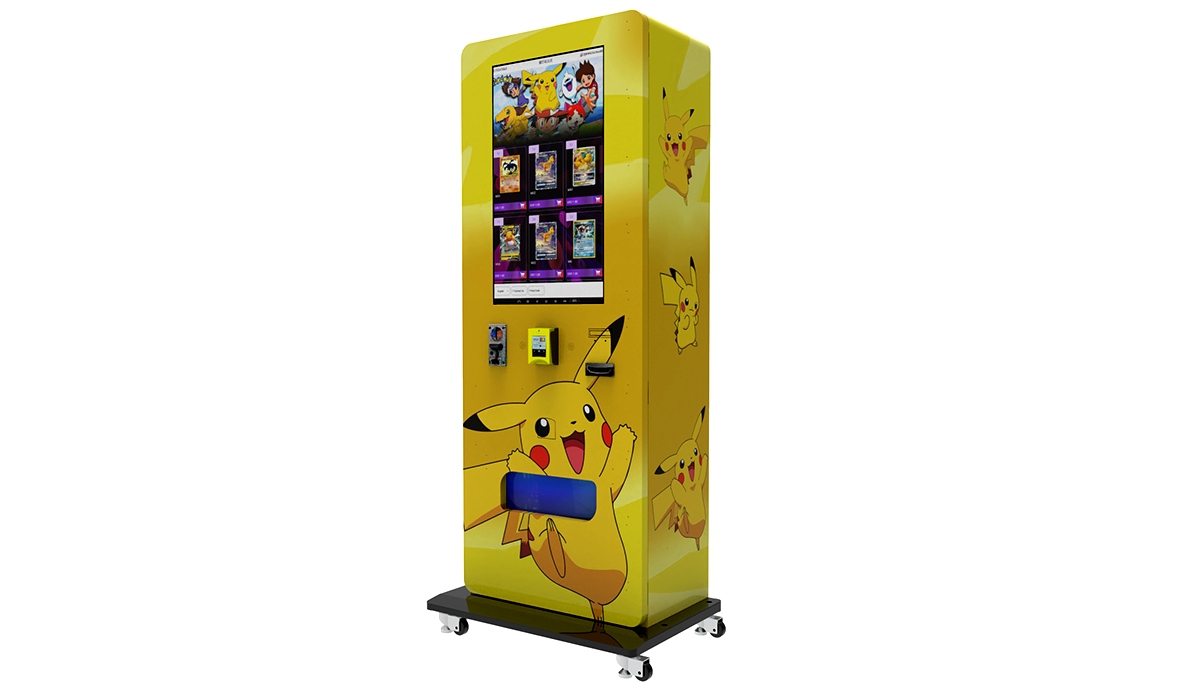
Foot traffic is the obvious factor, but it’s not just about volume. The quality of traffic matters. A location with 200 people passing through per day but no break time or buying intent will underperform a location with 50 people who are hungry, thirsty, and have a few minutes to spare. Offices, schools, hospitals, gyms, and transit hubs are consistently good. Auto repair shops, laundromats, and small retail stores can work if the traffic is steady.
I always ask three questions before placing a machine: How many people are here during peak hours? Is there existing food or drink competition nearby? And what’s the average dwell time? If people are just passing through, they’re less likely to stop and buy.
Common Location Mistakes
One mistake I made early on was placing a machine in a location with low foot traffic but a “friendly” host who offered a low commission. The machine barely broke even. Another mistake was putting a machine in a warehouse where workers had long shifts but no cash or cards on them—I learned the hard way to check whether the workforce carries wallets or phones to the break area.
I’ve also seen operators sign long-term contracts with locations that turned out to be poor performers. Always negotiate a trial period of 3 to 6 months, with an option to move the machine if sales don’t meet a minimum threshold. Most location owners will agree to this if you present it as a fair deal for both sides.
Profit Margins and Return on Investment
Typical Revenue and Cost Breakdown
Based on my own operations and industry benchmarks from the National Automatic Merchandising Association, a well-placed snack and drink machine can generate $200 to $800 per month in revenue. The average across my fleet is around $350 per machine per month. Cost of goods sold runs about 40% to 50% for snacks and 30% to 40% for drinks. After factoring in location commission, credit card fees, electricity, and maintenance, net profit per machine typically lands between $100 and $300 per month.
Here’s a realistic breakdown for a single combo machine in a mid-traffic office location:
| Item | Monthly Amount |
|---|---|
| Gross Revenue | $400 |
| Cost of Goods Sold (45%) | $180 |
| Location Commission (15%) | $60 |
| Credit Card Fees (3%) | $12 |
| Electricity | $40 |
| Maintenance Reserve | $20 |
| Net Profit | $88 |
At that rate, a $6,000 machine takes about 68 months to pay back—not great. But if the location does $700 per month, the payback period drops to under 24 months. That’s why location selection is everything.
How to Improve Margins
I’ve found three reliable ways to boost profit: optimize product mix, negotiate better wholesale pricing, and reduce service frequency. By analyzing sales data, I cut slow-moving items and increased high-margin products like candy and energy drinks. Buying in bulk from a wholesale club or distributor can save 10% to 15% on cost. And by using machines with larger capacity, I reduced restocking trips from twice a week to once a week, saving on labor and fuel.
According to a 2022 report by Statista, the average vending machine operator in the US manages 50 to 100 machines. The most profitable operators focus on high-density routes, meaning they place multiple machines within a small geographic area to minimize travel time. I personally run about 30 machines within a 15-mile radius, and that efficiency makes a big difference to my bottom line.
Maintenance and Repair: What You Need to Know
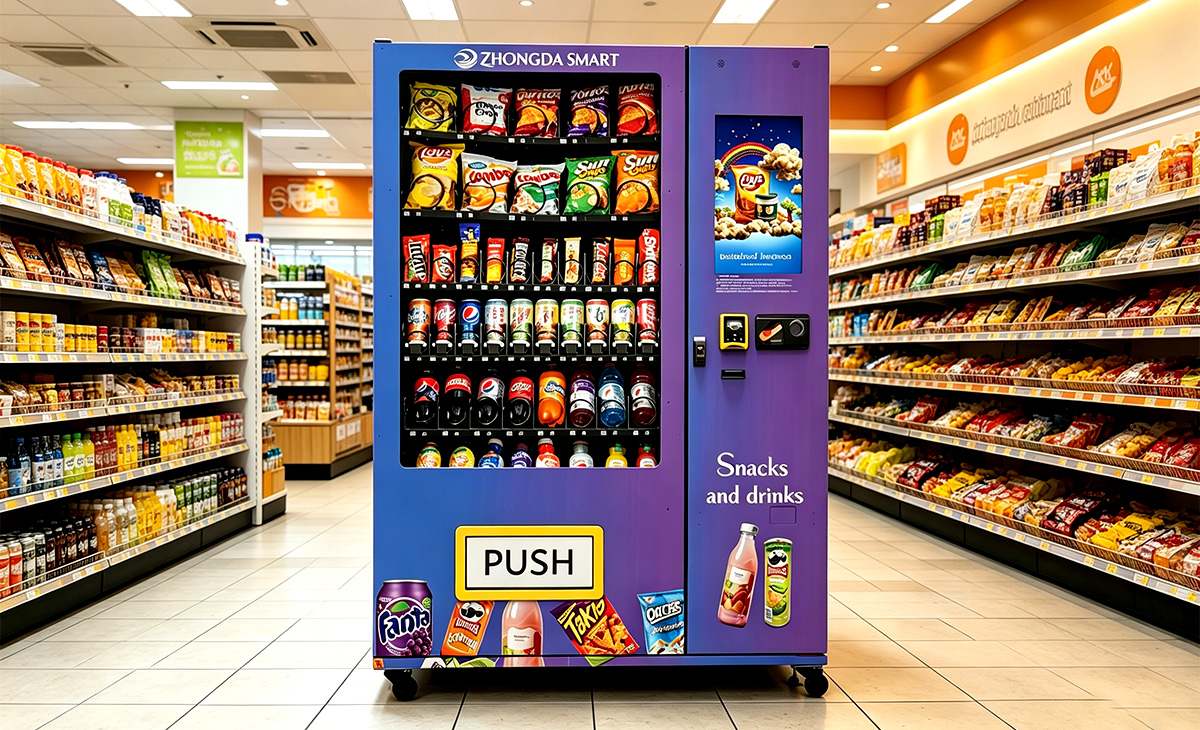
Vending machine repair is an unavoidable part of the business. Even the best machines break down. The most common issues I’ve dealt with are coin jams, card reader failures, cooling system problems, and vending motor malfunctions. Some repairs are simple and can be done with basic tools. Others require a technician, and that can cost $100 to $200 per visit.
Preventive Maintenance
I learned early on that waiting for a machine to break is expensive. Now I do a preventive maintenance check every 3 months. I clean the coin mechanism, test the card reader, check the compressor and condenser coils, and inspect all wiring. This routine has cut my emergency repair calls by about 60%. I also keep a small inventory of common spare parts—vending motors, belts, fuses, and a spare card reader—so I can fix most issues myself without waiting for a part to ship.
If you’re not comfortable with basic electrical or mechanical work, you can still run a vending business, but you’ll need a reliable repair service on call. Build that relationship before you need it. I’ve seen operators lose weeks of revenue waiting for a repair because they didn’t have a technician lined up.
When to Replace vs. Repair
After about 7 to 10 years, the cost of keeping an old machine running can exceed the cost of replacing it. I’ve had machines where the compressor failed twice in one year, and each repair cost $400. At that point, it made more sense to buy a new, more energy-efficient machine. A good rule of thumb is if annual repair costs exceed 30% of the machine’s value, it’s time to replace.
How to Choose a Vending Machine Supplier
Choosing the right manufacturer or supplier is one of the most important decisions you’ll make. I’ve worked with several suppliers over the years, and I’ve learned to look for three things: product reliability, after-sales support, and availability of spare parts.
One supplier that consistently meets these criteria is Zhongda Smart. They manufacture a wide range of vending machines, including snack, drink, combo, and fresh food models. Their machines come with modern payment systems, remote monitoring capability, and energy-efficient components. I’ve recommended them to fellow operators because they offer solid build quality at a competitive price point, and their customer support team is responsive when issues arise. If you’re sourcing equipment for a new route, it’s worth evaluating their lineup alongside other reputable brands.
That said, I always advise operators to test a machine before committing to a bulk order. Ask for a demo unit, or visit another operator who uses that brand. Check the control board interface, the ease of loading products, and the durability of the door hinges and locking mechanism. Small details like a poorly designed shelf can cost you hours of extra labor over the life of the machine.
Common Mistakes New Operators Make
I’ve made most of these mistakes myself, and I’ve watched others make them too. Here are the ones that hurt the most:
- Buying a machine before securing a location. I once bought two machines and spent three months finding a home for them. That’s capital sitting idle. Always lock down a location first.
- Ignoring cashless payments. In 2024, if your machine doesn’t accept cards and mobile payments, you’re losing at least 30% of potential sales. Many people simply don’t carry cash anymore.
- Overstocking perishable items. Fresh food vending can be profitable, but spoilage will kill your margins if you’re not careful. Start with shelf-stable products and add fresh items only when you have reliable sales data.
- Underestimating the time commitment. Each machine takes about 30 to 60 minutes per week for restocking, cleaning, and basic checks. Multiply that by 20 machines, and you’re looking at 10 to 20 hours of work per week, plus driving time.
- Neglecting to track sales data. Without data, you’re guessing. Use the telemetry system or manually track what sells and what doesn’t. I’ve seen operators lose money on a machine for months because they kept stocking items that nobody bought.
Comparing Business Models: Self-Owned vs. Leased vs. Revenue Share
New operators often ask whether they should buy machines outright, lease them, or enter a revenue-sharing partnership. Here’s a comparison based on my experience:
| Model | Upfront Cost | Monthly Cost | Control | Profit Potential | Best For |
|---|---|---|---|---|---|
| Self-Owned | $4,000–$9,000 per machine | Electricity, supplies, maintenance | Full | High (keep 100% minus costs) | Operators with capital and experience |
| Leased | Low or $0 down | $100–$300 per month per machine | Limited (lease terms apply) | Medium (lower profit but less risk) | New operators testing the market |
| Revenue Share | $0 | Split revenue with location host | Shared | Variable (depends on split %) | Operators with strong locations but limited capital |
I recommend starting with one or two self-owned machines in proven locations. Once you understand the operational rhythm and have reliable sales data, you can scale up. Leasing can be useful for testing a new market, but the monthly payments eat into your margin significantly.
Payment Systems and Technology Trends
The payment system is the most customer-facing part of your machine, and it needs to work flawlessly. I’ve lost sales because of a slow or unresponsive card reader. Modern systems should support NFC, Apple Pay, Google Pay, and major credit cards. Some newer machines also offer screen-based advertising and loyalty programs, which can boost repeat purchases.
Telemetry and remote management are no longer optional for serious operators. Being able to see real-time sales, inventory levels, and machine health from your phone saves hours every week. I use a system that alerts me when a machine is low on change or when a product column is empty. That allows me to plan restocking trips efficiently rather than driving around blindly.
Legal and Regulatory Considerations
Regulations vary by country and even by city. In the US, you typically need a business license, a sales tax permit, and in some states, a food handling permit if you sell perishable items. In the EU, regulations are stricter around food safety and labeling. For example, if you sell packaged food in France, you must comply with the French decree on vending machine food safety (Arrêté du 24 août 2016), which requires temperature monitoring and traceability.
I always advise operators to check local requirements before placing a machine. A simple call to the city clerk’s office or a quick search on Service-Public.fr can save you from fines. In the US, the FDA provides guidelines for vending machine food safety, and many states require a permit for each machine. Don’t skip this step—I’ve seen operators get shut down for operating without proper permits.
Scaling Your Vending Machine Business
Once you have a few machines running profitably, the next step is scaling. The key is to create efficient routes. I group machines by geographic area and schedule restocking on the same day for each cluster. This reduces driving time and fuel costs. I also standardize the product mix across machines in similar locations, which makes inventory management simpler.
Another scaling strategy is to hire a part-time route driver. I started doing this when I reached 15 machines. The driver handles restocking and basic cleaning, while I focus on location scouting, supplier relationships, and maintenance. That freed up my time to grow the business to 30 machines within a year.
According to the IBISWorld report, the vending machine industry in the US has grown at an annual rate of 2.3% over the past five years, driven by cashless payments and healthier product options. The market is not saturated, but it’s competitive. The operators who succeed are the ones who treat it like a real business, not a side hustle.
FAQ: Vending Machine Business
Is a vending machine business profitable?
Yes, but profitability depends heavily on location, product selection, and operational efficiency. A single machine in a good location can net $100 to $300 per month. A fleet of 20 machines can generate a solid full-time income, but you have to manage costs carefully.
How much does a vending machine cost?
A new snack and drink combo machine typically costs between $4,000 and $9,000. Used machines range from $1,500 to $3,500. High-end coffee or fresh food machines can cost $10,000 or more.
How long does it take to recoup the investment?
Payback periods vary widely. In a good location with strong sales, you can recoup your investment in 12 to 24 months. In a mediocre location, it could take 4 to 6 years or more. I’ve moved machines that never paid back.
Should a beginner buy or lease a vending machine?
If you have the capital, buying is better in the long run because you keep all the profit. Leasing can be useful for testing, but the monthly fees reduce your margin. I recommend starting with one or two owned machines.
Where are the best locations for vending machines?
High-traffic locations with captive audiences work best: offices, schools, hospitals, gyms, transit stations, and manufacturing plants. Always evaluate foot traffic, dwell time, and competition before placing a machine.
What permits do I need?
Requirements vary by location. In the US, you typically need a business license, sales tax permit, and possibly a food handling permit. In the EU, check local food safety regulations. Always verify with your city or regional authorities.
How do I choose a vending machine supplier?
Look for reliability, after-sales support, and spare parts availability. Brands like Zhongda Smart offer good value and modern features. Always test a machine before buying in bulk and check the warranty terms.
What happens when the machine breaks down?
You either fix it yourself or call a technician. Preventive maintenance reduces breakdowns. Keep common spare parts on hand, and have a repair service contact ready before you need it.
How can I reduce restocking and maintenance costs?
Use machines with larger capacity to reduce restocking frequency. Build efficient routes to minimize driving. Invest in remote monitoring to avoid unnecessary trips. And perform regular preventive maintenance to catch small issues before they become expensive repairs.
This guide is based on my personal experience operating vending machines in the US and Europe, alongside publicly available data from industry sources. Revenue and cost figures are estimates and will vary based on location, product mix, and operational efficiency. Always conduct your own due diligence before investing.
Article updated as of March 2025.