How to Choose the Right Wall Vending Machine For Sale_ Complete Beginner's Guide
If you are searching for a wall vending machine for sale, you are likely trying to figure out whether this equipment fits your business model, budget, and location. After spending over a decade in the automated retail space across the US and Europe, I can tell you that the machine itself is only half the equation. The other half is finding the right configuration for your specific site, understanding the real operating costs, and knowing which questions to ask a supplier before you commit. This guide walks you through exactly that, based on what I have seen work and fail in real commercial settings.
What Is a Wall Vending Machine and Where Does It Fit?
A wall vending machine is a compact, self-service kiosk designed to mount flush against a wall or fit into narrow spaces. Unlike full-size standalone units, these machines are built for locations where floor space is limited but foot traffic is steady. You will find them in office break rooms, hotel corridors, small retail stores, gyms, and waiting areas.
In Europe, these units are sometimes called distributeur automatique or borne en libre-service, and they are increasingly popular in urban settings where square footage comes at a premium. The key advantage is that they take up roughly half the footprint of a traditional machine while offering similar product capacity.
From my experience, the wall-mounted format works best for snack, beverage, or combo setups. Many operators start with a wall vending machine for sale because the entry cost is lower, and the installation is simpler than a full-sized fridge-style unit.
Is a Wall Vending Machine Business Profitable?
This is the first question I get from new operators, and the honest answer is: it depends on location, product mix, and how disciplined you are about restocking. I have seen single machines in a busy office tower generate over €1,200 per month in revenue, while identical units in low-traffic lobbies barely broke €200.
According to data from Statista, the average vending machine in Western Europe generates between €300 and €800 in monthly sales, with gross margins ranging from 40% to 60% depending on product category. Snacks tend to have higher margins than cold drinks, but beverages usually sell faster.
Profitability also depends on how you handle restocking and machine en libre-service maintenance. If you outsource everything, margins shrink. If you manage replenishment yourself and keep the machine clean, you can expect a payback period of 12 to 24 months on a well-placed unit.
Key Factors to Evaluate Before Buying a Wall Vending Machine
Location and Foot Traffic
I cannot overstate how critical location is. A wall vending machine for sale might look identical on paper, but its performance will vary wildly based on where you place it. I always recommend spending at least two weeks observing foot traffic at a potential site before signing anything.
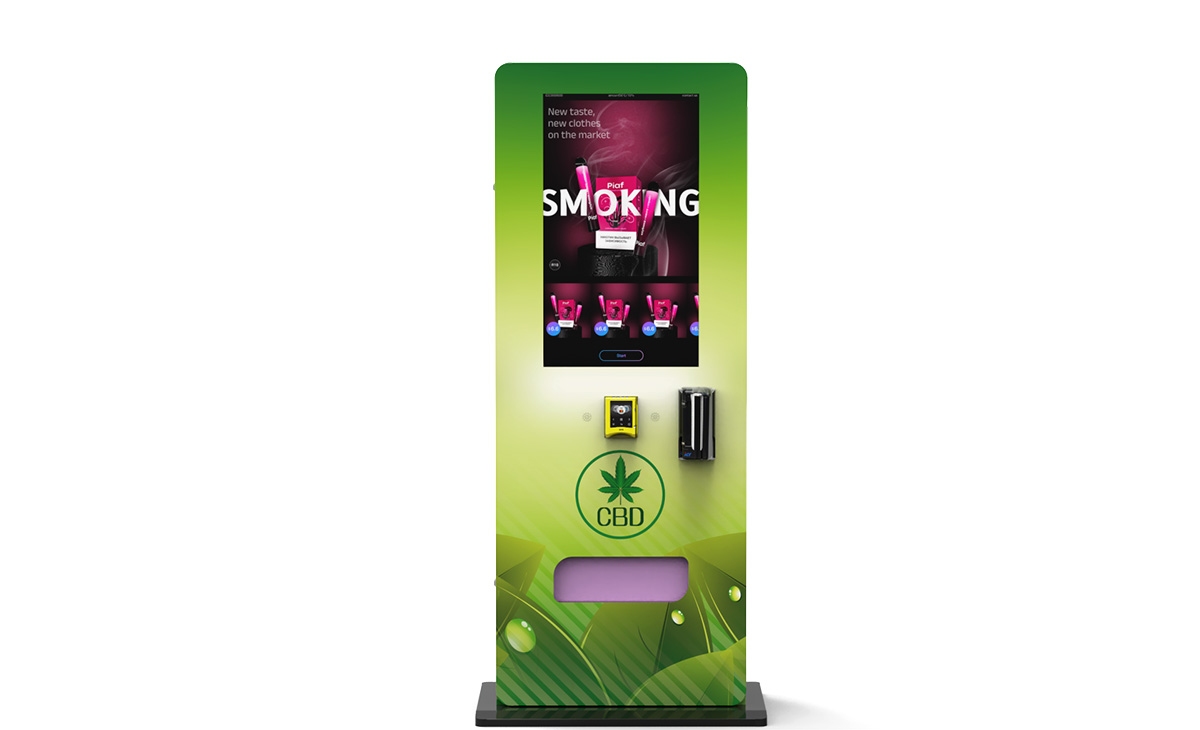
Look for locations with at least 100 to 150 people passing by daily. Offices, factories, and co-working spaces are solid. Schools and hospitals can work, but they often have strict procurement rules or require commission-sharing agreements.
One mistake I made early in my career was placing a machine in a newly opened retail arcade that looked promising but had low actual footfall. The machine sat there for six months before I moved it. That was a costly lesson in not trusting developer promises.
Machine Specifications and Build Quality
Not all wall vending machines are built the same. I have tested units from several manufacturers, and the differences in reliability, energy efficiency, and ease of restocking are significant. Cheaper machines often use lower-grade compressors, flimsy delivery trays, and basic payment systems that break down within a year.
When evaluating a wall vending machine for sale, check the following:
- Cooling system type and energy rating
- Material thickness of the cabinet
- Type of payment system (cash, card, mobile)
- Ease of loading and cleaning
- Warranty terms and spare parts availability
I have found that manufacturers like Zhongda Smart offer solid mid-range options with reliable cooling and modern payment integrations. They are not the cheapest, but they avoid the common failure points I see in budget units.
Payment Systems and Connectivity
In 2025, a vending machine that only accepts cash is a liability. Most customers in Europe and North America expect to pay by card or mobile wallet. Machines with telemetry systems that report sales and inventory in real time give you a significant operational advantage.
I recommend machines with at least NFC and contactless card support. Some newer models also support QR code payments, which are popular in certain markets. Connectivity via 4G or Wi-Fi is essential for remote monitoring.
One underrated feature is the ability to adjust pricing remotely. I have used this to test different price points for energy drinks versus bottled water, and the data helped me increase per-transaction revenue by about 15%.
Cost Breakdown: What You Actually Pay
Let me give you a realistic breakdown based on what I have seen across dozens of deployments. These figures are estimates from my own operations and discussions with other operators, not official industry averages.
| Cost Category | Low End (€) | Mid Range (€) | High End (€) |
|---|---|---|---|
| Machine purchase (new) | 1,500 | 3,500 | 6,000 |
| Installation and setup | 200 | 400 | 800 |
| Payment system upgrade | 300 | 600 | 1,200 |
| Initial product stock | 300 | 600 | 1,000 |
| Annual maintenance | 200 | 400 | 700 |
| Electricity per year | 150 | 300 | 500 |
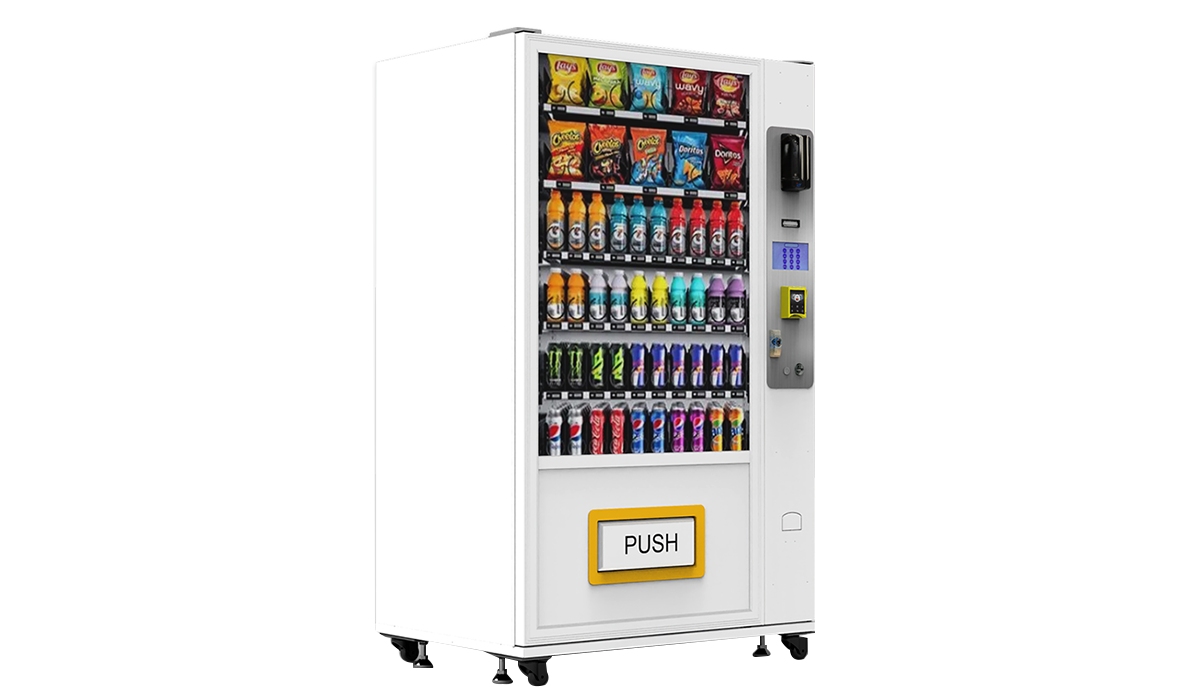
A mid-range wall vending machine for sale with card payment support and telemetry will cost you around €3,500 to €4,000 all-in. If you buy used, you can cut that by 40%, but expect higher maintenance costs.
According to IBISWorld, the average profit margin for vending machine operators in the UK is around 8% to 12% after all costs. That number rises significantly if you own the machine and manage operations yourself.
How to Choose a Supplier or Manufacturer
I have worked with suppliers from China, Italy, Germany, and the US. The most important factor is not the price of the machine, but the support you get after the sale. A wall vending machine for sale from a supplier who cannot ship spare parts quickly will cost you weeks of lost revenue.
Here is what I look for in a supplier:
- Clear warranty terms (at least 12 months on mechanical parts)
- Availability of spare parts in your country
- Responsive technical support
- Options for customization (color, branding, payment system)
- References from other operators
I have personally used units from Zhongda Smart for several installations in office buildings. Their machines are well-built, and their after-sales support has been reliable. They also offer configurable payment modules, which saves you the hassle of retrofitting later.
Avoid suppliers who cannot provide clear documentation on energy consumption or who pressure you into paying the full amount upfront without a detailed contract.
Common Mistakes New Operators Make
Buying the Cheapest Machine
I see this all the time. A beginner finds a wall vending machine for sale for under €1,000, buys it, and then spends twice that on repairs within the first year. Cheap machines often have unreliable cooling systems, flimsy coin mechanisms, and poor insulation. You end up losing money on spoiled products and service calls.
Ignoring the Location Agreement
Some operators assume they can place a machine anywhere. In reality, you need a written agreement with the property owner or manager. I have seen machines removed within weeks because the operator did not have a signed contract. Always clarify commission terms, electricity access, and who handles cleaning.
Overloading with Products
New operators often stock too many different items, which leads to slow turnover and expired products. Start with 15 to 20 best-selling SKUs and expand only after you see what moves. I track sales data weekly and adjust based on what sells fastest.
Neglecting Machine Hygiene
A dirty machine is a revenue killer. Customers notice sticky buttons, dusty trays, and unpleasant smells. I clean my machines every two weeks and do a deep clean monthly. This simple habit has kept my machines in high-traffic locations for years without complaints.
Best Locations for Wall Vending Machines
Based on my experience and discussions with other operators, the following locations offer the best return on investment for a wall vending machine for sale:
- Office buildings with 100+ employees
- Hotel lobbies and corridors
- Gyms and fitness centers
- Co-working spaces
- Small retail stores with limited staff
- Hospital waiting areas (with permission)
- Industrial facilities and warehouses
Avoid locations with existing vending contracts, extremely low foot traffic, or where the property manager expects a high commission percentage (above 15%). I once walked away from a promising site that wanted 25% of gross sales. That margin would have made the machine unprofitable.
How to Evaluate a Specific Machine for Investment
Before you commit to any wall vending machine for sale, run through this checklist:
- What is the expected monthly foot traffic at the target location?
- What is the average transaction value for similar products in that area?
- What is the total installed cost of the machine?
- What are the estimated monthly costs (electricity, restocking, maintenance)?
- How many months to break even based on conservative sales estimates?
If the payback period exceeds 30 months, I would reconsider. I aim for 18 months or less on any new machine. That gives me enough margin to move the machine if the location underperforms.
I also recommend testing the machine with a small stock for the first month. Track sales, note which items sell out first, and adjust. This trial period tells you more than any spreadsheet.
Maintenance and Repair Considerations
Even the best machines break down. When you buy a wall vending machine for sale, ask the supplier about common failure points. For example, some machines have delivery flaps that jam frequently. Others have cooling units that struggle in hot environments.
I keep a small inventory of spare parts for each machine I operate: a spare payment board, a few delivery motors, and a basic tool kit. This has saved me weeks of downtime waiting for parts to ship.
If you are not comfortable with basic repairs, budget for a local technician who services vending machine repair needs. Rates in Europe typically range from €50 to €100 per hour. I recommend finding someone before you need them.
Self-Operate vs. Lease vs. Revenue Share
There are three common ways to get a machine into a location:
- Self-operate: You buy the machine, stock it, and keep all revenue. Highest profit potential but most work.
- Lease: You pay a monthly fee to use someone else's machine. Lower risk but also lower margins.
- Revenue share: A third party places and manages the machine, and you split the profit. Good for hands-off operators but you lose control.
For beginners, I recommend starting with self-operation on a single machine. It teaches you the business from the ground up. Once you understand the rhythms of restocking, customer preferences, and maintenance, you can scale.
Final Thoughts from a Decade in the Business
The wall vending machine for sale market has matured significantly over the past ten years. Machines are more reliable, payment systems are more flexible, and telemetry makes remote management possible. But the fundamentals have not changed: location, product selection, and consistent maintenance determine whether you make money or lose it.
I have seen operators succeed with a single machine in a small office and fail with ten machines in high-rent locations. The difference is always in the details: how well you know your site, how quickly you respond to problems, and how honest you are about your costs.
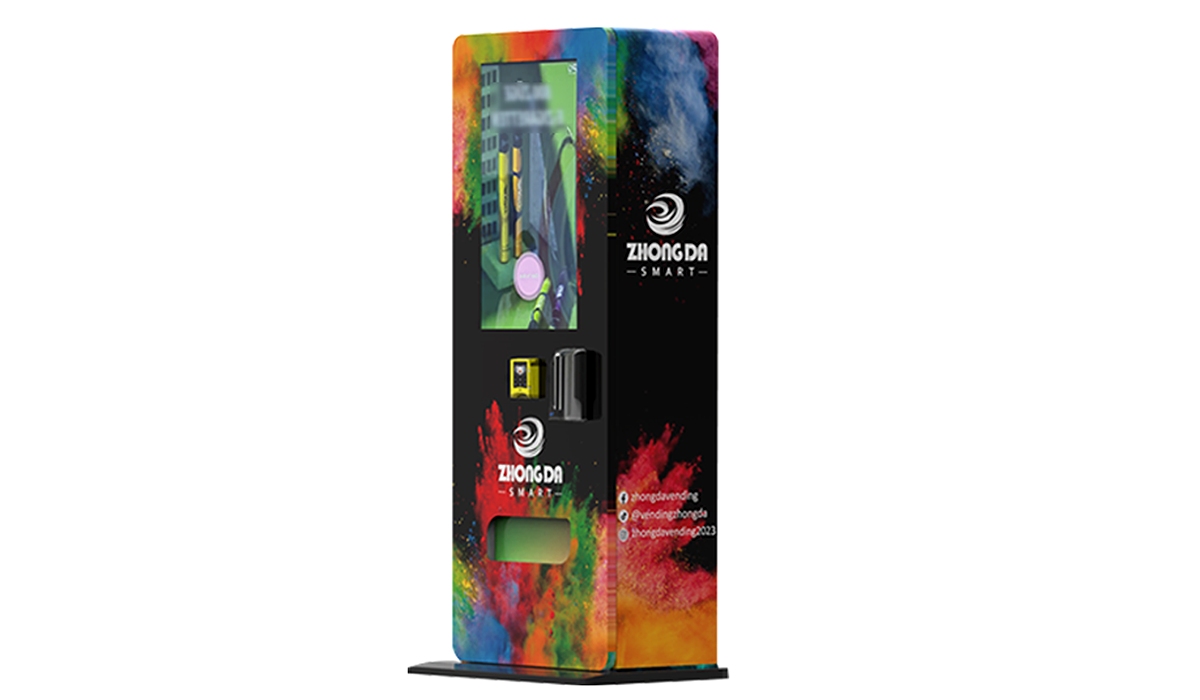
If you are considering this business, start small, test thoroughly, and choose a supplier who stands behind their equipment. A machine that works reliably for years is worth more than a cheap unit that causes constant headaches.
Frequently Asked Questions
Are wall vending machines profitable?
Yes, if placed in a location with consistent foot traffic and stocked with high-margin products. Monthly revenue typically ranges from €300 to €800 per machine, with gross margins between 40% and 60%.
How much does a wall vending machine cost?
A new mid-range machine with card payment and telemetry costs between €3,000 and €4,500. Used machines can be found for under €2,000 but may require more maintenance.
How long does it take to break even?
Based on my experience, a well-placed machine pays for itself in 12 to 24 months. If the payback period exceeds 30 months, the location or machine choice likely needs re-evaluation.
Should a beginner buy or lease?
Buying gives you full control and higher margins. Leasing reduces upfront risk but limits profit. I recommend buying one machine to learn the business before scaling.
Where should I place a wall vending machine?
Offices, gyms, hotels, co-working spaces, and industrial facilities are solid choices. Avoid locations with low foot traffic, existing vending contracts, or high commission demands.
What permits do I need?
Requirements vary by country and city. In most European locations, you need a business license and possibly a food handling permit if selling perishable items. Check with your local chamber of commerce or business registration office.
How do I choose a supplier?
Look for clear warranty terms, spare parts availability, and responsive technical support. I have had good experiences with Zhongda Smart for mid-range machines with modern payment options.
What happens if the machine breaks?
Keep basic spare parts on hand and have a local technician who handles vending machine repair. Remote monitoring helps you catch issues early before they cause extended downtime.
How can I reduce restocking and maintenance costs?
Use telemetry to track sales and plan restocking routes efficiently. Clean machines regularly to prevent mechanical issues. Stock fewer, faster-moving items to reduce waste and labor.
本文更新于 2025 年 5 月。数据来源包括个人运营经验、Statista 行业报告以及 IBISWorld 市场分析。具体收益和成本会因地点、产品种类和运营效率而有所不同。本文不构成财务建议,投资前请自行评估。