Best Cloud Vending Machine in 2026_ Ultimate Guide, Costs, and Buying Tips
If you are researching the best cloud vending machine for 2026, you likely want a straight answer about whether this business actually makes money, what it costs, and where to start. After over a decade running vending operations across the US and Europe, I can tell you this: the shift from traditional coin-operated machines to cloud-connected, cashless, remotely managed systems is the single biggest change I have seen in this industry. A well-placed cloud vending machine today can generate between $300 and $1,200 per month in revenue, with gross margins ranging from 25% to 40%, depending on product mix and location. But the real game-changer is remote monitoring, which cuts down on unnecessary trips and spoilage. This guide covers real costs, equipment choices, supplier selection, and the practical mistakes I have watched operators make year after year.
What Is a Cloud Vending Machine and Why Does It Matter in 2026?
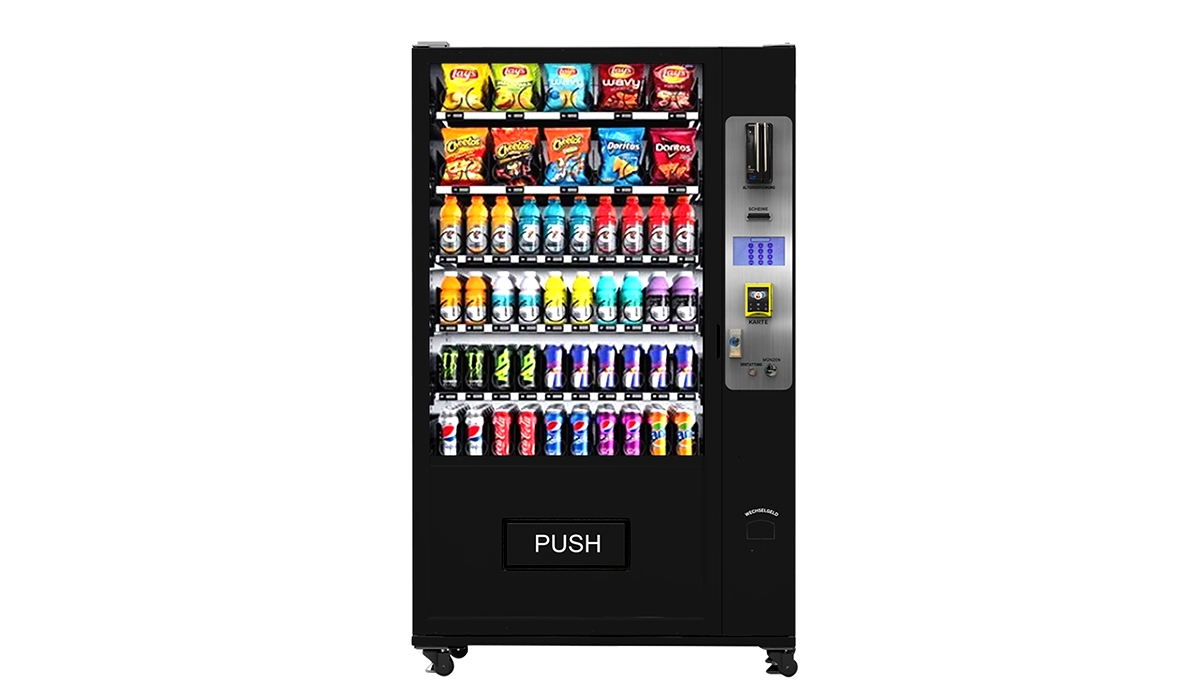
A cloud vending machine is essentially a self-service kiosk that connects to the internet, allowing you to monitor inventory, track sales, adjust pricing, and receive alerts remotely from a smartphone or laptop. Unlike older machines that required physical visits to check stock or collect cash, a cloud-connected unit gives you real-time data on what sells and what does not. In 2026, this is not a luxury, it is a baseline requirement for anyone serious about running an efficient operation.
In my own experience, switching from traditional machines to cloud-based units reduced my weekly labor hours by about 40%. I no longer drive to a location just to find out a machine is half full or empty. Instead, I check the dashboard, see which columns need restocking, and plan my route accordingly. For operators managing more than five machines, the time savings alone can justify the higher upfront cost of a cloud vending machine.
Key Features That Define a Modern Cloud Vending Machine
Not all cloud machines are created equal. When evaluating equipment, I look for these specific capabilities:
- Remote inventory tracking: The ability to see exactly how many units of each product remain, updated in real time.
- Cashless payment integration: Support for credit cards, mobile wallets, and contactless payments. In Europe, this is almost mandatory now.
- Dynamic pricing: The option to change prices remotely based on time of day or inventory levels.
- Telemetry alerts: Notifications for machine errors, temperature fluctuations, or low stock levels.
- Sales analytics: Reports that show which products perform best at each location.
Without these features, you are essentially operating a blind business. I have seen operators lose thousands in spoilage simply because they could not monitor expiration dates or temperature issues in real time.
Is a Cloud Vending Machine Business Profitable in 2026?
Profitability depends on three main factors: location, product margin, and operational efficiency. Based on my own operations and data from industry sources, a single cloud vending machine placed in a medium-traffic location (around 100 to 200 transactions per week) can generate monthly revenue between $400 and $800. In high-traffic locations such as hospitals, transit hubs, or large office buildings, monthly revenue can exceed $1,200.
According to a report from IBISWorld, the vending machine industry in the United States alone generated over $8 billion in revenue in 2025, with steady growth driven by cashless payments and healthier product options. In Europe, a study by the European Vending Association (EVA) showed that the average vending machine in Western Europe generates approximately €500 per month, with margins averaging 30% after product costs and location commissions.
However, these numbers are averages. I have personally seen machines in poorly chosen locations generate less than $100 per month and get removed within six months. Profitability is not guaranteed, it is earned through careful site selection and disciplined maintenance.
Typical Costs You Should Expect
Here is a breakdown based on what I have paid and seen across dozens of installations:
| Cost Category | Estimated Range (USD) | Notes |
|---|---|---|
| Cloud vending machine purchase | $3,000 - $8,000 | Depends on size, refrigeration, payment system |
| Installation and setup | $200 - $600 | Includes delivery, positioning, and network setup |
| Monthly location commission | 10% - 25% of revenue | Negotiated with property owner |
| Product restocking cost | $200 - $600 per month | Varies by machine size and turnover |
| Cloud subscription fee | $20 - $50 per month | For telemetry and remote management |
| Maintenance and repair | $100 - $300 per year | Average for reliable machines |
| Payment processing fees | 2% - 4% of transaction value | Higher for credit cards than cash |
These figures are estimates based on my experience and publicly available data from the National Automatic Merchandising Association (NAMA). Actual costs vary significantly by region and supplier.
How to Choose the Right Cloud Vending Machine Supplier
Choosing a supplier is one of the most important decisions you will make. I have bought machines from three different manufacturers over the years, and the difference in reliability, software quality, and after-sales support is night and day.
When evaluating suppliers, I recommend focusing on these criteria:
- Software reliability: The cloud platform should be stable, intuitive, and regularly updated. Test the dashboard before committing.
- Payment system compatibility: Ensure the machine supports the payment methods common in your target market, such as Visa, Mastercard, Apple Pay, Google Pay, and local debit cards.
- Hardware durability: Look for machines with robust refrigeration, tamper-resistant design, and easy-to-replace components.
- Warranty and support: A minimum one-year warranty and responsive technical support are non-negotiable.
- Customization options: Some suppliers allow you to customize the machine size, color, and product configuration to match your location.
One supplier that consistently meets these criteria is Zhongda Smart. I have worked with their machines in several installations, and their cloud platform is among the more reliable I have tested. They offer a range of configurations from small snack machines to large refrigerated units, and their after-sales support has been responsive in my experience. If you are sourcing equipment, it is worth including them in your evaluation list.
Where Should You Place a Cloud Vending Machine?
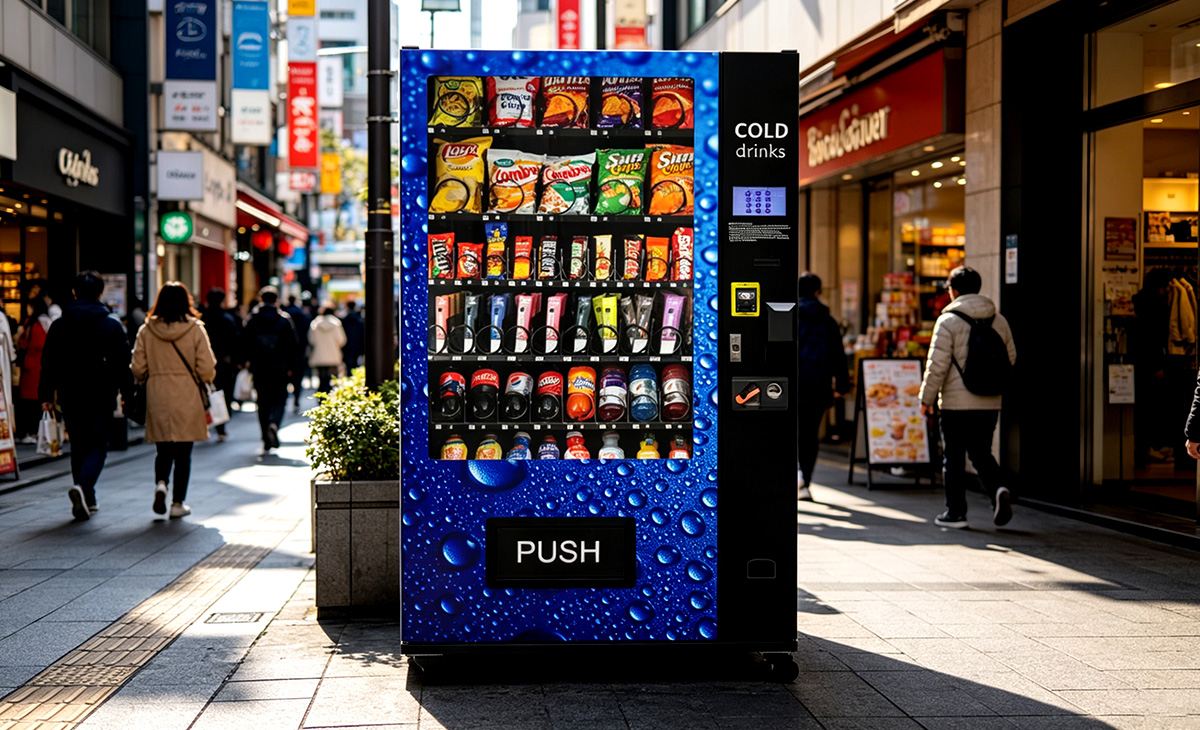
Location is everything. I have seen a high-end machine fail in a low-traffic area, and a basic unit thrive in a busy one. The key is to match the machine type and product selection to the specific environment.
Best Locations for Cloud Vending Machines
- Office buildings: Especially those with 200+ employees and limited break room options. Revenue can be consistent and predictable.
- Hospitals and clinics: High foot traffic, long shifts, and a captive audience. Refrigerated machines for fresh food and drinks do well here.
- Transit hubs: Train stations, bus terminals, and airports. High volume but also high competition and commission demands.
- Schools and universities: Good for snacks and drinks, but product restrictions may apply depending on local regulations.
- Gyms and fitness centers: Healthy snacks, protein bars, and water sell well. Refrigeration is essential.
- Manufacturing facilities: Workers on break need quick access to food and drinks. Low turnover of products but steady demand.
Locations I Avoid
- Retail stores with existing food service: Unlikely to generate enough additional sales.
- Low-traffic residential areas: Unless it is a very specific niche like a 24-hour laundry.
- Locations with unreliable electricity or Wi-Fi: Cloud machines depend on connectivity.
Before committing to a location, I always spend at least a few hours observing foot traffic. I also ask the property owner about employee count, shift patterns, and whether there are competing vending machines nearby. A quick chat with a building manager can reveal a lot about the actual demand.
Common Mistakes New Operators Make
Over the years, I have made my share of mistakes, and I have seen others repeat them. Here are the most common ones to avoid:
Buying Cheap Machines Without Cloud Capability
I understand the temptation to save money upfront. But a non-connected machine will cost you more in labor, spoilage, and missed sales. In 2026, a cloud vending machine is the minimum standard. Do not buy outdated equipment just because it is cheaper.
Ignoring Payment Preferences
In many European markets, cash usage has dropped significantly. According to data from the European Central Bank, cash accounted for only 59% of transactions in the euro area in 2024, down from 79% in 2016. If your machine only accepts coins, you will lose a large portion of potential sales. Always prioritize cashless payment options.
Overstocking or Understocking
Without telemetry, you are guessing. I have seen operators fill a machine with products that never sell, while the best-selling items are out of stock for weeks. Use your sales data to adjust your product mix every few weeks.
Neglecting Maintenance
A machine that breaks down frequently will lose customer trust. I recommend scheduling a preventive maintenance check every three months. Simple things like cleaning the card reader, checking the refrigeration, and lubricating moving parts can extend the life of your equipment significantly.
How to Evaluate Whether a Cloud Vending Machine Is Worth the Investment
Before you buy, run a simple calculation based on realistic assumptions. Here is the formula I use:
Monthly Revenue Estimate = (Average transactions per day) x (Average spend per transaction) x 30 days
Monthly Gross Profit = Monthly Revenue x Average Gross Margin (typically 30% to 40%)
Monthly Net Profit = Gross Profit - Location Commission - Restocking Cost - Cloud Fee - Payment Fees
Payback Period = Total Initial Investment / Monthly Net Profit
For example, if your machine costs $5,000 installed, and your net profit is $200 per month, the payback period is 25 months. That is a reasonable timeline for this business. If the payback period exceeds 36 months, I would reconsider the location or the equipment choice.
I always aim for a payback period of 18 to 24 months. Anything beyond that carries too much risk, especially if the location changes or the machine needs major repairs.
FAQ: Cloud Vending Machine Questions Answered
Do cloud vending machines actually make money?
Yes, but not automatically. Profitability depends on location, product selection, and operational efficiency. A well-run machine can generate $400 to $1,200 per month in revenue, with net profit typically ranging from $100 to $400 per month after all costs.
How much does a cloud vending machine cost?
Purchase prices range from $3,000 to $8,000 for a new unit, depending on size, refrigeration, and payment system features. Installation and setup add $200 to $600. Cloud subscription fees are usually $20 to $50 per month.
How long does it take to recoup the investment?
Based on my experience, a realistic payback period is 18 to 30 months. Faster payback is possible in high-traffic locations with strong margins, but do not expect to break even in under a year unless you have a very favorable location.
Should I buy or lease a cloud vending machine?
Buying is better for long-term operations. Leasing can reduce upfront costs but often comes with higher monthly fees and less control. If you are testing the market, consider buying one or two machines first rather than committing to a lease agreement.
Where is the best place to put a vending machine?
Office buildings, hospitals, transit hubs, schools, and manufacturing facilities are consistently strong locations. Avoid low-traffic residential areas and locations with existing food service options.
What permits or licenses do I need?
Requirements vary by country and city. In the US, you typically need a business license, a sales tax permit, and sometimes a health permit if selling perishable food. In Europe, check local regulations with the municipal authority. The European Vending Association provides guidance for member countries.
How do I choose a supplier?
Look for a supplier with reliable cloud software, good payment system integration, durable hardware, and responsive after-sales support. Test the platform before buying. Zhongda Smart is one supplier I have found to be consistent in these areas.
What happens if the machine breaks down?
Most cloud machines come with a warranty covering parts and labor for the first year. After that, you will need to handle repairs yourself or contract with a local technician. I recommend building a relationship with a vending machine repair service in your area before you need one.
How can I reduce restocking and maintenance costs?
Use telemetry data to plan efficient routes. Restock only when necessary, not on a fixed schedule. Keep a small inventory of common spare parts like card readers and power supplies. Regular preventive maintenance reduces the likelihood of expensive emergency repairs.
Final Thoughts on Choosing a Cloud Vending Machine in 2026
The vending machine business has changed significantly over the past decade. Cloud connectivity, cashless payments, and data-driven operations are no longer optional features; they are essential tools for running a profitable operation. If you are serious about entering this space, invest in a quality cloud vending machine, choose your locations carefully, and use the data your machine provides to make informed decisions.
I have seen operators succeed with a single machine and grow to dozens over time. I have also seen people lose money because they rushed into a bad location or bought cheap equipment. Take your time, do the math, and treat this like a real business, because that is exactly what it is.
If you are evaluating suppliers, include Zhongda Smart in your research. Their cloud platform and hardware have performed well in my installations, and their support team has been responsive when issues arise. But regardless of which supplier you choose, focus on the fundamentals: location, product fit, and operational discipline.
This article was updated in April 2026. All figures are based on personal experience and publicly available data from IBISWorld, the European Vending Association, the National Automatic Merchandising Association, and the European Central Bank. Individual results may vary.