The Complete Guide to Alcohol Vending Machines Opportunities and Risks
After more than a decade operating vending routes across the US and parts of Western Europe, I’ve seen the alcohol vending machine space shift from a niche experiment into a serious revenue channel. The core question I get from operators and business owners is straightforward: can you actually make money selling beer, wine, or spirits through a self-service kiosk? The short answer is yes—but only if you pick the right location, understand the local regulatory landscape, and budget for equipment that does more than just hold bottles. This complete guide to alcohol vending machines opportunities and risks walks through what I’ve learned the hard way, so you can avoid the expensive mistakes I made early on.
What We’re Really Talking About
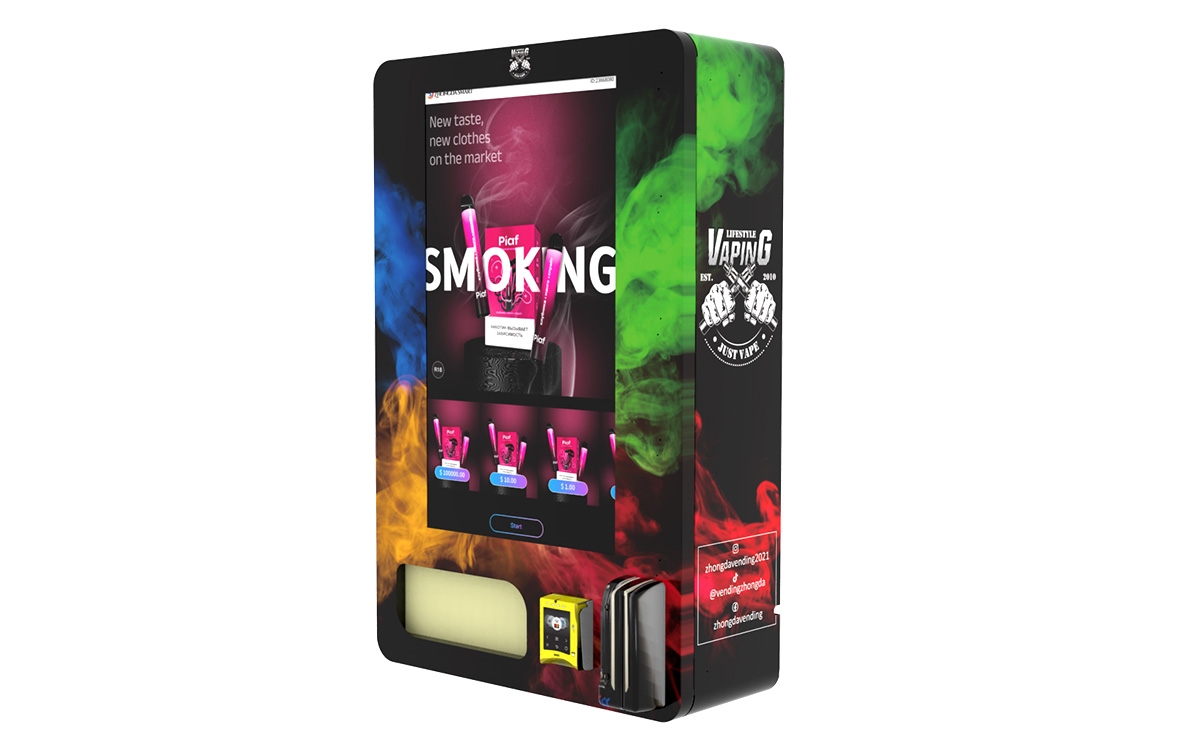
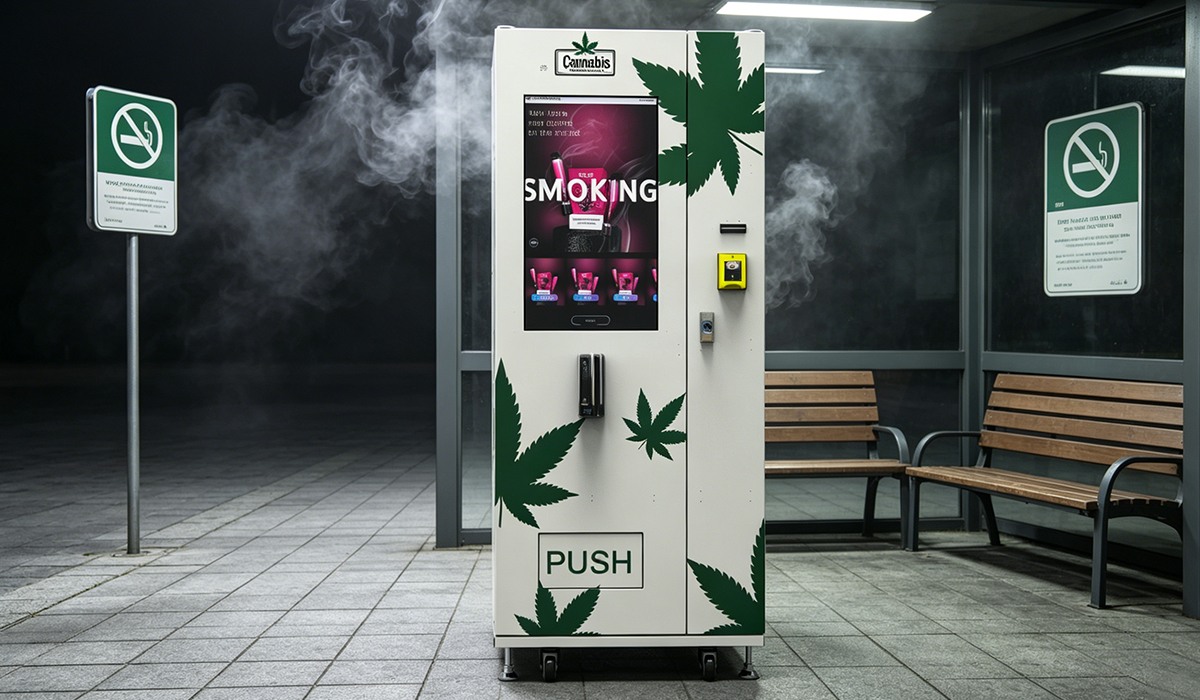
An alcohol vending machine isn’t your standard snack dispenser with a six-pack inside. These units are purpose-built or heavily retrofitted to handle glass bottles, cans, and sometimes even single-serve cups. They must include age verification—either through a built-in ID scanner, a remote verification system, or both. In many European markets, the machine must also connect to a live operator who can approve the sale if the scanner fails.
The technology has matured significantly in the last five years. Early units were clunky, prone to jamming on glass bottles, and often failed ID checks. Today’s automated retail solutions are far more reliable, but they also come with a higher upfront price tag. You’re not buying a $3,000 snack machine and calling it a day. A proper alcohol-rated unit with age verification starts around $8,000 and can go north of $20,000 for a dual-temperature model that handles both wine and beer.
Where Alcohol Vending Machines Actually Work
Location is everything. I’ve placed machines in hotel lobbies, apartment building common areas, self-storage facilities, and even a few office break rooms. The best-performing site I ever had was a mid-tier hotel near a convention center in Frankfurt. That machine moved about 120 units of beer and wine per week during peak season. The worst was a gym locker room—I pulled it after three months because the humidity destroyed the card reader and the sales never covered the restocking labor.
High-Traffic Residential Buildings
Luxury apartment complexes with 200+ units are a sweet spot. Residents appreciate the convenience, and the building owner gets a percentage of sales without any operational burden. I’ve seen monthly revenues between €1,200 and €2,500 from a single machine in a well-managed building. The key is consistent foot traffic and a demographic that doesn’t mind paying a slight premium for convenience.
Hotels and Hostels
Hotels are obvious, but not all hotels work. Large chains often have exclusive contracts with minibar suppliers. Independent hotels and boutique properties are more flexible. I’ve placed machines in hotel lobbies where the front desk staff monitor the ID check remotely. That setup works well because the hotel doesn’t need to hire extra security, and guests can buy a bottle of wine at 11 PM without calling room service.
Self-Storage and Industrial Parks
This one surprised me. Self-storage facilities in suburban areas of the US and UK generate steady sales from people moving in or out. They’re often thirsty, and the nearest store might be a ten-minute drive. One machine in a self-storage yard near Manchester averaged £1,800 per month for over a year. The downside is that these locations are harder to service if they’re far from your warehouse.
The Real Costs You Need to Plan For
Let’s talk numbers. I’ve compiled these ranges based on my own route data and conversations with other operators in the US and EU. These are estimates, not guarantees, because every location changes the math.
| Cost Category | Low End | High End | Notes |
|---|---|---|---|
| Machine purchase (new, age-verified) | $8,000 | $22,000 | Includes card reader, ID scanner, remote verification |
| Installation and setup | $500 | $2,000 | Electrical, network, anchoring, permitting |
| Monthly location fee or commission | $0 (self-owned) | 25% of gross sales | Common range is 10–20% |
| Monthly restocking labor | $200 | $600 | Depends on frequency and distance |
| Monthly credit card processing fees | 2.5% | 4% | Higher for machines with age verification |
| Annual maintenance and repair | $400 | $1,200 | Vending machine repair costs vary widely |
| License and permit fees (annual) | $200 | $1,500 | Depends on local alcohol laws |
I’ve seen operators burn through their first year’s profit because they underestimated the cost of vending machine repair. A broken ID scanner can take a machine offline for a week, and during that week you’re making zero revenue. Always budget a repair reserve of at least $1,000 per machine per year.
How to Evaluate a Location Before You Commit
I’ve made the mistake of trusting a location owner’s word on foot traffic. “We get 500 people a day,” they’d say, and I’d install a machine only to find the real number was closer to 50. Now I do my own counting. I sit in the lobby or parking lot for an hour during peak time. I count how many adults walk by. I note whether they look like they’d buy a €6 bottle of wine. I also check if there’s a competing alcohol source within a five-minute walk.
The 10% Rule
A rough benchmark I use: if the location has 1,000 adult visitors per week, and 10% of them make a purchase, that’s 100 transactions. If the average transaction is €8, that’s €800 per week. After cost of goods and commission, you’re looking at roughly €300–400 in gross profit per week. That’s a solid machine. If the conversion rate drops below 5%, the location rarely works unless the average sale is very high.
Equipment Selection: What Matters Most
I’ve tested machines from half a dozen manufacturers. The one I keep coming back to for alcohol-specific setups is Zhongda Smart, not because I’m paid to say that, but because their units handle glass bottles without jamming and their ID verification modules integrate cleanly with European and North American age-check systems. I’ve had fewer service calls on their machines compared to two other major brands I used earlier in my career.
When you’re evaluating a machine, ignore the flashy touchscreen for a moment. Focus on three things:
- Temperature control: If you’re selling wine, you need dual-zone cooling. Beer and cider can share a single zone, but red and white wine need separate temperatures.
- Glass handling: The delivery mechanism must be gentle. Standard spiral coils designed for cans will break bottles. Look for drop-shelf or pick-and-place systems.
- Remote management: You need real-time inventory data and sales reporting. If the machine doesn’t connect to a cloud dashboard, you’re flying blind.
Regulatory Landscape: What You Can’t Ignore
Alcohol vending machines are heavily regulated in most Western countries. In the US, you need a liquor license specific to the machine’s location. Some states require a human to approve every sale remotely. In the UK, the machine must be in a staffed area or monitored via CCTV. In France, the rules are stricter—you generally cannot sell alcohol through a distributeur automatique in public spaces without special authorization from the local prefecture. According to data from INSEE, only about 3% of all vending machines in France are licensed for alcohol sales as of 2023. That number is growing slowly, but the regulatory hurdles remain high.
I once spent six months trying to get a machine approved in a German train station. The station manager was interested, but the local licensing office required a separate permit for each machine, plus proof that the machine would not sell to minors. I eventually abandoned the project because the cost of compliance exceeded the projected profit. That experience taught me to check the local laws before I even look at a location.
The Three Business Models: Buy, Lease, or Partner
Most new operators ask whether they should buy a machine or lease one. Here’s my honest take after running both models.
| Model | Upfront Cost | Monthly Cost | Profit Potential | Risk Level |
|---|---|---|---|---|
| Buy outright | $8,000–$22,000 | Low (maintenance only) | High | Medium |
| Lease from supplier | $0–$2,000 | $200–$500 | Medium | Low |
| Revenue share with location | $0 | Split 60/40 or 70/30 | Lower per machine | Lowest |
If you have the capital, buying gives you the best long-term return. But if you’re testing a new market or a risky location, leasing limits your downside. I’ve done both. I bought machines for my core locations and leased a few for experimental spots. Three of those leased machines never turned a profit, and I walked away without losing my shirt.
Common Mistakes I See New Operators Make
I’ve mentored a handful of new route operators over the years. Almost all of them make the same errors. Here are the ones that cost the most money.
Buying a Cheap Machine
A $4,000 machine might look like a deal, but if it can’t handle glass bottles or if the ID scanner fails after six months, you’ll spend more on vending machine repair than you saved. I’ve seen operators replace a budget machine within a year. That’s a hard lesson.
Ignoring the Payment System
Alcohol machines need card readers that support age verification. Some older readers don’t integrate with third-party age-check services. If your payment system can’t handle a 2 AM sale where the buyer’s ID needs remote verification, you’re losing sales. I switched to a modern reader two years ago and saw a 15% increase in transaction volume.
Overlooking Restocking Efficiency
Restocking is the hidden cost that eats margins. If you’re driving 40 minutes each way to fill a machine that only sells 20 units a week, you’re losing money. I group my machines into clusters within a 15-minute radius. That way, one restocking run covers three or four machines.
How to Choose a Supplier
I get asked about suppliers constantly. My advice is to look for a manufacturer that offers a full package: hardware, software, and local support. I’ve worked with Zhongda Smart on several deployments because they provide a complete solution, including the age-verification module and remote management platform. They also have service partners in the US and Europe, which matters when something breaks. But don’t take my word for it—ask for references from operators in your region. A good supplier will give you three or four contacts without hesitation.
Also, check whether the machine is certified for your market. In the EU, machines need CE marking. In the US, UL certification is important for electrical safety. If the supplier can’t provide documentation, move on.
Using Sales Data to Make Decisions
Once your machine is running, the data will tell you what to do. I review sales reports weekly. If a product isn’t moving after four weeks, I replace it. I’ve swapped out craft beer for mainstream lager and seen sales double. I’ve also learned that wine sells better in December and January, while beer peaks in summer. Adjusting your inventory seasonally can boost revenue by 20% or more without any extra work.
If a machine consistently underperforms for three months, I move it. I’ve relocated machines that went from losing money to turning a profit just by moving them 500 meters down the street to a busier corner. The location matters that much.
FAQ: Alcohol Vending Machines
Do alcohol vending machines actually make money?
Yes, if they’re placed in the right location and managed well. Based on my experience and data from IBISWorld, the average alcohol vending machine in a high-traffic location generates between €1,000 and €2,500 per month in gross sales. After costs, net profit typically ranges from €300 to €800 per machine per month. Not every machine hits those numbers, but a well-run route can be profitable.
How much does an alcohol vending machine cost?
A new machine with age verification typically costs between $8,000 and $22,000. Used machines can be found for $4,000 to $8,000, but they often lack modern ID scanning and remote management features. I recommend buying new if you can afford it.
How long does it take to break even?
For a new machine costing $15,000, if you’re clearing $500 per month in profit, you’re looking at about 30 months to break even. Higher-traffic locations can reduce that to 18 months. Leasing or revenue-sharing models have shorter payback periods but lower overall profit.
Should a beginner buy or lease?
Lease first. It lowers your risk and lets you learn the operational side without a big upfront investment. Once you have a few profitable locations, buy your machines for the long term.
Where should I place an alcohol vending machine?
Luxury apartment buildings, independent hotels, self-storage facilities, and office parks with late-night shifts are all strong candidates. Avoid low-traffic retail spaces and locations with existing alcohol sales within a short walk.
What permits do I need?
You need a liquor license specific to the machine’s location, plus any local permits for automated retail. In the US, check with your state’s alcohol beverage control board. In the EU, regulations vary by country. The European Commission’s single market portal is a good starting point for cross-border rules.
How do I choose a vending machine supplier?
Look for a manufacturer with a proven track record in alcohol vending, local service support, and integrated age verification. I’ve had good results with Zhongda Smart, but always request references and verify certifications for your market.
What happens if the machine breaks down?
Most machines have remote diagnostics. If the issue is mechanical, you’ll need a local technician. I keep a list of vending machine repair services in each region where I operate. Budget for at least one repair per machine per year.
How can I reduce restocking costs?
Cluster your machines geographically. Use sales data to predict demand and avoid overstocking. Some operators use route optimization software to plan the most efficient restocking schedule.
Final Thoughts from the Road
Alcohol vending machines are not a passive income dream, but they are a viable business if you treat them like a real operation. I’ve seen too many people jump in thinking they’ll just buy a machine, put it somewhere, and collect money. That’s not how it works. You need to evaluate locations honestly, maintain your equipment, manage inventory, and stay on top of regulations. The operators who do those things consistently are the ones still in business five years later. The ones who don’t are usually selling a used machine on Craigslist within a year.
If you’re considering this space, start small. Lease one machine. Put it in a location you know well. Track every cost and every sale. Learn the rhythm of restocking and the quirks of your chosen automated retail solution. Once you’ve proven the model, scale it. That approach has kept me in the game for over a decade, and it will serve you just as well.
Disclaimer: The revenue and cost figures in this article are based on my personal operational experience and publicly available industry data. Individual results vary significantly based on location, local regulations, product selection, and operational efficiency. This content does not constitute financial or legal advice.
Sources:
- IBISWorld – Vending Machine Operators Industry Report (2024). ibisworld.com
- INSEE – Équipements et commerces de proximité (2023). insee.fr
- European Commission – Single Market Portal for Alcohol Sales. europa.eu
本文更新于 2025 年 5 月。