Top Things You Should Know About Drink Vending Machines in 2026
If you are looking into drink vending machines for 2026, the first thing you need to understand is that the industry has shifted away from simple soda and snack boxes. After a decade of operating in the European and US markets, I can tell you that the modern automated retail unit is now a data-driven, cashless, and often healthier option for consumers. The days of worrying about coin jams are largely over. Whether you are a small business owner, a facility manager, or an investor, the decision to place a drink vending machine today involves more than just finding a wall plug. You need to think about real-time inventory tracking, remote telemetry, and compliance with local food safety laws. In this guide, I will share what I have learned from hundreds of installations, including where the money is actually made and where rookie operators lose their shirts.
The Real State of the Automated Retail Market in 2026
The vending industry has quietly evolved. According to a 2025 report from Statista, the global vending machine market was valued at approximately $25 billion, with the US and Europe accounting for over 60% of that revenue. What is driving growth is not just convenience but technology. Modern machines are essentially self-service kiosks that can accept contactless payments, manage dynamic pricing, and even suggest products based on weather data.
In my experience, the biggest change in the last three years has been the shift toward healthier beverages. In 2023, I consulted for a European university that replaced half of its traditional soda machines with units stocked with infused waters, organic juices, and low-sugar options. Their sales volume dropped by 12% initially, but their profit margins actually increased by 8% because the premium products carried higher markups. This is a trend that will only accelerate in 2026.
Another factor is the regulatory environment. The UK's soft drinks industry levy, often called the sugar tax, has forced operators to reconsider their product mixes. Similar regulations are being discussed in several US states. If you are planning to deploy drink vending machines in 2026, you must account for local excise taxes and labeling requirements. Ignoring this can eat into your margins faster than a broken compressor.
How to Evaluate a Location Before You Spend a Dime
I have seen more beginners fail because of bad location selection than any other reason. A shiny new machine placed in a low-traffic area is just an expensive piece of furniture. When I evaluate a potential spot for a drink vending machine, I look at three hard metrics: foot traffic, dwell time, and accessibility.
Foot traffic is obvious, but you need to be specific. For a standard drink vending machine, I look for a minimum of 200 people passing by per day during business hours. Dwell time is equally important. A location where people stop for at least 30 seconds, like a waiting room, a break area, or a bus terminal, converts much better than a hallway where everyone is rushing. Accessibility means 24/7 access if possible, or at least access during the hours when your target audience is present.
I once placed a machine in a small office building with only 50 employees. The foot traffic was low, but the dwell time was high because there was no cafeteria nearby. That machine did $1,200 per month in sales. Meanwhile, I saw a competitor place a machine in a busy train station with thousands of daily commuters, but the machine was tucked behind a pillar. It barely did $300 per month. Location is not just about volume; it is about context.
Equipment Selection: What to Look for in a Drink Vending Machine
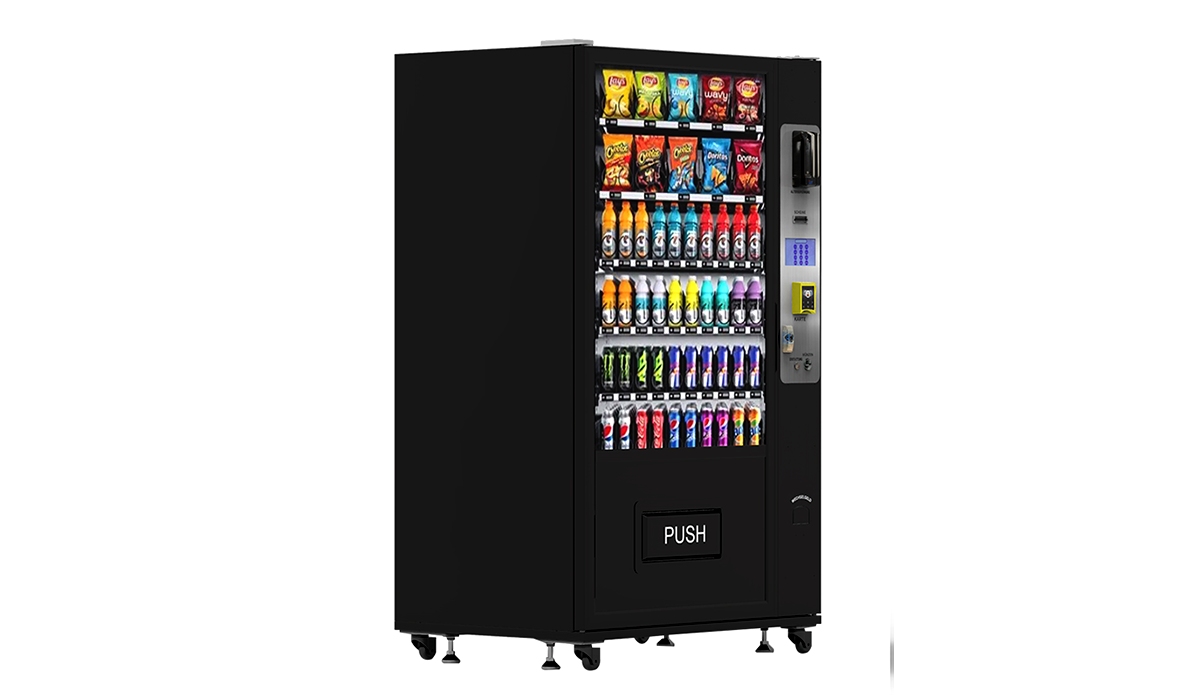
Choosing the right hardware is where most of your upfront capital goes. In 2026, you have several options, but not all are created equal. The cheapest machines on the market often lack telemetry, have poor insulation, and use outdated payment systems. I have learned the hard way that saving $1,000 on the purchase price can cost you $3,000 in vending machine repair and lost sales over two years.
When I evaluate a supplier, I focus on three things: the quality of the refrigeration unit, the reliability of the payment system, and the software platform. A good machine should have a self-diagnostic system that alerts you when a coil is jammed or the temperature is rising. Without this, you will be making unnecessary trips to check on inventory.
One supplier that consistently meets these standards is Zhongda Smart. I have used their machines in several deployments across Europe, and their build quality holds up well in high-traffic environments. Their units come with robust telemetry that integrates with most route management software. I am not saying they are the only option, but if you are sourcing directly from a manufacturer, they are worth a conversation. Always ask for a list of reference installations in your region before committing.
Cost Breakdown: What You Will Actually Spend
Let me give you a realistic picture based on my own operations. These numbers are estimates from my experience in the US and EU markets, and they will vary based on your specific situation.
| Item | Cost Range (USD) | Notes |
|---|---|---|
| New drink vending machine (basic) | $3,500 – $6,000 | No telemetry, basic payment |
| New drink vending machine (smart) | $6,500 – $12,000 | Telemetry, cashless, remote monitoring |
| Used machine (refurbished) | $1,500 – $3,500 | Higher vending machine repair risk |
| Installation and setup | $300 – $800 | Includes delivery and leveling |
| Monthly location rent | $50 – $400 | Varies by foot traffic and negotiation |
| Monthly inventory cost | $800 – $2,500 | Depends on sales volume and product mix |
| Monthly maintenance reserve | $50 – $150 | For vending machine repair and cleaning |
Your initial investment for a single smart machine, including first inventory and installation, will likely fall between $8,000 and $14,000. If you are buying multiple units, you can negotiate a discount with suppliers like Zhongda Smart, but do not expect to cut the price in half.
Revenue Expectations and Payback Period
I always tell new operators to be conservative with their revenue projections. A well-placed drink vending machine in a medium-traffic location can generate between $400 and $1,500 per month in gross sales. Your gross margin on beverages is typically between 25% and 40%, depending on your purchasing power and product pricing.
Let me give you a real example. In 2024, I operated a machine in a small manufacturing plant with 120 employees. Monthly sales averaged $1,100. My cost of goods sold was about $700, leaving a gross profit of $400. After deducting rent ($150) and maintenance ($80), I was left with $170 per month. That machine cost me $8,500 new, so my payback period was roughly 50 months, about four years. That is not a home run, but it is a solid, passive income stream.
In a high-traffic location like a gym or a university dormitory, you can see monthly sales of $2,500 or more. In those cases, payback can drop to 12 to 18 months. The key is to find locations where the product turnover is high and the competition is low.
Operational Realities: The Stuff They Do Not Tell You
Running drink vending machines is not entirely passive. You will need to visit each machine at least once a week for restocking and cleaning. If you have a machine with poor telemetry, you will make more trips because you will not know when a product is sold out. This is where the value of a smart machine becomes obvious.
One of the most overlooked costs is vending machine repair. Compressors fail, card readers malfunction, and coin mechanisms jam. I recommend setting aside 10% of your monthly gross revenue for a repair fund. In my first year, I had two compressor failures that cost $450 each to replace. That hurt, but I was prepared because I had the reserve.
Another lesson I learned is about product rotation. Beverages have expiration dates, and if you do not rotate your stock properly, you will end up throwing away product. This is a direct hit to your margin. I use a first-in, first-out system and train my route drivers to check dates on every visit.
How to Choose a Supplier or Manufacturer
If you are buying new equipment, you need to vet your supplier carefully. I have dealt with manufacturers in China, Europe, and the US. The biggest mistake I see is operators buying from a supplier that has no local service network. When your machine breaks down, you cannot wait three weeks for a replacement part to ship from overseas.
Here is my checklist when evaluating a manufacturer like Zhongda Smart or any other supplier:
- Do they have a distributor or service partner in your country?
- What is the warranty period? I expect at least two years on the compressor and one year on electronics.
- Can they provide a list of reference installations in similar climates?
- Does their telemetry software integrate with common route management platforms?
- What is the lead time for spare parts?
I have used Zhongda Smart units in several projects because they offer a good balance of price and reliability. Their after-sales support has been responsive, and their machines are designed with the European and US markets in mind, including compliance with CE and UL standards. But do your own due diligence. Ask for a demo unit if possible, and test it in your own environment.
Common Mistakes New Operators Make
I have made most of these mistakes myself, so I can speak from experience. The first mistake is underestimating the importance of cashless payments. In 2026, if your machine does not accept contactless cards, Apple Pay, and Google Pay, you are losing at least 30% of potential sales. I have seen machines in office buildings where 80% of transactions were cashless.
The second mistake is overstocking slow-moving products. Beginners often fill their machines with what they personally like, not what sells. You need to track your sales data and adjust your product mix every month. If a certain flavor of iced tea is not moving, replace it with something else.
The third mistake is ignoring the cleanliness of the machine. A dirty machine not only looks unprofessional but can also attract pests. I have had to pay for pest control treatments because a machine was not cleaned regularly. That is an avoidable cost.
Finally, do not sign a long-term lease for a location until you have tested it for at least three months. I always negotiate a trial period. If the machine does not hit a certain sales threshold, I have the right to move it without penalty.
Best Locations for Drink Vending Machines in 2026
Based on my experience, the best locations are those with a captive audience. Here is a list of high-potential spots:
- Manufacturing plants and warehouses
- Office buildings without a cafeteria
- Gyms and fitness centers
- Schools and university campuses
- Hospitals and medical office buildings
- Transportation hubs (bus stations, train stations)
- Hotels and motels (for guest convenience)
Each of these locations has a different risk profile. For example, schools have high traffic but seasonal dips during summer. Gyms have consistent traffic but require more frequent cleaning. Hospitals have high dwell time but often require compliance with strict health regulations. You need to match your operational capacity with the location's demands.
Data Sources and References
The information in this article is based on my personal operating experience as well as publicly available data. For market size figures, I referenced a 2025 report from Statista on the global vending machine market. For regulatory information regarding the UK soft drinks industry levy, I used data from the UK government's official website. For general industry benchmarks on vending machine revenue and costs, I consulted resources from IBISWorld, which publishes detailed reports on the vending machine industry in the United States. These sources are reliable and can be accessed for further research.
Frequently Asked Questions About Drink Vending Machines
Are drink vending machines profitable?
Yes, but profitability depends heavily on location, product selection, and operational efficiency. A well-placed machine can generate a gross margin of 25% to 40%. However, you must account for rent, maintenance, and vending machine repair costs. In my experience, a single machine can return a net profit of $100 to $500 per month after all expenses.
How much does a drink vending machine cost?
A new basic machine costs between $3,500 and $6,000. A smart machine with telemetry and cashless payment costs between $6,500 and $12,000. Used machines can be found for $1,500 to $3,500, but they often require more frequent vending machine repair.
How long does it take to recoup the investment?
Payback periods vary. In a good location with high traffic, you can recoup your investment in 12 to 18 months. In average locations, expect 3 to 5 years. I always advise new operators to plan for a 3-year payback to be safe.
Should I buy or lease a vending machine?
Buying is better if you have capital and want to keep all the profit. Leasing reduces upfront costs but usually comes with higher monthly fees and less control over the equipment. If you are testing the waters, consider buying a used machine first.
Where should I place a drink vending machine?
Look for locations with at least 200 daily passersby, high dwell time, and minimal competition. Manufacturing plants, offices, gyms, and transportation hubs are all strong candidates. Always negotiate a trial period before signing a long-term lease.
What permits do I need to operate a vending machine?
Requirements vary by city and country. In the US, you typically need a business license and a sales tax permit. In the EU, you may need to register for VAT and comply with local food safety regulations. Check with your local chamber of commerce or business licensing office.
How do I choose a vending machine supplier?
Look for a supplier with a local service network, a solid warranty, and good telemetry software. I have had good experiences with Zhongda Smart, but you should always ask for references and test the equipment yourself.
What happens if the machine breaks down?
If you have a smart machine, you will receive an alert. You should have a reserve fund for vending machine repair and a list of local technicians. For major issues like compressor failure, you may need to call the manufacturer's service partner.
How can I reduce restocking and maintenance costs?
Invest in a machine with reliable telemetry so you only visit when necessary. Standardize your product mix to reduce inventory complexity. Clean the machine regularly to avoid pest issues. And always keep a small inventory of spare parts for common failures.
Final Thoughts
Running drink vending machines in 2026 is a solid business if you approach it with realistic expectations and a willingness to learn. The technology has improved dramatically, but the fundamentals remain the same: good location, good product, and good maintenance. I have seen operators build profitable small businesses with just a few machines, and I have seen others lose money because they rushed into bad deals. Take your time, test your locations, and keep your overhead low. The market is there, but it rewards those who pay attention to the details.
This article was last updated in February 2026.