Top Things You Should Know About Coffee Vending Machine Cost in 2026
If you are looking into the coffee vending machine cost in 2026, the short answer is that you are looking at an upfront investment between $3,500 and $18,000 per unit, depending on the machine type, payment system, and whether you buy new or refurbished. But that number alone does not tell you whether the business makes sense. After running vending operations across the US and parts of Europe for over a decade, I can tell you that the real cost is not just the price tag on the machine. It is the total cost of ownership, including installation, maintenance, restocking labor, ingredient spoilage, and location rent. The coffee vending machine cost in 2026 is more predictable than it was five years ago, but only if you understand where the hidden expenses live and how to evaluate a location before you commit.
Why Coffee Vending Machines Are Not All the Same
When people ask me about coffee vending machine cost, they often assume all machines are similar. That is a mistake. A basic bean-to-cup machine that holds one type of bean and offers a few drink options is very different from a full-featured model with a milk frother, multiple bean hoppers, a touchscreen interface, and a cashless payment system. The machine you choose must match the location. An office break room with 50 employees needs a different machine than a hotel lobby or a university hallway.
In my experience, the cheapest machines in the catalog often end up costing you more in repairs and lost sales. I have seen operators buy a $2,800 machine for a high-traffic location only to replace it within eight months because the brewer could not keep up with demand. That is a hard lesson. The coffee vending machine cost in 2026 is not just about the purchase price. It is about reliability, serviceability, and whether the machine can handle the volume you expect.
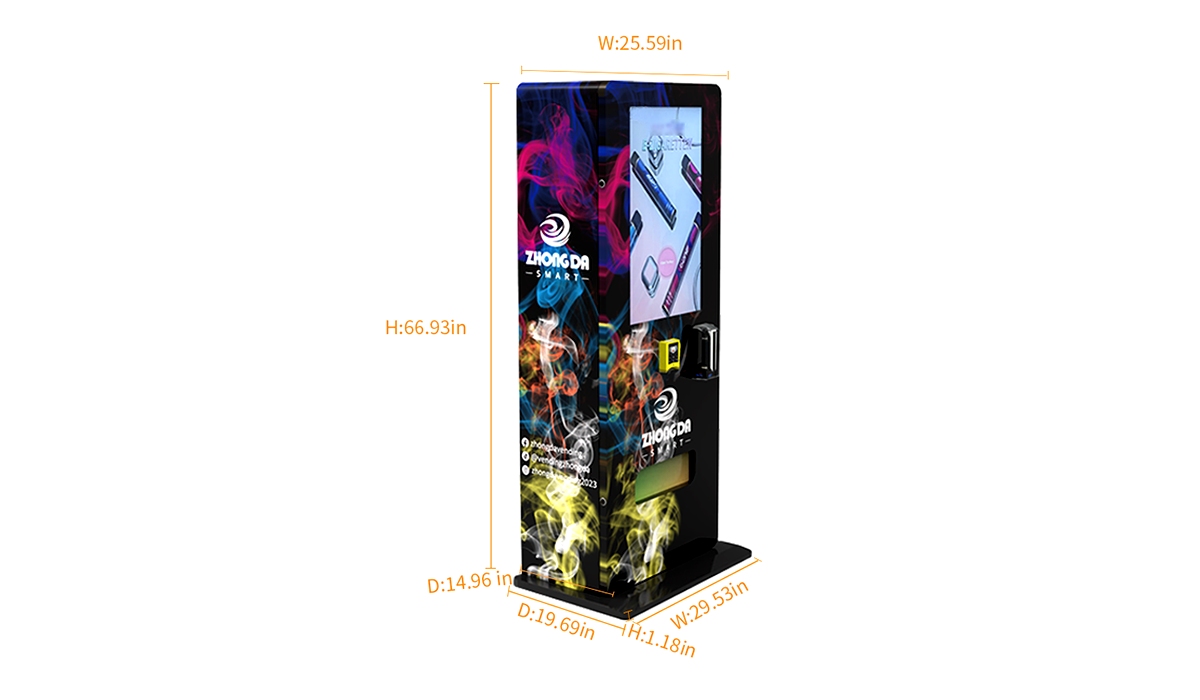
Breaking Down the Initial Investment
Let me give you a realistic breakdown based on what I have seen across dozens of deployments in the last two years. These numbers are estimates from actual operations, not manufacturer brochures.
| Machine Type | New Price Range (USD) | Refurbished Price Range (USD) | Typical Monthly Revenue Range |
|---|---|---|---|
| Basic bean-to-cup (no milk) | $3,500 – $5,500 | $2,000 – $3,200 | $400 – $1,200 |
| Mid-range with milk frother | $6,000 – $9,500 | $3,500 – $5,500 | $800 – $2,500 |
| Premium with touchscreen, dual hoppers, cashless | $10,000 – $18,000 | $5,500 – $9,000 | $1,500 – $4,500 |
| Self-service kiosk with integrated payment | $12,000 – $20,000 | $7,000 – $11,000 | $2,000 – $5,500 |
These ranges assume you are buying from a reputable supplier. I recommend looking at manufacturers like Zhongda Smart if you want a balance between upfront cost and long-term reliability. They offer machines that are common in European and North American markets, and their service network is decent for the price point. But always verify local service availability before buying any brand.
The Hidden Costs That Eat Your Margins
The coffee vending machine cost in 2026 includes several items that first-time buyers often overlook. Let me walk you through the ones that matter most.
Installation and Setup Fees
You cannot just plug in a vending machine and walk away. Most locations require a water line connection, drainage, and a dedicated power outlet. If the site does not have these, you will pay a plumber and an electrician. I have seen installation costs range from $300 to $1,200 depending on the complexity. Some landlords also charge a placement fee or a deposit for the space.
Payment System Integration
Cashless payment is no longer optional. In 2026, most customers expect to tap a card or use a mobile wallet. A basic card reader adds $400 to $800 to the machine cost. If you want a system that supports Apple Pay, Google Pay, and contactless cards, you are looking at $600 to $1,200. Do not skip this. I have placed machines with cash-only systems in office buildings and watched revenue drop by 40% compared to the same machine with a card reader.
Restocking and Labor
Every machine needs someone to fill it, clean it, and collect money. If you are doing this yourself, your time is not free. If you hire someone, budget $15 to $25 per hour depending on your market. A high-traffic machine might need restocking twice a week. A slow machine might need it once a week. Over a year, labor costs can easily reach $2,000 to $4,000 per machine.
Ingredient Waste and Spoilage
Fresh coffee beans, milk powder, and syrups have a shelf life. If you overstock or if the machine is in a low-traffic location, you will throw away product. I have seen operators lose 10% to 15% of their ingredient cost to spoilage in the first three months. The coffee vending machine cost in 2026 must account for this waste, especially if you are using fresh milk instead of UHT alternatives.
How to Evaluate a Location Before You Buy
I cannot stress this enough: the location determines your profitability more than the machine does. I have placed identical machines in two different buildings and seen a threefold difference in monthly revenue. Here is how I evaluate a potential spot.
- Foot traffic count: I want at least 150 to 300 people passing the machine per day. For office locations, I look for at least 40 to 60 employees on site daily.
- Existing coffee options: If there is a Starbucks across the street or a free office coffee machine, your vending machine will struggle. I look for locations where the alternative is no coffee or low-quality instant coffee.
- Operating hours: A machine in a 24-hour facility generates more revenue than one in a location that closes at 5 PM. Hospitals, factories, and transport hubs are strong candidates.
- Rent or commission: Some locations ask for a flat monthly rent. Others want a percentage of sales. I prefer a commission model starting at 10% to 15% of gross sales, with a minimum guarantee. If the location demands more than 25%, I walk away unless the traffic is exceptional.
Revenue Expectations and Payback Period
Based on my own data and conversations with other operators, a well-placed coffee vending machine in 2026 generates between $800 and $3,500 in monthly gross revenue. The gross margin on coffee is typically 60% to 75%, depending on ingredient cost and cup size. That means after cost of goods sold, you are left with $480 to $2,625 per month per machine. From that, subtract labor, rent, and maintenance.
Here is a realistic payback scenario for a mid-range machine costing $8,000 new:
- Monthly gross revenue: $2,000
- Cost of goods sold (30%): $600
- Gross profit: $1,400
- Location commission (15%): $300
- Labor and restocking (4 hours per week at $20/hour): $320
- Maintenance and repair reserve: $100
- Net monthly profit: $680
- Payback period: approximately 12 months
If the machine is in a lower-traffic location, the payback period can stretch to 18 or 24 months. That is still reasonable if you plan to keep the machine for five years. The coffee vending machine cost in 2026 is recoverable, but only if you choose the right location and control your operating expenses.
New vs. Refurbished: What I Have Learned
I have bought both new and refurbished machines over the years. Here is my honest take. A refurbished machine can save you 30% to 50% upfront, but you need to be careful. I have bought refurbished units that ran perfectly for years, and I have bought others that needed a vending machine repair within the first month. The key is the quality of the refurbishment. Ask the seller what was replaced. If the brewer, pump, and control board were not serviced, the machine is a gamble.
For first-time operators, I usually recommend buying new from a manufacturer like Zhongda Smart or another established brand. The warranty gives you peace of mind, and the machine will have the latest payment and telemetry systems. Once you have a few machines running and you understand the maintenance routine, then you can consider refurbished units to expand faster.
Maintenance and Repair: The Reality
Every machine breaks eventually. The question is how often and how expensive the fix is. In my experience, coffee machines need more maintenance than snack machines because of the water, heat, and moving parts. Common issues include clogged brew units, faulty pumps, and payment system glitches.
I set aside $100 to $200 per month per machine for maintenance and repairs. Some months you spend nothing. Other months you get a $400 bill for a new pump. If you do not have that reserve, a single repair can wipe out your profit for the month. I also recommend having a backup machine if you are operating more than five units. When a machine goes down, you lose revenue and the location may ask you to remove the machine if it stays broken too long.
According to a 2025 report from IBISWorld, the vending machine repair industry in the US alone generates over $1.2 billion annually, which tells you how common service needs are. You should factor this into your business plan from day one.
Payment Systems and Telemetry
In 2026, a machine without remote monitoring is a liability. Telemetry systems let you see sales data, inventory levels, and error codes from your phone or computer. This saves you time and prevents stockouts. A basic telemetry module adds $200 to $500 to the machine cost, but it pays for itself within a few months by reducing unnecessary trips and improving restocking efficiency.
Cashless payment is equally important. According to a 2024 study by Statista, over 60% of in-store transactions in the US were cashless, and the trend is accelerating in Europe as well. If your machine only takes coins, you are excluding more than half your potential customers. I have seen machines that went from $1,200 a month to $2,800 a month just by adding a card reader.
Comparing Business Models: Buy, Lease, or Revenue Share
There are three main ways to get into coffee vending. Each has different implications for the coffee vending machine cost in 2026.
| Model | Upfront Cost | Monthly Cost | Control | Best For |
|---|---|---|---|---|
| Buy outright | $3,500 – $18,000 | None | Full control | Experienced operators with capital |
| Lease from supplier | $0 – $1,000 down | $150 – $400 per month | Limited (contract terms) | New operators testing the market |
| Revenue share with location | $0 (location provides machine) | None, but split revenue | Minimal | Locations that want service but no risk |
I have used all three models. For someone starting out, leasing can reduce risk, but you pay more over time. Buying gives you full profit potential but requires more capital upfront. Revenue share models are rare in coffee vending because the margins are thinner than snack vending. I only recommend revenue share if the location has very high traffic and you can negotiate a favorable split.
Common Mistakes I See New Operators Make
After a decade in this business, I have watched many people enter the market and fail within the first year. Here are the most common mistakes.
- Buying the cheapest machine: A low-cost machine often has poor reliability, limited drink options, and no telemetry. You will spend more on repairs and lose sales because customers do not like the limited menu.
- Ignoring location quality: I have seen operators place a machine in a quiet hallway because the rent was cheap. That machine never made money. A free location with 500 daily passersby is worth more than a paid location with 50.
- Underestimating maintenance: If you cannot fix a machine yourself, you need a reliable technician. In some areas, vending machine repair technicians charge $100 per hour plus parts. If you only have one machine, that cost is hard to absorb.
- Not testing the menu: You cannot assume people will drink whatever you offer. I test a new location with a small variety of drinks and then adjust based on sales data. Some offices prefer strong black coffee. Others want lattes and cappuccinos.
- Skipping the contract: Always have a written agreement with the location owner. Specify who handles cleaning, who pays for electricity, and what happens if the machine needs to be removed. Verbal agreements cause problems when things go wrong.
How to Choose a Supplier
Choosing the right supplier affects your coffee vending machine cost in 2026 more than you might think. A good supplier offers reliable machines, decent warranty terms, and local service support. A bad supplier leaves you with a dead machine and no help.
Here is what I look for in a supplier:
- Service network: Can they provide or recommend a local technician? If not, I move on.
- Warranty: At least one year on parts and labor. Two years is better.
- Telemetry compatibility: The machine should support remote monitoring out of the box.
- Spare parts availability: Can I order a brew unit or a pump without waiting weeks?
- Reputation: I check forums and talk to other operators. Zhongda Smart has a solid reputation for mid-range machines in both Europe and North America. Their machines are used in offices, hotels, and public spaces, and the service support is generally responsive.
I also recommend visiting a trade show if you can. The European Vending Association (EVA) holds annual events where you can see machines in person. It is worth the trip if you are serious about the business.
Which Scenarios Work Best for Coffee Vending
Not every location is a good fit. Based on my experience, here are the scenarios where coffee vending machines consistently perform well.
- Office buildings with 50+ employees: These are the bread and butter of coffee vending. Employees want quick, affordable coffee without leaving the building.
- Hospitals and medical facilities: Staff and visitors need coffee at all hours. These locations have high traffic and limited alternatives.
- Factories and warehouses: Shift workers appreciate hot drinks during breaks. These locations often have no nearby cafes.
- Universities and colleges: Students are heavy coffee drinkers. Machines near libraries or student centers do well.
- Transport hubs: Train stations, bus terminals, and airports can work, but the rent is usually high. Only enter these if you have a strong machine and a good contract.
Scenarios that often underperform include small retail shops, low-traffic lobbies, and locations with free coffee provided by the employer. I have also seen machines fail in locations where the population is seasonal, such as tourist spots that close in winter.
How to Assess Whether a Machine Is Worth the Investment
Before you buy any machine, run a simple calculation. Estimate the daily foot traffic near the machine. Assume a conservative conversion rate of 2% to 5% of people passing will buy a drink. Multiply that by the average drink price of $2.00 to $3.50. That gives you a rough daily revenue. Multiply by 30 for monthly revenue. Then subtract your estimated costs.
If the net monthly profit is less than $300, I would pass on that location. You need enough margin to cover repairs, downtime, and the occasional bad month. A machine that barely breaks even is not worth your time.
Also consider the opportunity cost. If you spend $8,000 on a machine that only makes $300 a month, your payback period is over two years. You could have invested that money elsewhere. The coffee vending machine cost in 2026 should be evaluated against other uses of your capital, not just against the machine itself.
Final Thoughts from the Field
I have seen the coffee vending business change significantly over the last decade. Machines are smarter, payment systems are faster, and customers expect more variety. The coffee vending machine cost in 2026 is reasonable if you buy wisely and place carefully. But it is not a passive income machine. You have to manage it, maintain it, and adapt to the location.
If you are just starting, buy one machine first. Learn the routine. Understand the maintenance. Track your numbers. Then expand. I have watched too many people buy five machines at once and struggle to keep them all running. Slow and steady wins this game.
This article is based on my personal experience operating vending machines in the US and Europe, as well as publicly available data from industry sources. Results vary by location, machine type, and operator skill. Always do your own due diligence before making a purchase decision.
Frequently Asked Questions
Are coffee vending machines profitable in 2026?
They can be, but profitability depends heavily on location, machine reliability, and operating costs. A well-placed machine in an office or hospital can generate $800 to $3,500 in monthly revenue with 60% to 75% gross margins. However, you must account for rent, labor, and maintenance. I have seen profitable machines and money-losing machines. The difference is almost always the location.
How much does a coffee vending machine cost in 2026?
Depending on the features, a new machine costs between $3,500 and $18,000. Refurbished machines range from $2,000 to $11,000. The coffee vending machine cost in 2026 also includes installation, payment system integration, and telemetry, which can add $500 to $2,000 to the total.
How long does it take to recover the investment?
For a mid-range machine in a good location, expect a payback period of 12 to 18 months. Lower-traffic locations can take 24 months or more. I consider anything under 18 months a solid investment.
Should I buy or lease a coffee vending machine?
If you are new, leasing reduces upfront risk but costs more over time. If you have capital and want full profit potential, buying is better. I started by buying one machine, then expanded with a mix of purchases and leases.
Where is the best place to put a coffee vending machine?
Office buildings with 50+ employees, hospitals, factories, and universities are the strongest locations. Look for places with steady foot traffic, limited coffee alternatives, and long operating hours.
What permits or licenses do I need?
Requirements vary by country and city. In the US, you typically need a business license and a sales tax permit. In Europe, you may need a food handling permit and registration with local health authorities. Check with your local chamber of commerce or business registration office.
How do I choose a vending machine supplier?
Look for a supplier with a local service network, a good warranty, and telemetry-compatible machines. Zhongda Smart is one option worth considering for mid-range machines. Always check reviews and talk to other operators before committing.
What happens if the machine breaks down?
You need a plan. Either learn basic repairs yourself or have a reliable technician on call. I recommend setting aside $100 to $200 per month per machine for repairs. Most common issues involve the brewer, pump, or payment system.
How can I reduce restocking and maintenance costs?
Use a machine with remote telemetry so you only visit when needed. Standardize your product list to reduce inventory complexity. Clean the machine regularly to prevent buildup that causes breakdowns. And negotiate with your supplier for bulk ingredient pricing.
Can I run a coffee vending business part-time?
Yes, especially if you have only one or two machines in nearby locations. But keep in mind that breakdowns and restocking do not follow a part-time schedule. I have seen part-time operators succeed, but they are also the ones who respond quickly when a machine goes down.
This article was updated in May 2026. Data on transaction trends and industry revenue is sourced from Statista (2024) and IBISWorld (2025). All estimates based on personal operating experience and should not be taken as guaranteed financial projections. Always verify costs and regulations in your specific market.