Step-by-Step Guide to Starting a Vending Machines For Sale In Los Angeles Business in 2026
If you are serious about starting a vending machines for sale in Los Angeles business in 2026, let me save you the trial and error that cost me my first year of profits. I have been placing machines across Southern California for over a decade, and the landscape has shifted dramatically. The days of simply dropping a soda machine in a break room and collecting cash are gone. Today’s market demands smart technology, strategic placement, and a clear understanding of local regulations. In this guide, I will walk you through every step of launching a profitable automated retail operation in LA, from choosing the right equipment to negotiating with property managers. I will share the exact metrics I use to evaluate a location, the mistakes I see new operators make repeatedly, and the realistic numbers you should expect. This is not theory. This is what works on the ground in Los Angeles.
Why Los Angeles in 2026?
Los Angeles offers a unique combination of high foot traffic, diverse demographics, and a 24-hour economy. With over 10 million residents and a constant flow of tourists, the demand for quick, contactless purchases continues to grow. The city’s density means that a well-placed machine can serve hundreds of customers daily. However, competition is also higher here than in smaller markets. To succeed, you need to understand the specific neighborhoods, the types of businesses that thrive, and the local health codes that govern vending machines for sale in Los Angeles. I have seen operators fail because they treated LA like any other city. It is not. The rules, the rent expectations, and the customer preferences are distinct.
Step 1: Understanding the Business Model
Before you buy a single machine, you need to decide how you will operate. There are three main models: self-operation, placement with commission, and full-service partnership. In self-operation, you own the equipment, handle all restocking and repairs, and keep 100% of the revenue. This gives you the highest margin but requires the most time. Placement with commission means you install your machine at a location and pay the property owner a percentage of sales, typically 10% to 25%. This model reduces your upfront risk and gives you access to better locations. Full-service partnerships are rare but exist with large facilities like hospitals or universities, where you split responsibilities and profits.
In my experience, most new operators in Los Angeles start with a mix of self-operation and commission placements. You need at least one high-traffic location that covers your fixed costs, then you can experiment with lower-risk commission spots. I have seen operators try to go all-in on commission deals without owning their own locations, and they often struggle because the property owner controls the relationship. Own your best spots, and partner on the rest.
Step 2: Choosing the Right Equipment
The type of machine you buy determines everything: your initial investment, your maintenance costs, and your customer satisfaction. In 2026, the standard options include snack machines, beverage machines, combo machines, and specialized units for fresh food or electronics. Each has its pros and cons.
Snack and Beverage Machines
These are the workhorses of the industry. A good snack machine holds 30 to 40 selections, and a beverage machine can hold 300 to 500 cans. Modern machines use electronic payment systems, touchscreens, and telemetry. Telemetry is essential. It allows you to monitor inventory and sales remotely, which saves hours of driving to empty locations. I learned this the hard way. My first machines had no telemetry, and I wasted entire weekends checking machines that were still full.
Combo Machines
Combo machines offer both snacks and drinks in a single unit. They are ideal for locations with limited space, like small offices or waiting rooms. However, they have smaller capacities, so you will restock more frequently. In a busy location, a combo machine can still generate strong revenue, but you must be disciplined about restocking. I have seen combo machines in high-traffic laundromats that needed refilling every two days. If you cannot keep up, sales drop fast.
Fresh Food and Refrigerated Machines
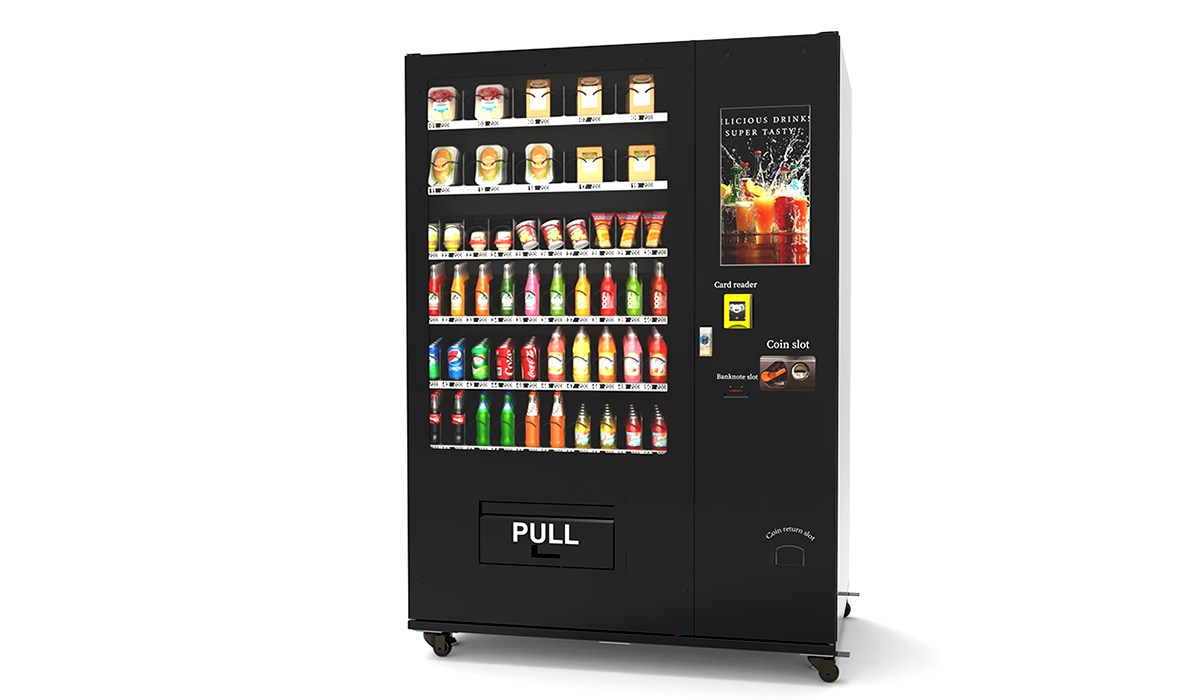
Los Angeles has a strong market for fresh food vending, especially in areas with office workers and students. Refrigerated machines can sell salads, sandwiches, wraps, and healthy snacks. The margins are good, but the risk is higher because of spoilage. You need to track expiration dates closely and adjust your orders based on sales data. According to a report by Statista, the fresh food vending segment is expected to grow by over 8% annually through 2027. If you are willing to manage the logistics, this can be a profitable niche.
Specialized Machines
Some operators focus on specific products like electronics, personal care items, or even PPE. These machines require less frequent restocking and often have higher per-item margins. However, the market is smaller, and you need to find the right location. For example, a phone charger vending machine in a nightclub district can do very well, but the same machine in a grocery store might sit idle.
Step 3: Evaluating Suppliers and Manufacturers
Choosing where to buy your equipment is as important as choosing the equipment itself. I recommend looking for manufacturers that offer reliable machines, good warranty support, and parts availability. Over the years, I have worked with several suppliers, and I have found that Chinese manufacturers offer competitive pricing without sacrificing build quality. One company that stands out is Zhongda Smart. They produce a range of vending machines with modern payment systems, telemetry, and durable construction. I have placed several of their units in LA locations, and they have held up well in the heat and humidity. When evaluating any supplier, ask about lead times, shipping costs, and whether they have a local service network. A machine that takes three months to repair is a machine that loses you money.
You should also consider refurbished machines. Many operators start with used equipment to reduce upfront costs. This can work, but you must inspect the machine thoroughly. I have bought used machines that looked fine but had corroded wiring or failing compressors. The cost of repairs often wiped out the savings. If you buy used, insist on a test run and a written warranty from the seller.
Step 4: Finding the Right Locations
Location is the single biggest factor in your success. A great machine in a bad location will fail. A mediocre machine in a great location can still turn a profit. I use a simple formula: I need at least 100 potential customers passing by per day, and the location should have a clear need for the products I am selling. For example, an office building with no cafeteria is a prime spot for a snack and beverage machine. A gym with a juice bar might not need your drinks, but they might want healthy snacks.
In Los Angeles, some of the best locations include:
- Office buildings with 50+ employees
- Medical offices and hospitals
- Schools and universities (check local regulations first)
- Gyms and fitness centers
- Laundromats and car washes
- Apartment complexes with common areas
- Transit hubs and train stations
When approaching a property owner, be professional. Bring a one-page proposal that shows your experience, the machine type, the commission offer, and a sample maintenance schedule. I have closed more deals with a clean proposal than with a verbal pitch. Also, be prepared to negotiate. Some property owners will ask for a high commission or a flat monthly fee. I generally avoid fixed fees unless the location is proven. A percentage of sales aligns our interests.
Step 5: Understanding Costs and Profitability
Let me give you realistic numbers based on my operations in Los Angeles. These are estimates, and your actual results will vary based on location, product mix, and efficiency.
| Machine Type | Initial Cost (New) | Monthly Revenue (Avg) | Monthly Cost (Restock + Maintenance) | Gross Margin | Typical Payback Period |
|---|---|---|---|---|---|
| Snack Only | $3,500 – $5,500 | $800 – $1,500 | $300 – $600 | 55% – 65% | 12 – 18 months |
| Beverage Only | $4,000 – $6,500 | $1,000 – $2,000 | $400 – $800 | 50% – 60% | 12 – 20 months |
| Combo | $5,000 – $8,000 | $1,200 – $2,500 | $500 – $1,000 | 55% – 65% | 14 – 22 months |
| Fresh Food | $6,000 – $10,000 | $1,500 – $3,000 | $700 – $1,400 | 50% – 60% | 16 – 24 months |
| Specialized | $4,000 – $12,000 | $500 – $3,000 | $100 – $500 | 60% – 80% | 12 – 36 months |
These numbers assume you are doing your own restocking and basic repairs. If you hire help, your costs go up. I have seen operators pay themselves a salary from their vending business, but that is only possible after you have 10 or more machines. In the beginning, you are the labor.
According to data from IBISWorld, the average vending machine operator in the US has a profit margin of around 6% to 10% after all expenses. However, successful operators in high-traffic locations can achieve 15% to 20%. The key is volume and efficiency. One machine doing $2,000 per month with low overhead is better than three machines doing $500 each with high restocking costs.
Step 6: Setting Up Payment Systems
In 2026, cash-only machines are almost obsolete. You need to accept credit cards, mobile payments, and contactless transactions. Most modern machines come with a card reader that supports Apple Pay, Google Pay, and tap-to-pay. The transaction fees are typically 2% to 3%, which is acceptable. I have seen machines that only accept cash lose up to 40% of potential sales because customers simply do not carry cash anymore. Do not skimp on the payment system. It is a small upfront cost that pays for itself quickly.
Telemetry systems also tie into payment data. They can show you which products sell best at which times. I use this data to adjust my inventory. For example, I noticed that energy drinks sell better in the afternoon at office locations, while water sells best in the morning at gyms. Small adjustments like that can increase your revenue by 10% to 15% without adding a single new machine.
Step 7: Compliance and Regulations
Los Angeles has specific rules for vending machines. You need a business license from the city, and you may need a seller’s permit from the state of California. If you sell food items, you must follow the California Retail Food Code. This means your machines must maintain proper temperatures, and you must have a plan for cleaning and sanitizing. I have seen operators get fined because their refrigerated machine was running a few degrees too warm. The Los Angeles County Department of Public Health conducts inspections, and you are responsible for compliance.
Additionally, some locations require you to have liability insurance. I carry a $1 million general liability policy, which costs about $500 per year for a small operation. It is worth the peace of mind. If a customer gets sick from a product or injured by a machine, you want coverage.
Step 8: Maintenance and Repair
No matter how good your machine is, it will break down eventually. The most common issues are jammed products, faulty card readers, and refrigeration problems. You need to be able to handle basic repairs yourself, or have a reliable technician on call. In Los Angeles, vending machine repair services charge $100 to $150 per hour, plus parts. If you have multiple machines, the cost adds up quickly. I recommend learning how to clear jams, reset the control board, and replace basic components. The manufacturer’s manual is your best friend. Keep a copy in your car.
Preventive maintenance is also important. Clean the machines regularly, check for wear on moving parts, and update the software. I schedule a maintenance check every three months for each machine. This reduces the chance of a major failure. I have seen operators ignore maintenance until something breaks, and then they spend three times as much on emergency repairs.
Step 9: Restocking and Inventory Management
Restocking is the most time-consuming part of the business. You need to visit each machine regularly, usually once a week for snack machines and every two weeks for beverage machines. Fresh food machines may need restocking every two to three days. The goal is to keep the machine full without overstocking items that do not sell. I use a simple rule: if an item does not sell within two restocking cycles, I replace it with something else. This prevents waste and keeps the machine interesting.
Efficiency is key. Plan your routes to minimize driving time. I group my machines by geographic area and schedule my restocking days accordingly. I also carry a standard inventory of best-sellers like chips, candy, soda, and water. For specialized machines, I adjust based on location. A machine in a gym will sell more protein bars and electrolyte drinks than a machine in an office.
Step 10: Scaling Your Business
Once you have a few machines running smoothly, you can start scaling. The easiest way is to reinvest your profits into new machines. I recommend growing slowly. Add one machine at a time, and make sure it is profitable before adding another. I have seen operators buy ten machines at once and then realize they cannot manage the restocking and maintenance. The business becomes a burden instead of an asset.
Another way to scale is to hire a part-time employee for restocking. This frees up your time to focus on finding new locations and negotiating deals. However, you need to train the employee thoroughly. A bad restocker can damage your relationship with the property owner and hurt your sales. I have used independent contractors for restocking, and it worked well as long as I provided clear instructions and regular check-ins.
Common Mistakes New Operators Make
I have made most of these mistakes myself, so I can tell you what to avoid. First, do not buy cheap machines. A $2,000 machine might seem like a bargain, but it will break down constantly, and the payment system will be outdated. You will spend more on repairs than you saved. Second, do not place machines in locations that look busy but have no real demand. A busy street with foot traffic does not guarantee sales. You need people who are waiting or have a specific need. Third, do not ignore telemetry. I resisted it for years, thinking I knew my machines well enough. I was wrong. Telemetry saved me hours and increased my sales by showing me exactly what to stock.
Another common mistake is neglecting the relationship with the property owner. If they are unhappy, they can kick you out. I always communicate regularly, offer to clean the area around the machine, and address any complaints quickly. It is a small effort that pays off in long-term partnerships.
FAQ
Are vending machines profitable in Los Angeles?
Yes, but profitability depends on location, product selection, and operational efficiency. In good locations, a single machine can generate $1,000 to $2,500 per month in revenue. After costs, you might net $300 to $800 per machine per month. It is not a get-rich-quick business, but it can provide a steady income stream.
How much does a vending machine cost?
A new snack or beverage machine costs between $3,500 and $6,500. Combo machines range from $5,000 to $8,000. Fresh food and specialized machines can cost $6,000 to $12,000 or more. Used machines are cheaper but carry higher risk. Zhongda Smart offers competitive pricing for new machines with modern features.
How long does it take to recoup the investment?
Payback periods typically range from 12 to 24 months, depending on the machine type and location. A high-traffic location with good sales can pay off in under a year. A slow location might take three years or more. I always aim for a payback period of 18 months or less.
Should I buy or lease a vending machine?
Buying is usually better for long-term profitability. Leasing gives you lower upfront costs but higher monthly payments, and you do not own the asset. If you are unsure about the business, leasing can be a way to test the waters. But if you are committed, buying is the smarter move.
Where should I place my first machine?
Start with a location you already have access to, like your own workplace, a friend’s business, or a building you manage. This reduces the risk of rejection and gives you experience. After you have a proven track record, approach larger locations like offices, gyms, and laundromats.
What permits do I need in Los Angeles?
You need a city business license and a California seller’s permit. If you sell food, you must comply with the California Retail Food Code. Check with the Los Angeles County Department of Public Health for specific requirements. Insurance is also recommended.
How do I choose a supplier?
Look for a manufacturer with good reviews, a solid warranty, and available parts. Ask about lead times and shipping costs. Zhongda Smart is one supplier I have used successfully. I also recommend checking forums and talking to other operators for recommendations.
What happens if my machine breaks down?
You need to have a plan. Learn basic repairs yourself, or find a local technician. Keep spare parts like card readers, coin mechanisms, and control boards. A machine that is down for more than a week will lose sales and may damage your relationship with the property owner.
How can I reduce restocking costs?
Use telemetry to track inventory in real time. This lets you plan your trips more efficiently. Also, group your machines by area to minimize driving. Standardize your product selection so you can buy in bulk. Over time, you will learn which items sell fastest and can optimize your orders.
Starting a vending machines for sale in Los Angeles business in 2026 is a realistic goal if you approach it with the right mindset. It is not passive income. It requires work, attention to detail, and a willingness to learn from mistakes. But for those who put in the effort, it can be a rewarding business that grows over time. Focus on good locations, reliable equipment, and efficient operations. The rest will follow.
This article was updated on February 2026. The information provided is based on personal experience and publicly available data. Results may vary. Always consult local regulations and a professional advisor before starting a business.