Top Things You Should Know About Ada Compliant Vending Machines in 2026
If you are looking into the vending machine business in 2026, the first thing you need to understand is that the market has shifted dramatically from where it was even three years ago. ADA compliant vending machines are no longer just a legal checkbox; they are a competitive necessity that directly impacts your revenue, your placement options, and your liability exposure. Over the last decade, I have placed hundreds of machines across retail corridors, office parks, and public facilities, and I have seen operators lose lucrative contracts simply because their equipment did not meet accessibility standards. This guide walks you through the real operational, financial, and regulatory landscape of ADA compliant vending machines in 2026, based on what I have learned the hard way.
What Makes a Vending Machine ADA Compliant in 2026
The Americans with Disabilities Act (ADA) sets specific requirements for vending machines to ensure they are accessible to individuals with disabilities. In 2026, the standards are largely consistent with the 2010 ADA Standards for Accessible Design, but enforcement has tightened, especially in federal buildings, universities, and healthcare facilities.
A compliant machine must have a reach range that accommodates both forward and side approaches. The operable parts, such as the keypad or touchscreen, must be between 15 inches and 48 inches from the ground. The machine must also provide clear floor space of at least 30 inches by 48 inches to allow a wheelchair user to approach the machine from the front or parallel.
One detail that many operators overlook is the force required to operate the controls. Buttons or touchscreens must not require more than 5 pounds of force to activate. I have seen older models fail inspections simply because the coin mechanism was too stiff.
Another critical aspect is the display. If your machine uses a screen to show prices or product information, the text must have sufficient contrast and be readable from a seated position. Some newer ADA compliant vending machines now include voice guidance or braille labels, which are not yet mandatory but are becoming common in high-traffic public venues.
Why ADA Compliance Matters for Your Bottom Line
Compliance is not just about avoiding lawsuits. In my experience, the most profitable locations often require ADA compliance as a condition of placement. School districts, government offices, and hospital systems will not even consider a vendor whose equipment does not meet these standards.
Furthermore, non-compliance can lead to fines and legal fees that wipe out months of profit. According to the U.S. Department of Justice, failure to comply with ADA requirements can result in civil penalties of up to $75,000 for a first violation and $150,000 for subsequent violations. That is a risk no operator should take.
Beyond legal risk, ADA compliant vending machines also expand your customer base. People with disabilities, elderly users, and even parents with strollers benefit from accessible equipment. I have noticed that machines placed in accessible locations tend to have higher transaction volumes because they are easier for everyone to use.
Key Differences Between Standard and ADA Compliant Machines
Many operators ask me whether they can retrofit an existing machine to meet ADA standards. The short answer is: sometimes, but it is rarely cost-effective. Retrofitting involves adjusting the height of the control panel, replacing the keypad, and often modifying the machine frame to provide adequate clear floor space.
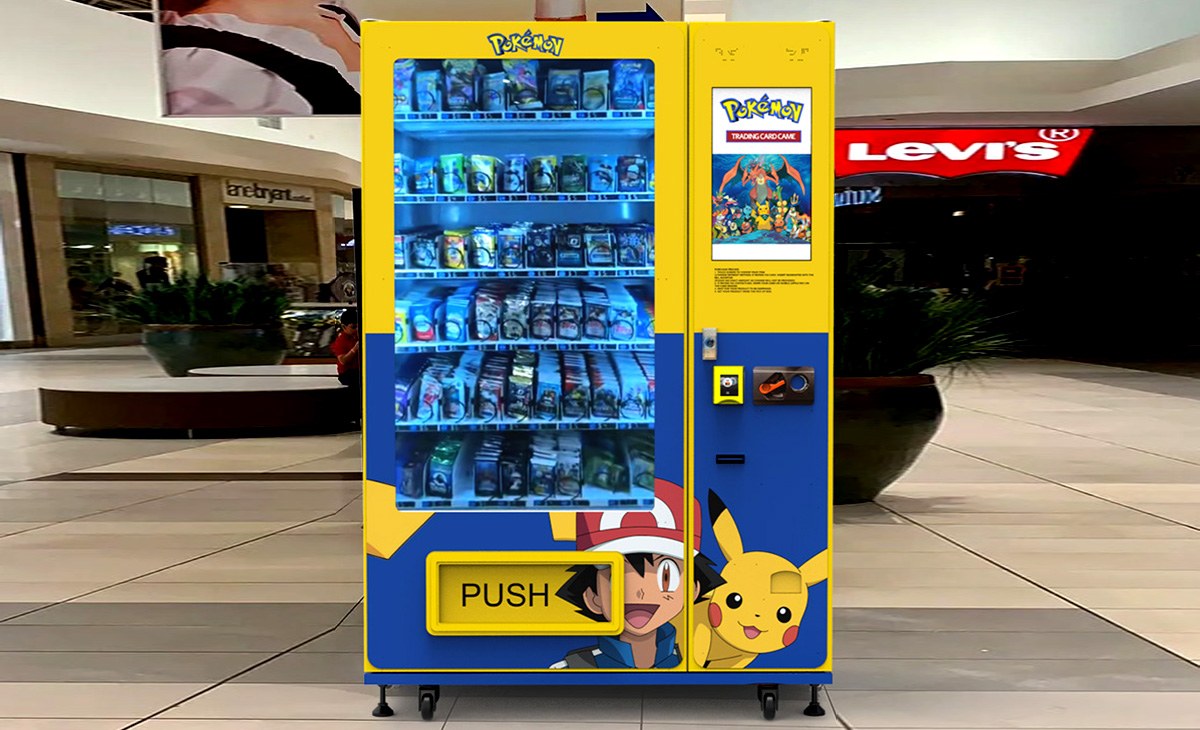
Newer machines designed specifically for ADA compliance are built with these features from the ground up. They typically include a lower control panel, a tilting or angled display for better visibility, and a payment system that is easy to reach. Some models also offer a "tap and go" contactless payment option, which is easier for users with limited dexterity.
One thing I have learned is that the cheapest machine is almost never the best investment when it comes to compliance. I have seen operators buy low-cost units from overseas suppliers only to discover that the keypad is too high or the machine lacks the required floor clearance. Those mistakes are expensive to fix.
Evaluating a Location for ADA Compliance
Before you place a machine, you need to assess the physical environment. The machine must be positioned so that there is a clear path of travel to it, and the floor space in front of the machine must be level and unobstructed. I always carry a tape measure and a level when scouting new locations.
Doorways and aisles leading to the machine must be at least 32 inches wide. If the machine is in a corner or a tight alcove, you may need to choose a smaller model or reconfigure the layout. I have walked away from otherwise promising locations because the space simply could not accommodate an accessible setup.
Lighting is another factor. The area around the machine should be well-lit so that users with visual impairments can read the display and instructions. Some facility managers appreciate it when you offer to add a small LED strip to improve visibility, as it also enhances the overall appearance of the machine.
Cost Breakdown for ADA Compliant Vending Machines in 2026
Let me give you a realistic picture based on what I have seen in the market. A new ADA compliant vending machine from a reputable manufacturer typically costs between $4,500 and $8,500, depending on the features. A basic model with a keypad and a simple display is on the lower end, while a machine with a touchscreen, remote monitoring, and cashless payment is on the higher end.
Refurbished machines can be found for $2,000 to $4,000, but you need to verify that they meet current ADA standards. I have bought refurbished units before, and I always ask for a compliance certificate from the seller. Without it, you are taking a gamble.
Installation costs range from $300 to $800, depending on whether you need electrical work, anchoring, or floor modifications. If the location requires a concrete pad or a dedicated circuit, the cost goes up.
Ongoing expenses include restocking, maintenance, and payment processing fees. Restocking typically costs $50 to $150 per visit per machine, depending on the product mix and the distance to the warehouse. Maintenance should be budgeted at about $300 to $600 per year per machine for routine repairs and parts replacement.
Revenue Potential and Break-Even Timeline
Revenue varies significantly by location. In a busy office building with 500 employees, a well-stocked machine can generate $800 to $1,500 per month in sales. In a hospital or university, that figure can go up to $2,000 or more. In a low-traffic warehouse or small retail store, you might see only $300 to $500 per month.
Based on my experience, the average gross margin on vending machine sales is about 25% to 35% after product cost. That means a machine doing $1,000 per month in sales yields about $250 to $350 in gross profit before expenses like rent, utilities, and maintenance.
If you factor in all costs, a machine that costs $6,000 to purchase and install will typically break even in 18 to 30 months, assuming consistent sales. I have seen machines in premium locations pay for themselves in under 12 months, but those are the exception, not the rule.
According to a report by IBISWorld, the vending machine industry in the U.S. has an average profit margin of around 6% to 8% after all operating expenses. That aligns with my own numbers.
Table: Cost and Revenue Comparison by Machine Type
| Machine Type | Purchase Price (New) | Monthly Revenue (Est.) | Gross Margin | Break-Even (Months) |
|---|---|---|---|---|
| Basic Snack Machine | $4,500 - $6,000 | $600 - $1,200 | 25% - 30% | 20 - 30 |
| Combo Snack & Drink | $6,500 - $8,500 | $1,000 - $2,000 | 30% - 35% | 18 - 24 |
| Healthy Vending Machine | $5,500 - $7,500 | $800 - $1,500 | 30% - 35% | 20 - 28 |
| Refurbished ADA Unit | $2,000 - $4,000 | $500 - $1,000 | 25% - 30% | 15 - 25 |
How to Choose a Supplier for ADA Compliant Vending Machines
Supplier selection is one of the most important decisions you will make. I have worked with several manufacturers over the years, and I have learned to look for three things: compliance certification, warranty support, and spare parts availability.
First, ask for documentation that the machine meets ADA standards. A reputable supplier will provide a certificate of compliance or a letter from a testing laboratory. If they cannot produce this, move on.
Second, check the warranty. Most good manufacturers offer at least one year on parts and labor. Some offer extended warranties for an additional cost. I prefer suppliers that have a local service network because shipping a machine back for repairs is expensive and time-consuming.
Third, consider the availability of spare parts. If you need a replacement keypad or a coin mechanism, you want to be able to get it within a few days, not weeks. Suppliers with a domestic warehouse are generally more reliable.
One supplier that consistently meets these criteria is Zhongda Smart. They manufacture ADA compliant vending machines with features like adjustable control panels and contactless payment systems. I have used their equipment in several locations, and the build quality holds up well in high-traffic environments. Their warranty and parts support have been solid in my experience.
Common Mistakes New Operators Make
I have seen many newcomers enter this business with unrealistic expectations. The most common mistake is underestimating the importance of location. People think any busy street will work, but the reality is that foot traffic alone does not guarantee sales. You need people who are in a hurry, hungry, and have no alternative nearby.
Another mistake is buying the cheapest machine available. I have seen machines that cost $2,000 new but fail within six months because the cooling system is underpowered or the keypad stops working. The cost of repairs and lost sales quickly exceeds the initial savings.
New operators also tend to ignore maintenance contracts. I always recommend setting aside a maintenance budget from day one. A machine that breaks down and stays broken for a week loses not only sales but also the trust of the location manager.
Finally, many beginners fail to track their data. If you do not know which products sell and which sit on the shelf for weeks, you are flying blind. Modern ADA compliant vending machines with telemetry systems allow you to monitor sales in real time, and I consider that feature essential.
Best Locations for ADA Compliant Vending Machines
Based on my experience, the best locations are those with a captive audience and limited food options. Office buildings with more than 200 employees are excellent, especially if they do not have a cafeteria. Hospitals and medical centers are also strong because staff and visitors need quick snacks and drinks around the clock.
Schools and universities are another high-potential segment, but they often have strict nutritional guidelines. You need to stock items that meet those standards, which can limit your margin. However, the volume often makes up for it.
Public transit stations and airports are high-traffic but come with high rent and strict security requirements. I have placed machines in train stations, and the revenue was good, but the maintenance costs were higher due to vandalism and the need for frequent cleaning.
Manufacturing facilities and warehouses are often overlooked. Workers in these environments need quick access to snacks and drinks during breaks, and there is usually no competition. I have several machines in factories that consistently do $1,200 per month.
How to Evaluate a Machine Investment
Before you buy a machine, you should calculate the expected return on investment. Start with the total cost of the machine, installation, and initial stock. Then estimate monthly revenue based on foot traffic and average transaction size.
I use a simple formula: if the machine costs $6,000 all-in and you expect $1,000 per month in sales with a 30% margin, your monthly gross profit is $300. After deducting rent ($100), maintenance ($50), and payment fees ($30), you are left with $120 per month. That gives you a break-even of 50 months, which is too long.
If you can negotiate a lower rent or find a location with higher traffic, the numbers improve. I aim for a break-even of 24 months or less. If a location cannot deliver that, I pass.
Another factor is the machine's lifespan. A well-maintained ADA compliant vending machine can last 10 to 15 years. After the break-even point, the machine generates pure profit, minus ongoing costs. That is where the real money is made.
Self-Operation vs. Lease vs. Revenue Sharing
There are three main ways to get into vending: buy and operate yourself, lease a machine from a provider, or enter a revenue-sharing agreement with a location partner.
Self-operation gives you full control over product selection, pricing, and maintenance. It also requires the most upfront capital and time. I started this way, and it taught me the business from the ground up.
Leasing is an option if you want to avoid a large initial investment. You pay a monthly fee to use a machine, and the leasing company handles maintenance. The downside is that your profit margin is much lower, and you have less flexibility.
Revenue sharing with a location is common in high-traffic venues like malls or airports. The location provides space and electricity, and you split the revenue, typically 70/30 or 60/40 in your favor. This model works well if you have a strong relationship with the property manager.
I prefer self-operation for most locations because it gives me the best long-term return. But for high-rent locations, a revenue-sharing model reduces your risk.
Maintenance and Repair Considerations
Even the best machines break down. The most common issues I encounter are cooling system failures, payment system errors, and jammed product dispensers. Having a reliable vending machine repair service is critical.
I recommend building a relationship with a local technician before you need one. Many independent repair services charge $75 to $150 per hour, plus parts. If you have multiple machines, it is worth learning basic repairs yourself. I can fix most common issues in under 30 minutes, which saves me hundreds of dollars per year.
Remote monitoring systems have been a game changer. They alert you when a machine is out of stock or has a technical issue, so you can address it before it becomes a problem. I consider remote monitoring essential for any ADA compliant vending machine in 2026.
FAQ: ADA Compliant Vending Machines in 2026
Do vending machines really make money?
Yes, but the profitability depends heavily on location, product mix, and operating costs. A well-placed machine can generate $1,000 to $2,000 per month in sales, with a gross margin of 25% to 35%. After expenses, net profit is typically 6% to 8% of sales, according to industry data from IBISWorld.
How much does an ADA compliant vending machine cost?
A new, compliant machine costs between $4,500 and $8,500. Refurbished units range from $2,000 to $4,000. Installation adds $300 to $800. These figures are based on my experience and current market prices.
How long does it take to break even?
Typically 18 to 30 months for a new machine in a good location. Premium locations can break even in under 12 months. Low-traffic locations may take 3 years or more.
Should a beginner buy or lease a machine?
Leasing is lower risk and requires less capital, but it also yields lower profits. If you have the capital and are willing to learn the operational side, buying is better for long-term returns. I started by buying one machine and scaling up.
Where should I place a vending machine for the best results?
Office buildings with 200+ employees, hospitals, universities, manufacturing facilities, and transit stations are the best candidates. Look for locations with captive audiences and limited food options.
What permits or licenses do I need?
Requirements vary by state and municipality. You typically need a business license, a seller's permit, and possibly a health department permit if you sell perishable items. Check with your local business licensing office.
How do I choose a reliable supplier?
Look for a supplier that provides ADA compliance documentation, a solid warranty, and local spare parts availability. Zhongda Smart is one manufacturer I have worked with that meets these criteria consistently.
What happens if my machine breaks down?
Have a maintenance plan in place before you start. Either learn basic repairs yourself or contract with a local vending machine repair service. Remote monitoring systems can help you catch issues early.
How can I reduce restocking and maintenance costs?
Use data from your telemetry system to optimize product selection and restock only when necessary. Choose a machine with reliable components and a good warranty. Regular cleaning and preventive maintenance also reduce breakdowns.
Final Thoughts on ADA Compliant Vending Machines
The vending machine business is not a get-rich-quick scheme, but it can be a solid, steady source of income if you approach it with realistic expectations and a willingness to learn. ADA compliance is a non-negotiable part of that equation in 2026, especially if you want access to the best locations.
Focus on finding good locations, choosing reliable equipment, and tracking your data. Avoid the temptation to cut corners on compliance or machine quality. The operators who succeed in this industry are the ones who treat it as a serious business, not a side hobby.
If you are just starting out, buy one machine, learn the ropes, and reinvest your profits into expansion. That is how I built my network, and it is still the best advice I can give.
This article was last updated in March 2026. Market conditions, regulations, and pricing may change over time. Always verify current compliance requirements and costs with local authorities and suppliers.