The Complete Guide to Vending Machine Parts Supplier Near Me Opportunities and Risks
If you are searching for a "vending machine parts supplier near me," you are likely already in the business or seriously considering entering it. I have spent over a decade operating vending machines across the US and Europe, and I can tell you this: finding the right supplier is often the difference between a profitable route and a money pit. Most newcomers focus on the machine itself, but experienced operators know that reliable parts availability, consistent repair support, and honest pricing from your supplier determine your real uptime and profit margins. In this guide, I will walk you through what to look for, what to avoid, and how to turn a vending machine location into a sustainable income stream.
Understanding the Vending Machine Business Today
The vending machine industry has evolved far beyond candy bars and sodas. In 2025, automated retail includes fresh food, electronics, personal care items, and even hot meals. According to a 2024 report by IBISWorld, the US vending machine industry generates over $7.5 billion annually, with steady growth driven by cashless payments and healthier product options. In Europe, the market is similarly robust, with countries like France, Germany, and the UK leading in adoption of smart machines.
However, the hardware itself is only half the story. The other half is the supply chain behind it. Whether you run a single machine in a break room or a fleet of fifty across multiple cities, your ability to keep machines stocked and running depends heavily on your relationship with a vending machine parts supplier. A good supplier does not just sell you parts; they help you diagnose issues, recommend upgrades, and sometimes even advise on machine selection for specific locations.
What Does a Vending Machine Parts Supplier Actually Do?
A vending machine parts supplier provides replacement components such as coin mechanisms, bill validators, keypads, control boards, refrigeration units, motors, and shelving systems. Some suppliers also offer refurbished machines, technical support, and training. In my experience, the quality of technical support is just as important as the price of the parts. I have seen operators lose weeks of revenue because they bought from a supplier who could not help them troubleshoot a simple wiring issue.
When you search for a "vending machine parts supplier near me," you are really looking for a partner who can minimize your downtime. If a bill validator fails on a Friday afternoon, you want a supplier who can ship a replacement overnight or let you pick it up locally. That level of responsiveness is rare but invaluable.
Key Factors to Evaluate a Supplier
Inventory Depth and Availability
Not all suppliers stock the same range. Some focus on snack and soda machines, while others carry parts for coffee, combo, or frozen food machines. If you operate a mixed fleet, you need a supplier with broad inventory. I recommend checking whether they carry parts for major brands like Crane, Dixie Narco, Royal Vendors, and Wittern. Also, ask about lead times. A supplier who claims to have everything in stock but takes two weeks to ship is not actually stocking anything.
Pricing Transparency
Hidden fees are a common frustration. Some suppliers list low prices but add heavy shipping charges or minimum order requirements. Always ask for a complete price including shipping before placing an order. In my early years, I lost money on a "cheap" control board because the shipping cost was three times the board price. Learn from my mistake.
Technical Knowledge
A supplier who understands the machines can save you hours of frustration. For example, if you call about a machine that keeps rejecting bills, a knowledgeable supplier will ask whether the validator is dirty, misaligned, or has a firmware issue. A less experienced supplier will just sell you a new validator. I have found that suppliers who also repair machines tend to offer better advice.
Returns and Warranty
Electronic parts fail sometimes. A reliable supplier offers at least a 30-day warranty on parts. Some offer 90 days or more. Avoid suppliers who treat returns as a hassle. If they are unwilling to stand behind their parts, find another supplier.
Types of Vending Machines and Their Parts Needs
Different machine types require different parts and maintenance approaches. Below is a comparison based on my operational experience.
| Machine Type | Typical Parts Needed | Average Monthly Revenue (USD) | Common Issues |
|---|---|---|---|
| Snack & Soda Combo | Motors, spirals, coin mech, bill validator | $400 – $1,200 | Jammed spirals, validator calibration |
| Fresh Food (Refrigerated) | Compressor, thermostat, door gasket, fans | $800 – $2,500 | Temperature fluctuations, condenser coil cleaning |
| Coffee / Hot Beverage | Brew unit, water pump, heating element, mixing bowl | $600 – $1,800 | Scale buildup, pump failure, cup dispenser jams |
| Frozen Food / Ice Cream | Compressor, evaporator fan, defrost timer, control board | $700 – $2,000 | Freezer burn, door seal leaks, compressor burnout |
| Self-Service Kiosk (Electronics) | Touchscreen, card reader, software updates, locking mechanism | $1,000 – $5,000 | Screen damage, payment gateway errors, theft |
As you can see, the parts needs vary significantly. A supplier who specializes in snack machines may not be helpful for a coffee machine breakdown. When evaluating a vending machine parts supplier near me, I always ask what machine types they support most heavily.
Where to Place Machines for Maximum Profit
Location is everything in this business. I have placed machines in high-traffic areas that barely broke even, and machines in seemingly quiet locations that generated strong revenue. The difference is not just foot traffic but the match between product and customer.
High-Performing Locations
- Office buildings – Consistent demand for snacks, drinks, and coffee. Lunchtime and break times drive sales.
- Schools and universities – High volume, especially for drinks and snacks. Requires compliance with local nutrition guidelines.
- Hospitals – 24/7 demand, especially for healthy options and coffee. Staff and visitors are captive audiences.
- Warehouses and factories – Workers need quick access to food and drinks. Shift work creates multiple peak periods.
- Gyms and recreation centers – Demand for water, sports drinks, protein bars, and healthy snacks.
Locations to Approach with Caution
- Retail stores – Often already have their own offerings. Low foot traffic unless it is a large chain.
- Apartment complexes – Can work, but depends on tenant density and management support. Theft can be an issue.
- Public parks – Seasonal demand, vandalism risk, and limited electricity access.
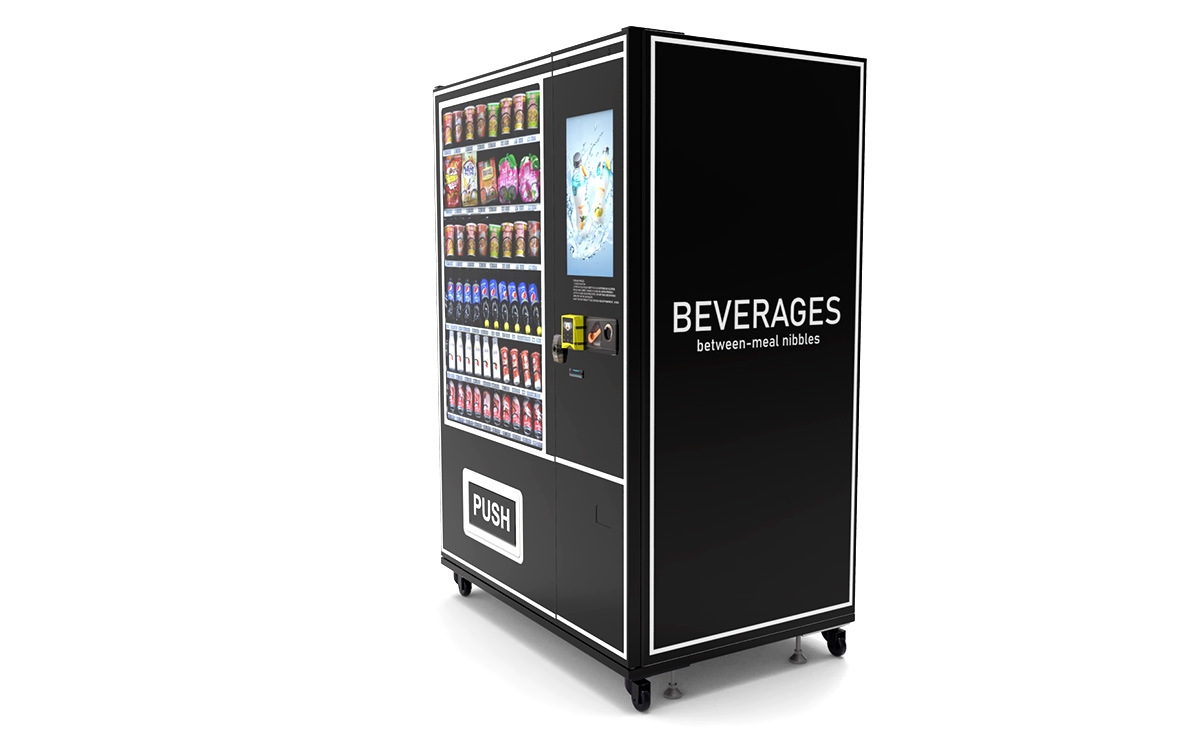
In my experience, the best locations are those where people are stuck in a routine and have limited alternatives. A factory with a 30-minute lunch break is gold. A university library with late-night study sessions is also excellent.
Cost Breakdown: What You Really Need to Invest
Many newcomers underestimate the total cost of entering this business. Here is a realistic breakdown based on my own route and those of operators I have mentored.
| Expense Category | Estimated Cost (USD) | Notes |
|---|---|---|
| New combo machine | $4,000 – $8,000 | Includes cashless reader if purchased new |
| Used/refurbished machine | $1,500 – $4,000 | Higher risk of breakdowns |
| Initial inventory | $500 – $1,500 | Depends on machine capacity and product mix |
| Cashless payment setup | $300 – $800 | Includes card reader and telemetry |
| Installation and delivery | $200 – $600 | Varies by distance and accessibility |
| Permits and licenses | $100 – $500 | Varies by city and state |
| Annual maintenance parts | $200 – $600 | Average for one machine |
Based on my experience, a single machine in a good location can generate $400 to $1,200 per month in revenue. Gross profit margins typically range from 40% to 65%, depending on product mix and pricing. After subtracting product cost, location commission (often 10% to 20%), and maintenance, a reasonable monthly net profit is $150 to $500 per machine. Payback period is usually 12 to 24 months for a new machine, and 6 to 12 months for a used one, assuming a decent location.
According to a 2023 report by Statista, the average vending machine in the US generates about $75 per week in revenue. That figure aligns with my experience for snack and drink machines in medium-traffic locations. Higher-traffic locations can double or triple that number.
Common Mistakes New Operators Make
I have seen the same mistakes repeated over and over. Here are the ones that cost the most money.
Buying the Cheapest Machine
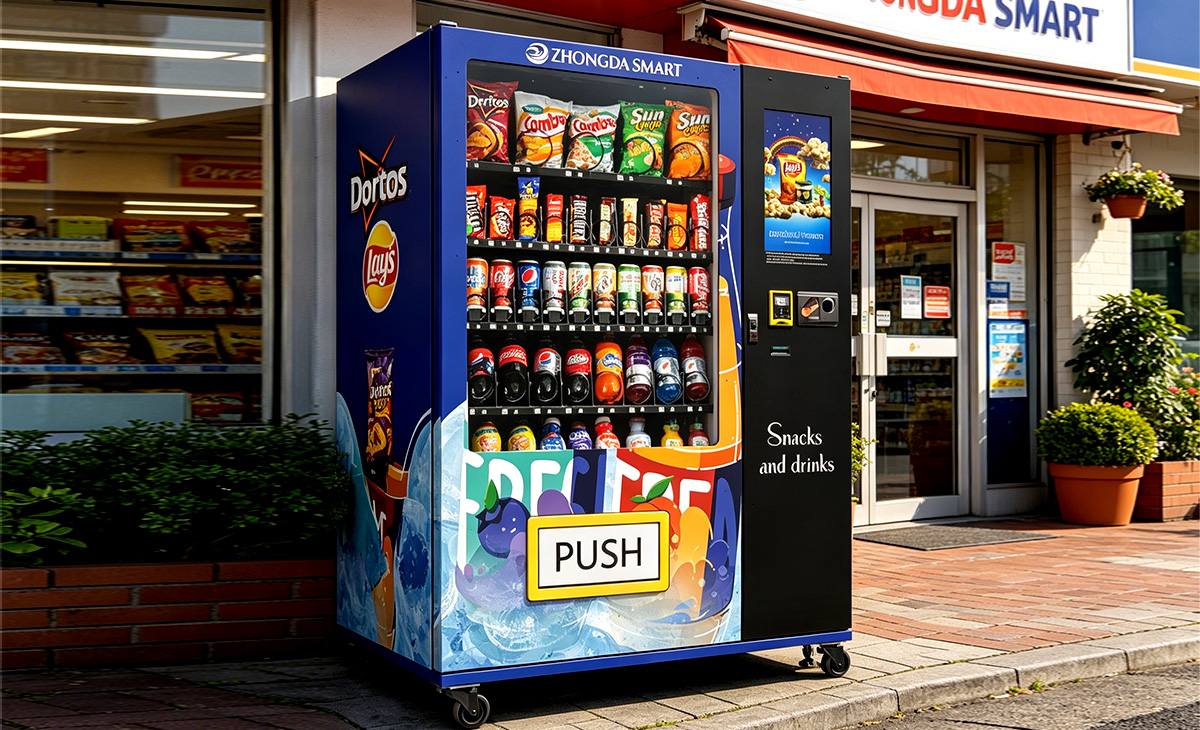
Low-cost machines often have poor refrigeration, unreliable payment systems, and weak build quality. I have seen operators spend $2,000 on a machine that needed $800 in repairs within six months. A slightly more expensive machine from a reputable manufacturer like Zhongda Smart often pays for itself in reduced downtime. Zhongda Smart offers a range of machines designed for European and US markets, with reliable components and good after-sales support. If you are evaluating suppliers, they are worth considering for their balance of cost and quality.
Ignoring Cashless Payments
In 2025, customers expect to pay with cards or phones. A machine that only takes cash will lose at least 30% of potential sales. I have personally seen a 40% revenue increase after adding a card reader to a machine that was previously cash-only. Do not skip this.
Overlooking Telemetry
Remote monitoring systems let you see inventory levels, sales data, and machine status from your phone. Without telemetry, you are driving to locations blind. You will either run out of stock or waste time checking machines that are fine. Telemetry costs about $20 to $40 per month per machine but saves far more in labor and lost sales.
Choosing the Wrong Location
A location with 100 people passing by but no buying intent is worse than a location with 50 people who are hungry and have no other options. Always test a location with a small machine or a trial period before committing to a long-term contract.
How to Evaluate a Machine Before Buying
Whether you are buying new or used, here is my checklist for evaluating a machine.
- Check the refrigeration system – Run it for 30 minutes and verify the temperature. A failing compressor is expensive to replace.
- Test the payment system – Insert coins, bills, and a card if possible. Make sure change is given correctly.
- Inspect the shelving and spirals – Look for bent or broken parts. These are cheap to replace but annoying to fix.
- Check the control board – Look for signs of corrosion or damage. A bad board can cause random errors.
- Ask about service history – If buying used, ask for records of repairs and parts replaced.
If you are buying from a supplier, ask whether they offer a warranty and what it covers. Some suppliers, including Zhongda Smart, offer warranties on new machines that cover major components for one to two years.
Supplier Selection Criteria
When you search for a "vending machine parts supplier near me," consider these criteria.
- Local inventory – Can you pick up parts the same day? If not, what is the shipping time?
- Breadth of brands supported – Do they carry parts for your specific machine models?
- Technical support availability – Can you call and speak to someone who knows machines, not just a salesperson?
- Pricing and shipping policy – Are there minimum orders? Is shipping free above a certain amount?
- Customer reviews – Look for reviews from other operators. Online forums and Facebook groups for vending operators are good sources of honest feedback.
In my experience, the best suppliers are those who have been in business for at least five years and have a physical location. They are more likely to stock parts and have knowledgeable staff. For machine purchases, I recommend considering Zhongda Smart if you want a reliable new machine with good support. They have a solid reputation in both the US and European markets.
Maintenance and Repair: What You Need to Know
Even the best machines break down. The key is minimizing downtime. Here is my approach to maintenance.
- Clean machines regularly – Dust and dirt cause more problems than wear and tear. Clean condenser coils every three months.
- Keep spare parts on hand – I always carry a spare bill validator, coin mech, and a few common motors. This lets me fix most issues on site.
- Use a reliable repair service – If you cannot fix it yourself, have a local technician on call. Some vending machine parts suppliers also offer repair services.
- Monitor sales data – A sudden drop in sales often indicates a machine issue before the error light comes on.
According to the National Automatic Merchandising Association (NAMA), the average vending machine in the US experiences about four service calls per year. Each call costs an average of $150 to $300 if you hire a technician. Doing your own repairs can cut that cost significantly.
Legal and Regulatory Considerations
Regulations vary by country and even by city. In the US, you typically need a business license, a sales tax permit, and possibly a vending machine permit from the local health department if you sell food. In Europe, requirements vary by country. For example, in France, you must register with the local chamber of commerce and comply with hygiene regulations for food vending machines, as outlined by the French Ministry of Agriculture. In the UK, the Food Standards Agency provides guidelines for vending machines selling perishable items.
Always check local regulations before placing a machine. Fines for non-compliance can be substantial. I have seen operators lose their machines because they did not have the proper permits for a university location.
FAQ
Is a vending machine business profitable?
Yes, but it is not passive income. Profitability depends on location, product mix, pricing, and how well you manage maintenance. A well-placed machine can generate $150 to $500 in monthly net profit. However, a poorly placed machine can lose money. Treat it as a business, not a set-it-and-forget-it investment.
How much does a vending machine cost?
A new combo machine costs between $4,000 and $8,000. Used machines range from $1,500 to $4,000. Add $500 to $1,500 for initial inventory and $300 to $800 for a cashless payment system. Total startup cost for one machine is typically $5,000 to $10,000.
How long does it take to break even?
With a good location, most operators break even in 12 to 24 months for a new machine, and 6 to 12 months for a used machine. If your location underperforms, the payback period can stretch to three years or more.
Should I buy or lease a vending machine?
Buying is better long-term if you have capital. Leasing can be useful for testing a location, but the monthly payments eat into profit. I recommend buying a used machine for your first location to keep costs low.
Where should I place my first machine?
Start with a location you already have access to, such as your workplace, a friend's business, or a local office building. This reduces the risk of losing the location and lets you learn the business without high stakes.
What permits do I need?
In the US, you need a business license and a sales tax permit. If you sell food, you may need a health department permit. In Europe, requirements vary by country. Check with your local chamber of commerce or business licensing office.
How do I choose a vending machine supplier?
Look for a supplier with good inventory, technical support, and fair pricing. Read reviews from other operators. For machine purchases, consider Zhongda Smart if you want a reliable new machine. For parts, find a local supplier who can ship quickly.
What happens if my machine breaks down?
If you have spare parts and basic tools, you can fix many issues yourself. For complex problems, call a local technician. Keep a list of repair contacts before you need them. A broken machine loses money every day it is down.
How can I reduce maintenance costs?
Learn basic repairs. Clean machines regularly. Buy quality machines from reputable manufacturers. Use telemetry to monitor machine health. Stock common spare parts so you can fix issues immediately.
Final Thoughts
The vending machine business offers real opportunities, but it is not a shortcut to wealth. Success comes from choosing the right machines, placing them in smart locations, and maintaining them consistently. Your search for a "vending machine parts supplier near me" is a step in the right direction, but do not stop there. Build relationships with suppliers, learn the basics of repair, and always test locations before committing. If you approach this business with realistic expectations and a willingness to learn, it can become a steady source of income. Just remember that every machine requires attention, every location has risks, and every dollar saved on maintenance is a dollar earned.
This article was updated in April 2025. Market conditions, pricing, and regulations may have changed since publication. Always verify current data and local laws before making business decisions.