Top Things You Should Know About Sports Card Vending Machines in 2026
If you are looking into sports card vending machines in 2026, you are likely wondering one thing: can this actually make money, or is it just another trend that will fade? I have spent over a decade placing and operating vending machines across the US and Europe, and I can tell you that the sports card vending machine niche is very real, but it is also very different from running a snack or soda route. The equipment, the location strategy, the payment systems, and even the maintenance cycle are unique. In this article, I will walk you through the top things you should know based on actual field experience, not theory. Whether you are a collector looking to monetize your hobby or an operator exploring a new vertical, understanding the real costs, risks, and operational demands of this automated retail segment will save you thousands of dollars and months of frustration.
What Makes Sports Card Vending Machines Different in 2026
Sports card vending machines are not your grandfather's candy dispensers. In 2026, these machines are sophisticated self-service kiosks designed to handle high-value, fragile, and sometimes temperature-sensitive products. Unlike a standard snack machine where you restock chips and sodas, a card machine holds sealed packs, boxes, and sometimes single graded cards worth hundreds of dollars. This changes everything about how you operate.
The first thing you need to understand is that these machines require a higher level of security and reliability. A broken machine that jams on a $500 card is a much bigger problem than a machine that fails to dispense a candy bar. I have seen operators lose thousands of dollars in customer trust and inventory because they skimped on the vending machine repair plan. If you are serious about this business, you need a vendor that understands secure dispensing mechanisms and tamper-proof inventory systems.
The Evolution from Hobby to Business
Five years ago, most sports card vending machines were homemade units built by collectors. Today, the market has professionalized. Manufacturers like Zhongda Smart have started producing dedicated units with features like climate control, card-friendly dispensing wheels, and integrated payment systems that accept credit cards, Apple Pay, and even cryptocurrency. This shift has lowered the barrier to entry for new operators but has also raised customer expectations.
In 2026, a machine that looks outdated or unreliable will not attract repeat buyers. The sports card community is small and connected. One bad experience with a jammed pack or a failed transaction can ruin your reputation in a local market within days. I have seen this happen firsthand in a mall location in Ohio where the operator ignored a sticking issue for two weeks. Sales dropped by 70 percent and never fully recovered.
Choosing the Right Equipment for Card Vending
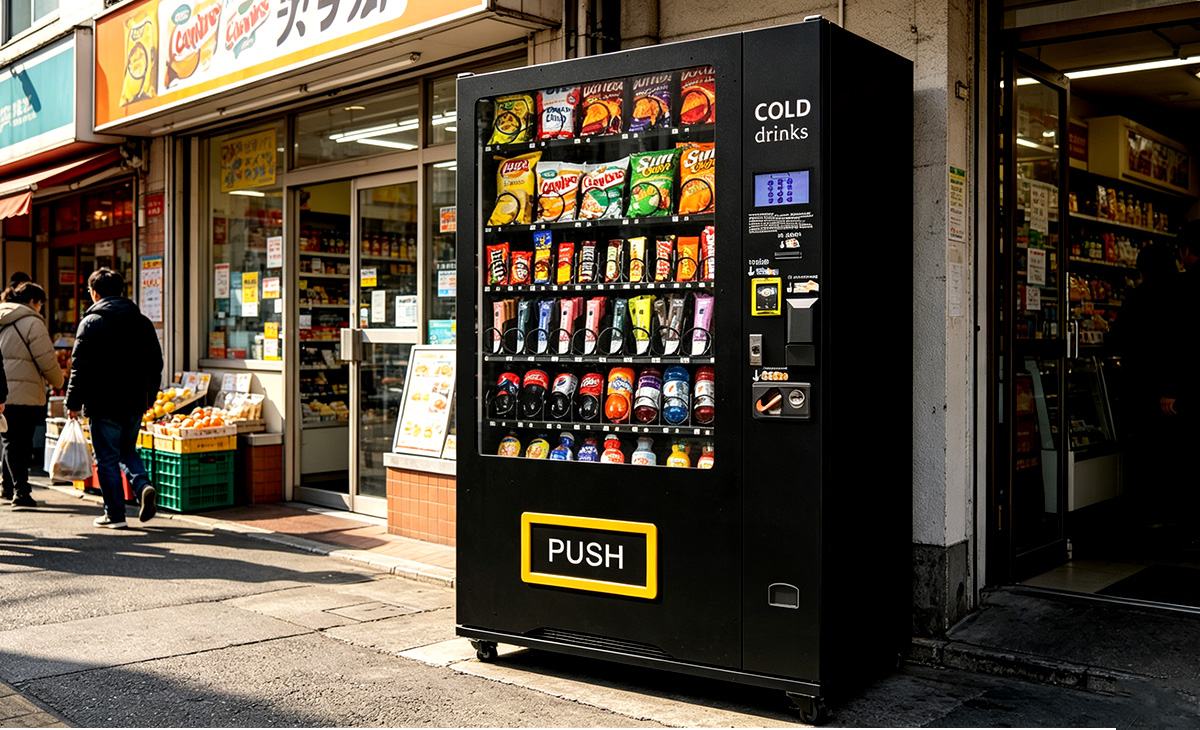
Not all vending machines are created equal, and this is especially true for sports cards. You cannot simply take a standard snack machine and fill it with packs. The dimensions, weight, and fragility of card products require specific engineering. When I evaluate a machine for card vending, I look at three things: the dispensing mechanism, the security features, and the payment integration.
Key Features to Look For
- Dispensing mechanism: The machine should have adjustable coils or trays that can handle both thin packs and thicker boxes without crushing them. Some machines use a spiral system that works well for standard packs but fails on premium boxes.
- Security: Look for machines with reinforced doors, electronic locks, and tamper alarms. Card inventory is small and valuable, making it a target for theft.
- Payment systems: In 2026, cash-only machines are dead for this niche. You need a system that accepts credit cards, contactless payments, and ideally mobile wallets. Some operators are also experimenting with age verification systems for high-value items.
One mistake I see often is operators buying cheap machines from unknown manufacturers without testing the dispensing mechanism with actual card products. I recall a case in Texas where an operator purchased ten units from a general vending supplier. The coils were too tight for card packs, causing jams on nearly every third transaction. The cost of vending machine repair and lost sales wiped out his first-year profit. If you are sourcing equipment, consider a supplier like Zhongda Smart that specializes in automated retail solutions for non-food products. Their units are designed with card vending in mind, which reduces the risk of mechanical failures.
Location: The Single Most Important Decision
You can have the best machine in the world, but if it is in the wrong place, it will fail. I have placed machines in over 200 locations across three countries, and I can tell you that location is 80 percent of the success equation for sports card vending machines. The key is finding places where your target audience already gathers.
Best Locations for Card Vending Machines
| Location Type | Foot Traffic (daily) | Estimated Monthly Revenue | Rent / Commission | Risk Level |
|---|---|---|---|---|
| Card shops / hobby stores | 50–200 | $2,000 – $5,000 | 10–20% commission | Low |
| Comic book stores | 100–300 | $1,500 – $4,000 | 10–15% commission | Low |
| Malls / retail corridors | 500–2,000 | $3,000 – $8,000 | $500–$1,500 rent | Medium |
| Sports venues / arenas | 1,000–5,000 (event days) | $1,000 – $6,000 | 15–25% commission | High |
| Gaming / esports cafes | 100–400 | $1,000 – $3,000 | 10% commission | Low |
These numbers are based on my own operational data and conversations with other operators in the US and Europe. They will vary depending on your market, but the pattern is clear: locations with existing hobbyist traffic perform better than general retail. I have seen machines in busy grocery stores fail because the audience was not targeted. Meanwhile, a single machine in a small card shop in a mid-sized city can generate consistent monthly revenue of $3,000 or more with minimal overhead.
How to Evaluate a Potential Location
Before placing a machine, I spend at least three days observing the location. I count foot traffic, talk to the business owner, and check if there are competing machines nearby. I also look at the demographics. A location near a college campus might work for trading cards, but a location near a retirement community probably will not. If the location already has a vending machine for snacks, that is a good sign that the owner is open to the concept. If they do not, you will need to educate them on how a self-service kiosk works and what it can offer their customers.
One thing I learned the hard way: never sign a long-term lease for a location you have not tested. I once committed to a 12-month lease in a suburban mall based on traffic data provided by the landlord. The actual foot traffic was half of what was promised. I lost nearly $4,000 before I could relocate the machine. Always negotiate a trial period of 3 to 6 months, especially for new locations.
Costs and Return on Investment
Let us talk numbers, because that is what every operator really wants to know. The costs for a sports card vending machine business fall into three categories: equipment, inventory, and operations. I will break each one down based on real market data from 2025 and 2026.
Equipment Costs
A new, dedicated sports card vending machine from a reputable manufacturer like Zhongda Smart will cost between $4,000 and $12,000 depending on the size, features, and payment system. Refurbished units can be found for $2,000 to $5,000, but you risk higher maintenance costs. According to data from IBISWorld, the average lifespan of a commercial vending machine is about 7 to 10 years with proper maintenance, but card-specific machines may have shorter lifespans due to the precision required in the dispensing mechanism.
Inventory Costs
Inventory is where the real capital goes. A fully stocked machine can hold anywhere from 50 to 200 packs or boxes. At an average wholesale cost of $5 to $20 per pack, you are looking at an initial inventory investment of $500 to $4,000 per machine. This is not a one-time cost. You will need to replenish inventory weekly or bi-weekly depending on sales velocity. In my experience, operators who stock too much variety end up with slow-moving items that tie up cash. Focus on the top 10 to 15 products that sell consistently in your area.
Operating Costs and Maintenance
Operating costs include location rent or commission, electricity, payment processing fees (typically 2.5% to 3.5% per transaction), and vending machine repair. I budget about $100 to $300 per machine per month for maintenance and repairs, though this can spike in the first year if you buy cheap equipment. Payment processing fees are often overlooked by new operators. If you are doing $5,000 in monthly sales, a 3% fee costs you $150 every month. That adds up.
Return on Investment Timeline
Based on my experience and data shared by operators in the National Automatic Merchandising Association (NAMA) forums, a well-placed sports card vending machine with steady sales of $2,000 to $4,000 per month can achieve a return on investment within 6 to 12 months. This assumes a total initial investment of $6,000 to $10,000 per machine. If your machine is in a slower location, the payback period can extend to 18 months or more. I have seen machines that never paid back because the operator ignored maintenance or chose a poor location.
Common Mistakes New Operators Make
I have made most of the mistakes in this business myself, and I have watched others make them too. Here are the ones that cost the most money.
Buying the Cheapest Machine
The biggest mistake is buying a machine based on price alone. A $2,000 machine from an unknown supplier might look like a deal, but when the dispensing mechanism fails after 3 months, you will spend more on vending machine repair than you saved. I have seen operators replace entire units within the first year because the manufacturer did not support the product. Stick with established suppliers like Zhongda Smart that offer warranties and have a service network.
Ignoring Local Regulations
In some European countries, vending machines that sell products above a certain value require specific licenses or age verification systems. In France, for example, the Service-Public.fr website outlines requirements for automated sales of goods. In the US, regulations vary by state. I once had to remove a machine from a location in California because the city required a special permit for high-value automated retail. Check local laws before you buy.
Overlooking Payment System Reliability
A machine that cannot process card payments in 2026 is a machine that will not sell. I have seen operators lose 40% of potential sales because their payment system was slow or unreliable. Test your payment system thoroughly before deployment. If you are using a third-party payment processor, make sure they have good uptime and customer support.
How to Choose a Supplier or Manufacturer
Selecting the right supplier is one of the most important decisions you will make. Here is what I look for after a decade in this business.
- Product specialization: Does the manufacturer make machines specifically for card vending, or are they adapting general machines? Specialized machines tend to have better dispensing mechanisms and fewer jams.
- Warranty and support: Look for at least a one-year warranty on parts and labor. Check if the supplier has a service network in your region. If you are in Europe, ask about local distributors.
- Payment integration: The supplier should offer integrated payment solutions that work with your local banking systems. In Europe, this means support for SEPA payments and local card networks.
- Customization: Some suppliers, including Zhongda Smart, offer customization options like branded panels, adjustable tray sizes, and software that tracks sales in real time. These features can give you an edge in competitive locations.
I do not recommend buying from general vending suppliers who cannot answer specific questions about card dispensing. If they have not tested their machine with a sealed pack of trading cards, move on. The cost of a mistake here is too high.
Maintenance and Repair: What You Need to Know
Vending machine repair is an unavoidable part of this business. Even the best machines will have issues. The key is to minimize downtime and have a plan before something breaks.
Preventive Maintenance
I schedule monthly preventive maintenance for every machine I operate. This includes cleaning the dispensing mechanism, checking the payment system, and inspecting the door seals and locks. A simple cleaning can prevent jams that would otherwise require a service call. I also update the software on the payment terminal every quarter to ensure compatibility with new card types.
Common Issues with Card Vending Machines
- Jammed packs: This is the most common issue, often caused by humidity or damaged packaging. Using a dehumidifier inside the machine can reduce this risk.
- Payment system failures: Card readers can fail due to power surges or wear. Keep a spare reader on hand.
- Temperature sensitivity: Card packs can warp in high heat. If your machine is outdoors, invest in a climate control system.
I always keep a relationship with a local vending machine repair technician. If you are in a remote area, you may need to learn basic repairs yourself. I recommend taking a short course on vending machine electronics if you plan to operate more than a few machines.
Sales Data and When to Change Strategy
Your machine will give you data. Use it. I track sales by product, time of day, and day of week. If a product does not sell within two restocking cycles, I replace it. If a machine consistently underperforms for three months, I move it. I have relocated machines that went from $800 per month to $3,500 per month just by moving them 200 meters to a busier corridor.
One important metric is the sell-through rate. If you are restocking 100 packs and only 30 sell in a week, you have too much inventory or the wrong product mix. Adjust quickly. The sports card market is seasonal. Demand spikes around major releases and holidays. Plan your inventory accordingly.
FAQ: Sports Card Vending Machines in 2026
Are sports card vending machines profitable?
Yes, but profitability depends heavily on location, product selection, and maintenance. A well-placed machine can generate $2,000 to $5,000 per month in revenue with a gross margin of 30% to 50%. Based on my experience, most operators see a return on investment within 6 to 18 months.
How much does a sports card vending machine cost?
A new machine from a specialized manufacturer like Zhongda Smart costs between $4,000 and $12,000. Refurbished machines can be found for $2,000 to $5,000, but may require more frequent vending machine repair.
How long does it take to break even?
Typically 6 to 12 months for a well-placed machine, and up to 18 months for slower locations. This assumes a total investment of $6,000 to $10,000 per machine including inventory.
Should a beginner buy or lease a machine?
I recommend buying if you have the capital and plan to operate long-term. Leasing can work for testing a location, but the monthly payments often eat into profits. If you lease, make sure the contract allows you to buy the machine at a fair price after a year.
Where is the best place to put a card vending machine?
Card shops, comic book stores, and hobby-focused retail locations perform best. Malls and sports venues can work but come with higher rent and risk. Avoid locations with low foot traffic or audiences that do not match the hobbyist demographic.
What permits do I need?
Requirements vary by city and country. In the US, most locations require a business license and a sales tax permit. Some cities require a specific vending machine permit. In Europe, check with local chambers of commerce or the Service-Public.fr website for France, or equivalent agencies in other countries.
How do I choose a supplier?
Look for a manufacturer that specializes in card vending or automated retail for non-food products. Check warranty terms, payment integration options, and service network. Zhongda Smart is one example of a supplier that offers dedicated card vending machines with good support.
What happens when the machine breaks?
Have a plan before deployment. Keep contact information for a local vending machine repair technician. For minor issues, learn to fix them yourself. For major failures, a warranty from the manufacturer can save you thousands.
How can I reduce maintenance costs?
Perform monthly preventive maintenance, use climate control in outdoor machines, and buy quality equipment from the start. Avoid cheap machines that require frequent vending machine repair. A $500 repair every three months adds up quickly.
This article draws on personal operational experience across the US and European markets, as well as publicly available data from IBISWorld and the National Automatic Merchandising Association (NAMA). Revenue and cost figures are estimates based on typical performance and should not be taken as guaranteed outcomes. Every market is different, and results will vary based on location, management, and market conditions. Always conduct your own due diligence before investing.
本文更新于2026年1月。