Cool Vending Machine_ Prices, Profit Potential, and Setup Guide for Beginners
If you have been looking into starting a vending machine business, you have likely asked yourself the same question every beginner asks: is this actually profitable, or am I just buying myself a part-time job? After spending over a decade placing machines across the United States and Europe, I can tell you that the answer depends entirely on three things: the machine you choose, where you put it, and how you manage it. A cool vending machine is not just about sleek LED lights and a glass front. It is about understanding unit economics, foot traffic patterns, and the difference between a machine that earns two hundred dollars a month and one that earns two thousand. In this guide, I will walk you through real costs, realistic profit potential, and the exact setup steps I use when evaluating a new location or supplier.
What Makes a Vending Machine “Cool” in Today’s Market
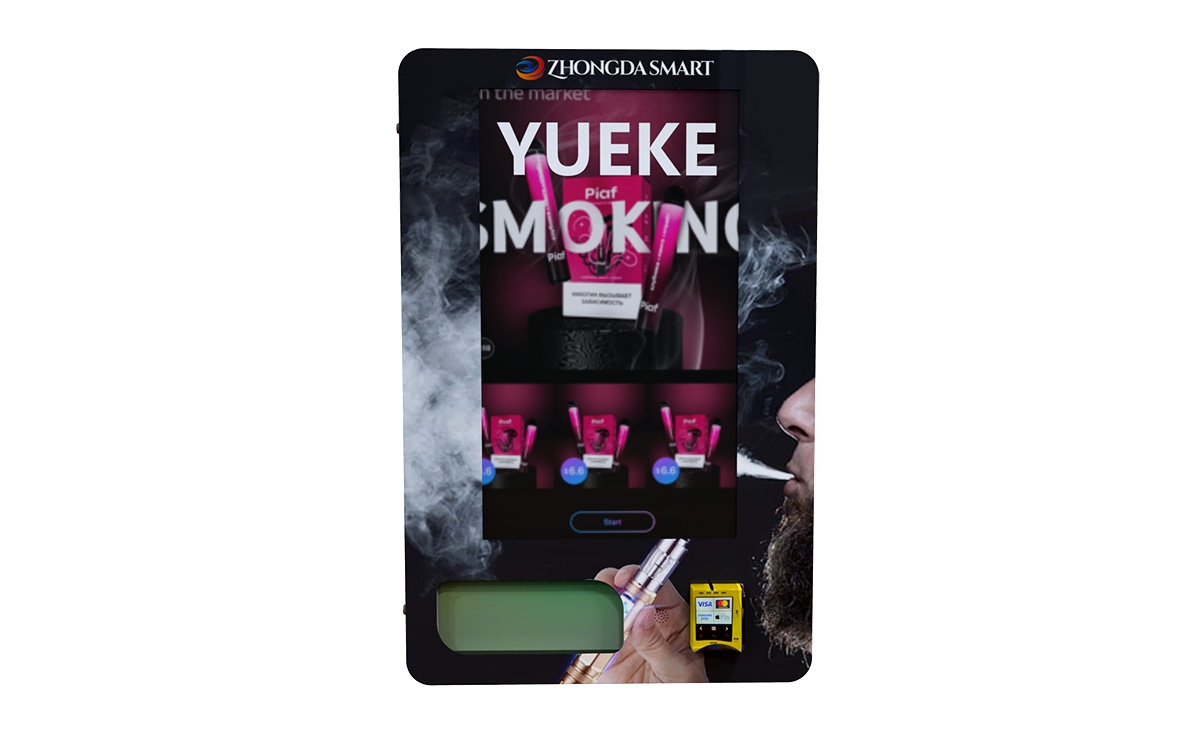
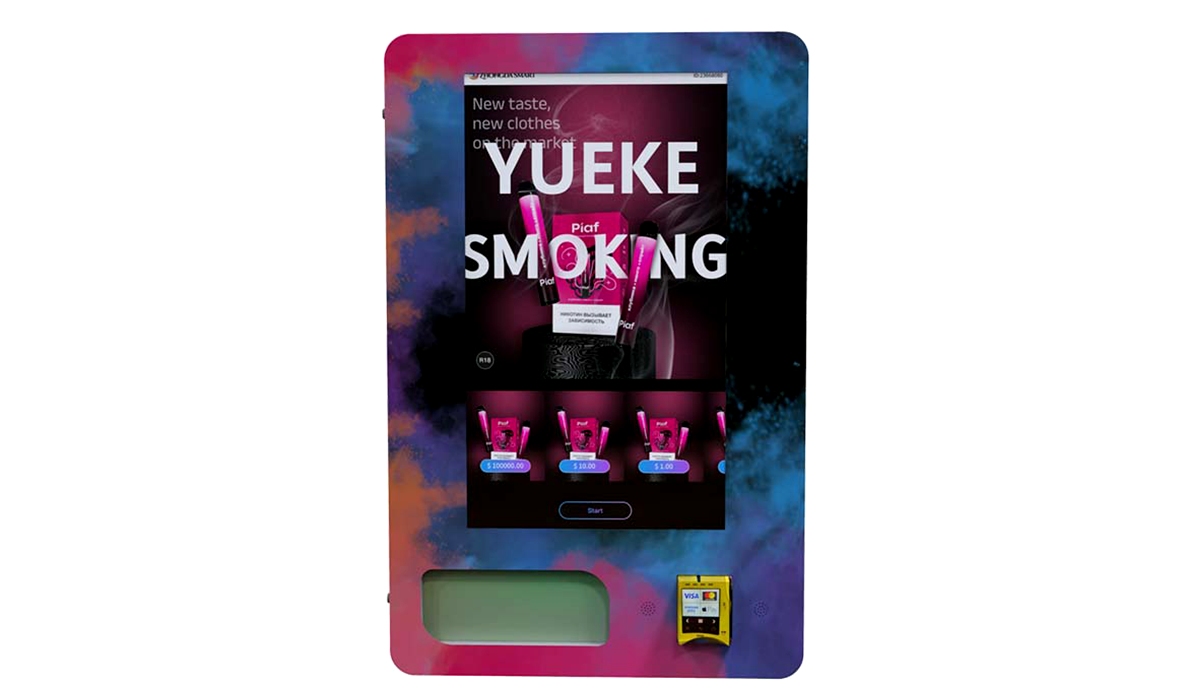
The word “cool” in the vending world has shifted over the years. When I started, a cool machine meant one that simply accepted credit cards. Today, a cool vending machine typically refers to models with digital touchscreens, cashless payment systems, telemetry for remote inventory monitoring, and often a modern industrial design that fits into a retail or office lobby without looking out of place. These machines are sometimes referred to as self-service kiosks or automated retail units, and they represent a significant upgrade from the traditional metal boxes you still see in older train stations.
What makes these machines attractive to operators is not just the aesthetics. It is the data. A machine with telemetry tells you exactly what sold, at what time, and at what price. You do not need to drive to the location to check inventory. That alone can cut your labor costs by thirty to forty percent. If you are a beginner, I strongly recommend starting with a machine that includes remote monitoring, even if it costs a bit more upfront. The time you save will pay for the difference within the first year.
Profit Potential: What the Numbers Actually Look Like
I have seen too many online articles promising that a single vending machine can generate five thousand dollars per month. Those numbers are almost always misleading. Based on my own experience across roughly forty locations over the past decade, a well-placed machine in a mid-traffic location will average between four hundred and eight hundred dollars in monthly revenue. High-traffic locations like hospitals, busy transit hubs, or large manufacturing plants can push that number to twelve hundred or even fifteen hundred dollars per month. But those locations are harder to secure and usually come with higher commission fees or rental costs.
Let me give you a realistic breakdown based on a typical snack and drink machine placed in a small office building with about one hundred employees. The machine sells a mix of chips, candy, granola bars, bottled water, and soda. Monthly revenue averages around six hundred and fifty dollars. Cost of goods sold runs about forty-five percent, leaving a gross profit of roughly three hundred and fifty-seven dollars. Subtract machine payment, credit card processing fees, and a small location commission, and your net profit per machine lands around two hundred to two hundred and fifty dollars per month. That is not a life-changing number, but with five machines, you are looking at over a thousand dollars per month in passive-ish income. According to IBISWorld, the vending machine industry in the United States alone generates over seven billion dollars annually, with average profit margins hovering between ten and fifteen percent for small operators. That aligns closely with what I have seen on the ground.
Why Margins Vary More Than You Expect
The biggest variable is not the machine. It is the product mix. I have watched operators fill a machine with name-brand soda and chips, only to wonder why they are barely breaking even. The truth is that name-brand products carry lower margins. If you can introduce private-label or higher-margin items like protein bars, premium coffee, or healthy snacks, your margin can jump from forty percent to sixty percent. The catch is that you need to know your audience. A machine full of kale chips will sit untouched in a construction site break room, but it will sell out in a yoga studio lobby. You have to match the product to the people.
How Much Does a Cool Vending Machine Actually Cost?
This is where many beginners get tripped up. They see a used machine on a marketplace for eight hundred dollars and think they have found a deal. What they do not realize is that an old machine without a card reader, without telemetry, and with an outdated compressor will cost them more in repairs and lost sales than a new machine would have cost in the first place. A reliable new machine from a reputable manufacturer will run you between three thousand and seven thousand dollars depending on the size, features, and whether it is a combo unit that sells both snacks and drinks.
For example, a basic snack-only machine with a card reader and telemetry starts around three thousand five hundred dollars. A full-size combo machine with a glass front, LED lighting, and remote monitoring typically costs between five thousand and six thousand five hundred dollars. I have worked with Zhongda Smart on several deployments, and their mid-range combo units fall right in that sweet spot. They offer solid build quality, good energy efficiency, and the kind of telemetry that saves you from guessing what is inside the machine. If you are sourcing from overseas, just factor in shipping, import duties, and any certification costs for CE or UL compliance, which can add ten to twenty percent to your total.
Hidden Costs Beginners Forget to Budget For
I keep a running list of costs that first-time operators overlook. Credit card processing fees are one of them. Most modern machines are cashless, and processing fees run between two and a half and three and a half percent per transaction. That adds up. Location commission is another. Some locations ask for a flat monthly fee. Others want a percentage of sales, typically between ten and twenty percent. You also need to budget for machine repair. Even the best machines break. A compressor failure can cost three hundred to six hundred dollars to fix. I recommend setting aside ten percent of your monthly revenue for maintenance and repairs. That is not a guess. That is a number I arrived at after tracking every dollar I spent on vending machine repair over a five-year period.
Location Is Everything: How I Evaluate a Spot
I have placed machines in what looked like perfect locations that failed, and in locations I almost passed on that ended up being my best performers. The difference comes down to understanding foot traffic quality, not just quantity. A location with five hundred people walking through a hallway to get to a cafeteria that already sells drinks is not a good location. A location with two hundred employees who have no other option for snacks within a ten-minute walk is a goldmine.
When I evaluate a potential spot, I ask four questions. First, how many people pass by the machine during the operating hours? Second, do those people have easy access to alternative food or drink options? Third, is the location secure and climate-controlled? Fourth, is there a clear point of contact who can help if the machine needs attention? If the answer to all four is positive, I move forward. If not, I walk away. I have learned the hard way that a machine in a poorly managed location will drain your time and your patience.
The Best Locations I Have Found Over the Years
Based on my experience, the most consistent performers are manufacturing plants, auto repair shops, warehouses, medical offices, and college dormitories. Manufacturing plants are especially good because shifts run around the clock, and workers often cannot leave the floor. Medical offices are good because patients and staff both use the machine, and the foot traffic is steady. College dorms work well if you can get an exclusive contract, but be prepared for higher wear and tear. Retail stores and small retail shops are riskier because the foot traffic is unpredictable and the competition from nearby convenience stores is high.
Comparison Table: Machine Types, Costs, and Profit Potential
| Machine Type | Typical Cost (New) | Monthly Revenue Range | Gross Margin | Best Location Type |
|---|---|---|---|---|
| Snack-Only Machine | $3,000 – $4,500 | $300 – $700 | 40% – 55% | Offices, small break rooms |
| Drink-Only Machine | $3,500 – $5,000 | $400 – $800 | 35% – 50% | Gyms, schools, transit hubs |
| Combo Snack & Drink Machine | $5,000 – $6,500 | $600 – $1,200 | 40% – 55% | Manufacturing, medical offices |
| Self-Service Kiosk (High-End) | $7,000 – $12,000 | $800 – $1,800 | 45% – 60% | Hotels, corporate lobbies |
These numbers are based on my own operating history and discussions with other operators across the US and Europe. Your actual results will vary based on location, product pricing, and local economic conditions. The table is meant to give you a realistic starting point, not a guarantee.
How to Choose a Supplier: What I Look For
I have bought machines from large US distributors, small importers, and directly from manufacturers overseas. Each approach has trade-offs. Buying from a domestic distributor gives you faster support and easier warranty claims, but you pay a premium. Buying directly from a manufacturer like Zhongda Smart gives you better pricing and more customization options, but you need to handle shipping and certifications yourself. If you are comfortable with logistics and have a basic understanding of electrical requirements, direct sourcing is worth it.
When I evaluate a supplier, I check three things. First, do they offer a warranty of at least one year on the compressor and electronics? Second, do they provide clear documentation on installation, cleaning, and basic troubleshooting? Third, can they supply parts for the machine for at least five years? If a supplier cannot answer yes to all three, I move on. I have seen too many operators stuck with a broken machine because the manufacturer stopped supporting it after two years.
Red Flags When Buying Used Machines
I am not against used machines. I have bought several and made good money on them. But I have also made expensive mistakes. The biggest red flag is a machine that has been sitting outside or in an unheated warehouse. Moisture and temperature swings damage the electronics and the refrigeration system in ways that are not always visible. Another red flag is a machine that does not have a modern card reader. Retrofitting an old machine with a new payment system can cost five hundred to eight hundred dollars, and the compatibility issues can be a headache. If you are buying used, budget at least five hundred dollars for repairs and upgrades, and do not pay more than fifteen hundred dollars for a machine that needs work.
Setting Up Your First Machine: Step by Step
Once you have your machine and a location locked in, the setup process is straightforward but requires attention to detail. Start by checking the power requirements. Most machines need a standard 110V or 220V outlet, but some larger combo units require a dedicated circuit. Do not assume the location has the right outlet. I have shown up to a location with a machine that needed a 20 amp circuit only to find a 15 amp outlet shared with a refrigerator. That mistake cost me a return trip and a half day of labor.
Next, set up your payment system. If your machine supports cashless payments, you will need a merchant account or a payment aggregator. I use a provider that charges a flat monthly fee plus transaction fees. Avoid contracts with early termination fees. You want the flexibility to switch if the service is poor. Test every payment method before you leave the site. Tap, swipe, insert, and cash. If one method does not work, you are losing sales without knowing it.
Stocking and Pricing Strategy
When you stock your machine for the first time, do not overload it with every product you can think of. Start with twenty to thirty SKUs that you know sell well in similar locations. Price your items at a small premium over convenience store prices. In my experience, a twenty to thirty percent markup over retail is standard and accepted by most customers. If you price too high, you will get complaints and low sales. If you price too low, you will not cover your costs. I adjust prices based on the location. A machine in a hospital can support a higher markup than a machine in a school cafeteria.
Maintenance and Repair: What to Expect
No matter how good your machine is, it will break. The most common issues I have dealt with are jammed vending mechanisms, failed card readers, and refrigeration problems. Most jams can be cleared with basic tools and a few minutes of patience. Card reader issues usually require a call to the payment provider. Refrigeration problems are the most serious and often require a technician. I recommend finding a local appliance repair person who is willing to work on vending machines. Not all repair shops will touch them, so build that relationship before you need it.
For routine maintenance, I clean the glass and the keypad every time I restock. I also check the temperature inside the machine with a simple thermometer. If the temperature drifts above forty degrees Fahrenheit for a drink machine, you risk spoilage and customer complaints. I have lost entire product loads to a failing thermostat that I ignored for too long. Learn from my mistake and check the temperature every visit.
Common Mistakes I See Beginners Make
The most common mistake is buying a machine before securing a location. I have seen people buy a machine, store it in their garage, and then spend months trying to find a place to put it. By the time they find a location, the warranty has expired and the machine has lost value. Always secure the location first, even if it is just a handshake agreement. The second most common mistake is underestimating the time required for restocking and maintenance. A single machine might only take thirty minutes per week, but if you have ten machines spread across a city, you are looking at a full day of driving and restocking. Plan your route efficiently, or your profit will disappear into fuel costs and time.
The third mistake is ignoring sales data. If you have a machine with telemetry, look at the data every week. If an item has not sold in two weeks, replace it. If a product sells out every restock, increase the order quantity. I have watched operators leave the same slow-moving products in a machine for months because they did not bother to check the numbers. That is money sitting on a shelf. Treat your machine like a retail store. If a product does not move, mark it down or replace it.
Business Models: Buy, Lease, or Revenue Share
Most beginners buy their machines outright, but that is not the only option. Leasing a machine from a supplier can reduce your upfront cost to a few hundred dollars per month, but you will pay more in the long run and you may be locked into a contract. Revenue sharing with the location owner is another option. In this model, the location provides the space and electricity, and you split the revenue fifty-fifty or sixty-forty. This works well for high-traffic locations where the owner wants a cut of the action without buying the machine. I have used this model in a few locations and it works fine, but make sure you have a clear written agreement about who handles maintenance and restocking.
| Model | Upfront Cost | Monthly Cost | Profit Share | Best For |
|---|---|---|---|---|
| Outright Purchase | $3,000 – $6,500 | $0 | 100% to operator | Operators with capital and control |
| Lease | $0 – $500 | $100 – $300 | 100% to operator | Beginners with limited cash |
| Revenue Share with Location | $0 – $500 | $0 | 50% – 60% to operator | High-traffic locations with strong partners |
Regulations and Permits You Need to Know
In the United States, most states require a sales tax permit if you are selling tangible goods through a vending machine. Some states also require a specific vending machine license. In Europe, the regulations vary by country. In France, for example, you need to register with the Chamber of Commerce and comply with food safety regulations if you sell perishable items. The European Vending Association provides guidelines on hygiene and machine placement. I recommend checking with your local business licensing office before you buy your first machine. The fine for operating without a permit can be more than the cost of the machine itself.
If you are selling food items, you may also need to follow local health department regulations. In some jurisdictions, machines that sell perishable items are subject to inspection. I have had to provide temperature logs for machines in healthcare facilities. Keep a simple logbook or use the telemetry data to prove that your machine stays within safe temperature ranges. According to a report from the European Commission on food safety in automated retail, compliance with HACCP principles is recommended for any machine selling temperature-sensitive products. That report is publicly available and worth reading if you plan to sell items like sandwiches, salads, or dairy products.
FAQ: Answers to the Questions I Get Most Often
Is a vending machine business actually profitable?
Yes, but it is not a get-rich-quick model. A single machine can generate a few hundred dollars in monthly profit if placed well and managed properly. Profitability depends on location, product margin, and how efficiently you run your routes. Most operators I know run multiple machines to make a meaningful income.
How much does a vending machine cost for a beginner?
A new machine with modern features like cashless payment and telemetry costs between three thousand and seven thousand dollars. Used machines can be found for under two thousand dollars, but expect to spend additional money on repairs and upgrades. I recommend budgeting at least four thousand dollars for your first machine including initial stock and setup costs.
How long does it take to break even?
Based on my experience, a well-placed machine breaks even within twelve to eighteen months. If you buy a used machine and place it in a great location, you might break even in nine months. If you buy a new machine and place it in a mediocre location, it could take two years or more. The break-even timeline is directly tied to location quality.
Should a beginner buy a new or used machine?
If you have mechanical skills and are comfortable troubleshooting, a used machine can be a good entry point. If you want a machine that works reliably from day one and includes a warranty, buy new. I started with used machines and learned a lot, but I also spent a lot of time fixing them. If your time is valuable, buy new.
Where should I put my first machine?
Look for locations with at least one hundred people passing through daily, limited access to other food options, and a climate-controlled environment. Manufacturing plants, auto repair shops, and medical offices are my top recommendations. Avoid locations where the owner is not present or where the space is shared with another vending machine.
What permits do I need to operate a vending machine?
You will likely need a business license, a sales tax permit, and possibly a specific vending machine license depending on your state or country. If you sell food, you may also need a food handler permit or health department approval. Check with your local government before you set up your first machine.
How do I choose a vending machine supplier?
Look for a supplier that offers a warranty, provides clear documentation, and has a track record of supporting their machines for at least five years. I have had good experiences with Zhongda Smart for their combo machines. Compare pricing, shipping costs, and warranty terms before making a decision. Do not base your choice on price alone.
What happens if my machine breaks down?
Most common issues can be fixed with basic tools and a phone call to the payment provider. For refrigeration problems, you will need a technician. I recommend having a local repair person lined up before you need them. Keep a small inventory of spare parts like coin mechanisms and card readers if you have multiple machines.
How can I reduce restocking and maintenance costs?
Use a machine with telemetry so you only visit when you need to restock. Plan your restocking route to minimize driving time. Buy products in bulk from a wholesale club or distributor to lower your cost of goods. And clean your machine regularly to prevent issues that lead to costly machine repair calls.
Final Thoughts from a Decade in the Business
I have seen the vending machine industry change more in the last five years than in the ten years before that. Cashless payments, remote monitoring, and better machine designs have made it easier for a beginner to start and succeed. But the fundamentals have not changed. You still need to understand your location, your product mix, and your costs. You still need to be willing to drive to a machine on a Sunday afternoon when the card reader stops working. And you still need to treat it like a business, not a hobby.
If you are thinking about buying your first machine, start small. Buy one machine, place it in a solid location, and learn the rhythm of restocking, maintenance, and customer behavior. Once you have that machine running smoothly, scale from there. The operators who fail are the ones who try to grow too fast without understanding the basics. The ones who succeed are the ones who pay attention to the details, track their numbers, and keep their machines clean and stocked.
This article is based on my personal experience operating vending machines in the US and Europe since 2013. All revenue and cost figures are estimates drawn from my own records and discussions with other operators. Your results will vary. Always verify local regulations and consult a business advisor before making any investment.
本文更新于 2025 年 2 月。