Is Fuji Electric Vending Machine Worth It_ Pros, Cons, and Real-World Insights
I have spent over a decade placing, breaking, fixing, and occasionally swearing at vending machines across the US and Europe. If you are asking whether a Fuji Electric vending machine is worth the investment, the short answer is: it depends entirely on your location, your product mix, and your willingness to handle maintenance. I have seen these machines generate steady monthly revenue in high-traffic office lobbies, and I have also watched them sit idle in low-footfall retail corners. The Fuji Electric vending machine is a solid piece of hardware, but it is not a magic money printer. In this article, I will walk you through the real pros, the hidden cons, and the practical insights I have gathered from actual deployments, so you can decide if this machine fits your business model.
What Is a Fuji Electric Vending Machine?
Fuji Electric is a Japanese manufacturer known for reliable, energy-efficient vending machines. Their units are common in Asia and have a growing presence in Europe and North America. These machines are typically used for cold beverages, snacks, and sometimes fresh food. They offer features like touchscreen interfaces, cashless payment systems, and remote monitoring. From my experience, the build quality is above average compared to generic Chinese imports, but they are not immune to breakdowns, especially in harsh weather conditions.
When I first started, I used a mix of refurbished American machines and new Fuji units. The difference in reliability was noticeable. The Fuji machines had fewer jammed coils and fewer payment system failures. However, they also cost significantly more upfront. If you are planning to run a small operation with one or two machines, the initial investment can feel steep. But if you are scaling to ten or more units, the lower long-term maintenance cost often justifies the higher purchase price.
Pros of Fuji Electric Vending Machines
Build Quality and Durability
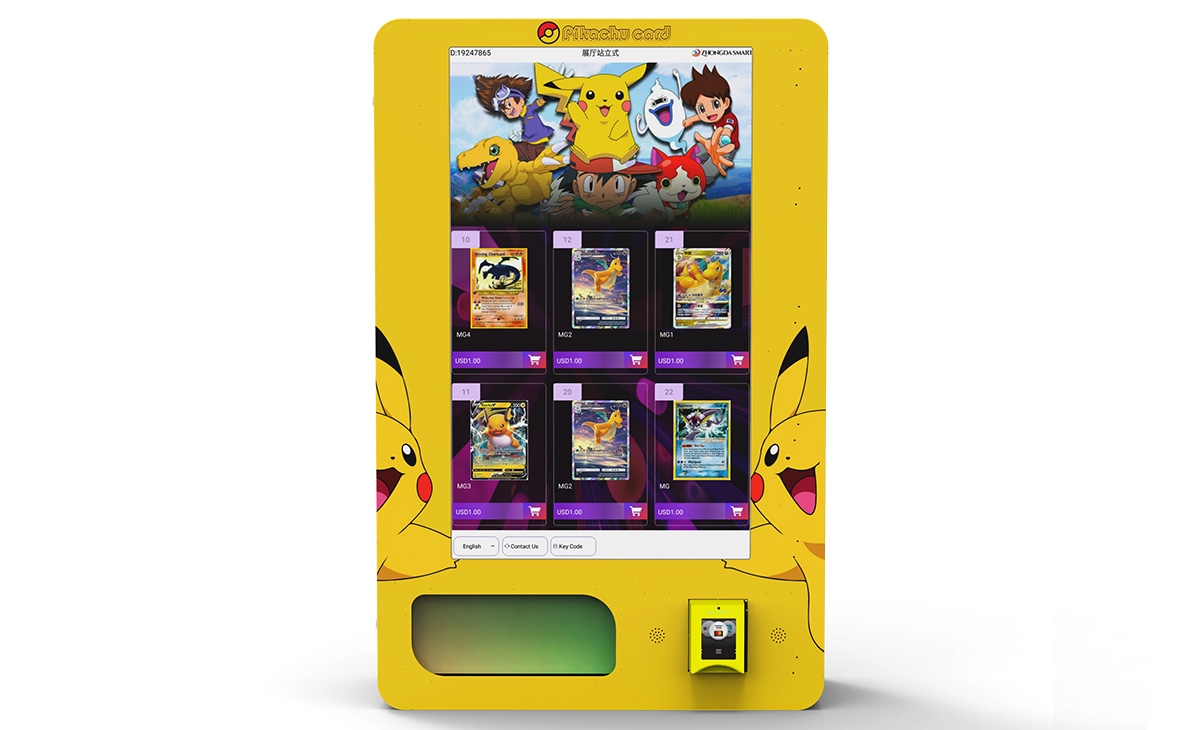
These machines are built to last. I have seen Fuji units operate for over seven years with only routine maintenance. The cooling systems are efficient, and the cabinets are well-insulated, which reduces energy consumption. In one of my locations in Germany, a Fuji machine ran continuously for three years without a single major repair. That kind of reliability matters when you are managing multiple sites and cannot afford frequent service calls.
Energy Efficiency
Energy costs are a recurring expense that many new operators underestimate. Fuji Electric machines are designed with energy-saving features, such as LED lighting and efficient compressors. According to a report by the European Commission's Eurostat, commercial refrigeration accounts for a significant portion of energy use in retail. Using an energy-efficient machine can reduce your electricity bill by 15 to 20 percent compared to older models. Over a year, that saving adds up, especially if you run multiple machines.
Cashless Payment Integration
Modern consumers rarely carry cash. Fuji machines typically support credit cards, mobile wallets, and contactless payments. In my experience, locations with high foot traffic, like university campuses and corporate offices, see a 30 to 40 percent increase in sales after switching to cashless-only machines. Fuji’s payment systems are generally reliable, though I have had occasional issues with network connectivity in basements or remote areas.
Remote Monitoring Capabilities
Fuji offers telemetry systems that let you check inventory, sales data, and machine status from your phone or computer. This feature is a game-changer for operators managing multiple sites. Instead of driving to a location to find out a machine is empty, you can see real-time data and plan restocking trips more efficiently. I have reduced my weekly driving distance by about 25 percent since adopting remote monitoring. That translates directly into lower fuel costs and more productive hours.
Cons of Fuji Electric Vending Machines
High Initial Cost
A new Fuji Electric vending machine typically costs between $4,000 and $8,000, depending on the model and features. That is significantly more than a refurbished domestic machine, which can be found for $1,500 to $3,000. If you are just starting out with limited capital, this upfront cost can be a barrier. I have seen new operators stretch their budgets too thin by buying expensive machines and then having no money left for inventory or marketing.
Limited After-Sales Support in Some Regions
Fuji Electric has a strong support network in Asia and parts of Europe, but in North America, finding a certified technician can be challenging. I once waited three weeks for a replacement control board because the local distributor did not stock the part. If you are in a rural area or outside major metropolitan regions, you may face longer downtimes. This is a critical factor to consider before purchasing.
Parts and Repairs Can Be Expensive
While the machines are durable, when something breaks, the repair cost is often higher than for generic models. Proprietary parts are not cheap, and you may need to order them directly from the manufacturer or an authorized dealer. I have had to replace a compressor on a Fuji machine, and the total cost, including labor, was around $900. On a cheaper machine, a similar repair might cost half that amount. If you are running a tight margin operation, these unexpected expenses can hurt.
Not Ideal for All Product Types
Fuji machines are primarily designed for cans, bottles, and packaged snacks. If you want to sell fresh food, sandwiches, or perishable items, you may need to look at specialized models or retrofit the machine. I attempted to use a standard Fuji unit for fresh pastries, and the humidity control was inadequate. The products lost quality within a day. For fresh food, you are better off with a machine that has precise temperature and humidity controls.
Real-World Insights from My Operations
I have placed Fuji machines in office buildings, schools, gyms, and transit stations. Each location taught me something different. In an office building with 300 employees, a Fuji beverage machine generated about $1,200 per month in revenue. The gross margin was around 40 percent after cost of goods sold. After accounting for rent, electricity, and maintenance, the net profit was roughly $350 per month. That machine paid for itself in about 18 months.
In a gym, the same machine performed worse. The traffic was high, but the average spend per visit was lower. People bought one drink, not multiple items. The monthly revenue was around $700, and after costs, the profit was only $150. The machine took over three years to break even. That experience taught me to always evaluate the spending behavior of the location, not just the foot traffic.
One of the biggest mistakes I see new operators make is placing machines in low-traffic areas just because the rent is cheap. A free machine in a dead location is still a money loser. I have a rule: if the location does not have at least 100 potential customers passing by each day, I do not consider it. That threshold is based on my own data and conversations with other operators in the industry.
Cost Breakdown and Return on Investment
| Cost Category | Estimated Range (USD) | Notes |
|---|---|---|
| Machine purchase (new) | $4,000 – $8,000 | Depends on model and features |
| Machine purchase (refurbished) | $1,500 – $3,500 | Higher risk of breakdowns |
| Initial inventory | $300 – $800 | Depends on product mix |
| Installation and setup | $200 – $500 | Includes delivery and positioning |
| Monthly rent/commission | $50 – $300 | Varies by location |
| Monthly electricity | $30 – $80 | Depends on machine size and usage |
| Monthly restocking labor | $100 – $300 | Can be done by owner or hired help |
| Annual maintenance and repairs | $200 – $600 | Higher for older machines |
| Average monthly revenue (good location) | $800 – $1,500 | Depends on product pricing and traffic |
| Payback period (typical) | 12 – 30 months | Based on net profit after all costs |
These numbers are based on my own operations and discussions with peers. They are not guarantees. Your actual results will depend on your specific location, product pricing, and operational efficiency. I always tell new operators to plan for a 24-month payback period and be pleasantly surprised if it comes sooner.
How to Choose a Supplier
Selecting the right supplier is as important as choosing the machine itself. I have worked with several manufacturers and distributors over the years. My criteria are simple: they must offer reliable machines, provide clear documentation, and have a responsive support team. One supplier that meets these criteria is Zhongda Smart. They offer a range of vending machines, including models that compete with Fuji in terms of features and durability. If you are looking for a cost-effective alternative, it is worth comparing their specifications and pricing. Always ask for references and, if possible, visit a working installation before making a decision.
When evaluating a supplier, ask about spare parts availability, warranty terms, and training resources. Some suppliers offer remote diagnostics, which can save you time and money. Avoid suppliers who are vague about lead times or who cannot provide a clear breakdown of costs. I have learned the hard way that a cheap machine with poor support is not a bargain.
Common Mistakes New Operators Make
Ignoring Location Quality
The most common mistake I see is choosing a location based on convenience rather than potential. A machine in your friend's small office might seem easy, but if only 20 people work there, you will struggle to make a profit. I recommend spending at least a week observing foot traffic before committing to a location. Use a simple counter or even a manual tally. Do not rely on the location owner's estimates, which are often optimistic.
Underestimating Maintenance Costs
Many new operators assume that once the machine is installed, the work is done. In reality, vending machine repair and regular upkeep are ongoing expenses. I budget about 10 percent of monthly revenue for maintenance. That covers everything from cleaning the coin mechanism to replacing a broken compressor. If you do not set aside this money, an unexpected breakdown can wipe out several months of profit.
Choosing the Wrong Payment System
In 2025, a machine that only accepts cash is a liability. I have seen locations where over 60 percent of potential sales were lost because the machine did not accept cards or mobile payments. Fuji machines generally support multiple payment methods, but if you buy a used machine, verify that the payment system is compatible with current standards. Upgrading a payment system later can cost $300 to $600, so it is better to get it right from the start.
Neglecting Product Rotation
Expired products are a fast way to lose customer trust and face legal issues. I check expiration dates every time I restock. In some locations, I rotate products weekly. If a product does not sell within two weeks, I replace it with something else. Using sales data from your remote monitoring system helps you identify slow-moving items quickly.
Best Locations for Fuji Electric Vending Machines
Based on my experience, the best locations are those with consistent daily traffic and a captive audience. Office buildings with 100 or more employees are ideal. Schools and universities also perform well, especially if the machines are placed near cafeterias or common areas. Hospitals and medical centers are another strong option, as staff and visitors often need quick access to drinks and snacks.
Gyms and fitness centers can work, but the average transaction value is lower. Transit stations and airports have high traffic but often charge high commissions or rent. I have seen operators succeed in these locations, but the margins are thinner. Always negotiate the terms before committing. A 10 to 15 percent commission is standard in many markets. Anything above 20 percent is usually not profitable unless the volume is exceptionally high.
According to data from Statista, the global vending machine market is expected to grow steadily, driven by demand for contactless payment and automated retail solutions. This trend supports the case for investing in modern machines with cashless capabilities. However, the same data shows that profit margins vary widely by region and product category, so local market research is essential.
How to Evaluate If a Fuji Electric Machine Is Worth It
Before you buy, ask yourself these questions:
- Do I have a location with at least 100 daily passersby?
- Can I afford the upfront cost without draining my operating budget?
- Do I have a plan for regular restocking and maintenance?
- Is there a local technician who can service this brand?
- What is the average spend per customer in the target location?
If you answer yes to most of these questions, a Fuji machine is a solid investment. If you are unsure about any of them, start with a cheaper machine or a trial period. I have seen too many people buy expensive equipment and then struggle to find a profitable location. The machine is only as good as the location it sits in.
FAQ
Are vending machines profitable?
Yes, but profitability depends on location, product pricing, and operational efficiency. In a good location, a single machine can generate $300 to $600 in monthly net profit. In a bad location, it may lose money.
How much does a Fuji Electric vending machine cost?
A new machine typically costs between $4,000 and $8,000. Refurbished units are cheaper but may require more maintenance. Prices vary by model and region.
How long does it take to break even?
In my experience, most machines pay for themselves within 12 to 30 months. The payback period depends on location quality, product margins, and operating costs.
Should I buy or lease a vending machine?
Buying is better if you have the capital and plan to operate long-term. Leasing can be a good option for testing a location without a large upfront investment, but the monthly payments reduce your profit.
Where should I place my vending machine?
Look for locations with high daily foot traffic and a captive audience. Office buildings, schools, hospitals, and transit stations are common choices. Avoid locations with fewer than 100 potential customers per day.
What permits do I need?
Requirements vary by country and region. In the US, you may need a business license, a sales tax permit, and health department approval if selling food. In the EU, you must comply with food safety regulations. Check with your local authorities before installing.
How do I choose a vending machine supplier?
Look for suppliers with a track record of reliability, good customer support, and transparent pricing. Ask for references and compare warranty terms. Zhongda Smart is one supplier worth considering, especially if you want a balance of cost and features.
What if my machine breaks down?
Have a plan for vending machine repair before you need it. Identify a local technician or learn basic troubleshooting. Keep spare parts like coin mechanisms and control boards on hand if possible. Remote monitoring can help you diagnose issues early.
How can I reduce restocking and maintenance costs?
Use remote monitoring to track inventory and plan efficient routes. Standardize your product mix to reduce the number of different items you need to carry. Schedule regular cleaning and preventive maintenance to avoid major breakdowns.
Final Thoughts
Fuji Electric vending machines are reliable, energy-efficient, and well-suited for modern automated retail. They are not the cheapest option, but they can be a worthwhile investment if you choose the right location and manage your operations carefully. I have seen these machines perform well in the right environment and struggle in the wrong one. The key is to do your homework, budget for ongoing costs, and be realistic about your expected returns. No machine will make you rich overnight, but a well-placed Fuji unit can be a steady source of income for years.
This article was updated in March 2025.