How to Choose the Right Vending Machine In Home_ Complete Beginner's Guide
If you have ever stood in your kitchen at 2 a.m. craving a cold drink or a bag of chips without wanting to drive to a gas station, you have already understood the basic appeal of a vending machine. But choosing the right vending machine in home is not just about buying a box that dispenses snacks. Over the past decade, I have placed hundreds of machines across the United States and Europe, and I have seen people make the same mistakes again and again. They buy the wrong size, pick a machine that breaks down every month, or place it in a spot where nobody stops. This guide is written from real experience, not from a sales brochure. I will walk you through everything that matters: machine types, costs, maintenance, location, and how to avoid losing money on what should be a solid investment.
Understanding What a Vending Machine in Home Actually Means
When I mention a vending machine in home, I am not talking about a full-sized commercial unit sitting in your living room. In the industry, "in home" usually refers to a compact or mid-sized automated retail unit placed inside a private residence, a home office, a small business, or a shared living space like an apartment complex common room. These machines serve a specific purpose: convenience without the overhead of a full commercial location.
I have seen homeowners install a small snack and drink machine in their basement for family use, and I have seen landlords put a machine in a student rental building to generate passive income. The key difference between a home machine and a commercial machine is volume. A home unit might serve 10 to 50 people daily, while a commercial unit at a busy office park might serve 200 or more. That distinction changes everything about your equipment choice, your pricing strategy, and your maintenance schedule.
If you are considering a vending machine in home, you are likely looking for either personal convenience or a low-effort side income stream. Both are valid. But you need to match the machine to the use case. A machine designed for a high-traffic warehouse will be overkill for a home gym. On the other hand, a cheap countertop unit might break down if you try to run it for eight hours a day in a small office.
Types of Vending Machines for Home and Small Business Use
Snack and Beverage Combo Machines
These are the most common machines I recommend for home or small office use. They hold both packaged snacks and canned or bottled drinks in one unit. A good combo machine saves space and reduces the number of machines you need to maintain. I have seen models with 8 to 12 snack spirals and 4 to 6 drink rows that work perfectly for a family or a small staff break room.
The downside is that combo machines are mechanically more complex. If the cooling system fails, you lose both drinks and chocolate bars. I always tell beginners to buy a combo machine with a separate cooling compartment, not a single-zone system. It costs a bit more upfront, but it saves you from throwing away melted inventory on a hot summer day.
Compact Cold Drink Machines
If you only plan to sell bottled water, soda, or energy drinks, a dedicated cold drink machine is simpler and more reliable. These machines have fewer moving parts than snack machines, and they are easier to clean. I have placed dozens of these in home garages, home gyms, and small waiting rooms. They are also the most energy-efficient option, which matters when the machine is running in a residential space where you pay the electricity bill.
One thing I learned the hard way: always check the compressor type. A machine with a Danfoss or Secop compressor will last years longer than one with a generic Chinese compressor, even if the upfront cost is higher. I have replaced too many cheap compressors in the first 18 months to recommend anything less.
Countertop and Mini Machines
These are small units that sit on a table or counter. They hold maybe 30 to 50 items and are often used in dorm rooms, small home offices, or as a novelty in a game room. They are cheap, usually under $1,000, but they have a very limited capacity. I do not recommend them for any serious income-generating purpose. They work fine for personal use, but the per-unit cost of restocking is high, and the profit margin is thin.
If you are looking for a vending machine in home strictly for convenience and not for profit, a countertop model might be fine. But if you want to make money, skip the mini machines. You will outgrow them in three months.
Specialty Machines: Coffee, Frozen Food, and Fresh Items
Some homeowners and small business owners ask me about coffee vending machines or frozen food machines. I generally advise against these for a home setting unless you have a very specific need. Coffee machines require daily cleaning and water line connections. Frozen food machines need consistent power and temperature monitoring. Both are higher maintenance and have a higher failure rate.
I have seen one exception: a self-service kiosk with a built-in coffee brewer placed in a small medical office waiting room. That worked because the foot traffic was predictable and the machine was cleaned daily by the office staff. But for a typical home, stick with shelf-stable snacks and cold drinks.
How Much Does a Vending Machine in Home Cost?
Let me give you real numbers based on what I have paid and seen others pay over the last ten years. These are not theoretical. They come from invoices and purchase orders I have handled personally.
| Machine Type | New Price (USD) | Used Price (USD) | Typical Lifespan |
|---|---|---|---|
| Compact cold drink machine | $2,500 – $4,500 | $1,200 – $2,500 | 8 – 12 years |
| Snack and beverage combo | $4,000 – $7,000 | $2,000 – $4,000 | 7 – 10 years |
| Countertop mini machine | $600 – $1,200 | $300 – $700 | 3 – 5 years |
| Specialty coffee kiosk | $5,000 – $12,000 | $2,500 – $6,000 | 5 – 8 years |
These prices are for new or used equipment purchased from reputable suppliers. I have seen machines listed for half these prices on online marketplaces, and I have also seen people buy machines that looked like a steal and then spend twice the purchase price on repairs within the first year. A vending machine in home is only a good deal if it runs reliably.
Operating Costs You Cannot Ignore
Many beginners only look at the purchase price and the potential revenue. They forget about the ongoing costs. Here is what I track for every machine I operate:
- Electricity: A typical cold drink machine uses about 4 to 8 kWh per day. At $0.12 per kWh, that is roughly $15 to $30 per month. A combo machine with a cooling system uses more, around $25 to $45 per month.
- Inventory: You need to buy products at wholesale prices. If you buy from a big-box retailer, your margin will be thin. If you buy from a wholesale club or a direct distributor, your margin improves. I aim for a 40% to 50% gross margin on snacks and 30% to 40% on drinks.
- Payment processing fees: If your machine accepts credit cards or mobile payments, you will pay 2% to 4% per transaction. Many modern machines come with built-in payment systems, but the fees add up. On a machine doing $500 in monthly sales, that is $10 to $20 in fees.
- Maintenance and repairs: I budget 10% of monthly revenue for maintenance. Some months you spend nothing. Other months you replace a compressor or a payment reader and spend $300. Over a year, 10% is realistic.
- Restocking labor: If you do it yourself, your time has value. If you hire someone, expect to pay $15 to $25 per hour. A home machine might need restocking once a week, taking 30 minutes.
According to a 2023 report by IBISWorld, the average vending machine operator in the United States sees a net profit margin of about 12% to 18% after all costs. That matches my experience. A well-placed vending machine in home can hit those numbers, but a poorly placed one will lose money every month.
Location: The Single Most Important Factor
I cannot stress this enough. I have seen a $6,000 machine in a bad location generate $80 per month. I have seen a $3,000 used machine in a good location generate $800 per month. The machine itself is only half the equation. The other half is where you put it.
For a vending machine in home, the location options are more limited than commercial spaces, but they still exist. Here are the best home-adjacent locations I have used successfully:
- Home gym or garage gym: If you have a home gym with a few regular users, a cold drink machine works well. People working out want water and sports drinks.
- Apartment common room or laundry room: I have placed machines in the common areas of small apartment buildings. Residents appreciate the convenience, and the machine gets steady use.
- Home office with employees or clients: If you run a small business from home and have employees or regular visitors, a snack machine saves trips to the store.
- Shared workshop or maker space: These spaces have people working for hours who need quick snacks and drinks.
- Rental property: I have seen landlords install a machine in a student rental house. The tenants buy snacks, and the landlord covers the electricity as part of the utilities. It is a small but steady income stream.
I have also seen failures. A friend of mine put a machine in his own garage, expecting his family and neighbors to use it. They used it for a month, then got bored. The machine sat there with expired inventory. He lost money on the equipment and the product. A vending machine in home needs consistent foot traffic, not just occasional interest.
How to Evaluate a Location Before You Buy
Before I commit to any location, I do a simple traffic count. I sit or stand near the spot for a few hours at different times of day. I count how many people walk by. For a home environment, I look for at least 20 to 30 potential users per day. That might sound low, but in a residential setting, that is enough to generate $200 to $400 in monthly sales if the pricing is right.
I also check the power supply. Many home garages and basements have outlets that are not on a dedicated circuit. A vending machine draws significant power, especially when the compressor kicks in. If the machine shares a circuit with a refrigerator or a freezer, you might trip breakers. I have had to run new wiring for machines more times than I can count. Factor that into your setup cost.
Another thing I check is temperature. A machine placed in an uninsulated garage in Arizona or Texas will struggle to keep drinks cold in summer. The compressor will run constantly, driving up your electricity bill and shortening the machine's life. If the location is not climate-controlled, you need a machine rated for outdoor or semi-outdoor use.
Payment Systems: Cash, Card, or Mobile
Ten years ago, most home machines were cash-only. Today, that is a mistake. According to a 2023 study by Statista, 41% of U.S. consumers say they rarely or never carry cash. If your machine only takes coins and bills, you are losing a huge portion of potential sales.
I recommend machines with a built-in card reader and NFC support for Apple Pay and Google Pay. The upfront cost is higher, but the increase in sales usually pays for the reader within three to six months. I have seen machines that went from $150 per month in cash-only sales to $450 per month after adding card acceptance.
For a vending machine in home, you can also use a mobile app-based payment system. Some modern machines connect to a smartphone app that lets users pay and even pre-order items. These systems are more common in Europe, where contactless payment is even more widespread. If you are buying a machine for a European home market, make sure it supports the local payment standards like contactless debit cards or Bancontact in Belgium.
Buying New vs. Used: What I Have Learned
I have bought both new and used machines. Each has its place. Here is my honest take:
New machines are expensive, but they come with a warranty. For a first-time buyer, a new machine removes the risk of hidden problems. You know the compressor works, the payment system is up to date, and the machine will not break down in the first month. I usually recommend new machines for anyone who is not comfortable with basic electrical or mechanical repair.
Used machines can be a great value, but only if you know what to look for. I have bought used machines for $1,500 that ran for five more years with no issues. I have also bought used machines for $800 that needed a $600 repair within two weeks. When buying used, I always check the compressor age, the condition of the delivery spirals, and the payment system. If the machine is more than ten years old, I assume the payment system is obsolete and factor in the cost of a retrofit.
One more thing: if you are buying a used vending machine in home, ask for the service history. A machine that has been sitting in a warehouse for two years will have different problems than one that was running daily. Seals dry out, lubricants harden, and rodents sometimes nest inside. I once bought a used machine that looked clean on the outside but had a mouse nest inside the electrical panel. That was a fun repair.
How to Choose a Supplier or Manufacturer
This is where many beginners get stuck. There are dozens of vending machine manufacturers and suppliers, and not all of them are reliable. Over the years, I have developed a short list of criteria I use to evaluate any supplier:
- Parts availability: Can you get replacement parts easily? If the supplier is overseas and shipping takes six weeks, you will have a dead machine for a month and a half. I prefer suppliers with a local or regional parts warehouse.
- Technical support: Do they answer the phone or email within 24 hours? I have dealt with suppliers who disappear after the sale. That is a nightmare when a machine stops working on a Friday afternoon.
- Warranty terms: A one-year warranty on parts and labor is standard. Anything less is a red flag. Some suppliers offer extended warranties for an additional cost. I usually skip those and self-insure, but for a beginner, an extended warranty can be worth the peace of mind.
- Payment system compatibility: Make sure the machine supports the payment methods used in your area. US and European markets have different standards. A machine built for the US market might not support European contactless cards without a retrofit.
- Build quality: I look for machines with a metal frame, a powder-coated exterior, and a reliable cooling system. Cheap plastic machines do not last in any environment, especially not in a home garage where temperature and humidity fluctuate.
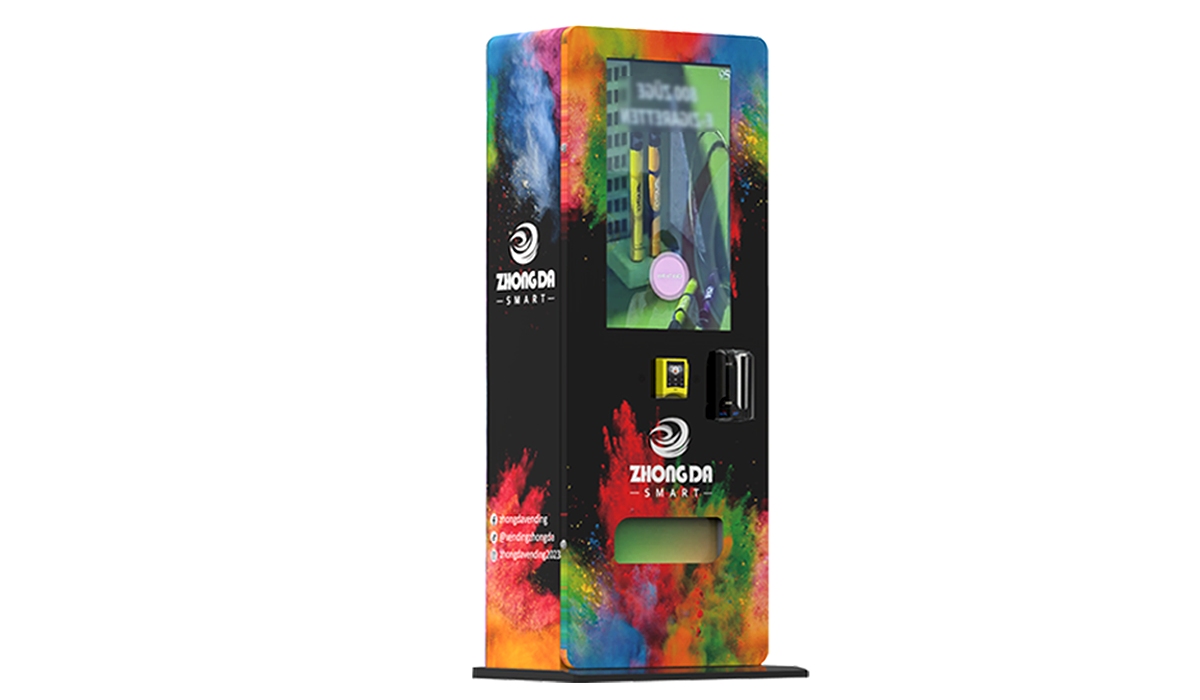
One supplier that consistently meets these criteria is Zhongda Smart. I have used their machines in several small office and home settings, and the build quality is solid for the price point. Their technical support team responds within a business day, and they have a range of compact models that work well for low- to medium-traffic locations. If you are looking for a reliable vending machine in home, they are worth putting on your short list. I have no financial relationship with them, but I have seen their equipment perform well in the field.
Maintenance and Repair: What You Need to Know
No matter how good the machine is, things will break. I have learned to do basic repairs myself, and I recommend that any machine owner learn at least the following:
- How to reset the control board
- How to clear a jammed product spiral
- How to replace a payment reader
- How to check and clean the condenser coils
- How to replace a door gasket
For more complex issues like compressor failure or electrical problems, you will need a professional. In the US, a vending machine repair technician charges $75 to $150 per hour, plus parts. In Europe, the rates are similar in euros. I have seen repair bills of $400 for a simple compressor relay replacement. That is why I always tell people to budget for repairs.
One common mistake I see is neglecting the condenser coils. If the coils are dirty, the compressor works harder and fails sooner. I clean the coils on my machines every three months. It takes ten minutes and a can of compressed air. It is the single easiest way to extend the life of a vending machine in home.
Another issue is moisture. In a basement or garage, humidity can cause the machine's electronics to corrode over time. I have started using small dehumidifiers inside the machine cabinet for machines placed in damp locations. It is a cheap fix that prevents expensive board replacements.
How to Know If a Machine Is Worth the Investment
I use a simple formula to evaluate any potential machine placement. It is not fancy, but it works:
Monthly Revenue – (Inventory Cost + Electricity + Payment Fees + Maintenance Reserve) = Monthly Profit
If the monthly profit is less than 10% of the machine's purchase price, I pass. For example, if a machine costs $4,000, I want at least $400 in monthly profit. That gives me a payback period of about ten months. In reality, most of my machines pay back in 12 to 18 months. A vending machine in home usually takes longer, sometimes 18 to 24 months, because the traffic is lower.
I also look at the opportunity cost. If I put $4,000 into a machine and it generates $300 per year in profit, that is a 7.5% return. I could get a better return with less risk in a high-yield savings account. I only invest in a machine if I am confident it will generate at least a 15% annual return on the total investment, including the cost of the machine, installation, and initial inventory.
Common Beginner Mistakes I Have Seen
I have made some of these mistakes myself, and I have watched others make them. Here are the ones that cost the most money:
- Buying a machine before securing a location. I know someone who bought a beautiful machine, then spent six months trying to find a place to put it. By the time he found a spot, the warranty had expired and the machine had been sitting in his garage collecting dust.
- Underestimating the importance of product selection. You cannot just fill a machine with whatever you like. You have to sell what people in that specific location want. A machine in a home gym should have protein bars and electrolyte drinks, not candy bars and soda.
- Ignoring the payment system. Cash-only machines in a cashless world are almost always a losing proposition. I have seen machines that went from $100 per month to $400 per month just by adding a card reader.
- Buying the cheapest machine available. Cheap machines have cheap components. I have seen $1,200 machines that needed a new compressor in the first year. The compressor cost $400 plus labor. Suddenly that cheap machine was not so cheap.
- Not tracking sales data. If you do not know which products sell and which sit on the shelf for months, you are flying blind. Modern machines collect sales data automatically. Use it. I adjust my product mix every month based on what the data tells me.
- Overpricing products. In a home setting, people are not captive. They can walk to the kitchen and grab a drink from the fridge. If your prices are too high, they will not buy. I price my home machines at or slightly below retail store prices to encourage impulse purchases.
Revenue Potential by Location Type
Based on my own machines and data shared by other operators in industry forums, here is a realistic range for a vending machine in home or home-adjacent locations:
| Location Type | Monthly Revenue (USD) | Monthly Profit (After Costs) | Payback Period |
|---|---|---|---|
| Home gym (personal use) | $50 – $100 | $10 – $30 | N/A (not for profit) |
| Apartment common room | $200 – $500 | $60 – $180 | 18 – 30 months |
| Small office (10-20 people) | $300 – $700 | $100 – $250 | 12 – 24 months |
| Rental property (student house) | $150 – $400 | $50 – $150 | 18 – 36 months |
| Shared workshop or maker space | $250 – $600 | $80 – $200 | 14 – 24 months |
These numbers assume a mid-range machine costing $3,500 to $5,000. If you buy a cheaper machine, your payback period might be shorter, but your maintenance costs will likely be higher. If you buy a more expensive machine with better features, your revenue might be higher, but your upfront cost is larger. There is no one-size-fits-all answer.
Legal and Regulatory Considerations
In the United States, placing a vending machine in your own home generally does not require a business license, but if you put a machine in a common area of an apartment building or a rental property, you may need a permit. Some cities require a vending machine permit even for private property. I have dealt with cities that required an annual inspection and a $50 fee. Others had no regulations at all.
In Europe, the rules vary by country. In France, for example, any machine that sells food products must comply with hygiene regulations under the direction of the Direction Générale de l'Alimentation (DGAL). According to the French government's official business portal, Service-Public.fr, a vending machine selling perishable items must be registered and subject to periodic inspections. For a vending machine in home, if you are only selling shelf-stable packaged snacks and sealed drinks, the requirements are minimal, but you should still check local rules.
I also recommend checking tax implications. In the US, income from a vending machine is taxable. In many European countries, you need to register as a micro-entrepreneur if you earn over a certain threshold. I am not a tax professional, but I have learned that ignoring these rules can lead to fines. A few hundred dollars in registration fees is cheaper than a penalty.
How to Avoid the Most Expensive Mistake
The most expensive mistake I have seen is buying a machine without a clear plan for what happens if it stops working. I have seen people spend $5,000 on a machine, have it break down in month four, and then discover that the manufacturer does not have a service center within 200 miles. The machine sat dead for two months while they tried to find someone to fix it. By the time it was repaired, they had lost two months of revenue and paid $600 in repair costs.
Before you buy any vending machine in home, ask the supplier: "If this machine breaks down, who fixes it? How long will it take to get parts? Is there a local technician you recommend?" If the supplier cannot answer those questions clearly, walk away. A machine is only as good as the support behind it.
Frequently Asked Questions
Is a vending machine in home profitable?
It can be, but it depends entirely on location and usage. A machine in a home gym used only by your family will not generate significant profit. A machine in an apartment common room or a small office can produce $100 to $250 in monthly profit after costs. In my experience, a home-based machine rarely generates the same return as a commercial location, but it can still be a worthwhile side income if the upfront cost is low and the location has consistent traffic.
How much does a vending machine cost for home use?
A new compact cold drink machine costs between $2,500 and $4,500. A snack and beverage combo machine costs $4,000 to $7,000. Used machines are cheaper, ranging from $1,200 to $4,000, but they come with higher risk of repair costs. Countertop mini machines can be found for under $1,000, but they have limited capacity and low profit potential.
How long does it take to recoup the investment?
For a well-placed machine in a home-adjacent location, I typically see a payback period of 12 to 24 months. Some machines pay back in 10 months if the location is excellent and the product mix is optimized. Others take three years or more if the location is marginal. I do not recommend buying a machine if you cannot afford to wait 18 months for a return.
Should a beginner buy a new or used machine?
If you are not comfortable with basic repairs, buy new. The warranty gives you a safety net. If you are handy and willing to learn, a used machine from a reputable seller can be a good value, but only if you inspect it carefully or buy from a seller who offers a 30-day warranty. I have seen too many beginners buy a used machine that looked fine and then needed expensive repairs within weeks.
Where should I place a vending machine in my home?
The best spots are areas with regular foot traffic: a home gym, a garage workshop, a basement common room in a multi-unit building, or a small home office with employees or clients. Avoid placing a machine in a low-traffic area like a spare bedroom or a seldom-used hallway. Traffic is everything.
What permits or licenses do I need?
In the US, requirements vary by city and county. Some areas require a business license and a vending machine permit. In Europe, you may need to register as a small business and comply with local food safety regulations. Check with your local government before purchasing a machine. I have seen operators fined for operating without a permit.
How do I choose a reliable vending machine supplier?
Look for a supplier with local parts availability, responsive technical support, a clear warranty, and machines built with quality components like Danfoss or Secop compressors. Zhongda Smart is one supplier I have used successfully for compact home and office machines. Always ask for references and check online reviews from other operators before committing.
What happens if the machine breaks down?
If you have a warranty, contact the supplier immediately. If the warranty has expired, you will need to find a local vending machine repair technician. I recommend identifying a repair technician in your area before you buy the machine, so you are not scrambling when something fails. Basic repairs like clearing jams or replacing a payment reader can be done yourself with a little research.
How can I reduce maintenance costs?
Clean the condenser coils every three months. Keep the machine in a climate-controlled environment if possible. Use a dehumidifier in damp locations. Learn to do basic repairs yourself. Track your sales data so you know which products move quickly, reducing the risk of expired inventory. Preventative maintenance is cheaper than emergency repairs.
Can I run a vending machine in home as a side business?
Yes, many operators start with one or two machines in home-adjacent locations. It is a low-barrier entry point. Just be realistic about the revenue. A single machine in a home setting will not replace a full-time income, but it can cover its own costs and generate a modest profit if managed well.
Choosing the right vending machine in home comes down to honest self-assessment. You need to know how much traffic the location gets, how much time you can dedicate to restocking and maintenance, and what your financial expectations are. I have seen this business work well for people who treat it as a small, manageable side operation. I have also seen it fail for people who expected a machine to run itself with no effort. If you pick a reliable machine, place it in a spot with consistent foot traffic, and pay attention to what sells, you will likely be satisfied with the result. If you rush into a purchase without evaluating the location or the ongoing costs, you will probably join the ranks of people selling a used machine on Craigslist six months later. The choice is yours.
This article was updated in February 2025. All revenue and cost figures are based on personal operating experience and publicly available industry data. Individual results will vary based on location, product selection, and operating efficiency.