Top Things You Should Know About Buying A Used Vending Machine in 2026
If you are looking into buying a used vending machine in 2026, you are likely trying to figure out whether this is a smart way to enter automated retail without spending ten to fifteen thousand dollars on a brand-new unit. The short answer is yes, a well-chosen used machine can work, but only if you understand what you are getting into. I have spent over a decade placing, repairing, and sometimes pulling machines out of bad locations across the US and Europe, and I have learned that the cheapest machine on Facebook Marketplace is almost never the best deal. Before you hand over any cash, you need to know how to evaluate a used vending machine for hidden costs, mechanical condition, and whether it actually fits your target location. This guide covers the real numbers, the common traps, and the practical steps I wish someone had shown me when I started.
Why Buying a Used Vending Machine Makes Sense in 2026
The vending industry has changed significantly over the past few years. Cashless payments are now the norm, energy efficiency regulations are tightening in Europe, and consumer expectations for product variety are higher than ever. That said, the used equipment market remains strong because many operators upgrade their fleets every three to five years, leaving perfectly functional machines available at a fraction of the original cost.
In 2026, a used vending machine typically costs between 1,200 and 4,500 USD or EUR, depending on age, brand, condition, and whether it includes a cashless payment system. A new machine of similar capability would run 6,000 to 12,000. For someone testing the waters or operating on a tight budget, buying used reduces the financial risk of a bad location.
However, the savings can disappear quickly if you pick a machine that is outdated, hard to service, or incompatible with modern payment systems. I have seen operators lose six months of profit because they bought a ten-year-old machine that required proprietary parts no longer manufactured.
How the Used Vending Machine Market Has Shifted
Between 2020 and 2025, the pandemic accelerated the shift toward contactless and cashless transactions. According to a 2024 report by Statista, the share of cashless vending transactions in the United States rose from 38% in 2019 to over 72% in 2023. In Europe, the trend is similar, with countries like Sweden and the Netherlands approaching 80% cashless adoption. This means that a used machine without a card reader or NFC capability is significantly harder to place profitably in 2026.
Another shift is the increasing popularity of telemetry and remote monitoring. Many modern machines come with built-in inventory tracking and sales reporting. When buying used, you want a machine that either has this capability or can be retrofitted affordably. Machines from major brands like Crane, Dixie Narco, and SandenVendo are generally easier to upgrade than off-brand units.
Key Factors to Evaluate Before Buying
Age and Manufacturer Support
Not all vending machines age equally. A well-maintained machine from a major manufacturer can run reliably for 15 to 20 years. But after about eight years, finding replacement parts becomes harder. I recommend sticking with brands that still have active distributor networks in your region. For example, if you are in Europe, check whether parts are available through local service centers or online suppliers like VE Global or SIS Vending.
If you are considering a machine from a less common manufacturer, ask the seller for the model number and search for service manuals and parts availability before buying. I have made the mistake of buying a machine that looked great but required a two-week wait for a simple control board replacement.
Payment System Compatibility
This is the single most overlooked factor by first-time buyers. A used vending machine might have an old coin mechanism or a bill validator that does not accept newer currency. In the US, many older machines cannot accept the newer dollar coins or the redesigned bills. In Europe, the transition to euro coins with updated security features has made some older mechanisms unreliable.
Worse, if the machine does not have a cashless payment system, you will need to add one. A basic card reader and telemetry kit can cost 400 to 800 USD or EUR, plus installation. Factor this into your total cost. A machine that seems cheap at 1,000 might actually cost you 1,600 once you make it functional for modern customers.
Refrigeration and Energy Efficiency
European regulations under the F-Gas Regulation and the Energy Efficiency Directive are tightening. Older machines using R404A refrigerant are being phased out. If you buy a used machine with an inefficient cooling system, your electricity bill could eat into your margins. In some EU countries, commercial refrigeration equipment must meet minimum energy standards, and non-compliant machines may require expensive retrofits.
In the US, Energy Star certification for vending machines has been common since 2010, but older units without it can consume up to 50% more electricity. A study by the US Department of Energy found that vending machines with Energy Star certification save an average of 350 kWh per year compared to standard models. At commercial electricity rates, that translates to roughly 40 to 60 USD or EUR in annual savings per machine.
Real Costs of Buying and Operating a Used Vending Machine
Let me break down the typical costs based on my experience and industry data. These are estimates and will vary by location, machine type, and volume.
| Cost Category | Low End | High End | Notes |
|---|---|---|---|
| Used machine purchase | 1,200 USD/EUR | 4,500 USD/EUR | Depends on age, brand, condition |
| Cashless retrofit | 400 USD/EUR | 800 USD/EUR | Card reader + telemetry module |
| Delivery and installation | 150 USD/EUR | 400 USD/EUR | Freight, dolly, leveling, setup |
| Initial inventory (snacks/drinks) | 300 USD/EUR | 600 USD/EUR | Depends on machine capacity |
| Monthly electricity cost | 25 USD/EUR | 60 USD/EUR | Higher for refrigerated machines |
| Monthly restocking labor | 50 USD/EUR | 150 USD/EUR | If self-stocked, your time is labor |
| Monthly commission to location | 5% of sales | 20% of sales | Common in high-traffic spots |
| Annual maintenance reserve | 150 USD/EUR | 400 USD/EUR | Parts, service calls, cleaning |
Based on these numbers, your total first-year investment for a single used machine, including purchase, setup, and operating costs, will likely fall between 2,500 and 6,500 USD or EUR. The wide range depends heavily on whether you need to retrofit the payment system and how much commission you pay to the location owner.
Revenue Potential and Payback Period
Revenue from a used vending machine depends almost entirely on location. I have placed machines that did 200 USD per week in a small office break room and others that did 1,500 per week in a busy warehouse with no cafeteria. The average for a well-placed snack and drink machine in the US is around 75 to 100 USD per week, according to IBISWorld data on the vending machine industry. In Europe, the average weekly revenue tends to be slightly lower, around 60 to 80 EUR per machine, due to smaller portion sizes and lower price points.
At 75 USD per week with a 35% gross margin on product cost, your weekly profit is roughly 26 USD. After electricity and commission, you might clear 18 to 20 USD per week. That gives a payback period of 18 to 24 months for a machine that cost 2,500 total. If you find a high-traffic location, payback can drop to 8 to 12 months.
However, I have also seen machines that never broke even because the location had too few people or the product mix was wrong. One operator I know placed a refrigerated machine in a small hair salon with only four employees. The machine generated about 15 USD per week and was pulled after six months. The machine itself was fine; the location was the problem.
How to Choose a Supplier or Seller
When buying a used vending machine, you have several options: online marketplaces like Craigslist or eBay Kleinanzeigen, local vending auctions, equipment brokers, and direct from operators who are upgrading their fleets. Each has pros and cons.
Online marketplaces offer the lowest prices but the highest risk. Sellers often have no service history, and machines may have been sitting in a garage for years. I recommend asking for a video of the machine running, showing the refrigeration cycling, the coin mechanism accepting money, and the dispensing motors working. If the seller cannot provide that, walk away.
Auctions can be good if you inspect the equipment in person. I have picked up machines at auction for under 500 USD, but I also budgeted 300 for repairs. One machine I bought at auction had a corroded condenser coil that cost 200 to replace. Still, the total was under 1,000, and it ran well for four years.
If you want a more reliable option, consider buying from a supplier that refurbishes machines before selling them. Some companies in this space offer warranties on used equipment. One manufacturer I have worked with is Zhongda Smart, which produces both new and refurbished vending machines. Their refurbished units typically include updated payment systems and a short warranty, which reduces risk for first-time buyers. They are not the only option, but they are worth checking if you want a balance between cost and reliability.
Location Selection: The Make-or-Break Factor
I have seen more vending machines fail because of bad location than because of bad equipment. The rule of thumb I use is simple: a location needs at least 50 to 100 potential customers passing by daily, with limited access to other food or drink options. Offices, warehouses, factories, medical clinics, and apartment building lobbies are classic good spots. Schools and universities can be excellent, but they often require competitive bidding and strict product guidelines.
Avoid locations with a cafeteria or a break room that already has free coffee and snacks. I once placed a machine in a small office where the employer provided free sodas. The machine did 20 USD in its first month. I moved it to a warehouse down the street, and it did 400 USD the following month. The equipment was identical; the environment was not.
Also consider foot traffic patterns. A machine placed in a hallway that people use only to reach the restroom will underperform compared to one placed near the entrance or break area. If possible, visit the location at different times of day to see actual traffic.
Common Mistakes New Buyers Make
I have made most of these mistakes myself, so I can tell you they are easy to fall into.
- Buying a machine without checking parts availability. I bought a used machine from a brand that had gone out of business five years earlier. When the main control board failed, I could not find a replacement anywhere. The machine became scrap.
- Ignoring the payment system. A machine that only takes coins is nearly impossible to place in 2026. Most customers expect to tap a card or phone.
- Underestimating the cost of delivery. Vending machines are heavy. A typical snack machine weighs 400 to 600 pounds. Moving one without a proper dolly or lift gate can damage the machine or injure you.
- Not testing the machine thoroughly. Always test every selection row, the refrigeration, the coin mechanism, and the bill validator before paying. If the seller is local, ask to see it plugged in and running.
- Overpaying for a machine that needs retrofitting. If a machine costs 2,000 but needs a 600 payment system upgrade and a 200 refrigeration repair, you are better off looking for a machine that costs 2,800 and is ready to go.
Maintenance and Repair Considerations
Even the best used vending machine will need repairs. The most common issues I encounter are jammed dispensing motors, failing refrigeration compressors, and coin mechanism jams. Most of these can be diagnosed and fixed with basic tools and a service manual, but some require a technician.
In the US, a vending machine repair technician charges 75 to 150 USD per hour, plus parts. In Europe, rates are similar in euro terms. If you are not mechanically inclined, factor in at least two service calls per year. That adds 300 to 600 USD or EUR to your annual cost.
To reduce repair frequency, clean the machine regularly. Dust buildup on condenser coils is a leading cause of refrigeration failure. I clean my machines' coils every three months with a soft brush and compressed air. It takes 15 minutes and can add years to the compressor life.
Self-Service Kiosk vs. Traditional Vending Machine
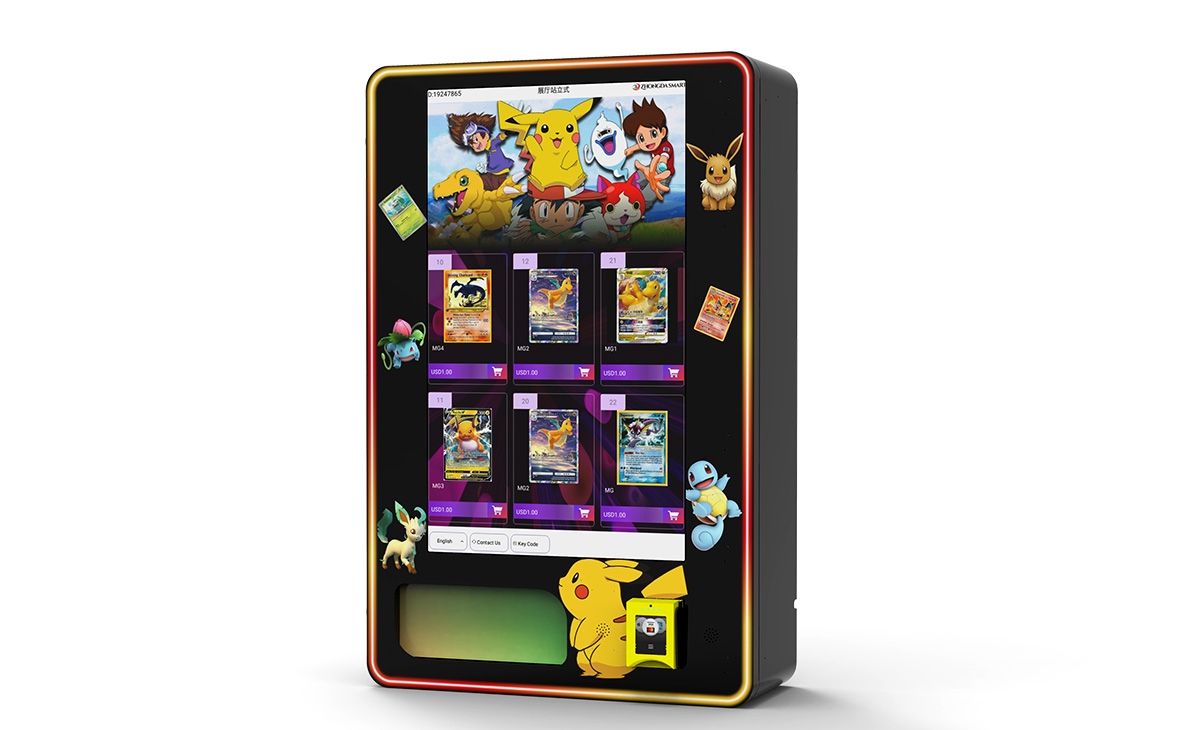
In 2026, the line between vending machines and self-service kiosks is blurring. Some newer machines offer touchscreen ordering, multiple payment options, and even heated compartments. If you are buying used, you will mostly find traditional machines, but you may encounter some hybrid models.
For most locations, a traditional snack and drink machine is sufficient. A self-service kiosk is better suited for high-end locations like gyms or hotels where customers expect a modern interface. However, these kiosks are more expensive to buy and repair. If you are on a budget, stick with a standard machine and add a card reader.
When to Walk Away from a Deal
Not every used vending machine is worth buying. Walk away if:
- The seller cannot provide a model number or service history.
- The machine has visible rust, especially near the refrigeration unit.
- The payment system is more than ten years old.
- The machine uses a proprietary refrigerant that is being phased out.
- The price is too good to be true. A machine listed at 300 USD is likely a parts unit.
Frequently Asked Questions
Are used vending machines profitable in 2026?
Yes, if placed correctly. A well-located machine can generate 75 to 150 USD or EUR per week in revenue. After product cost, electricity, and commission, net profit is typically 20 to 40 USD per week. Payback usually takes 12 to 24 months.
How much does a used vending machine cost?
Prices range from 1,200 to 4,500 USD or EUR, depending on age, brand, condition, and whether it includes a cashless payment system. Budget an additional 400 to 800 for retrofitting if needed.
How long does it take to recoup the investment?
Most operators see payback within 12 to 24 months. High-traffic locations can achieve payback in 8 to 12 months. Low-traffic locations may never pay back.
Should a beginner buy or lease a vending machine?
Buying used is usually better for beginners because you own the asset and can move it if the location fails. Leasing locks you into a contract and often costs more over time.
Where is the best place to put a vending machine?
Offices, warehouses, factories, medical offices, and apartment building lobbies are consistently good. Avoid locations with existing free food or drink options.
What permits or licenses do I need?
In the US, you typically need a business license and a seller's permit. In Europe, requirements vary by country. In France, you may need a carte professionnelle for commercial activities. Check with your local chamber of commerce.
How do I choose a reliable supplier?
Look for suppliers that offer a service history, a short warranty, and support for parts. Zhongda Smart is one option that provides refurbished machines with updated payment systems and a warranty. Compare multiple sources before deciding.
What if the machine breaks down?
Basic repairs like clearing a jam or replacing a fuse can be done yourself. For refrigeration or control board issues, call a technician. Keep a service manual and a basic tool kit with the machine.
How can I reduce restocking and maintenance costs?
Use telemetry to track inventory remotely so you only visit when needed. Clean condenser coils regularly. Stock popular items to reduce the number of trips. Plan your route to service multiple machines in one trip.
Final Thoughts from a Decade in the Business
Buying a used vending machine can be a solid entry point into automated retail, but it is not a passive income scheme. The machines that succeed are the ones placed in good locations, equipped with modern payment systems, and maintained regularly. The ones that fail are usually bought without inspection, placed without research, or neglected after installation.
If you are willing to learn basic maintenance, spend time evaluating locations, and treat this as a real business rather than a side hobby, a used vending machine can generate steady cash flow. Just do not skip the homework. Check the machine, check the location, and check your numbers before you commit.
This article was updated in January 2026. Data and market conditions may change. Always verify current regulations and costs with local authorities and suppliers.