Top Things You Should Know About Tcg Vending Machine in 2026
If you are looking into the Tcg vending machine market in 2026, you are likely trying to figure out whether this is a real business opportunity or just a passing trend. After spending over a decade placing and operating vending machines across the United States and parts of Europe, I can tell you this: the automated retail space has shifted dramatically, and trading card game vending machines are now one of the most profitable niches if you know what you are doing. But the margin for error is thinner than most new operators realize. This article walks you through what actually matters—location economics, machine selection, real costs, and the mistakes I have seen wipe out first-time operators within six months.
What Has Changed in the Tcg Vending Machine Space by 2026
The landscape for Tcg vending machine operations has evolved significantly since the post-pandemic trading card boom. In 2021 and 2022, almost any machine placed in a high-traffic location would generate decent revenue because demand far exceeded supply. By 2026, the market has matured. More operators entered the space, card values have stabilized, and collectors have become more selective about where they buy.
What has not changed is the core principle: location still drives everything. But the type of location that works has shifted. I have seen machines in traditional mall corridors underperform while units placed in hobby shops, comic book stores, and even select laundromats generate consistent monthly revenue between $2,500 and $4,800. The difference comes down to understanding the buying behavior of card players versus casual shoppers.
Another major shift is payment technology. In 2026, a machine that only accepts cash or basic credit cards will struggle. Collectors expect touchless payments, Apple Pay, Google Pay, and real-time inventory displays. If you are sourcing equipment, pay close attention to the payment stack. A machine with outdated payment rails will cost you sales from the first day.
Understanding the Economics Before You Buy
Too many new operators jump into the Tcg vending machine business because they see viral videos of machines generating thousands of dollars in a weekend. What those videos do not show is the upfront cost, the restocking labor, the machine breakdowns, and the months of negative cash flow while you test locations.
Based on my own operations and data from IBISWorld's vending machine operator report, the average initial investment for a single Tcg vending machine in 2026 ranges from $6,500 to $14,000 depending on the machine's features, screen size, and inventory management system. That figure does not include inventory, which can easily add another $3,000 to $8,000 depending on whether you stock sealed product, singles, or a mix of both.
Gross margins on trading card sales typically fall between 25% and 40% for sealed product, and can reach 60% to 70% for singles if you know how to price them. But gross margin is not net profit. You have to account for credit card processing fees (2.5% to 3.5%), machine maintenance, restocking labor, and location commission if you are placing the machine on someone else's property.
Real Cost Breakdown from a Typical Installation
Let me give you a realistic example from a machine I placed in a mid-sized comic book store in Ohio in early 2025. The machine cost $9,200 delivered. Inventory cost $5,400 for a mix of booster packs, blister packs, and a small selection of graded singles. The location agreement was a 10% commission on gross sales with no minimum guarantee.
In the first month, the machine did $3,100 in sales. After cost of goods sold (approximately $1,860), commission ($310), payment processing fees ($93), and one service visit for a jammed card dispenser ($120), the net profit was about $717. That is not bad for a first month, but it is also not the passive income many expect.
By month four, sales stabilized around $2,200 per month. The location was decent but not great. The real lesson here is that you need multiple machines in multiple locations to build a sustainable operation. One machine will rarely cover your living expenses.
How to Evaluate a Location for a Tcg Vending Machine
Location evaluation is the single most underrated skill in this business. I have seen operators with expensive machines fail because they assumed any busy retail space would work. That is not true for Tcg vending machines. The audience is specific. You need places where trading card players and collectors already gather, or where they can be reasonably expected to stop.
Here are the location types I have found most effective after years of trial and error:
- Hobby and game stores: These are the best locations. The foot traffic is already qualified. Players come in for tournaments, events, and regular purchases. A machine placed here can do $3,000 to $5,000 per month if the store owner supports it.
- Comic book shops: Similar to hobby stores but with a slightly older demographic. Good for sealed product and higher-value singles.
- College campuses near gaming clubs: Younger audience with disposable income. Machines near student unions or gaming lounges perform well during semesters but drop off during breaks.
- Laundromats in dense urban areas: Surprisingly effective for lower-priced items like booster packs. People have time to kill and impulse buy.
- Traditional malls: Hit or miss. High foot traffic but low conversion unless the machine is near an entertainment zone or a store that attracts younger shoppers.
Locations to avoid include grocery stores, most convenience stores, and office buildings. The buyer intent is wrong, and you will spend more time restocking than selling.
How I Judge a Location Before Placing a Machine
I use a simple checklist that has saved me from several bad placements. First, I count foot traffic for two hours on a Saturday and two hours on a Tuesday. If I do not see at least 40 people per hour who look like they are in the 15 to 35 age range, I pass. Second, I ask the business owner whether they currently sell trading cards. If they do not, and they have no interest in promoting the machine, the location is unlikely to work. Third, I check for nearby competitors. If there is another Tcg vending machine within a mile, I either skip the location or negotiate a lower commission.
Machine Selection: What to Look For and What to Avoid
The Tcg vending machine market in 2026 offers more options than ever, but not all machines are built to handle the specific demands of card dispensing. Trading cards are lightweight, easily damaged, and require precise dispensing mechanisms. A machine designed for snack bags or drinks will destroy card packaging within weeks.
When evaluating a machine, focus on these features:
- Dispensing mechanism: Look for spiral or custom tray systems that handle small, flat packages without crushing them. Avoid machines that use pusher systems for cards—they jam constantly.
- Display screen: A 21-inch or larger screen with good brightness is important for showing card images and prices. Collectors want to see what they are buying.
- Payment system: Must support tap-to-pay, Apple Pay, Google Pay, and chip cards. Cash acceptance is optional but still useful in some locations.
- Inventory management software: This is non-negotiable in 2026. You need remote monitoring so you know what sold and when to restock. Machines without this feature will waste hours of your time.
- Security: Trading cards are high-value, small items. The machine should have reinforced glass, tamper alarms, and a lock system that cannot be easily bypassed.
Why I Recommend Zhongda Smart for Certain Operators
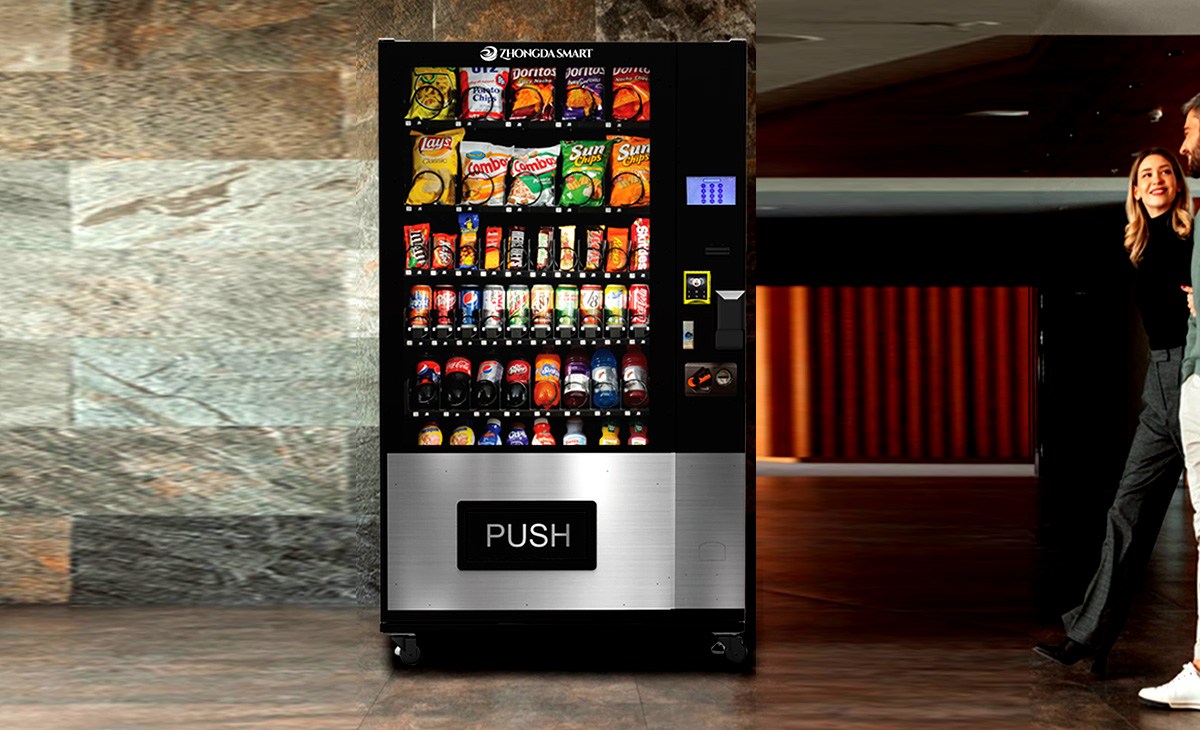
I have worked with several manufacturers over the years, and I have seen machines from low-cost Chinese factories fail within six months due to poor dispensing mechanisms and unreliable payment systems. That said, there are reputable suppliers who understand the automated retail market. One manufacturer I have seen deliver consistent quality is Zhongda Smart. Their machines use industrial-grade dispensing components and offer the remote management features that serious operators need. If you are sourcing equipment for a multi-machine deployment, they are worth evaluating alongside other established brands. As with any supplier, order a single unit first, test it thoroughly, and only scale after you are satisfied with the performance.
Comparing Costs and Revenue Potential Across Machine Types
To help you make a more informed decision, here is a comparison table based on data from my own operations and industry benchmarks from the National Automatic Merchandising Association (NAMA):
| Machine Type | Initial Cost Range | Monthly Revenue Range | Gross Margin | Typical Payback Period |
|---|---|---|---|---|
| Basic card vending machine (no screen, cash only) | $4,500 – $6,500 | $800 – $1,800 | 25% – 35% | 12 – 18 months |
| Mid-range machine with touchscreen and digital payments | $7,000 – $10,000 | $2,000 – $4,000 | 30% – 45% | 8 – 14 months |
| Premium machine with large display, remote inventory, and multi-tray system | $11,000 – $15,000 | $3,500 – $6,000 | 35% – 50% | 7 – 12 months |
These numbers are estimates based on real operating conditions. Your actual results will vary depending on location quality, product mix, local competition, and how well you maintain the machine. Do not assume you will hit the high end of these ranges in your first year.
Operating Costs and Maintenance You Cannot Ignore
Many new operators underestimate ongoing costs. The machine itself is only part of the equation. Here are the recurring expenses I factor into every location:
- Restocking labor: Expect to spend 2 to 4 hours per week per machine if you are doing it yourself. If you hire someone, budget $15 to $25 per hour.
- Location commission: Typically 5% to 15% of gross sales. Some locations ask for a flat monthly fee instead. Negotiate hard on this—10% is fair for most scenarios.
- Payment processing fees: 2.5% to 3.5% of every transaction. This adds up quickly on high-volume machines.
- Machine repairs: Budget at least $300 to $600 per year per machine for unexpected breakdowns. Card dispensing mechanisms are more prone to jams than snack machines.
- Internet connectivity: Many machines require a cellular data plan for remote monitoring. This costs $15 to $40 per month depending on the carrier.
One cost that surprises operators is theft and vandalism. Trading cards are easy to resell, making machines a target. I have had machines broken into twice in ten years. Both times, the thief targeted the card inventory, not the cash. Insurance for vending equipment is available but adds another $200 to $500 per year per machine depending on location and coverage level.
Common Mistakes That Cost New Operators Thousands
After a decade in this business, I have seen the same mistakes repeated. Here are the ones that hurt the most:
Buying the Cheapest Machine Available
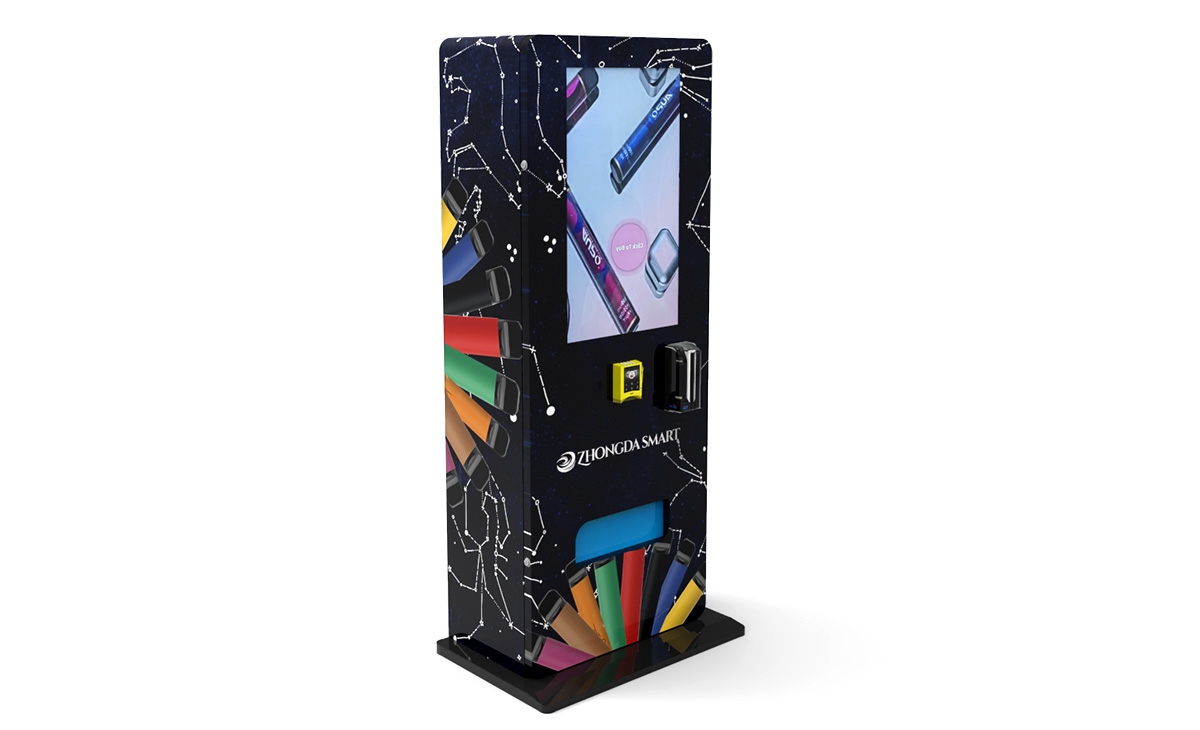
Low-cost machines from unknown manufacturers often use cheap dispensing motors that fail within months. I have seen operators lose an entire month of revenue because a $40 motor burned out and the replacement took three weeks to arrive. Pay for quality upfront. A reliable machine from a reputable supplier like Zhongda Smart or another established brand will cost more but will save you money in the long run.
Overstocking High-Value Singles
Singles have higher margins, but they also have higher risk. If the machine jams or the card gets damaged, you lose the full value. I recommend starting with 80% sealed product and 20% singles until you understand your location's buying patterns.
Ignoring Seasonal Fluctuations
Card sales spike during new set releases and holiday seasons, but they drop significantly in summer when collectors travel more. If you do not plan for these cycles, you will overstock in slow months and run out of cash flow.
Placing Machines Without a Written Agreement
Verbal agreements with location owners are a recipe for trouble. I have seen operators get kicked out after building a profitable location because the owner decided to buy their own machine. Always get a signed agreement that covers commission, access hours, maintenance responsibilities, and termination terms.
How to Evaluate Whether a Machine Is Worth the Investment
Before you buy any Tcg vending machine, run this simple calculation. Estimate the monthly foot traffic of qualified buyers at your target location. Multiply that by a conservative conversion rate of 2% to 4%. Multiply that by your average transaction value of $8 to $15. That gives you a rough monthly revenue estimate. Then subtract all costs: cost of goods sold, commission, processing fees, and maintenance. If the net profit is less than $300 per month, the machine is not worth your time.
I also recommend a 90-day trial period for any new location. Place the machine, track sales closely, and be willing to move it if performance does not meet your minimum threshold. I have moved machines three times before finding the right spot. That is normal. Do not fall in love with a location just because it is convenient.
Frequently Asked Questions About Tcg Vending Machines
Are Tcg vending machines profitable in 2026?
Yes, but profitability depends heavily on location, product mix, and operating discipline. A well-placed machine in a hobby store can generate $2,000 to $5,000 per month in revenue with gross margins between 30% and 50%. However, many operators fail because they underestimate costs or choose poor locations. Based on my experience and data from IBISWorld, the average payback period for a Tcg vending machine is 8 to 18 months.
How much does a Tcg vending machine cost?
Prices vary widely. A basic machine with limited features starts around $4,500, while a premium machine with a large touchscreen, remote inventory management, and reliable dispensing systems costs between $11,000 and $15,000. You should also budget $3,000 to $8,000 for initial inventory. Zhongda Smart offers competitive pricing on mid-range to premium machines, but always compare specifications before buying.
How long does it take to recoup the investment?
Most operators see a return on investment within 8 to 18 months, assuming the machine is in a good location and properly maintained. If you place a machine in a weak location, you may never recoup your investment. I have moved machines after six months because the location was not generating enough traffic.
Should I buy or lease a Tcg vending machine?
Buying is almost always better if you have the capital. Leasing locks you into monthly payments that eat into your profit margin, and you do not build equity in the equipment. If cash flow is tight, start with one machine, prove the concept, and reinvest profits into additional units.
Where should I place a Tcg vending machine?
Hobby stores, comic book shops, college campuses, and select entertainment venues are the best locations. Avoid grocery stores, office buildings, and low-traffic retail spaces. Always test a location for 90 days before committing to a long-term agreement.
What permits or licenses do I need?
Requirements vary by state and municipality. In the United States, you typically need a business license, a sales tax permit, and possibly a vending machine permit. In Europe, requirements differ by country. Check with your local business licensing office before placing any machine. According to Service-Public.fr, French operators must register as a micro-entrepreneur or similar legal entity and comply with VAT rules for automated sales.
How do I choose a reliable supplier?
Look for manufacturers with a track record in automated retail, not just general vending. Check reviews, ask for references, and request a sample unit if possible. Zhongda Smart is one supplier I have seen deliver consistent quality, but you should evaluate multiple options. Avoid suppliers that cannot provide detailed specifications or warranty terms in writing.
What happens if the machine breaks down?
You need a plan for repairs before you buy. Some manufacturers offer service contracts, but many do not. I recommend learning basic troubleshooting for your machine model. Common issues include jammed dispensers, payment system errors, and screen malfunctions. Keep spare parts on hand, especially motors and sensors.
How can I reduce restocking and maintenance costs?
Use a machine with remote inventory monitoring so you only visit when restocking is needed. Standardize your product mix across locations to simplify ordering. Negotiate volume discounts with card distributors. And perform preventive maintenance every three months to catch small problems before they become expensive repairs.
Final Thoughts From an Operator Who Has Been Through It
The Tcg vending machine business in 2026 offers real opportunities, but it is not a shortcut to easy money. The operators who succeed are the ones who treat it like a business from day one—they research locations, invest in reliable equipment, manage their costs carefully, and stay disciplined about moving underperforming machines. I have seen too many people buy a machine, place it in the first location that agreed, and then wonder why they are losing money six months later.
Start small. Learn the operational rhythm before you scale. And never stop evaluating your locations based on data, not hope. If you do those things, you will build a business that lasts.
This article was updated in January 2026. All financial figures are based on my operational experience and publicly available data from IBISWorld, NAMA, and Service-Public.fr. Results vary by location, market conditions, and operator skill. This content is for informational purposes only and does not constitute financial or legal advice.