Is Coffee Maker Vending Machine Worth It_ Pros, Cons, and Real-World Insights
After a decade in the vending business across Europe and North America, I can tell you that the question "Is a coffee maker vending machine worth it?" doesn't have a simple yes or no answer. It depends entirely on your location, your volume, and your willingness to manage the details. I've seen operators make a solid return on investment within eight months, and I've watched others bleed money because they ignored foot traffic patterns or chose the wrong machine. In this article, I’ll share what I’ve learned from real installations, broken machines, and profitable routes so you can decide if a coffee maker vending machine fits your business goals.
What a Coffee Maker Vending Machine Actually Does
A coffee maker vending machine is a self-service kiosk that brews and dispenses coffee drinks, typically using fresh beans, instant powder, or a combination of both. Unlike traditional snack vending machines, these units require plumbing, a water supply, regular cleaning, and a higher level of maintenance. They also demand a consistent supply of fresh ingredients. In my experience, the best units use whole beans and fresh milk, but they also cost more upfront and need more frequent servicing.
The market for automated retail in the coffee space has grown significantly. According to a Statista report from 2023, the global coffee vending machine market was valued at approximately $3.2 billion, with steady growth projected through 2028. That growth is driven by workplaces, hospitals, and transit hubs where people want quick, quality coffee without a barista.
The Pros of Investing in a Coffee Maker Vending Machine
High Margins on Coffee
One of the biggest draws is the margin. A cup of coffee costs between $0.25 and $0.50 to produce, and you can sell it for $1.50 to $3.00 depending on the location. That’s a gross margin of 70% to 85% before accounting for machine costs, rent, and labor. In high-traffic locations, a single machine can generate $500 to $1,500 in monthly revenue. I’ve seen machines in busy office buildings bring in over $2,000 per month during peak seasons.
Low Labor Requirement
Once the machine is set up, it runs with minimal human intervention. You only need to visit for restocking and cleaning. Compared to running a café, the labor costs are dramatically lower. This makes the machine en libre-service model attractive for operators who want to scale without hiring staff.
Consistent Product Quality
Modern machines use programmable settings to ensure every cup tastes the same. This consistency builds customer trust. If you place a machine in a location where people buy coffee daily, they’ll come back because they know exactly what to expect.
Flexibility in Placement
You can place a coffee vending machine in lobbies, break rooms, warehouses, hospitals, universities, and even outdoor locations if the machine is weatherproof. The key is finding a spot with steady foot traffic. I’ve placed machines in manufacturing plants where workers buy three cups a shift, and the return was excellent.
The Cons You Need to Consider
High Initial Investment
A good commercial coffee vending machine costs between $4,000 and $12,000. High-end models with fresh milk systems and touch screens can go even higher. If you buy cheap machines to save money, you’ll likely spend more on vending machine repair within the first year. I’ve seen operators purchase $2,000 machines that broke down every three months, wiping out any profit.
Ongoing Maintenance and Cleaning
Coffee machines need daily cleaning of brew groups, milk systems, and drip trays. If you skip cleaning, the machine will develop mold, bad odors, and mechanical failures. You also need to deal with scale buildup from water. I recommend scheduling a deep clean every two weeks and a full service every three months. Neglecting this is the number one reason operators lose money.
Perishable Ingredients
Coffee beans, milk, and syrups have expiration dates. If you overstock, you waste money. If you understock, you lose sales. You need to track usage data carefully. I use a spreadsheet for each machine to monitor how much coffee I’m selling and adjust my orders accordingly.
Space and Utility Requirements
These machines need a water line, a drain, and electrical power. Not every location has these available. Installation can cost $500 to $1,500 depending on plumbing access. You also need enough space for the machine itself and for customers to stand comfortably.
Real-World Insights from My Operations
I once placed a machine in a small office building with only 50 employees. The owner thought it would be a nice perk, but the machine barely sold 10 cups a day. After three months, I moved it to a warehouse with 200 workers. Sales jumped to 60 cups a day, and the machine paid for itself in seven months. The lesson is simple: foot traffic is everything. A good machine in a bad location is a money pit.
Another mistake I see is operators choosing machines with too many features. A machine that offers 20 different drinks sounds great, but it also means more ingredients to stock, more potential for mechanical failure, and longer service times. I prefer machines with 6 to 10 drink options. They are easier to maintain and customers actually make decisions faster.
Payment systems are another area where operators cut corners. I’ve learned the hard way that cash-only machines lose sales. According to a 2023 IBISWorld report, vending machines with cashless payment options see 20% to 30% higher revenue than cash-only machines. Always invest in a machine that accepts credit cards, mobile payments, and contactless taps. It’s worth the extra cost.
Comparing Different Types of Coffee Vending Machines
| Machine Type | Initial Cost | Monthly Revenue (Est.) | Maintenance Frequency | Best For |
|---|---|---|---|---|
| Instant Powder Machine | $1,500 – $3,000 | $200 – $600 | Low (weekly cleaning) | Low-traffic locations, budget startups |
| Bean-to-Cup with Fresh Milk | $5,000 – $10,000 | $500 – $1,500 | High (daily cleaning, weekly service) | Offices, hospitals, high-traffic areas |
| Combination Coffee & Snack Machine | $6,000 – $12,000 | $800 – $2,000 | High (dual systems, more parts) | Large workplaces, industrial sites |
| Premium Touchscreen Model | $8,000 – $15,000 | $1,000 – $2,500 | Very high (software updates, hardware checks) | Premium locations, corporate campuses |
These figures are based on my personal experience operating machines in the United States and Europe. Actual results will vary based on location, pricing, and operational efficiency.
Cost Breakdown: What You’ll Spend
Initial Investment
For a new operator, I recommend budgeting $6,000 to $12,000 per machine including installation. That covers the machine, delivery, plumbing setup, and initial stock of cups, beans, milk, and syrups. If you buy used machines, you can cut costs by 30% to 50%, but be prepared for higher repair bills.
Ongoing Costs
- Ingredients: $0.25 to $0.50 per cup
- Cups and lids: $0.10 to $0.20 per cup
- Water and electricity: $50 to $150 per month
- Cleaning supplies: $20 to $50 per month
- Maintenance and repair: $50 to $200 per month (depending on machine age)
- Location rent or commission: 10% to 30% of gross revenue
Revenue Expectations
A well-placed machine in a mid-traffic location can generate $600 to $1,200 per month. After deducting costs, your net profit is typically 30% to 50% of revenue. That means a $10,000 machine could pay for itself in 8 to 14 months. In high-traffic locations, I’ve seen payback periods as short as 6 months.
How to Choose a Supplier or Manufacturer
When I started, I bought machines from the cheapest supplier I could find. That was a mistake. The machine broke down twice in the first year, and replacement parts took weeks to arrive. Now I look for manufacturers with a proven track record, good customer support, and readily available spare parts. One company I’ve worked with is Zhongda Smart, which produces reliable machines with modern payment systems and easy maintenance access. They offer decent support for international buyers, which is important if you’re operating in Europe or North America.
When evaluating a supplier, ask these questions:
- Do they have a service network in your country?
- How long does it take to get spare parts?
- Is the machine compatible with local payment systems?
- What warranty do they offer?
- Can they provide references from other operators in your region?
I also recommend visiting a trade show if possible. Seeing machines in person helps you judge build quality. If you can’t travel, ask for a video call to see the machine running.
Where to Place a Coffee Vending Machine
Not every location is profitable. Based on my experience, here are the best and worst places:
High-Profit Locations
- Office buildings with 100+ employees
- Manufacturing plants and warehouses
- Hospitals and medical centers
- Universities and college campuses
- Transit hubs (train stations, bus depots)
Low-Profit Locations
- Retail stores with low foot traffic
- Small offices with fewer than 30 employees
- Outdoor locations without weather protection
- Locations with existing free coffee options
I always do a site survey before committing. I count foot traffic during peak hours, ask about existing coffee options, and check if there’s access to water and power. If a location doesn’t meet my minimum threshold of 100 potential customers per day, I walk away.
Common Mistakes New Operators Make
Buying the Cheapest Machine
I’ve seen operators buy machines for $1,500 only to spend $1,000 on repairs in the first year. A reliable machine costs more upfront but saves money long-term.
Ignoring Cashless Payments
As I mentioned earlier, cashless payment options are essential. I lost hundreds of dollars in sales before I upgraded my machines.
Overstocking Ingredients
New operators often buy too much stock and end up throwing away expired milk or beans. Start small and adjust based on sales data.
Skipping Regular Cleaning
Dirty machines break down more often and produce bad-tasting coffee. I’ve lost accounts because the machine wasn’t cleaned properly. Set a cleaning schedule and stick to it.
Choosing the Wrong Location
I once placed a machine in a small retail shop thinking the foot traffic would be enough. It wasn’t. I moved it after three months and lost money on the installation. Always test a location with a low-cost commitment first, like a month-to-month agreement.
How to Evaluate if a Machine Is Worth It
Before you buy, run a simple calculation. Estimate the number of cups you can sell per day based on foot traffic and competition. Multiply that by your selling price. Subtract your cost per cup and your monthly expenses. If the projected net profit can cover the machine cost within 12 to 18 months, it’s worth considering.
For example:
- Location: Office building with 150 employees
- Estimated cups per day: 40
- Price per cup: $2.00
- Daily revenue: $80
- Monthly revenue (22 days): $1,760
- Cost per cup: $0.40
- Monthly ingredient cost: $352
- Monthly rent/commission: $176 (10%)
- Monthly net profit: $1,232
- Machine cost: $8,000
- Payback period: 6.5 months
This is a simplified example. In reality, you’ll have additional costs like maintenance and cleaning. But it gives you a starting point.
FAQ: Common Questions About Coffee Maker Vending Machines
Is a coffee maker vending machine profitable?
Yes, if placed in a high-traffic location with consistent demand. Typical net profit margins range from 30% to 50% of revenue. However, profitability depends on machine cost, location rent, maintenance, and sales volume. I’ve seen machines generate $500 to $2,000 per month in revenue, with net profit between $150 and $800.
How much does a coffee vending machine cost?
Prices range from $1,500 for basic instant powder machines to $15,000 for premium bean-to-cup models with fresh milk and touch screens. For a reliable commercial machine, expect to spend $5,000 to $10,000. Installation can add $500 to $1,500.
How long does it take to recoup the investment?
In my experience, payback periods range from 6 to 18 months. High-traffic locations with good pricing can pay off in under a year. Low-traffic locations may take two years or more. I recommend aiming for a payback period of 12 months or less.
Should a beginner buy or lease a machine?
Leasing is an option, but I prefer buying. Leasing often comes with high monthly payments and restrictive contracts. If you buy a reliable machine, you control the asset and can move it if a location doesn’t work out. Start with one or two machines to learn the business before scaling.
Where should I place a coffee vending machine for best results?
Look for locations with at least 100 potential customers per day, no free coffee alternatives, and access to water and power. Offices, hospitals, factories, and universities are typically good choices. Avoid locations with existing free coffee or very low foot traffic.
What permits or licenses do I need?
Requirements vary by country and city. In the United States, you typically need a business license, a sales tax permit, and a health department permit for food handling. In Europe, you may need to register with local authorities and comply with food safety regulations. Check with your local business office before installing a machine.
How do I choose a reliable supplier?
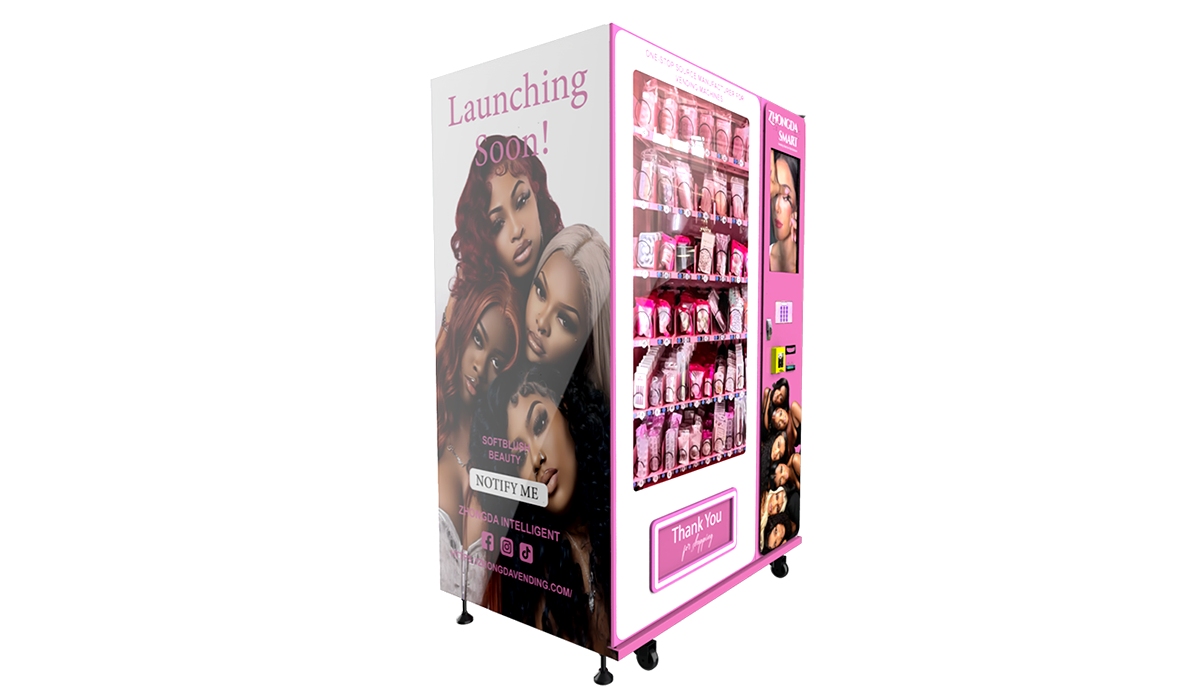
Look for manufacturers with good customer support, readily available spare parts, and experience in your market. Ask for references and check online reviews. I’ve had good results with Zhongda Smart for their balance of quality and support. Always test a machine before buying if possible.
What happens if the machine breaks down?
You need a plan for quick repairs. If you’re handy, you can fix many issues yourself. Otherwise, find a local technician who specializes in vending machine repair. I keep a list of repair contacts for each region I operate in. Downtime of more than a week can cost you customers permanently.
How can I reduce restocking and maintenance costs?
Use sales data to optimize your stock levels. Only carry popular drink options. Schedule regular cleaning to prevent breakdowns. Invest in a machine with a self-cleaning cycle. And consider using a remote monitoring system to track inventory and machine status without visiting the site.
This article was updated in June 2025. The insights shared are based on personal experience operating vending machines in the United States and Europe since 2013. Data from Statista and IBISWorld are cited where noted. Actual results may vary based on location, market conditions, and operational decisions.