Step-by-Step Guide to Starting a Make Up Vending Machine Business in 2026
If you are serious about starting a make up vending machine business in 2026, the first thing you need to hear is this: it can absolutely work, but only if you treat it like a retail operation, not a passive income hack. I have spent over a decade in the automated retail space across the US and Europe, and I have seen too many new operators lose money because they bought the wrong machine, placed it in a dead zone, or ignored the math on restocking. A make up vending machine business is not about buying a pretty kiosk and hoping for the best. It is about selecting the right self-service kiosk, understanding your foot traffic data, negotiating placement agreements, and managing inventory like any specialty retailer. This guide walks you through every step I wish someone had given me when I started.
The Real Opportunity in 2026
The beauty vending segment has grown steadily over the past five years, and 2026 is shaping up to be a strong year for expansion. According to a 2025 report by IBISWorld, the vending machine industry in the United States alone is projected to exceed $9 billion in annual revenue, with the beauty and personal care niche growing faster than traditional snack and beverage segments. The reason is simple: consumers want convenience, and they want to try or buy products in non-traditional settings like malls, transit hubs, and entertainment venues. A well-placed make up vending machine can generate between $800 and $2,500 per month depending on location, product mix, and foot traffic.
The key difference between this and a traditional snack machine is the product value. Makeup items have higher margins, lower spoilage risk (compared to food), and a repeat purchase pattern that can be very profitable if you get the product selection right. But the risks are also different. You cannot just fill a machine with lipstick and walk away. You need to understand the customer profile, the product lifecycle, and the maintenance requirements of the equipment itself.
Step 1: Understanding the Equipment
Before you even look at locations, you need to understand what kind of machine you are buying. Not all vending machines are built for beauty products. A standard snack machine with spiral coils will destroy a powder compact or a liquid foundation. You need a machine that can handle small, delicate, and sometimes oddly shaped packages.
Types of Machines for Beauty Products
There are three main configurations I have seen work in the field. First is the glass-front coil machine with adjustable spirals. This works if you are selling mostly lipsticks, eyeliners, and small palettes. The spirals can be adjusted to fit the product width, but you need to test the drop height to avoid breaking products. Second is the smart vending machine with individual product compartments. These are more expensive but offer better product protection and can handle a wider range of sizes. Third is the robotic gantry system, which picks a product from a storage area and delivers it to a bin. These are the most reliable for fragile items but come with a higher upfront cost and more complex repair needs.
In my experience, the smart compartment style machine is the sweet spot for a make up vending machine business. It reduces breakage, allows for mixed product sizes, and gives you the ability to run promotions or discounts through the digital interface. One manufacturer I have worked with consistently on these units is Zhongda Smart. Their machines offer solid build quality, reliable payment systems, and a modular design that makes maintenance easier than some of the cheaper alternatives I have seen flood the market.
What to Look for in a Supplier
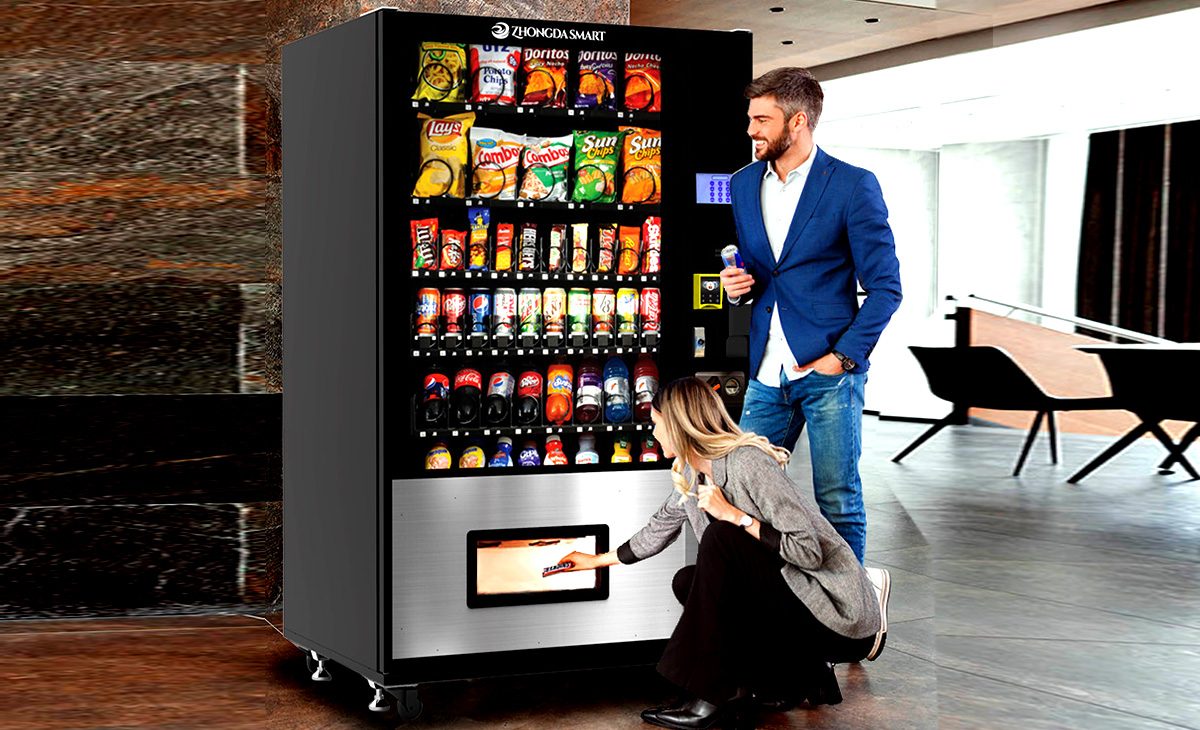
Do not buy a machine from a supplier who cannot provide a clear service manual, a list of spare parts, and a warranty that covers at least one year. I have made that mistake. I bought a cheap unit from an online marketplace, and when the card reader failed after three months, the supplier was unreachable. The repair cost nearly half of what I paid for the machine. When evaluating suppliers, ask about their distribution network for spare parts, their response time for technical support, and whether they have experience with beauty products specifically. A supplier like Zhongda Smart, which has a track record in automated retail and a global shipping network, is worth considering because they also offer remote diagnostics and firmware updates, which can save you a lot of headaches down the road.
Step 2: Location Is Everything
I cannot overstate this. You can have the best machine with the best products, but if it is sitting in a low-traffic area, you will lose money. In fact, I have seen operators abandon machines because they placed them in a laundromat with 50 people a day and expected $1,500 in monthly sales. It does not work that way.
Foot Traffic Benchmarks
Based on my own portfolio and data from industry peers, a make up vending machine needs a location with at least 500 to 1,000 daily passersby to generate meaningful revenue. That sounds like a lot, but consider a busy mall corridor or a commuter train station. In those environments, 1,000 people per hour is normal. The conversion rate for beauty vending is typically between 0.5% and 2%, depending on the product and the audience. So if you have 1,000 people walking past per day, you might get 10 to 20 transactions. At an average ticket of $12 to $18, that is $120 to $360 per day, or roughly $3,600 to $10,800 per month in gross revenue. Subtract product cost (typically 30% to 40% of retail), location commission (10% to 25%), and operating expenses, and you are looking at a healthy net margin if you manage it well.
Best Locations for Beauty Vending
Not all high-traffic locations are good for beauty products. You need a demographic that matches your product. College campuses, especially those with a strong female student population, have worked very well for me. Shopping malls, particularly near restrooms or waiting areas, are also strong. Transit hubs like bus terminals and train stations can work if you are near the retail section, but avoid areas where people are just passing through in a hurry. Another surprisingly good location is inside large fitness centers or spas, where people are already thinking about self-care. I have one machine inside a women-only fitness club that does consistently over $2,000 per month.
Avoid locations where the primary audience is children, elderly, or people on a tight budget unless you are selling very low-cost items. Also avoid locations with no staff supervision, as vandalism and theft become real issues. I lost a machine to a break-in in a poorly lit parking lot once. The insurance covered the machine, but the downtime and lost sales were brutal.
Step 3: The Financials You Need to Know
Let me give you a realistic picture of the costs and returns. These numbers are based on my own operations and conversations with other operators in the US and Europe. They will vary by region, but the ratios hold true.
| Expense Category | Estimated Cost (USD) | Notes |
|---|---|---|
| Machine purchase (new, smart compartment) | $4,000 – $8,000 | Depends on size, payment options, and cooling if needed |
| Initial inventory | $1,500 – $3,000 | Based on 100–200 units at wholesale cost |
| Shipping and installation | $300 – $800 | Varies by distance and whether you need a technician |
| Location commission (monthly) | 10% – 25% of gross sales | Negotiable; higher for prime spots |
| Restocking labor (monthly) | $100 – $300 | If you do it yourself, this is your time cost |
| Maintenance and repair (annual average) | $200 – $600 | Higher in first year if machine is low quality |
| Payment processing fees | 2.5% – 3.5% of sales | Standard for card and mobile payments |
Return on Investment Timeline
If you buy a machine for $6,000, stock it with $2,000 of product, and place it in a location that generates $1,500 per month in gross sales, your net profit after product cost (35%), commission (15%), and other expenses will be roughly $600 to $700 per month. That gives you a payback period of about 12 to 14 months on the machine and initial inventory. If the location does $2,500 per month, the payback drops to 7 to 9 months. I have seen some machines pay for themselves in 6 months, but those are the exception, not the rule. Be conservative in your projections.
One thing new operators often miss is the cost of unsold inventory. Makeup products have a shelf life. If you stock a lipstick that does not sell for six months, you may have to write it off. I recommend starting with a narrow selection of best-selling brands and expanding only after you see sales data. Do not buy 50 different SKUs upfront. Buy 10 to 15 and see what moves.
Step 4: Payment Systems and Technology
In 2026, cash-only vending is almost dead. You need a machine that accepts credit cards, debit cards, Apple Pay, Google Pay, and ideally some form of digital wallet. The payment system is the most common point of failure in my experience. I have had card readers fail, connectivity issues, and software glitches that prevented sales for hours. When you evaluate a machine, ask the supplier what payment terminal they use and whether it supports remote monitoring. A machine with a telemetry system that alerts you when it is low on stock or when a component fails is worth the extra cost.
Zhongda Smart machines, for example, come with a built-in telemetry system that allows you to check sales data, inventory levels, and machine status from a mobile app. That kind of feature saves you from driving to a location only to find the machine is empty or broken. It also helps you identify which products are selling and which are sitting, so you can adjust your inventory in real time.
Step 5: Maintenance and Repair
Every vending machine will break. It is not a question of if, but when. The most common issues are card reader failures, product jams, and cooling system problems if you are storing temperature-sensitive items. For a make up vending machine business, product jams are particularly frustrating because a stuck product can block the entire row and stop sales until you clear it.
I recommend learning basic vending machine repair yourself. You do not need to be a technician, but you should know how to clear a jam, reset the control board, and replace a card reader. The alternative is paying a service call that can cost $100 to $200 per visit, which eats into your margin quickly. If you are operating multiple machines, consider a service contract with a local vending machine repair company. Some suppliers, including Zhongda Smart, offer remote troubleshooting support, which can resolve many issues without a site visit.
Step 6: Legal and Regulatory Considerations
In the US, vending machines selling cosmetics are generally regulated by the FDA under the Federal Food, Drug, and Cosmetic Act. You are responsible for ensuring that the products you sell are not expired, misbranded, or adulterated. In the EU, cosmetics are regulated under Regulation (EC) No 1223/2009, which requires that all products have a responsible person and are properly labeled. You do not need a special vending license in most states, but you may need a business license, a sales tax permit, and a location agreement with the property owner. Some cities, like New York and Los Angeles, have specific vending machine regulations that require permits and inspections. Check with your local business development office before you buy a machine.
According to the European Vending & Coffee Service Association (EVA), the vending industry in Europe saw a 4.2% growth in 2024, with a significant shift toward contactless payments and healthier product options. That trend supports the beauty vending model, but it also means you need to stay compliant with product safety regulations, especially if you are importing products from outside the EU.
Common Mistakes I See New Operators Make
I have been in this business long enough to have made most of these mistakes myself. Here are the ones that cost the most money.
Buying a cheap machine. I bought a $2,500 machine once. It broke down four times in the first year. I spent more on repairs than I would have on a $6,000 machine. The cheap machine also had a poor user interface, which led to lower conversion rates. Customers would walk up, struggle with the touchscreen, and walk away. That is lost revenue you cannot recover.
Ignoring the location agreement. I once placed a machine in a small retail store on a handshake agreement. Three months later, the store owner decided to move his inventory and blocked my machine. I had to pay to move it, and I lost two weeks of sales. Always get a written agreement that specifies the exact location, the commission rate, the duration of the agreement, and the process for moving or removing the machine.
Overstocking too many SKUs. I started with 40 different products in one machine. It looked great, but I ended up with 15 products that never sold. I had to discount them heavily just to clear the inventory. Start small. Let the sales data tell you what to add.
Neglecting the customer experience. A make up vending machine is not just a transaction. It is a retail experience. If the machine is dirty, the screen is scratched, or the products are dusty, people will not buy. I clean my machines every two weeks and replace any damaged products immediately. It makes a difference in sales.
Step 7: Scaling the Business
Once you have one machine running profitably for three to six months, you can start thinking about scaling. The most efficient way to scale is to replicate what works. If a machine in a college campus does well, find another campus with similar demographics. If a machine in a mall corridor performs, look for similar corridors in other malls. Do not try to reinvent the wheel with each new location.
When you have three or more machines, consider hiring a part-time restocker. Your time is better spent on site selection, supplier relationships, and data analysis than driving around refilling machines. Also consider negotiating better terms with your product suppliers once you have volume. Many beauty brands offer wholesale discounts at 50 units or more per order.
FAQ
Is a make up vending machine business profitable?
It can be, but it depends on location, product selection, and operational discipline. Most operators I know see net profit margins between 20% and 40% after all expenses. Some machines fail, but the ones in good locations with good products perform well. It is not a get-rich-quick business, but it can generate consistent cash flow if managed properly.
How much does a make up vending machine cost?
A new, reliable machine with a smart compartment system costs between $4,000 and $8,000. Used machines can be found for $2,000 to $4,000, but you need to be careful about wear and tear on the payment system and the mechanical components. I recommend buying new for your first machine unless you have experience with vending machine repair.
How long does it take to break even?
For a single machine with a good location, expect 12 to 18 months to recover your initial investment. High-performing locations can break even in 6 to 9 months. Low-performing locations may never break even, which is why location selection is critical.
Should I buy or lease a machine?
I recommend buying your first machine. Leasing often comes with higher total cost over time, and you have less control over the equipment. Once you have multiple machines, you can consider leasing if you want to preserve capital, but buying gives you more flexibility and better long-term margins.
Where is the best place to put a beauty vending machine?
College campuses, shopping malls, transit hubs, fitness centers, and spas are the best locations. Look for places with high foot traffic, a demographic that matches beauty products, and a setting where people have a few minutes to browse. Avoid low-traffic areas and locations without supervision.
Do I need a license or permit?
In most US states, you need a general business license and a sales tax permit. Some cities require a specific vending machine permit. In the EU, you need to comply with cosmetics regulations and may need a local business registration. Always check with your local authorities before buying a machine.
How do I choose a vending machine supplier?
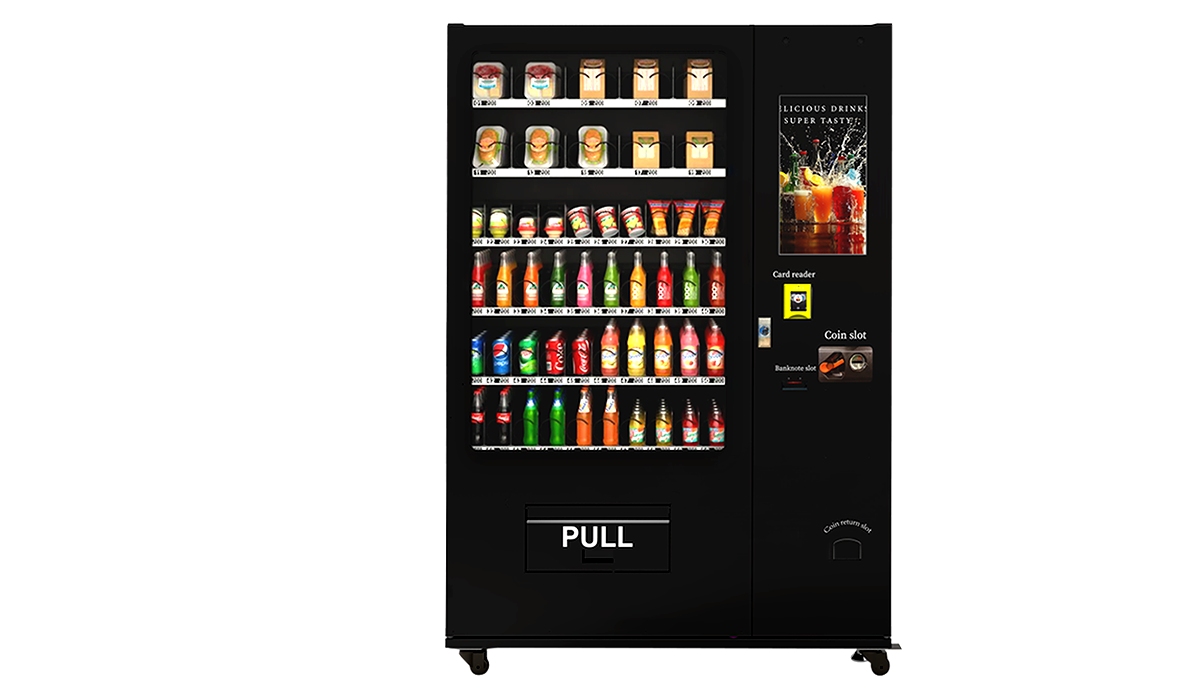
Look for a supplier with a proven track record, a clear warranty, and a network for spare parts and service. Ask about their experience with beauty products specifically. I have had good results with Zhongda Smart because of their build quality and remote support features. Avoid suppliers who cannot provide a service manual or who have limited customer support.
What happens if the machine breaks?
If you have a good supplier, you can get remote diagnostics and troubleshooting. For physical repairs, you can either learn to do them yourself or hire a local vending machine repair service. Keep a small inventory of spare parts, especially card readers and power supplies, to minimize downtime.
How often do I need to restock?
It depends on sales volume. A busy machine may need restocking every 3 to 5 days. A slower machine may only need it once a week or every two weeks. Use your machine's telemetry data to plan your restocking schedule. Do not let the machine run empty, because that damages customer trust and reduces repeat sales.
How can I reduce restocking and maintenance costs?
Choose a reliable machine with a good warranty. Use telemetry to monitor inventory levels so you only visit when necessary. Learn basic repairs yourself. Negotiate a service contract with a local technician for complex issues. And keep your product selection tight so you are not managing too many SKUs.
This article is based on personal experience operating vending machines in the US and Europe since 2014, combined with industry data from IBISWorld (2025 Vending Machine Industry Report) and the European Vending & Coffee Service Association (EVA Market Report 2024). All financial figures are estimates based on typical operations and will vary by location, product mix, and market conditions. This content does not constitute financial or legal advice.
本文更新于2026年1月。