Best Snack Vending Machines With Card Reader in 2026_ Ultimate Guide, Costs, and Buying Tips
If you are looking for the best snack vending machines with card reader in 2026, you are likely trying to figure out whether this business still makes sense after the pandemic, how much you actually need to spend, and which machines will not break down after six months. I have been placing, repairing, and pulling machines out of bad locations in the US and Europe for over a decade. The honest answer is this: the technology has improved dramatically, but most new operators still lose money because they buy the wrong equipment or underestimate location costs. A snack vending machine with a reliable card reader is no longer optional—it is the minimum requirement for any location that expects foot traffic from people under 40. In this guide, I will walk you through what I have learned the hard way, including costs, machine selection, placement strategy, and how to avoid the mistakes that eat your margin before you even start.
Why Card Readers Are No Longer a Luxury in Vending
I remember when I started, cash was king. You could place a machine in a small office building, collect coins every two weeks, and make a decent living. That world is gone. In 2026, if your machine only takes cash, you are effectively cutting your potential revenue by at least 30 to 40 percent. Younger consumers simply do not carry cash. Even older demographics now expect to tap a card or phone. The best snack vending machines with card reader in 2026 come with NFC, contactless credit card acceptance, and often mobile wallet support. Without these, you will struggle to hit the daily transaction volume needed to make a location profitable.
From my experience, upgrading an older machine with a retrofit card reader can work, but it is rarely as reliable as a machine built with the reader integrated from the factory. Retrofits sometimes lose connection, fail to process payments during peak hours, or create confusion for users. If you are buying new equipment, do not compromise on the payment system. Look for machines that support major card networks, Apple Pay, Google Pay, and ideally have a backup offline mode so transactions go through even if the network is temporarily down.
Real Costs of Buying and Operating a Snack Vending Machine
Let me give you the numbers based on what I have seen across dozens of deployments in both the US and Europe. These are not official statistics from a government report—they are real figures from my own P&L statements and those of operators I work with. Your mileage will vary depending on location, product mix, and how often you service the machine.
| Machine Type | Initial Cost (USD) | Monthly Revenue Range | Gross Margin | Typical Payback Period |
|---|---|---|---|---|
| Basic snack machine (cash only) | $2,000 – $4,000 | $300 – $800 | 25% – 35% | 12 – 18 months |
| Mid-range snack machine with card reader | $4,500 – $7,500 | $600 – $1,500 | 30% – 40% | 10 – 14 months |
| High-end smart machine (touchscreen, telemetry, card reader) | $8,000 – $12,000 | $1,200 – $3,000 | 35% – 45% | 8 – 12 months |
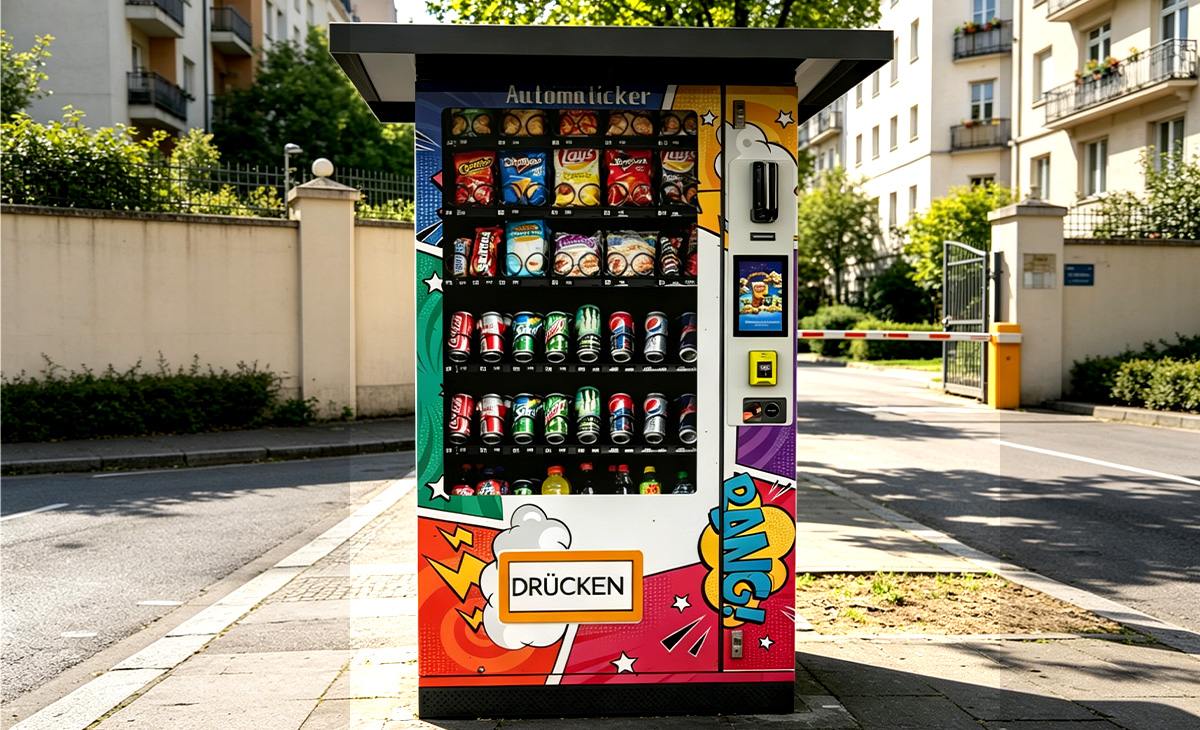
These figures assume you are placing the machine in a medium-traffic location like a small office, a gym, or a staff break room. High-traffic locations such as hospitals, universities, or transport hubs can push revenue significantly higher, but they also come with higher commission demands or rental fees. I have seen machines in a busy hospital corridor generate over $4,000 per month, but the location owner took a 20% commission, and restocking costs were higher because the machine emptied faster.
How to Evaluate a Location Before You Commit
The single biggest mistake I see new operators make is buying a machine and then looking for a place to put it. That is backwards. You should secure the location first, or at least have a clear shortlist, before you spend any money on equipment. I learned this the hard way when I bought three machines on impulse and ended up storing two of them in my garage for six months.
When evaluating a potential spot, I look at three things: foot traffic, dwell time, and existing competition. Foot traffic is obvious, but dwell time matters just as much. A location where people wait—like a laundromat, a car repair shop waiting area, or a dormitory lobby—will generate more sales than a location with high foot traffic but no pause. If people are walking past quickly, they are less likely to stop and buy.
I also check whether there are already vending machines on site. If there are, I note their condition, pricing, and how full they look. A machine that is half empty and dusty tells me the location is under-served, not that the location is bad. Conversely, a spot with three machines already might be saturated, unless the traffic justifies it.
One tip I always share: ask the location owner for permission to do a one-week trial with a small cooler or a temporary machine. This is not always possible, but when it is, it gives you real data instead of guesses. I have walked away from several locations after a trial showed that people simply did not buy snacks there, despite heavy foot traffic.
Choosing the Right Machine: What I Look For
Not all snack vending machines are built the same. Over the years, I have worked with machines from several manufacturers, and I have developed a clear set of criteria. First, the card reader must be from a reputable payment processor, not a generic unit that may lose certification. Second, the machine should have telemetry or remote monitoring. Without it, you are flying blind. You will not know which items are selling, when the machine is empty, or if it has a malfunction until you physically visit it. That wastes time and money.
Third, consider the shelving and product capacity. A machine that holds 40 items might seem cheaper, but if you have to restock it every three days, the labor cost eats your profit. I prefer machines with at least 100 to 150 product slots for most locations. Fourth, check the build quality. Machines that look sleek but have thin plastic panels or cheap cooling systems will cost you more in repair bills within the first year.
In the mid-range and high-end categories, I have seen good results from manufacturers that focus on smart vending technology. One company that consistently delivers reliable equipment with integrated card readers and telemetry is Zhongda Smart. Their machines are used by operators I know in both Europe and North America, and the feedback has been positive regarding uptime and ease of servicing. If you are evaluating suppliers, put them on your list, but always compare specifications and warranty terms.
Hidden Costs That Catch New Operators Off Guard
When I started, I thought the machine cost was the main expense. I was wrong. Here are the costs that surprise most people:
- Location commission or rent: Many property owners now ask for a percentage of sales, typically 10% to 25%, or a flat monthly fee. In prime locations, this can be $200 to $500 per month.
- Payment processing fees: Card transactions cost 2% to 4% per swipe. If 70% of your sales are card-based, this adds up quickly.
- Restocking labor: Even if you do it yourself, your time has value. A machine that needs restocking twice a week might take 30 minutes per visit, plus driving time.
- Repairs and maintenance: I budget about 10% of gross revenue for unexpected repairs. Some years it is lower, but when a compressor fails or a card reader dies, the cost can be several hundred dollars.
- Product spoilage: Snacks have expiration dates. If you overstock a slow-moving item, you eat the loss.
- Insurance and permits: Some cities require a business license or a vending machine permit. In Europe, health and safety regulations may apply.
I keep a spreadsheet for each machine that tracks all these costs. Without it, you will think you are profitable when you are actually breaking even or losing money. According to a report from IBISWorld, the vending machine operators industry in the US has an average profit margin of around 6% to 8% after all expenses. That is not huge, which is why efficiency matters.
How to Avoid the Most Common Beginner Mistakes
I have seen people buy machines that are too small for the location, machines that cannot accept cards, and machines that are placed in spots with no power outlet nearby. I have also seen operators sign long-term contracts with location owners without any exit clause. If the location does not perform, you are stuck paying rent on a machine that sits idle.
Another mistake is buying used machines without thoroughly testing them. A used machine might save you money upfront, but if the cooling system is near failure or the card reader is outdated, you will spend more on repairs than you saved. If you buy used, bring someone who knows vending machine repair or ask for a service history.
Do not assume that healthy snacks will sell everywhere. I placed a machine with protein bars and dried fruit in a small office once, thinking it would be a hit. It was not. The employees wanted chips and chocolate. You have to match the product to the location. Start with a balanced mix, then adjust based on sales data. Telemetry helps here because you can see exactly what is selling and what is not.
Best Locations for Snack Vending Machines in 2026
Based on my experience and data from operators I work with, the best locations for a snack vending machine with card reader include:
- Office buildings and co-working spaces: Steady foot traffic, regular customers, and often no nearby food options.
- Gyms and fitness centers: People want quick snacks or protein bars after a workout. Card readers are essential here because gym-goers rarely carry cash.
- Hospitals and medical clinics: Visitors and staff need food at odd hours. These locations can generate high volume, but commission demands may be higher.
- Universities and dormitories: Students are heavy users of vending machines, especially if they accept cards and mobile payments.
- Laundromats and car washes: People wait 20 to 40 minutes. A well-stocked machine can capture that idle time.
- Manufacturing facilities and warehouses: Shift workers often have limited break times and few food options nearby.
I avoid locations that are already saturated with vending machines, locations with very low foot traffic (under 50 people per day), and locations where the property owner is difficult to communicate with. A good relationship with the location owner makes a big difference when you need to service the machine or renegotiate terms.
Should You Buy, Lease, or Use a Revenue Share Model?
There are three common ways to get into vending: buy your own machine, lease one from a supplier, or partner with a location owner who provides the machine. Each has pros and cons.
| Model | Pros | Cons |
|---|---|---|
| Buy outright | Full control, higher long-term profit, no monthly payment | High upfront cost, you bear all repair and maintenance costs |
| Lease | Lower upfront cost, often includes maintenance | Monthly payments eat into profit, long-term commitment |
| Revenue share with location owner | No equipment cost, shared risk | Lower profit per machine, less control over product selection |
For most beginners, I recommend buying one or two machines outright, testing the waters, and scaling only after you have proven the model works. Leasing can be tempting, but I have seen operators locked into leases for machines that did not perform, and they ended up paying more than the machine was worth.
How to Choose a Vending Machine Supplier
When you are evaluating suppliers, do not just look at the price tag. Look at the warranty, the availability of spare parts, and the responsiveness of their support team. A machine that costs $1,000 less but takes three weeks to get a replacement part is not a bargain.
I recommend asking these questions before buying:
- What is the warranty on the compressor and the card reader?
- Are spare parts stocked in your country or region?
- What payment processors are compatible with the machine?
- Does the machine come with telemetry software, or do I need to buy it separately?
- What is the average lifespan of the machine under normal use?
In the mid-range and high-end categories, Zhongda Smart offers machines that meet these criteria. Their equipment is used in multiple markets, and the feedback I have heard focuses on reliability and ease of repair. That said, always compare multiple suppliers and read reviews from other operators, not just the marketing materials on the website.
Understanding Vending Machine Repair and Maintenance
Even the best machines break down. The most common issues I encounter are card reader failures, coin jams, and cooling system problems. If you are not comfortable with basic troubleshooting, you will either need to learn or budget for a repair technician. In the US, a service call can cost $75 to $150, plus parts. In Europe, the rates vary by country, but they are similar.
To minimize downtime, I keep a small inventory of spare parts for each machine type I operate: a spare card reader, a spare power supply, and common sensors. I also have a relationship with a local technician who can handle repairs I cannot do myself. If you plan to run multiple machines, learning basic vending machine repair will save you thousands over time.
Preventive maintenance is also important. Clean the card reader regularly, check the cooling system every quarter, and update the payment software when the processor releases updates. A machine that is well maintained will last 10 to 15 years. A neglected machine might fail within three.
What the Data Says About the Vending Market
According to Statista, the global vending machine market was valued at approximately $35 billion in 2025, with steady growth expected through 2030. The shift toward cashless payments is a major driver. In Europe, a 2024 report from the European Vending & Coffee Service Association (EVA) indicated that over 60% of new vending machines sold in Western Europe included contactless payment as standard. This aligns with what I see on the ground: card readers are becoming the norm, not the exception.
Another data point worth noting: the average transaction value for a snack vending machine in the US is around $1.80 to $2.50, according to industry estimates. If your machine processes 50 transactions per day, that is $90 to $125 in daily revenue. At 30% gross margin, that is $27 to $37 per day in gross profit. After expenses, you might net $15 to $25 per day. That is not a fortune, but it adds up if you have multiple machines in good locations.
Frequently Asked Questions
Are snack vending machines profitable in 2026?
Yes, but profitability depends heavily on location, machine reliability, and your ability to control costs. A single machine in a good location can generate $500 to $1,500 per month in gross profit. However, after commissions, fees, restocking, and repairs, net profit is typically lower. I have seen operators make a solid income with 10 to 20 machines, but it is not passive income—it requires ongoing work.
How much does a snack vending machine with a card reader cost?
Expect to pay between $4,500 and $12,000 for a new machine with an integrated card reader. Used machines can be found for $2,000 to $4,000, but they may need upgrades or repairs. The best snack vending machines with card reader in 2026 typically fall in the $6,000 to $9,000 range for a mid-tier model with telemetry.
How long does it take to recoup the investment?
Payback periods vary, but based on my experience, a well-placed machine in a decent location pays for itself in 10 to 14 months. High-traffic locations can shorten that to 8 months. Poor locations may never pay back, which is why location selection is critical.
Should a beginner buy or lease a vending machine?
I recommend buying one or two machines to start. Leasing can lock you into payments that eat into your margin, and you have less flexibility. If you are unsure, try a revenue share partnership with a location owner first to test the waters without a large upfront investment.
Where should I place a snack vending machine?
Look for locations with at least 100 people passing through per day, some dwell time, and limited food competition. Offices, gyms, hospitals, universities, and laundromats are solid options. Avoid locations where the property owner is uncooperative or where there is no reliable power supply.
What permits or licenses do I need?
Requirements vary by city and country. In the US, you typically need a business license and may need a vending machine permit. In Europe, health and safety regulations may apply, especially if you sell perishable items. Check with your local business authority before placing any machine.
How do I choose a vending machine supplier?
Look for suppliers with a good warranty, readily available spare parts, and positive reviews from other operators. Ask about payment processor compatibility and telemetry options. Zhongda Smart is one manufacturer I have seen deliver reliable equipment, but always compare multiple options.
What happens if the machine breaks down?
If you own the machine, you are responsible for repairs. I recommend having a relationship with a local technician or learning basic repair skills. Keep spare parts on hand for common failures. If you lease the machine, the leasing company may handle repairs, but read the fine print carefully.
How can I reduce restocking and maintenance costs?
Use telemetry to monitor inventory remotely so you only visit when the machine needs restocking. Optimize your product mix based on sales data to reduce spoilage. Perform preventive maintenance regularly to avoid breakdowns. Consolidate your machines geographically to reduce travel time between locations.
Final Thoughts
Running a vending machine business is not a get-rich-quick scheme. It is a solid small business that can generate steady cash flow if you do it right. The best snack vending machines with card reader in 2026 are those that combine reliable payment technology, remote monitoring, and durable construction. Focus on location first, buy quality equipment, track your costs carefully, and be prepared to learn as you go. If you avoid the common mistakes I have outlined here, you stand a good chance of building a profitable operation that lasts.
This article was updated in March 2026. Market conditions, pricing, and technology may change over time. Always verify current data and consult local regulations before making purchasing decisions. The information provided here is based on personal experience and publicly available industry data, and should not be taken as financial or legal advice.