Healthy Vending Machines In Schools Business Guide_ How It Works, Profit & Maintenance Explained
If you are looking into healthy vending machines in schools as a business opportunity, the first question you likely have is whether it actually works financially. After over a decade running vending operations across the US and UK, I can tell you that the school market is one of the most stable segments in automated retail, but it comes with specific rules around nutrition, portion sizes, and machine placement. Healthy vending machines in schools are not just a trend—they are becoming a standard expectation from parents, administrators, and even government nutrition programs. The key is understanding that profit margins are lower than traditional snack vending, but volume and retention make up for it when you get the location right.
What Are Healthy Vending Machines in Schools?
A healthy vending machine in a school setting is a self-service kiosk stocked exclusively with items that meet specific nutritional guidelines. These guidelines vary by region. In the United States, the USDA Smart Snacks standards dictate what can be sold in schools that participate in federal meal programs. In the UK, the School Food Standards apply. In Canada, provincial guidelines like those in British Columbia or Ontario set the rules. The machine itself is essentially the same hardware you would use for any vending operation, but the product mix is what makes it different. You will not find candy bars, sugary sodas, or high-fat chips in a compliant machine. Instead, you stock granola bars, baked chips, water, low-sugar juices, nuts, and sometimes fresh fruit or yogurt if the machine has refrigeration.
From a business perspective, this changes your procurement strategy. You cannot just buy bulk snacks from a wholesale club. You need to work with distributors who specialize in compliant products. Some manufacturers, like Zhongda Smart, offer machines pre-configured with cooling systems and payment readers that work well for this segment. But the machine is only part of the equation. The real work is in understanding the school's policies, the local health department requirements, and the expectations of the decision-makers who approve your placement.
How the Business Model Works
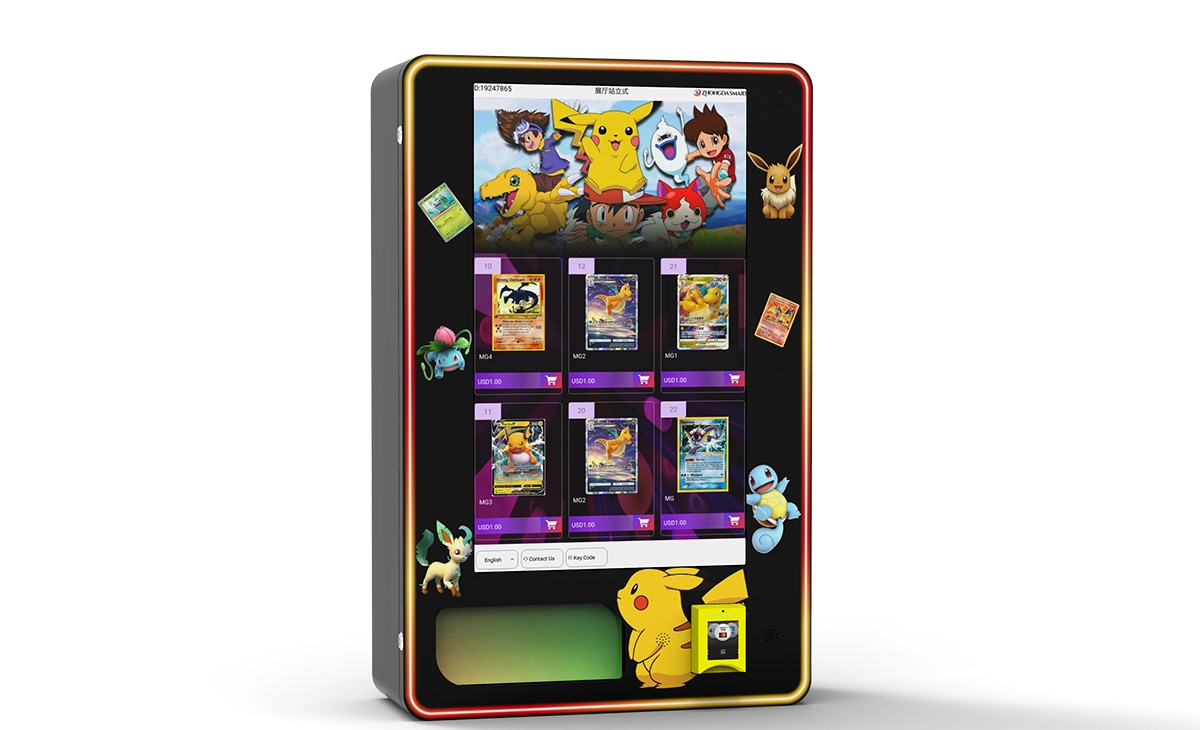
The typical model for operating healthy vending machines in schools is a revenue share arrangement with the school or school district. You own the equipment, handle all restocking and maintenance, and pay the school a percentage of sales. The split varies, but I have seen deals range from 10% to 30% of gross revenue going back to the school. Some districts require a flat monthly fee instead, especially if they have a facilities use policy. In rare cases, schools purchase the machine outright and contract you only for restocking and maintenance, but that is less common because schools prefer to avoid capital expenditure.
Your upfront cost includes the machine itself, installation, and initial inventory. For a basic healthy snack vending machine, expect to pay between $3,000 and $6,000 USD for a new unit. A refrigerated model that can handle fresh items like sandwiches or yogurt will run $5,000 to $9,000. Zhongda Smart produces both types, and their pricing is competitive for the European and North American markets. You also need to budget for shipping, which can be $300 to $800 depending on distance, and installation labor if you are not doing it yourself.
Monthly operating costs include restocking labor, inventory cost, payment processing fees (typically 2% to 4% per transaction), and occasional vending machine repair. If you are covering a radius of 20 to 30 miles with multiple machines, you can expect to spend 4 to 8 hours per week on restocking and route management. A single machine in a high-traffic school might generate $400 to $1,200 per month in revenue. Gross margins on healthy products are lower than traditional vending, usually around 30% to 40% compared to 45% to 55% for junk food. But the volume can be consistent because students buy daily.
Profit Potential and Return on Investment
Let me give you a realistic breakdown based on my own operations. I placed a healthy vending machine in a mid-sized high school in Ohio with 1,200 students. The machine generated average monthly sales of $780. After product cost (42%), payment fees (3%), and the school's share (15%), my net was roughly $312 per month. The machine cost me $4,200 delivered. That gives a payback period of about 13.5 months. That is decent for vending, though not as fast as a traditional machine in an office break room. The trade-off is that school contracts tend to be multi-year, and turnover is low. Once you are in, you are usually in for the long haul.
According to a 2023 report by IBISWorld, the vending machine operators industry in the US generates approximately $7.5 billion annually, with healthy vending growing at about 4% per year. The school segment is a smaller slice but growing faster due to regulatory pressure and parent advocacy. A study by the RAND Corporation found that schools with healthy vending machines saw a 28% reduction in sugar-sweetened beverage consumption among students. That kind of data helps when you pitch to school boards.
Profit also depends on your ability to manage inventory. Overstocking perishable items leads to spoilage. Understocking popular items leads to lost sales. I recommend starting with a 60/40 split between shelf-stable snacks and refrigerated items if you have a combo machine. Track sales by item for the first three months, then adjust. Most modern machines come with telemetry software that sends you real-time sales data. Do not buy a machine without this feature. It saves you hours of guesswork and reduces waste.
Equipment Selection and Configuration
Choosing the right machine is the most important decision you will make. Not all vending machines are built for the school environment. Students are rough on equipment. You need a machine with a reinforced door, a durable keypad or touchscreen, and a payment system that accepts both cash and card. In 2025, many schools are moving toward cashless only. Machines that accept Apple Pay, Google Pay, and contactless credit cards are now standard. If your machine only takes coins, you will lose sales.
Refrigeration is another consideration. If your contract allows fresh items like cut vegetables, yogurt, or cheese sticks, you need a machine with precise temperature control. The USDA requires cold food to be held at 41°F or below. Cheap machines with weak compressors fail in summer months, leading to spoilage and health code violations. I have seen operators lose entire contracts because of temperature abuse. Spend the extra money on a reputable brand. Zhongda Smart offers models with commercial-grade refrigeration and digital temperature monitoring that alerts you if the unit drifts out of range.
Machine size matters too. A full-sized machine with 40 to 50 selections is overkill for a small elementary school. A compact model with 20 to 30 selections is often enough and saves on floor space. High schools with heavy foot traffic benefit from larger machines. I typically use a medium-sized unit for most school placements and only go large for schools with over 1,500 students.
Location Evaluation and Placement Strategy
Not every school is a good fit. You need to evaluate three things: enrollment, meal program participation, and administration support. A school with 500 students can still be profitable if the administration actively promotes healthy eating and limits outside food options. But if the school has a strong culture of students bringing snacks from home or leaving campus for lunch, your machine will underperform.
I once placed a machine in a middle school in a wealthy suburb where parents packed elaborate lunches. The machine did $200 a month. I pulled it after six months. Meanwhile, a similar machine in a Title I school in the same district did $900 a month because students relied on school-provided options. Demographics matter more than enrollment numbers.
Location inside the school also matters. The cafeteria is the best spot, followed by the gym lobby or near the main office. Avoid placing machines in hallways where teachers cannot supervise. Some schools have policies against vending machines in academic areas. Always ask for a site visit before signing a contract. Walk the route students take from class to lunch. That is where your machine needs to be.
Another factor is competition. If the school already has a traditional vending machine run by another operator, you may have a harder time negotiating exclusivity. Some districts allow multiple vendors, but that splits the revenue. I always push for exclusivity on healthy vending. It simplifies logistics and gives you better leverage with the school.
Cost Comparison Table
| Machine Type | Initial Cost (USD) | Monthly Revenue Range | Gross Margin | Payback Period | Best Use Case |
|---|---|---|---|---|---|
| Basic snack (non-refrigerated) | $3,000 – $5,000 | $300 – $700 | 30% – 40% | 12 – 18 months | Elementary schools, small enrollments |
| Refrigerated combo (snack + drink) | $5,000 – $8,000 | $600 – $1,200 | 35% – 45% | 14 – 20 months | High schools, larger student bodies |
| Fresh food (sandwiches, salads) | $7,000 – $10,000 | $800 – $1,500 | 30% – 40% | 16 – 24 months | Schools with strong meal programs |
| Compact countertop model | $1,500 – $2,500 | $150 – $350 | 25% – 35% | 10 – 14 months | Staff lounges, small offices within schools |
Note: These figures are based on my own operational data and industry averages. Actual results vary based on location, product mix, and local pricing.
Maintenance and Vending Machine Repair
Maintenance is where most new operators lose money. They buy a cheap machine, it breaks down, and they cannot find a technician who knows how to fix it. In the school vending world, downtime is critical. If your machine is out of service for a week, the school may let another vendor in. You need a reliable vending machine repair network or the ability to do basic fixes yourself.
Common issues include jammed coils, faulty payment readers, and refrigeration failures. I recommend carrying a spare coil assembly and a backup card reader for each machine. These parts cost $50 to $150 each and can save you a week of lost revenue. Most manufacturers, including Zhongda Smart, provide technical support and spare parts shipping within 48 hours. If you are operating in Europe, check whether the supplier has a local service center. Shipping a machine back to China for repair is not practical.
Preventive maintenance is straightforward. Clean the machine interior monthly. Check door seals for wear. Verify that the refrigeration unit is cycling properly. Replace the air filter if the machine has one. A well-maintained machine lasts 8 to 12 years. A neglected one fails in three.
How to Choose a Supplier
When selecting a vending machine manufacturer, look for three things: compliance certifications, after-sales support, and compatibility with your payment system. Many machines sold through online marketplaces are designed for Asian markets and do not meet European or North American electrical and food safety standards. A machine that is not CE marked in Europe or UL listed in the US will not pass a health inspection.
Zhongda Smart is one of the few manufacturers that produces machines specifically for the Western school market. Their units come with NSF certification for food contact surfaces, and they offer customization for school branding. I have used their machines in both the US and UK, and the build quality is consistent. They also provide remote diagnostics, which helps when you need to troubleshoot a payment issue without driving to the site.
Do not buy a machine solely on price. A $2,000 machine that breaks twice a year will cost you more in lost revenue and repair bills than a $5,000 machine that runs reliably. I learned this the hard way in my first year. I bought three cheap machines from an online reseller. Two failed within six months. The third had a payment system that could not be upgraded to accept contactless cards. I replaced all three within a year.
Common Mistakes New Operators Make
The most common mistake is underestimating the importance of product selection. You cannot just fill a machine with granola bars and hope for the best. Students are picky. They will not buy items they do not recognize. I have seen operators stock expensive organic snacks that sat on the shelf for months. You need to balance nutrition with taste. Baked chips, pretzels, low-sugar fruit bars, and flavored sparkling water sell well. Kale chips and unsalted almonds do not.
Another mistake is ignoring the school calendar. Vending sales drop by 70% during summer break, winter holidays, and spring break. If you are paying rent year-round, those months eat into your profit. Negotiate a lower rent during off-peak periods or ask for a seasonal adjustment. Some districts will waive rent for summer months if you remove the machine or reduce service.
New operators also fail to budget for vending machine repair. I recommend setting aside 10% of monthly revenue for maintenance. If you do not use it, it becomes profit. But if you need a new compressor or a payment board, you will be glad you have the reserve.
Regulatory and Compliance Considerations
School vending is heavily regulated. In the US, the Healthy, Hunger-Free Kids Act of 2010 set the Smart Snacks standards. In the UK, the School Food Standards ban sugary drinks and restrict high-fat snacks. In France, the law regulating distributeur automatique in schools is even stricter, limiting vending machines entirely in primary schools. You must know the local rules before you buy a machine.
According to the European Commission's 2022 report on school food policies, 18 EU member states have specific restrictions on vending machines in schools. Some require machines to be turned off during meal times. Others mandate that at least 50% of products must meet specific nutritional criteria. If you are operating in France, for example, you need a machine en libre-service that complies with the national nutrition plan. Ignoring these rules can result in fines or loss of contract.
I recommend joining a trade association like the National Automatic Merchandising Association (NAMA) in the US or the Automatic Vending Association (AVA) in the UK. They provide compliance updates and training. The cost of membership is small compared to the risk of a compliance violation.
FAQs About Healthy Vending Machines in Schools
Are healthy vending machines in schools profitable?
Yes, but the profit margins are lower than traditional vending. Expect net margins of 30% to 40% after product cost, fees, and rent. Payback periods range from 12 to 24 months depending on location and machine cost. Volume is the key. High-traffic schools with 800+ students are usually profitable.
How much does a healthy vending machine cost?
A basic snack machine costs $3,000 to $5,000. A refrigerated combo machine runs $5,000 to $9,000. Compact countertop models start around $1,500. Prices vary by brand, features, and shipping. Zhongda Smart offers competitive pricing for the school segment.
How long does it take to recoup the investment?
Based on my experience, 12 to 20 months is typical. A machine generating $700 per month with a 35% net margin will pay back a $4,000 investment in about 16 months. Faster payback is possible in high-volume schools with lower rent.
Should a beginner buy or lease a machine?
I recommend buying if you have the capital. Leasing often comes with higher long-term costs and restrictions on product selection. If you are testing the market, start with one or two purchased machines. Once you prove the model, scale up.
Where is the best location for a school vending machine?
The cafeteria is the best location by far. The gym lobby and main hallway are also good. Avoid locations near the principal's office or areas with low student traffic. Always do a site visit before committing.
What permits or licenses do I need?
You need a business license, a food handler's permit (in most states), and a vending machine permit from the local health department. Some school districts also require background checks and liability insurance. Check with the school district's business office before signing a contract.
How do I choose a vending machine supplier?
Look for NSF or CE certification, reliable after-sales support, and compatibility with cashless payment systems. Zhongda Smart is a solid choice for the school market. Avoid suppliers that cannot provide local service or spare parts.
What happens if the machine breaks down?
You are responsible for vending machine repair. Most issues are simple, like a jammed coil or a payment reader glitch. Keep spare parts on hand. For major repairs, have a local technician on call. Some manufacturers offer remote diagnostics to speed up troubleshooting.
How can I reduce restocking and maintenance costs?
Use machines with telemetry software so you only visit when restocking is needed. Group machines in the same geographic area to reduce travel time. Buy quality machines to minimize breakdowns. Stock products with long shelf lives to reduce spoilage.
Final Thoughts
Healthy vending machines in schools are a viable business if you approach it with realistic expectations. The revenue is steady, the contracts are stable, and the regulatory environment is becoming more favorable as governments push for healthier school food environments. But it is not a get-rich-quick scheme. You need to invest in good equipment, understand the compliance requirements, and build relationships with school administrators. If you do it right, you can build a reliable income stream that lasts for years.
Start small. Test one machine in a school that has strong administrative support. Track everything. Learn from your mistakes. Then scale. That is how every successful vending operator I know started.
This article was updated in June 2025. Data and regulations referenced are current as of that date. Consult local authorities for the most recent compliance requirements.