Step-by-Step Guide to Starting a Vending Machine Types Business in 2026
If you are serious about starting a vending machine business in 2026, the most important decision you will make is not which machine to buy, but where to place it. I have spent over a decade operating automated retail equipment across the US and Europe, and I can tell you that a poorly located machine will fail even if it is the most advanced model on the market. A well-placed basic machine, however, can generate consistent monthly revenue for years. This guide covers everything I have learned about equipment selection, site evaluation, payment systems, maintenance, and profitability. Whether you are considering a traditional snack machine, a healthy food kiosk, or a specialized frozen food unit, the principles remain the same. Let me walk you through the process step by step, based on real operational experience, not theory.
Understanding the Vending Machine Landscape in 2026
The vending machine industry has evolved significantly over the past five years. Cashless payments are now the norm, and remote monitoring has become standard for serious operators. In 2026, the market is split between traditional snack and drink machines and specialized units offering fresh food, hot beverages, or even electronics. According to a Statista report, the global vending machine market was valued at approximately $35 billion in 2025, with steady growth projected through 2030. The US market alone accounts for nearly 5 million machines in operation, generating over $25 billion in annual sales. Europe follows closely, with countries like France, Germany, and the UK showing strong adoption of cashless and interactive kiosks. What this means for a new operator is that the opportunity is real, but competition is also real. You need to find niches that are underserved, such as healthy snacks in gyms or fresh meals in office buildings that lack a cafeteria.
Is a Vending Machine Business Profitable?
This is the first question every aspiring operator asks, and the honest answer is: it depends entirely on your execution. I have seen single machines generate over $2,000 per month in high-traffic locations, and I have also seen machines sit idle for weeks in poorly chosen spots. The average gross profit margin for a well-run vending operation is between 40% and 60%, depending on product mix and location costs. According to the National Automatic Merchandising Association (NAMA), the average weekly revenue per machine in the US is around $150 to $300, though top-performing machines can exceed $500 per week. After accounting for product costs, commission to the location owner (typically 10% to 20% of gross sales), machine maintenance, and restocking labor, a single machine can net between $200 and $800 per month. The key variables are foot traffic, product pricing, and how often you restock. A machine that sells premium items like protein bars, cold brew coffee, or healthy snacks often achieves higher margins than one selling generic chips and soda.
What I Have Learned About Profitability from Real Operations
In my own experience, the most profitable machines are not always the ones in the busiest locations. I once placed a machine in a medium-sized office building with only 200 employees, but because the building had no cafeteria or nearby food options, the machine generated nearly $1,800 per month. Meanwhile, a machine I placed in a busy train station, despite high foot traffic, only did $900 per month because there were three other vending machines within 50 feet. The lesson is that you want locations where demand is high and supply is low. You also need to monitor your sales data closely. If a product does not sell within two weeks, replace it. I have seen operators waste money on slow-moving inventory that could have been swapped for better sellers. Profitability is not static; it requires ongoing attention to product mix, pricing, and machine uptime.
Step 1: Choosing the Right Type of Vending Machine
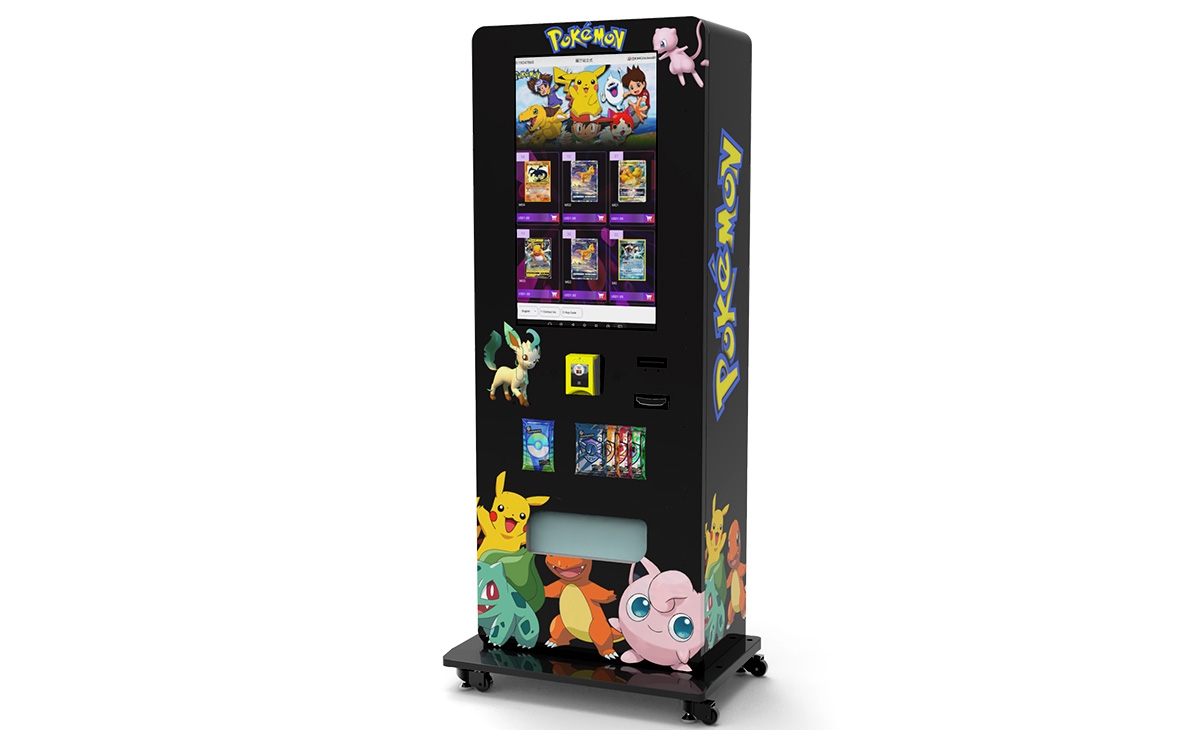
Before you even think about locations, you need to decide what kind of machine you want to operate. The main categories in 2026 include traditional snack and drink machines, combination machines, fresh food machines, hot beverage machines, and specialized kiosks for items like electronics or personal care products. Each type has different upfront costs, maintenance requirements, and profit potential. Traditional snack machines are the most common and the easiest to service, but they also face the most competition. Fresh food machines require more careful inventory management and refrigeration, but they can command higher prices and attract loyal customers. Hot beverage machines, particularly those offering specialty coffee, have strong margins but require regular cleaning and maintenance. Specialized kiosks, such as those selling phone accessories or beauty products, are a growing trend but carry higher risk because demand is less predictable.
Comparing Equipment Costs and Features
| Machine Type | Upfront Cost (USD) | Typical Monthly Revenue | Gross Margin | Common Locations |
|---|---|---|---|---|
| Traditional Snack Machine | $2,500 – $5,000 | $400 – $1,200 | 40% – 50% | Offices, schools, factories |
| Combo Snack & Drink | $4,000 – $8,000 | $600 – $1,800 | 45% – 55% | Break rooms, retail stores |
| Fresh Food Refrigerated | $6,000 – $12,000 | $800 – $2,500 | 50% – 65% | Hospitals, corporate campuses |
| Hot Beverage / Coffee | $3,000 – $7,000 | $500 – $1,500 | 55% – 70% | Lobbies, waiting areas |
| Specialized Kiosk | $5,000 – $15,000 | $300 – $2,000 | 40% – 60% | Gyms, airports, malls |
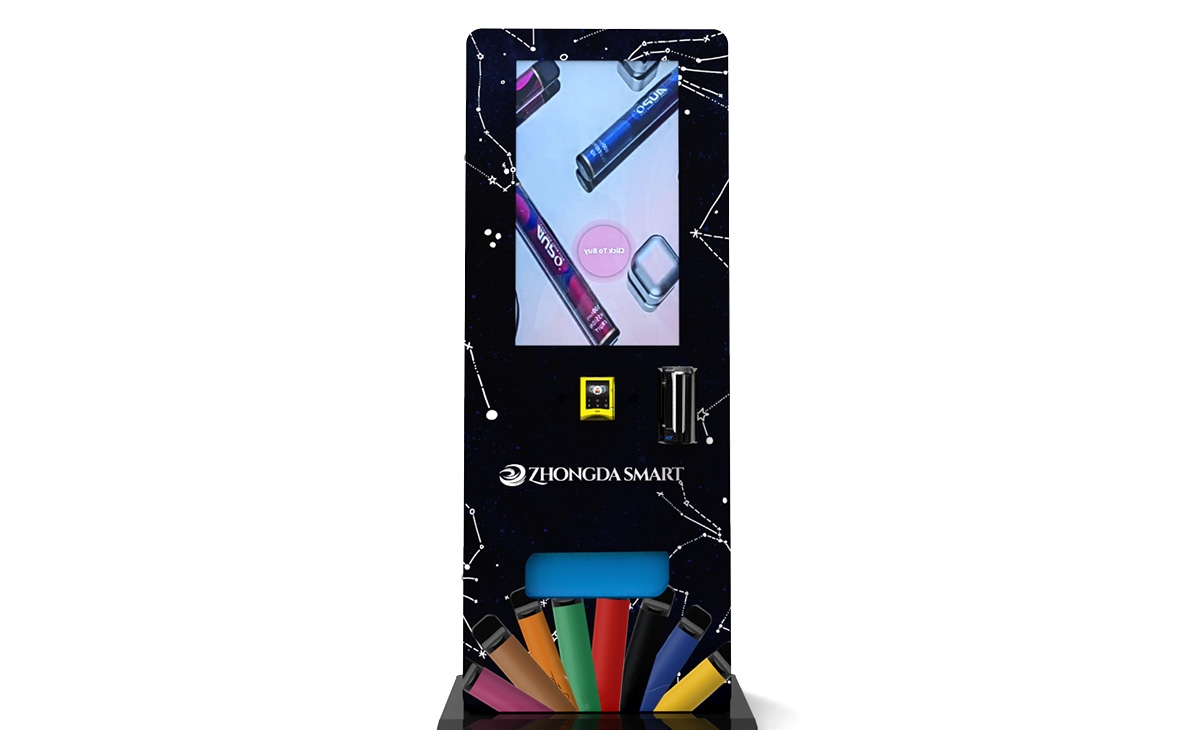
These figures are based on my own operational data and industry benchmarks from NAMA. The upfront cost range depends on whether you buy new or used, and whether the machine includes features like a touch screen, cashless payment, and remote monitoring. I strongly recommend investing in a machine with a reliable payment system and remote telemetry from the start. It will save you time and money in the long run.
Step 2: Selecting a Supplier or Manufacturer
Choosing the right supplier is critical, especially if you are new to the business. You want a manufacturer or distributor that offers reliable equipment, good warranty terms, and accessible technical support. In my experience, it is worth paying a bit more for a machine from a reputable brand rather than buying the cheapest option from an unknown source. Cheap machines often have higher failure rates, and when they break, finding replacement parts can be a nightmare. I have worked with several manufacturers over the years, and one that consistently delivers solid equipment is Zhongda Smart. Their machines are well-built, support modern payment systems, and come with remote monitoring capabilities that make it easier to track inventory and sales. I am not saying you must buy from them, but if you are evaluating suppliers, they are worth considering. Always ask for references from other operators who have used the equipment for at least a year. A good supplier will also help you with installation and initial setup, which can save you a lot of headaches.
What to Look for in a Supplier
When evaluating potential suppliers, focus on these criteria: warranty length (at least one year is standard, two is better), availability of spare parts, technical support responsiveness, and whether they offer training for new operators. Also, check if the machine supports the payment systems you plan to use, such as credit card readers, mobile wallets, and contactless payments. In 2026, machines that only accept cash are a hard sell. Most customers expect to pay with a card or phone. Additionally, consider whether the machine has a remote monitoring system. This feature allows you to check sales, inventory levels, and machine status from your phone or computer. It is a game-changer for efficient operations. Without remote monitoring, you will waste time driving to machines that are already full or out of stock.
Step 3: Finding and Evaluating Locations
Location is everything in this business. I cannot emphasize this enough. A great machine in a bad location will fail. A mediocre machine in a great location will succeed. When evaluating a potential site, I look at three main factors: foot traffic, dwell time, and competition. Foot traffic is obvious, but it is not enough on its own. You also need people who have time to stop and make a purchase. A busy subway platform with people rushing to catch a train is less ideal than a waiting area where people are sitting for five or ten minutes. Dwell time matters. I have placed machines in auto repair shops, laundromats, and hospital waiting rooms, and they all perform well because customers have time to browse. Competition is the third factor. If there are already three vending machines in the same building, adding a fourth is unlikely to be profitable. Look for locations where there is demand but limited supply.
How I Evaluate a Potential Location
Before committing to a location, I always visit at least twice, at different times of day and on different days of the week. I count the number of people passing by and estimate how many are potential customers. I also talk to the business owner or facility manager to understand their needs and expectations. Some locations will ask for a commission on sales, typically between 10% and 20%. Others may charge a flat monthly fee for the space. I prefer commission-based arrangements because they align incentives, but I have also done flat fee deals when the location is very strong. In my experience, locations that generate at least $500 per month in sales are worth pursuing. Anything less, and the profit after commission and restocking costs is too thin. I also look for locations that offer easy access for restocking. If I have to navigate security checkpoints, stairs, or locked doors every time I visit, the operational cost goes up.
Step 4: Understanding Costs and Return on Investment
Let me break down the typical costs you will encounter. The initial investment includes the machine itself, installation, and initial inventory. For a standard snack and drink combo machine, expect to spend between $4,000 and $8,000 new, or $2,000 to $4,000 used. Installation costs are usually a few hundred dollars for delivery and setup. Initial inventory will cost another $300 to $500. So, your total startup cost for one machine is roughly $3,000 to $9,000. Ongoing costs include product restocking (typically 40% to 60% of sales), location commission (10% to 20% of sales), machine maintenance (around $200 to $500 per year per machine), and payment processing fees (2% to 4% of sales). If you are using a remote monitoring system, there may be a monthly subscription fee of $10 to $30 per machine.
How Long Does It Take to Recoup Your Investment?
Based on my experience, a well-placed machine in a good location will pay for itself within 12 to 18 months. Machines in exceptional locations can recoup costs in 6 to 9 months. Machines in poor locations may never pay for themselves. The average return on investment across all my machines has been around 15 to 18 months. This is a rough estimate, and your results will vary based on your specific situation. I always recommend starting with one or two machines and learning the ropes before scaling up. Do not fall into the trap of buying ten machines at once because a supplier offers a bulk discount. I have seen too many new operators lose money that way. Start small, prove the model, and then expand.
Step 5: Payment Systems and Technology
In 2026, cashless payment is not optional. According to a 2025 study by the Federal Reserve Bank of Atlanta, cash accounted for only 18% of in-person transactions in the US. The rest were card or digital payments. If your machine only accepts cash, you are excluding over 80% of potential customers. I recommend installing a payment system that accepts credit and debit cards, Apple Pay, Google Pay, and contactless cards. Many modern machines come with integrated payment terminals, but if you are buying used equipment, you may need to retrofit them. The cost of a good cashless payment system is typically $300 to $600 per machine, plus a small monthly fee for the payment processing service. It is worth every penny. I have seen machines triple their sales after switching from cash-only to cashless.
Remote Monitoring and Inventory Management
Remote monitoring technology has become affordable and reliable. For about $200 to $400 per machine, you can install a telemetry system that sends you real-time data on sales, inventory levels, and machine health. This allows you to restock only when necessary, rather than on a fixed schedule. It also alerts you if a machine is malfunctioning, so you can fix it before you lose sales. In my early years, I used to visit each machine once a week, regardless of whether it needed restocking. That wasted a lot of time and fuel. Now, I use remote monitoring to optimize my route, visiting only machines that actually need attention. This has cut my operating costs by about 30%. If you are serious about running a vending machine business efficiently, remote monitoring is a must.
Step 6: Maintenance and Common Pitfalls
Every vending machine will need maintenance at some point. The most common issues are jammed products, faulty payment systems, and refrigeration problems. I recommend learning basic troubleshooting yourself, because calling a technician every time a machine jams will eat into your profits. Keep a small toolkit in your car with basic tools, spare coin mechanisms, and a few common parts. For more serious issues, you will need a professional vending machine repair service. The cost of a service call typically ranges from $100 to $250, plus parts. To minimize breakdowns, clean your machines regularly and check for worn components. Preventive maintenance is far cheaper than emergency repairs.
Common Mistakes New Operators Make
I have seen many beginners make the same mistakes. The most common is buying machines without a clear location in mind. They buy the machine first and then try to find a place for it. That is backwards. Always secure the location first, then buy the machine that fits that location. Another mistake is underestimating the importance of product selection. You need to know what your customers want. If you place a machine in a gym, stock protein bars, water, and healthy snacks, not candy and soda. If you place a machine in a school, you need to comply with nutritional guidelines. A third mistake is ignoring data. If you are not tracking what sells and what does not, you are guessing. Use the sales data from your remote monitoring system to make informed decisions. Finally, do not overcomplicate things. Start with simple machines in simple locations. You can always upgrade later.
Step 7: Legal Requirements and Permits
Regulations vary by country and even by city. In the US, you generally need a business license, a sales tax permit, and possibly a vending machine permit depending on your location. If you are selling food, you may need to comply with local health department regulations, especially for fresh or refrigerated items. In Europe, the rules are similar but often stricter. For example, in France, any vending machine selling food must be registered with the Direction Départementale de la Protection des Populations (DDPP). You also need to display allergen information for pre-packaged foods. I recommend checking with your local chamber of commerce or business development office to understand the specific requirements in your area. Ignoring regulations can result in fines or having your machines removed.
FAQ: Common Questions About Starting a Vending Machine Business
Are vending machines profitable in 2026?
Yes, they can be profitable if you choose the right locations and manage your costs carefully. Average monthly profit per machine ranges from $200 to $800, but top performers can earn more. Profitability depends on foot traffic, product mix, and operational efficiency.
How much does a vending machine cost?
A new machine costs between $2,500 and $15,000 depending on the type and features. Used machines are cheaper, typically $1,000 to $4,000, but may require more maintenance. Budget an additional $500 to $1,000 for installation, initial inventory, and payment system setup.
How long does it take to recoup the investment?
Most operators recoup their investment within 12 to 18 months. Machines in high-traffic locations can pay for themselves in 6 to 9 months. Poorly placed machines may never recoup costs.
Should I buy or lease a vending machine?
Buying is generally better for long-term profitability because you keep all the revenue. Leasing can be a good option if you want to test the business with low upfront cost, but lease terms often include high monthly fees that eat into profits.
Where should I place my vending machines?
Look for locations with high foot traffic and captive audiences, such as office buildings, hospitals, gyms, schools, laundromats, auto repair shops, and waiting rooms. Avoid locations with existing vending machines that already serve the same demand.
What permits do I need?
You typically need a business license, a sales tax permit, and possibly a vending machine permit. If you sell food, you may need health department approval. Requirements vary by city and country, so check with local authorities.
How do I choose a supplier?
Look for a supplier with good warranty terms, accessible technical support, and a reputation for reliable machines. Zhongda Smart is one supplier I have worked with that offers solid equipment and modern features. Always ask for references from other operators.
What if my machine breaks down?
Learn basic troubleshooting to handle common issues like jams and payment errors. For major repairs, you will need a professional vending machine repair service. Preventive maintenance, such as regular cleaning and part checks, reduces breakdowns.
How can I reduce restocking and maintenance costs?
Use remote monitoring to restock only when needed, rather than on a fixed schedule. Optimize your route to visit multiple machines in the same area. Keep a stock of common spare parts. Regular cleaning and preventive maintenance also reduce emergency repair costs.
Final Thoughts from a Long-Time Operator
Starting a vending machine business is not a get-rich-quick scheme. It requires careful planning, ongoing effort, and a willingness to learn from mistakes. But if you approach it methodically, starting with one machine in a well-researched location, it can be a solid source of income. The key is to stay disciplined about location selection, product management, and maintenance. Do not chase shiny new machines or trendy products without understanding the fundamentals. The industry has changed a lot in the past decade, but the basics still hold true: find a place where people are hungry or thirsty, give them what they want, and keep your machine running. That is the formula. Everything else is details.
This article was updated in March 2026. The data and recommendations reflect my personal experience operating vending machines in the US and Europe, as well as industry benchmarks from NAMA and Statista. Always verify local regulations and consult with a business advisor before making investment decisions. Vending machine repair costs, location commissions, and product margins vary, so use this guide as a starting point, not a guarantee.