Step-by-Step Guide to Starting a Refurbish Vending Machine Business in 2026
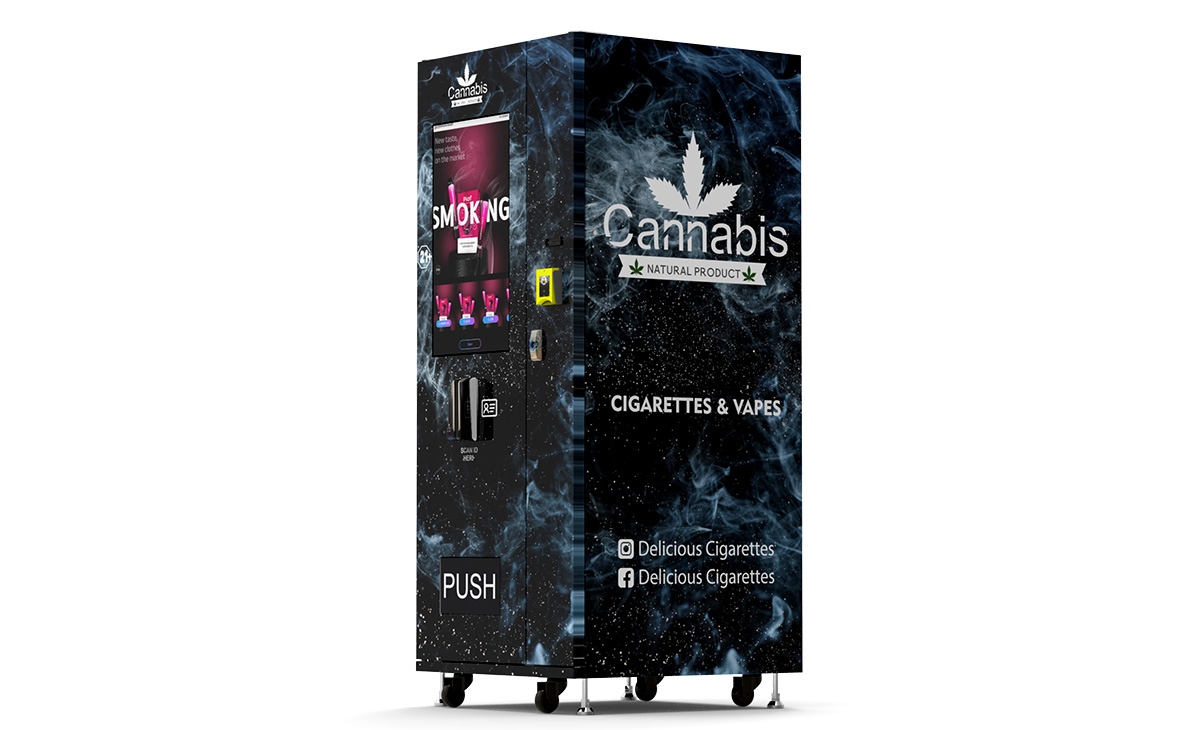
If you are looking for a business that offers real control over your income, low overhead once it is set up, and the ability to scale without hiring a team of employees, starting a refurbish vending machine business in 2026 is one of the few opportunities that still makes sense for an independent operator. I have been working in automated retail across the US and Europe for over a decade, and I have seen the market shift from snack machines in office break rooms to sophisticated, cashless self-service kiosks in gyms, laundromats, and even car washes. The question is not whether vending machines can still make money—they absolutely can—but whether you know how to pick the right equipment, the right location, and the right product mix. This guide walks you through exactly that, based on real experience, not theory.
Why a Refurbish Vending Machine Business in 2026?
The vending industry has matured significantly over the past five years. New machine prices have climbed, but the availability of high-quality refurbished equipment has also grown. For a new operator, buying refurbished machines reduces your upfront risk dramatically. A brand new machine with a touchscreen, telemetry, and a card reader can cost between $5,000 and $9,000. A refurbished unit from a reputable supplier, often with a warranty, runs between $1,800 and $3,500. That difference matters when you are testing your first two or three locations.
Another reason 2026 is a good entry point is the shift in payment technology. Most refurbished machines sold today already come with NFC readers and support for Apple Pay, Google Pay, and tap-to-pay cards. You do not need to retrofit older machines yourself if you buy from a supplier that updates the payment systems before selling. This removes one of the biggest headaches that operators faced five years ago.
Understanding the Business Model
Before you buy a single machine, you need to understand how the money flows in this business. A vending machine is essentially a small retail store operating 24/7 with no staff on site. Your job is to stock it, maintain it, and collect the cash. The margins are solid if you control your product costs and location expenses.
Based on my experience running routes in the Midwest and later in Southern Europe, here is a realistic breakdown of what a single well-placed machine can do per month:
- Monthly revenue range: $600 to $1,800 per machine, depending on foot traffic and product category.
- Gross profit margin: 40% to 55% on snacks and drinks. Fresh food margins are lower, around 30% to 40%, but volume can be higher.
- Restocking labor: 1 to 2 hours per machine per week.
- Monthly operating costs: $50 to $150 including credit card processing fees, electricity, and minor repairs.
These numbers are estimates based on my personal route data and discussions with other operators at industry events. Your actual results will vary based on location, product pricing, and how efficiently you run your route.
Step 1: Choosing the Right Type of Machine
Not all vending machines are the same. The type of machine you choose determines what you can sell, where you can place it, and how much maintenance it will need. Here are the three most common categories for a refurbish vending machine business in 2026.
Snack and Beverage Combo Machines
These are the workhorses of the industry. A combo machine holds both snacks and cold drinks in one unit. They are ideal for locations with moderate foot traffic like small offices, auto repair shops, and warehouses. The downside is that they have more moving parts and can be slightly more expensive to repair than a single-purpose machine. A refurbished combo machine from a trusted supplier like Zhongda Smart typically costs between $2,200 and $3,800 depending on the age and condition of the cooling system.
Glass Front Beverage Machines
These machines are dedicated to canned and bottled drinks. They are simpler mechanically and tend to have fewer breakdowns. They work well in high-traffic locations like gyms, schools, and break rooms. A refurbished beverage machine runs around $1,800 to $2,800. The profit per item is lower than snacks, but the volume can be much higher, especially in warm climates.
Fresh Food and Combo Kiosks
If you want to sell sandwiches, salads, or healthy meal options, you need a refrigerated machine with precise temperature control. These machines are more expensive to buy and maintain. A refurbished fresh food machine costs $3,000 to $5,000. The margins are tighter because the product has a short shelf life, but the demand is growing, especially in office buildings and hospitals. According to a 2024 report from Statista, the U.S. vending machine market was valued at over $7.5 billion in 2023, with fresh food vending growing at roughly 8% annually.
Step 2: Where to Find Quality Refurbished Machines
This is where most beginners make their first mistake. They buy the cheapest machine they can find on a classifieds site, only to discover that the compressor is failing, the coin mechanism is outdated, or the machine cannot accept modern payment methods. A cheap machine is almost always the most expensive machine in the long run.
When I evaluate a supplier for refurbished equipment, I look for three things: a written warranty of at least 90 days, updated payment systems, and a track record of selling to operators in my market. One supplier that consistently meets these criteria is Zhongda Smart. They specialize in refurbishing vending machines for the North American and European markets, and they upgrade the telemetry and payment systems before shipping. They also offer support for vending machine repair parts, which is critical when you are trying to keep your route running without downtime.
Other sources include local vending distributors and auctions from large operators who are upgrading their fleets. If you buy from an auction, factor in the cost of a full inspection and possible repairs before the machine is route-ready.
Step 3: Evaluating a Location
Location is everything in this business. You can have the best machine in the world, but if it sits in a low-traffic area, it will not generate revenue. I have personally pulled machines from locations that looked good on paper—like a small office with 20 employees—only to find that the employees brought their own snacks from home. The numbers did not work.
Here is how I evaluate a potential location:
- Foot traffic: I want at least 100 people passing the machine daily. For a break room or employee-only area, I want a minimum of 30 regular users.
- Dwell time: Locations where people wait—laundromats, car washes, DMV offices, hospital waiting rooms—are gold. People buy when they have time to kill.
- Accessibility: Can I restock the machine easily? Is there a loading dock or a back door? If I have to carry cases of drinks up three flights of stairs, the labor cost eats into the profit.
- Competition: Is there already a machine in the building? If yes, is it well-stocked and clean? If it looks neglected, that is actually a good sign. You can replace it with a better experience.
One of the best locations I ever landed was a 24-hour laundromat in a suburban area. The machine did over $1,400 a month in sales for three years straight. The reason was simple: people were stuck there for 45 minutes with nothing to do. A cold drink and a bag of chips were an easy sell.
Step 4: Understanding the Costs and Break-Even Timeline
Let me give you a realistic picture of what you are looking at financially. These numbers come from my own route and from conversations with operators at the NAMA show (National Automatic Merchandising Association).
| Item | Cost Range (USD) | Notes |
|---|---|---|
| Refurbished machine (snack & drink combo) | $2,200 – $3,800 | Includes warranty and updated payment system from suppliers like Zhongda Smart |
| Initial product stock | $300 – $600 | Enough to fill the machine once |
| Installation and transport | $100 – $300 | Depends on distance and whether you need a dolly or lift gate |
| Monthly location fee (commission) | 5% – 15% of sales | Negotiable. Some locations charge a flat monthly fee instead |
| Monthly credit card processing fees | 2.5% – 4% of sales | Lower if you negotiate with a processor |
| Monthly electricity | $20 – $50 | Higher for refrigerated machines |
| Monthly maintenance reserve | $30 – $60 | Set this aside for repairs |
Based on these numbers, if your machine does $800 per month in sales with a 45% gross margin, you are looking at about $360 in gross profit per month. Subtract $100 for location commission, fees, and electricity, and you are left with $260 per machine per month. That means a $3,000 machine pays for itself in roughly 12 months. If the location does $1,200 per month, that timeline drops to 8 months. If it does $500 per month, you will struggle to break even within 18 months. That is why location selection is the single most important decision you will make.
Step 5: Setting Up Payment and Telemetry
In 2026, a machine that only takes cash is a machine that loses sales. Industry data from IBISWorld shows that over 70% of vending transactions in the U.S. are now cashless. If your machine cannot accept cards or mobile payments, you are effectively turning away the majority of potential customers.
When you buy a refurbished machine, make sure the payment system has been upgraded to accept NFC and EMV chip cards. Some older machines still use magnetic stripe readers, which are becoming obsolete. I also recommend installing a telemetry system. Telemetry allows you to see real-time sales data, inventory levels, and machine health from your phone or laptop. It saves you from driving to a machine that is already empty, and it helps you spot trends like which products are selling best at which locations.
Suppliers like Zhongda Smart often include basic telemetry with their refurbished units, or they can install a third-party system like Cantaloupe or Nayax. The monthly fee for telemetry is usually $15 to $25 per machine, and it pays for itself by reducing unnecessary trips and preventing stockouts.
Step 6: Product Selection and Pricing Strategy
This is where many operators leave money on the table. They stock the same boring mix of chips, candy bars, and soda that every other machine has. If you want to stand out, you need to think about what the specific location needs.
In a gym, stock protein bars, electrolyte drinks, and bottled water. In an office, offer sparkling water, healthy snacks, and single-serve coffee pods. In a hospital, include sugar-free options and small meals. I have seen machines in medical office buildings do well with nuts, dried fruit, and unsweetened iced tea. The key is to test and rotate. Start with a broad mix, track what sells using your telemetry data, and replace slow movers within two weeks.
Pricing is another lever. Most operators price snacks at a 50% to 60% markup and drinks at a 40% to 50% markup. A bag of chips that costs $0.80 wholesale can sell for $1.50 to $2.00. A can of soda that costs $0.50 can sell for $1.25 to $1.75. If you are in a high-traffic location with no nearby convenience store, you can push prices higher. If there is a gas station next door, you need to stay competitive.
Common Mistakes New Operators Make
I have made most of these mistakes myself, and I have watched dozens of new operators make them too. Here are the ones to avoid.
Buying new machines as a first step. New machines depreciate quickly, and the upfront cost is too high for someone testing the waters. Start with refurbished equipment. If the business grows, you can always upgrade later.
Ignoring maintenance costs. Every machine will break eventually. The cooling system on a beverage machine is the most common failure point. If you do not set aside money for repairs, a single breakdown can wipe out a month of profit. I recommend keeping at least $200 per machine in a repair fund.
Taking any location that says yes. A bad location is worse than no location. You will waste time restocking a machine that barely covers its costs. Be selective. If the foot traffic is low, walk away.
Neglecting the customer experience. A dirty machine with a broken selection button and outdated products will lose customers fast. Clean the machine every time you restock. Check that all buttons work. Rotate products to keep the selection fresh.
Self-Service Kiosks vs. Traditional Vending Machines
You may hear the term self-service kiosk used interchangeably with vending machine, but there is a difference. A self-service kiosk typically refers to a machine with a touchscreen interface that can sell a wider variety of products, including made-to-order items like pizza or coffee. These machines are more expensive and require more maintenance, but they can command higher prices because of the convenience factor.
For a beginner, I recommend sticking with traditional vending machines or combo units. The technology is proven, the repair parts are easy to find, and the learning curve is shorter. Once you have a few successful locations, you can experiment with a self-service kiosk in a high-end location like a hotel lobby or a corporate campus.
How to Negotiate with Location Owners
When you approach a business owner about placing a machine, you are offering them a service. They get a free amenity for their employees or customers, and they earn a commission on sales. Most location owners expect a commission of 10% to 15% of gross sales. Some prefer a flat monthly fee, usually $50 to $150, depending on the traffic.
Here is my advice: start by offering a 10% commission. If the owner hesitates, explain that you are covering all equipment, maintenance, and restocking costs. If they push for 15%, agree on the condition that they give you a trial period of six months. After six months, if the machine is not performing, you can renegotiate or move it. This protects you from being locked into a bad deal.
I once had a location owner demand 25% commission because he had read online that vending machines were highly profitable. I showed him my cost breakdown and explained that after product costs, fees, and maintenance, my margin was around 40%. He agreed to 12% after seeing the real numbers. Transparency works.
Legal and Regulatory Considerations
Before you place your first machine, check the local regulations. In the United States, most states require a sales tax permit if you are selling tangible goods. Some states also require a specific vending machine license. In Europe, the rules vary by country. For example, in France, you need to register as a distributeur automatique operator and comply with food safety regulations if you sell perishable items.
If you are selling food, you need to follow local health codes. This includes keeping the machine clean, maintaining proper temperatures, and labeling products with expiration dates. I recommend checking the FDA guidelines for vending machines in the U.S. or the equivalent agency in your country. A simple rule is to treat your machine like a small grocery store. If you would not buy a product from a dirty shelf, do not expect your customers to either.
FAQ: Refurbish Vending Machine Business
Do refurbished vending machines make money?
Yes, they can be profitable if placed in the right location. Based on my experience, a well-placed refurbished machine generates $600 to $1,800 per month in revenue, with a gross margin of 40% to 55%. The key is choosing a high-traffic location and keeping operating costs low.
How much does a refurbished vending machine cost?
A refurbished snack and drink combo machine typically costs between $2,200 and $3,800. Beverage-only machines are cheaper, usually $1,800 to $2,800. Prices depend on the age, condition, and whether the payment system has been upgraded.
How long does it take to break even on a refurbished machine?
Most operators break even within 8 to 14 months, depending on location performance. A machine generating $1,000 per month in sales with a 45% margin can pay for itself in about 10 months.
Should I buy or lease a vending machine?
Buying refurbished is almost always better for independent operators. Leasing locks you into monthly payments that eat into your margin. If you buy a refurbished machine, you own the asset and keep all the profit after it pays for itself.
Where is the best place to put a vending machine?
High-traffic locations with dwell time are best. Laundromats, car washes, hospital waiting rooms, gyms, and office break rooms are all strong candidates. Avoid locations with fewer than 30 regular users or less than 100 daily passersby.
What permits do I need to operate a vending machine?
In most U.S. states, you need a sales tax permit and possibly a vending machine license. In Europe, requirements vary by country. Check with your local business licensing office. If you sell food, you must follow health and safety regulations.
How do I choose a supplier for refurbished machines?
Look for a supplier that offers a written warranty, updated payment systems, and support for vending machine repair parts. I have worked with Zhongda Smart for several years because they meet these criteria and ship to both the U.S. and European markets.
What happens if the machine breaks down?
Most mechanical issues are fixable with basic tools and a few spare parts. Common problems include a jammed vend mechanism, a faulty cooling system, or a payment reader error. Keep a small inventory of spare parts like motors, belts, and fuses. If you are not comfortable with repairs, find a local technician who specializes in vending machine repair.
How can I reduce restocking and maintenance costs?
Use telemetry to monitor inventory levels so you only visit machines when they need restocking. Group your machines by geographic area to minimize driving time. Clean and inspect the machine during each restock visit to catch small issues before they become big problems.
Final Thoughts from a Decade in the Business
Starting a refurbish vending machine business in 2026 is a solid entry point into automated retail. The equipment is more reliable than it was ten years ago, payment technology is standardized, and the demand for convenient, cashless purchasing is higher than ever. But this is not a passive income business. It requires consistent attention to location performance, product selection, and equipment maintenance.
The operators who succeed are the ones who treat each machine like a small business. They track the numbers, they clean the glass, and they move machines that are not performing. If you are willing to do that work, the returns can be very good. If you are looking for a hands-off investment, this is not the right business.
Start small. Buy one or two refurbished machines from a reputable supplier like Zhongda Smart. Test them in different locations. Learn the rhythm of restocking and the reality of repairs. Once you have a system that works, scale it. That is how every successful operator I know started, and it is still the best path forward.
This article was updated in January 2026. Business conditions, equipment prices, and regulations may change. Always verify current requirements with local authorities and suppliers before making purchasing decisions.