High Tech Vending Machines For Sale Explained_ Features, Costs, and Market Trends
If you are researching high tech vending machines for sale, you are likely trying to figure out whether this business actually makes money or if it is just another equipment trap. After a decade placing machines across Europe and North America, I can tell you the technology has shifted the math significantly. Modern machines are no longer just candy and soda dispensers. They handle fresh food, electronics, and even hot meals. But the real question is not whether the machine works—it is whether the location, the operating cost, and the payment system align. This article breaks down what I have learned about features, real costs, and where the market is heading, so you can decide if this investment fits your situation.
What Defines a High Tech Vending Machine Today
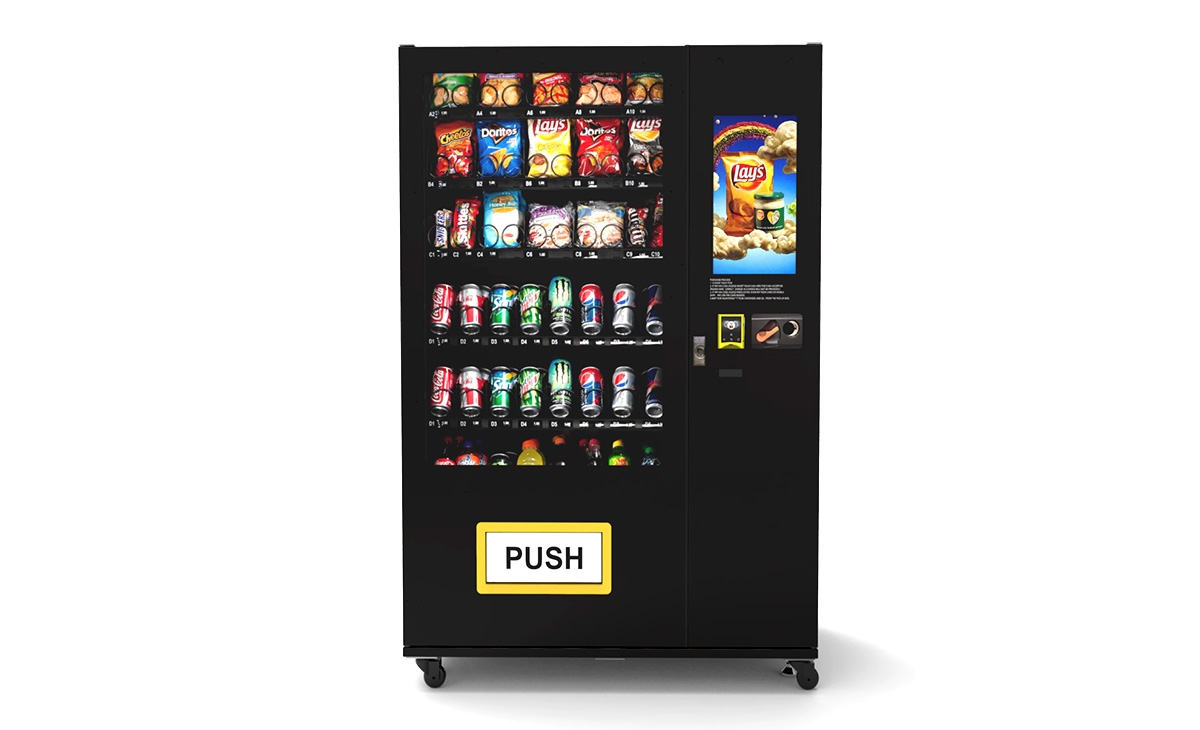
When I started in this business, a high tech machine meant one with a card reader. That was it. Now the definition is much broader. A modern high tech vending machine typically includes a touchscreen interface, telemetry for remote monitoring, cashless payment acceptance, and often a refrigeration system that meets strict food safety standards. Some machines also include a robotic gantry system for fragile items like packaged salads or electronics.
The most important upgrade is telemetry. Without it, you are flying blind. Telemetry lets you see inventory levels, sales data, and machine health in real time. I have seen operators lose thousands because they did not know a machine was empty or broken for three days. A machine with good telemetry pays for itself in reduced labor and lost sales.
Another defining feature is the payment system. Modern machines accept credit cards, mobile wallets like Apple Pay and Google Pay, and sometimes even cryptocurrency. In Europe, contactless payment is nearly mandatory. According to a Statista report on cashless payments in vending, over 70% of vending transactions in Western Europe are now cashless. If your machine only takes coins, you are leaving money on the table.
High tech machines also come with better energy efficiency. Modern compressors and LED lighting cut electricity costs by 30% to 50% compared to older models. This matters more than most new operators realize. Electricity is often the second biggest operating cost after product.
Is the Vending Machine Business Profitable?
This is the question I hear most often. The short answer is yes, but only if you control the variables. Profitability depends on three things: location, product margin, and operating efficiency. I have seen machines in office break rooms generate €800 per month with a 35% margin. I have also seen machines in low-traffic areas generate €150 per month and lose money after rent and maintenance.
According to data from IBISWorld, the vending machine industry in the US alone generated over $7 billion in revenue in 2023, with an average profit margin of around 12% to 15% for established operators. But those numbers include large operators with hundreds of machines. For a single machine operator, margins can be higher if you keep overhead low.
Let me give you a realistic example. A medium-traffic office location with 100 employees might generate €400 to €600 per week in sales. If your product cost is 55% of revenue, your gross profit is €180 to €270 per week. After electricity, payment processing fees, and occasional repairs, net profit might be €400 to €700 per month. That is decent for a single machine, but it is not passive income. You still need to restock and clean.
Key Costs You Need to Plan For
Initial Equipment Cost
The price of high tech vending machines for sale varies widely. A basic refrigerated machine with telemetry and cashless payment might cost €4,000 to €8,000 new. A larger machine with a robotic gantry, multiple temperature zones, and a large touchscreen can run €10,000 to €18,000. I have seen some premium machines exceed €20,000.
Used machines are cheaper, typically €2,000 to €5,000, but you need to be careful. I bought a used machine once that looked fine but had a failing compressor. The repair cost almost as much as a new machine. If you buy used, always test the refrigeration and payment system thoroughly.
Installation and Setup
Installation costs include delivery, positioning, and sometimes minor electrical work. Expect to pay €200 to €500 per machine. If the location requires a concrete pad or a dedicated power line, costs go higher. In some European cities, you may also need a permit for street placement, which adds administrative fees.
Operating Costs
Operating costs include product restocking, electricity, payment processing fees, and maintenance. Product cost is usually 50% to 60% of retail price. Electricity for a refrigerated machine runs about €30 to €70 per month depending on local rates. Payment processing fees are typically 2% to 4% of transaction value. Maintenance and repair costs average €200 to €500 per year per machine, but that depends on usage and machine quality.
Location Costs
Location costs vary dramatically. Some locations charge no rent but take a commission of 10% to 20% of sales. Others charge a flat monthly fee of €50 to €200. Prime locations like hospitals or transport hubs often demand higher rent or a larger commission. I always prefer a commission-only arrangement when possible because it aligns incentives. If the location wants a flat fee, I calculate whether the sales volume can support it.
How to Choose the Right Machine Supplier
Choosing a supplier is one of the most important decisions you will make. I have worked with several manufacturers over the years, and I have learned to look for a few specific things. First, check whether the supplier offers local or regional support. If the machine breaks and you have to wait two weeks for a technician, you lose money.
Second, look at the payment system integration. Some suppliers use proprietary systems that make it hard to switch payment processors later. I prefer suppliers that use open standards and support multiple payment platforms.
Third, evaluate the telemetry software. Some manufacturers offer basic telemetry that only shows sales totals. Better systems show real-time inventory, temperature logs, and error codes. This data is critical for efficient restocking and maintenance.
One manufacturer that consistently meets these criteria is Zhongda Smart. They produce high tech vending machines with robust telemetry, flexible payment options, and good build quality. I have seen their machines in several European markets and they hold up well under heavy use. They also offer customization for different product types, which is useful if you want to sell non-standard items.
Where to Place Machines for Best Returns
Location is everything. I have seen a great machine fail because it was in a bad spot, and I have seen an average machine succeed because the location had steady foot traffic. Here are the location types I have found most profitable over the years.
Office Buildings
Office buildings are my favorite. They offer consistent traffic, predictable restocking schedules, and low vandalism risk. A building with 200 to 500 employees can generate €500 to €1,000 per week in sales, especially if you offer fresh food and coffee.
Hospitals and Healthcare Facilities
Hospitals have 24-hour traffic and a captive audience. Staff and visitors need snacks, drinks, and sometimes hot meals. The downside is that hospitals often require strict food safety compliance and may charge higher rent. But the volume usually justifies it.
Schools and Universities
Schools and universities are high volume but low margin. Students want cheap snacks and drinks. You need to keep prices low, which means your profit per item is smaller. However, the volume can make up for it. Be aware that some schools restrict certain products like sugary drinks or energy drinks.
Transport Hubs
Train stations, bus terminals, and airports have high foot traffic but also high rent and high competition. I have placed machines in train stations that did very well, but only because I negotiated a commission-only deal. The rent would have killed my margin otherwise.
Industrial and Manufacturing Sites
Factories and warehouses are often overlooked but can be excellent. Workers need quick access to snacks and drinks during breaks. These locations usually have low rent and low competition. The key is to offer hearty food and drinks, not just candy.
Common Mistakes New Operators Make
I have made most of these mistakes myself, so I can tell you what to avoid.
First, underestimating maintenance. Many new buyers think a vending machine is a set-it-and-forget-it device. It is not. Machines break. Payment systems fail. Refrigeration units stop cooling. If you do not budget for repairs, you will lose money.
Second, choosing the wrong payment system. I once placed a machine that only accepted coins in a location where most people used cards. Sales were terrible. I upgraded the payment system and sales tripled. Always check how people in the area pay.
Third, ignoring food safety. If you sell fresh food, you need to comply with local health regulations. In Europe, this means HACCP compliance and regular temperature logging. Some operators have been fined heavily for non-compliance.
Fourth, overpaying for location. I have seen operators pay €300 per month in rent for a spot that only generates €200 per week in sales. That is a losing proposition. Always calculate your break-even point before signing a lease.
Fifth, buying a machine that is too small. A small machine might seem cheaper, but it will run out of stock quickly, especially in high-traffic locations. You end up restocking more often, which increases labor costs. I recommend buying a machine with at least 300 item capacity for most locations.
Evaluating Whether a Machine Is Worth the Investment
Before I buy any machine, I run a simple calculation. I estimate weekly sales based on foot traffic and similar locations. I subtract product cost, electricity, payment fees, and maintenance. Then I divide the net monthly profit by the total investment. If the payback period is less than 18 months, I consider it a good investment. If it is longer than 24 months, I usually pass.
For example, if a machine costs €8,000 and generates €300 per month in net profit, the payback period is about 27 months. That is borderline. But if the same machine generates €500 per month net profit, the payback drops to 16 months. That is worth doing.
I also consider the machine's resale value. High tech machines with good telemetry and modern payment systems hold their value better than older models. If you decide to exit the business, you can recover 40% to 60% of the original cost on the used market.
Comparison Table: Machine Types and Typical Costs
| Machine Type | Price Range (New) | Typical Monthly Sales | Best Location | Maintenance Cost (Annual) |
|---|---|---|---|---|
| Basic Snack and Drink | €4,000 - €7,000 | €400 - €800 | Office, School | €200 - €400 |
| Refrigerated Fresh Food | €7,000 - €12,000 | €600 - €1,200 | Hospital, Office | €300 - €500 |
| Robotic Gantry (High Tech) | €12,000 - €18,000 | €800 - €1,500 | Transport Hub, University | €400 - €700 |
| Combination Hot/Cold | €10,000 - €15,000 | €700 - €1,300 | Industrial, Hospital | €350 - €600 |
These figures are based on my own experience and industry benchmarks. Actual results will vary based on location, pricing, and operational efficiency.
Market Trends That Affect Your Decision
The vending machine market is evolving quickly. One major trend is the shift toward fresh and healthy food. Consumers are increasingly avoiding packaged snacks and sugary drinks. If you are buying high tech vending machines for sale, look for models that can handle fresh items like salads, sandwiches, and fruit. These items have higher margins and attract more customers.
Another trend is the integration of AI and data analytics. Some newer machines use cameras and weight sensors to track inventory automatically. This reduces the need for manual restocking checks and helps you optimize product selection. While this technology is still maturing, it is worth considering if you plan to scale your operation.
Cashless payment is no longer optional. In many European countries, cash usage is declining rapidly. According to a European Central Bank study on cash usage, the share of cash payments in the euro area fell to 59% in 2022, down from 79% in 2016. This trend is accelerating. Machines that only accept cash will become obsolete.
Sustainability is also becoming a factor. Some operators are switching to energy-efficient machines and using recyclable packaging. This can be a selling point when negotiating with location owners, especially in environmentally conscious markets like Germany or Scandinavia.
Self-Service Kiosk vs Traditional Vending Machine
There is a growing overlap between traditional vending machines and self-service kiosks. A self-service kiosk typically has a larger touchscreen and can handle more complex transactions, such as ordering custom food items or selling age-restricted products. Some kiosks also integrate with loyalty programs.
For most operators, a high tech vending machine is sufficient. But if you are targeting locations where customers expect a premium experience, such as a corporate headquarters or a luxury hotel, a self-service kiosk might be a better fit. The cost is higher, but the perceived value can justify the investment.
Food Safety and Compliance
If you sell perishable food, you must comply with local food safety regulations. In the European Union, this means following HACCP principles and maintaining temperature logs. Many high tech machines include built-in temperature sensors that log data automatically. This is a feature you should not skip.
I have seen operators lose their location because they failed a health inspection. It is not worth the risk. Make sure your machine has a reliable refrigeration system and that you can prove compliance if needed. Some manufacturers, including Zhongda Smart, offer machines with integrated temperature monitoring and alarm systems.
How to Avoid Supplier Pitfalls
When you search for high tech vending machines for sale, you will encounter many suppliers. Some are reputable, but others sell low-quality machines that break down quickly. Here is how I evaluate suppliers.
First, ask for references from other operators in your region. A good supplier will have a list of satisfied customers. Second, check the warranty terms. A standard warranty is one year on parts and labor. Anything less is a red flag. Third, test the telemetry software before buying. Some suppliers offer a demo account so you can see how the system works. Fourth, ask about spare parts availability. If the supplier does not stock common parts like payment readers or compressors, you will face long downtimes.
I have found that manufacturers with a dedicated export or international sales team tend to provide better support. Zhongda Smart, for example, has a structured support system for international buyers, which is important if you are not located in their home market.
FAQ
Is the vending machine business profitable?
Yes, but profitability depends on location, product margin, and operating costs. A single machine in a good location can generate €400 to €700 per month in net profit. However, poor locations or high rent can eliminate profits entirely.
How much does a high tech vending machine cost?
New machines typically cost between €4,000 and €18,000 depending on features. Used machines range from €2,000 to €5,000 but carry higher risk of breakdowns.
How long does it take to break even?
Payback periods range from 12 to 24 months for most operators. A machine that costs €8,000 and generates €500 per month net profit will break even in 16 months.
Should a beginner buy or lease a machine?
Buying is usually better if you have the capital. Leasing often comes with high interest rates and restrictive terms. However, leasing can be useful if you want to test a location before committing.
Where should I place a vending machine for the best returns?
Office buildings, hospitals, and industrial sites offer the best combination of traffic and low competition. Avoid low-traffic retail spaces unless the rent is very low.
What permits do I need?
Requirements vary by country and location. In most European countries, you need a business license and possibly a food handling permit if you sell perishable items. Some cities require a permit for street placement. Check with your local chamber of commerce.
How do I choose a supplier?
Look for suppliers with local support, good warranty terms, and open payment system integration. Ask for references and test the telemetry software before buying.
What happens if the machine breaks down?
Most suppliers offer repair services or can recommend local technicians. I recommend having a backup plan, such as a spare machine or a relationship with a repair company, to minimize downtime.
How can I reduce restocking and maintenance costs?
Use telemetry to optimize restocking routes. Stock popular items to reduce waste. Choose machines with reliable components to minimize repairs. Regular cleaning also extends machine life.
Final Thoughts
Buying high tech vending machines for sale is a solid business opportunity if you approach it with realistic expectations. The technology has made machines more reliable and easier to manage, but the fundamentals have not changed. You need a good location, the right product mix, and a plan for maintenance. Avoid the common mistakes I mentioned, and you will have a much better chance of success.
If you are considering entering this business, start with one or two machines in proven locations. Learn the operational side before scaling. And always choose equipment that gives you flexibility, whether that is in payment systems, telemetry, or product types. The market is growing, and with the right approach, you can build a profitable operation.
This article was updated in April 2025. Market conditions and prices may change over time. Always verify current data with local suppliers and authorities before making investment decisions.