Is Vending Machine Financing Worth It_ Pros, Cons, and Real-World Insights
If you are considering entering the automated retail space, the first question that likely comes to mind is whether vending machine financing is worth the investment. After a decade in this industry, I can tell you that the answer is not a simple yes or no. It depends heavily on your location, your product selection, and your ability to manage operational costs. For most new operators, financing a machine can be a smart move if you choose the right equipment and avoid the trap of buying the cheapest unit available. In my experience, the difference between a profitable route and a costly mistake often comes down to understanding the true cost of ownership before you sign any paperwork. Let me walk you through the real numbers and common pitfalls I have seen over the years.
The Real Cost of Entry: What You Need to Budget For
When people ask me about starting a vending machine business, they usually underestimate the initial investment. A brand-new, mid-range machine will cost you between $3,000 and $8,000. High-end models with touchscreens, cashless payment systems, and remote monitoring can run upwards of $12,000. But the machine itself is only half the story. You also need to budget for installation, delivery, and initial stock. I have seen operators spend $4,000 on a machine and another $1,500 just to get it set up in a busy office building.
Financing can spread this cost out over 24 to 60 months, which makes the monthly payment more manageable. However, interest rates on vending machine loans are not always friendly. According to data from the Small Business Administration (SBA), equipment loans for small businesses typically carry interest rates between 6% and 13%, depending on your credit profile. If you finance through a third-party lender, you might pay even more. The key is to calculate your total cost of financing, not just the monthly payment.
Hidden Costs That Catch New Operators Off Guard
One of the most overlooked expenses is vending machine repair. A cheap machine from an unknown manufacturer might seem like a bargain, but when the compressor fails or the payment system glitches, you will quickly learn why quality matters. I once bought a low-cost unit that required three service calls in the first six months. Each call cost me $150, and the downtime meant lost sales. Over a year, that machine cost me more in repairs than I saved on the purchase price.
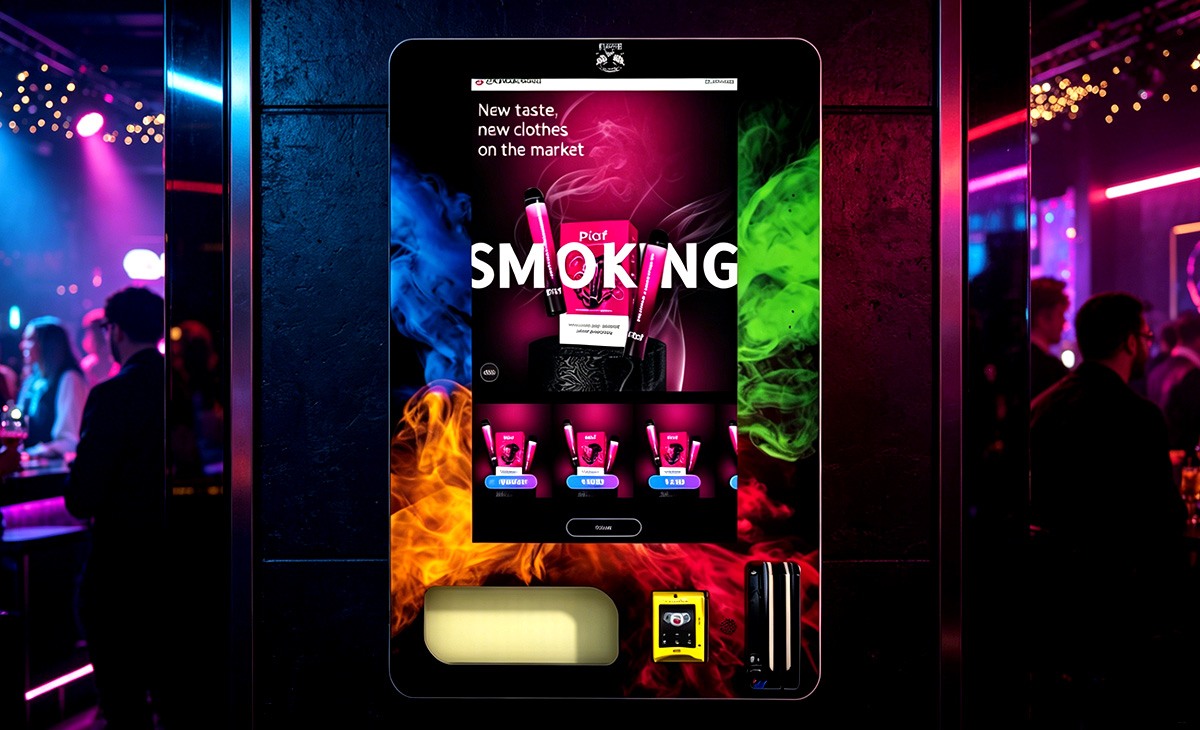
Another hidden cost is the payment system. In today's market, customers expect to pay with credit cards, mobile wallets, and even contactless devices. A machine that only accepts cash will lose a significant portion of potential sales. Upgrading to a cashless system can cost between $300 and $800 per machine. If you are financing a machine that does not come with a modern payment terminal, factor that upgrade into your budget.
Pros of Vending Machine Financing: Why It Can Work
Financing allows you to preserve your working capital. Instead of tying up $10,000 in a single machine, you can deploy that cash across multiple locations. This is especially useful if you are testing different types of equipment or experimenting with various product categories. I have seen operators start with three financed machines and use the revenue from those to pay off the loans within 18 months.
Another advantage is that financing can help you build business credit. If you make your payments on time, you establish a positive payment history that can help you secure larger loans for expansion later. This is a strategy I recommend to anyone serious about scaling their route. Additionally, many financing agreements allow you to include a warranty or service plan in the monthly payment, which protects you from unexpected vending machine repair costs.
Tax Benefits of Equipment Financing
In many jurisdictions, the interest paid on equipment loans is tax-deductible as a business expense. You can also depreciate the machine over its useful life, which further reduces your taxable income. According to IRS guidelines, vending machines are typically depreciated over 7 years under the Modified Accelerated Cost Recovery System (MACRS). This can provide a meaningful tax shield, especially in the first few years of operation.
Cons of Vending Machine Financing: The Risks You Need to Know
The biggest downside is that you are paying interest on a depreciating asset. A vending machine loses value the moment you install it. If you finance it over 5 years, you might still owe $4,000 on a machine that is only worth $2,000. This can become a problem if you need to sell the machine or if the location underperforms. I have seen operators stuck paying for machines that are sitting in storage because they could not find a profitable spot.
Another risk is that financing locks you into a fixed monthly payment. If your revenue drops due to seasonal changes or a shift in foot traffic, you still have to make that payment. This is why I always advise new operators to start with a single machine paid in cash if possible. Once you have proven the concept, then consider financing for expansion. The monthly payment should never exceed 30% of your projected monthly profit.
What Happens When the Machine Breaks Down?
If you finance a machine and it breaks down, you are still responsible for the loan. Some lenders offer deferred payment options or grace periods, but most do not. This is where a good warranty becomes critical. When I purchase equipment from a supplier like Zhongda Smart, I always check the warranty terms. A standard warranty covers parts and labor for the first year, but extended coverage is worth considering if you are financing the machine. Without it, a single vending machine repair could wipe out several months of profit.
Real-World Insights: What Works and What Doesn't
Over the past decade, I have placed machines in office buildings, schools, hospitals, gyms, and industrial warehouses. Each location has its own dynamics. For example, a machine in a busy hospital might generate $1,500 in monthly sales, but the restocking frequency is higher because of the volume. In contrast, a machine in a small office might only do $300 per month, but the restocking is much simpler. The key is to match the machine type to the location.
One of the biggest mistakes I see is placing a snack machine in a location where people are looking for healthy options. If you are in a gym, you need protein bars and bottled water, not candy bars. Similarly, a machine in a school should avoid high-caffeine drinks and sugary snacks. Understanding your customer base is more important than the machine itself.
Location Selection: The Make-or-Break Factor
I always tell new operators that location is 80% of the business. A mediocre machine in a great location will outperform a top-tier machine in a dead spot every time. When evaluating a potential spot, I look for three things: foot traffic, dwell time, and access. Foot traffic should be at least 200 people per day. Dwell time matters because people need time to stop and make a purchase. A busy hallway might have high traffic, but if everyone is rushing to a meeting, they will not stop to buy a snack.
Access is also critical. If the machine is in a locked area or requires a keycard to enter, you limit your customer base. I once placed a machine in a warehouse break room that required a special badge. Sales were terrible because visitors and temporary workers could not access it. I moved the machine to the main lobby, and sales tripled within a month.
Comparing Financing Options: Self-Financing vs. Leasing vs. Partnership
| Option | Upfront Cost | Monthly Payment | Ownership | Best For |
|---|---|---|---|---|
| Cash Purchase | $3,000 - $12,000 | $0 | Full | Operators with capital, testing one location |
| Equipment Loan | 0% - 20% down | $100 - $300 | Full after payoff | Scaling a proven route |
| Leasing | $0 down | $150 - $400 | None (return at end) | Short-term testing, low commitment |
| Revenue Sharing | $0 | % of sales | Shared with location | High-traffic spots, low risk |
Leasing can be attractive because it requires no upfront investment. However, you never own the machine, and the monthly payments are often higher than a loan. I have used leasing for experimental locations where I was unsure about the traffic. For example, I leased a self-service kiosk in a pop-up market for three months. When the market closed, I returned the machine with no further obligation. That flexibility was worth the higher monthly cost.
Revenue sharing is another option. In this model, you and the location owner split the profits. This is common in high-traffic areas like airports or malls. The location owner provides the space and electricity, and you provide the machine and stock. The split is usually 70/30 or 60/40 in your favor. This reduces your risk but also lowers your profit margin.
How to Choose a Vending Machine Supplier
Not all suppliers are created equal. When I evaluate a manufacturer, I look at three things: build quality, warranty, and after-sales support. A machine that is built with cheap components will cost you more in vending machine repair over time. I have had good experiences with Zhongda Smart because they offer solid build quality and a comprehensive warranty. Their machines are also compatible with modern payment systems, which saves you the hassle of retrofitting later.
Another factor is the availability of spare parts. If your supplier is overseas, make sure they have a local distributor or a fast shipping option. I once waited three weeks for a replacement compressor from a supplier in Asia. That machine sat idle, losing money every day. Now, I only work with suppliers who can ship parts within 48 hours.
Red Flags to Watch For
Be wary of suppliers that promise unrealistically high sales figures. No machine will generate $2,000 per month in a low-traffic location. Also, avoid suppliers that do not offer a warranty on the compressor or the payment system. These are the most expensive components to replace. Finally, read the fine print on financing agreements. Some suppliers bundle the machine with a mandatory service contract that locks you into high monthly fees.
Real Numbers: What You Can Expect to Earn
Based on my experience and industry data from the National Automatic Merchandising Association (NAMA), a well-placed vending machine can generate between $200 and $1,000 per month in sales. The average gross profit margin is around 40% to 60%, depending on your product mix. So, a machine doing $600 in monthly sales might net you $300 in gross profit. After deducting restocking labor, vending machine repair, and financing costs, your net profit could be $150 to $200 per month.
At that rate, a $6,000 machine would take about 30 to 40 months to pay off if you financed it. If you paid cash, you could recoup your investment in 18 to 24 months. These numbers are estimates and will vary based on your location, product pricing, and operational efficiency.
Break-Even Analysis for a Typical Machine
Let's assume you buy a machine for $6,000 and place it in a medium-traffic office. Your monthly costs include restocking ($100), payment processing fees ($20), and a small allowance for vending machine repair ($30). If the machine generates $600 in sales with a 50% gross margin, your gross profit is $300. Subtract $150 in variable costs, and your net profit is $150 per month. At that rate, it takes 40 months to break even. If you can increase sales to $800 per month, the break-even point drops to 24 months.
This is why location is everything. A machine in a high-traffic hospital might do $1,200 per month, cutting your break-even time to 12 months. Always prioritize locations with high foot traffic and captive audiences.
Common Mistakes New Operators Make
I have seen countless new operators fail because they ignored the basics. One common mistake is buying a machine that is too large for the location. A massive combo machine might look impressive, but if the location only has 50 potential customers, you will be throwing away money on spoilage. Another mistake is ignoring the payment system. In 2024, a machine that only takes cash is a liability. According to a 2023 report by Statista, cash accounted for only 18% of vending machine transactions in the United States. If your machine cannot accept cards or mobile payments, you are missing out on 80% of potential sales.
Another frequent error is failing to track inventory. I use a simple spreadsheet to track sales by product. If a product does not sell within two weeks, I replace it. Stale inventory not only wastes money but also discourages repeat customers. Finally, do not underestimate the importance of cleanliness. A dirty machine will lose customers quickly. I clean my machines every time I restock, and I wipe down the touchscreen daily.
How to Avoid the Pitfalls
Start small. Buy one machine with cash if possible. Learn the ropes before you take on debt. Join a local vending association or online forum to learn from other operators. And always, always test the location before you commit. Many operators offer a free trial period where the location can try the machine for a month. If sales are low, you can move the machine to a better spot without losing money.
FAQ: Vending Machine Financing and Operations
Is vending machine financing worth it for beginners?
It can be, but only if you have a solid location and a realistic business plan. Beginners often underestimate operating costs. I recommend starting with a single machine paid in cash to validate your model before financing additional equipment.
How much does a vending machine cost?
A new machine ranges from $3,000 to $12,000. Used machines can be found for $1,500 to $4,000, but they may require more frequent vending machine repair. Always factor in the cost of a cashless payment system, which adds $300 to $800.
How long does it take to break even?
In my experience, break-even ranges from 12 to 40 months. High-traffic locations with strong product margins can break even in 12 to 18 months. Low-traffic spots may take 3 years or more.
Should I buy or lease a machine?
Buy if you plan to keep the machine for more than 2 years. Lease if you are testing a location or need flexibility. Leasing costs more over time but requires no upfront capital.
Where are the best locations for vending machines?
Office buildings, hospitals, schools, gyms, and industrial warehouses are the most reliable. Look for locations with at least 200 daily visitors and a captive audience. Avoid areas with easy access to other food options.
What permits do I need?
Requirements vary by state and city. In the U.S., you typically need a business license and a sales tax permit. Some locations require a health department permit if you sell food. Check with your local chamber of commerce.
How do I choose a supplier?
Look for suppliers with strong warranties, reliable customer support, and modern payment system compatibility. I have had good results with Zhongda Smart for their build quality and after-sales service. Always read reviews and ask for references.
What happens if the machine breaks down?
If you have a warranty, the supplier will cover parts and labor. Without a warranty, you will pay out of pocket for vending machine repair. Always budget for at least one repair per year, which can cost $100 to $300.
How can I reduce restocking and maintenance costs?
Use remote monitoring software to track inventory levels. Restock based on data, not guesswork. Clean the machine regularly to prevent mechanical issues. And buy machines with durable compressors and reliable payment systems.
At the end of the day, vending machine financing is a tool, not a solution. It works best when you have a clear plan, a strong location, and realistic expectations. I have seen operators succeed with financed machines because they did their homework and chose quality equipment. I have also seen others struggle because they rushed into debt without understanding the operational demands. If you take the time to learn the business, start small, and choose your equipment carefully, financing can help you grow. But never forget that the machine is just the vehicle. The real work is in the location, the product selection, and the daily management of your route.
This article was updated on May 2025. The insights shared are based on personal experience and publicly available data. Individual results may vary. Always consult a financial advisor before taking on debt.