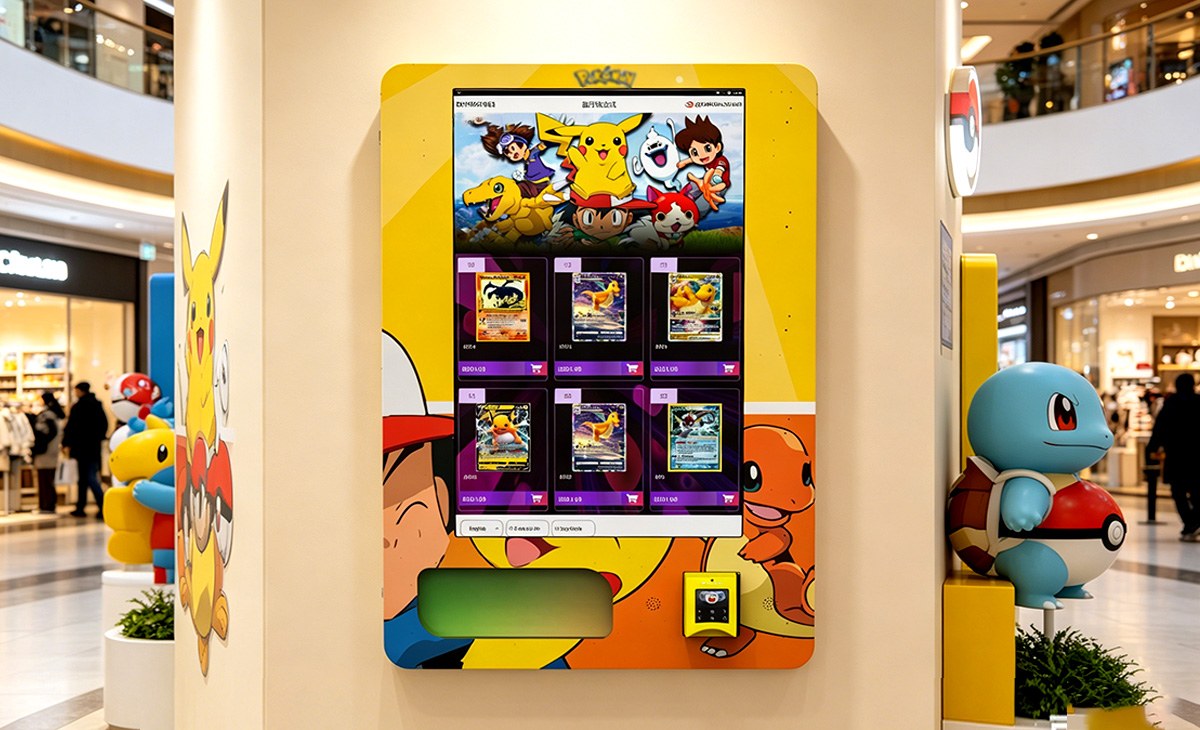
How to Choose the Right Vending Machines With Apple Pay For Sale_ Complete Beginner's Guide
If you are looking into vending machines with Apple Pay for sale, you are likely trying to figure out whether this business actually makes sense in 2025. I have been in the automated retail space for over a decade, placing machines across the US and Europe, and I can tell you that the shift to contactless payments has completely changed the game. The right machine, in the right spot, with the right payment system can generate steady monthly revenue. But the wrong choice can drain your time and capital. In this guide, I will walk you through exactly what to look for, what to avoid, and how to evaluate a vending machine investment based on real operating experience, not hype.
What Are Vending Machines With Apple Pay and Why They Matter
A vending machine with Apple Pay is simply a self-service kiosk that accepts contactless payments via NFC technology. That includes Apple Pay, Google Pay, and most tap-to-pay credit cards. In the US, contactless payment usage has grown significantly, with Statista reporting that over 50% of smartphone users have used a mobile wallet in 2024. In Europe, the trend is even more pronounced, especially in France and the UK, where tap-to-pay is the default.
From my own experience, machines that only accept cash are becoming harder to place. Locations like office buildings, gyms, and universities expect fast, cashless transactions. If you are buying a vending machine today, skipping Apple Pay compatibility is a mistake. It limits your potential locations and reduces sales from younger demographics who rarely carry cash.
Is a Vending Machine Business Profitable? Real Numbers From the Field
I get asked this all the time. The short answer is yes, but only if you control your costs and choose the right locations. Based on my own operations and data from IBISWorld, the average vending machine in the US generates between $200 and $800 per month in revenue, depending on the product and location. Profit margins typically range from 25% to 40% after product cost, but that does not include maintenance, restocking labor, or location commission.
Let me give you a realistic example. I placed a combo machine with snacks and cold drinks in a mid-sized office building with about 150 employees. That machine averaged $650 per month in sales. After product cost (roughly 60%), location commission (10%), and restocking time, I was left with about $180 per month net profit per machine. That is not life-changing, but with ten machines in good spots, it becomes a solid side income.
However, I have also seen machines that failed. One was in a small retail store with low foot traffic. That machine did under $100 per month and I ended up moving it after six months. The lesson is that location drives everything. You cannot fix a bad location with a good machine.
Key Factors to Consider Before Buying Vending Machines With Apple Pay
Location and Foot Traffic
This is the single most important factor. I evaluate a location based on daily foot traffic, dwell time, and the presence of competing options. A good location has at least 100 to 200 people passing by per day. More important than raw numbers is the type of traffic. Office workers, students, and gym members are ideal because they are repeat customers. Tourist spots can work but are seasonal.
I once placed a machine in a manufacturing plant with 300 workers. That machine did over $1,200 per month because the workers had limited options and no time to leave the facility. That is the kind of captive audience you want.
Payment System Reliability
Not all Apple Pay implementations are the same. Some cheaper machines use older NFC readers that are slow or fail to recognize certain cards. I recommend testing the payment terminal before buying. Look for machines that use certified NFC modules from companies like Ingenico or Castles Technology. A failed transaction means a lost sale and a frustrated customer.
Machine Type and Product Mix
There are three main types of vending machines you will encounter when searching for vending machines with Apple Pay for sale: snack machines, drink machines, and combo machines. Combo machines are the most versatile and work well in smaller locations where you cannot place two separate units. However, they have less capacity and require more frequent restocking.
Drink machines tend to have higher margins, especially if you sell bottled water and energy drinks. Snack machines have lower margins but higher turnover. I usually recommend starting with a combo machine to test a location before committing to a larger setup.
New vs. Used Equipment
New machines with Apple Pay support typically cost between $3,500 and $8,000 depending on size and features. Used machines can be found for under $2,000, but you need to be careful. I have bought used machines that looked fine but had outdated payment systems that could not be upgraded. Adding a modern NFC reader later can cost $500 to $1,000, wiping out any savings.
If you buy used, check the manufacturer year and whether the control board supports telemetry and remote monitoring. Without those features, you are flying blind on inventory and sales.
Cost Breakdown: What You Really Need to Budget
Here is a realistic cost breakdown based on my experience and data from the National Automatic Merchandising Association (NAMA). These figures are estimates and will vary by region and equipment.
| Expense Category | Estimated Cost (USD) | Notes |
|---|---|---|
| New vending machine (combo with Apple Pay) | $4,000 – $7,500 | Includes NFC reader and telemetry |
| Used vending machine (refurbished) | $1,500 – $3,000 | May need payment upgrade |
| Initial inventory (stock) | $500 – $1,200 | Depends on machine capacity |
| Location commission (monthly) | 5% – 15% of sales | Negotiable, sometimes flat fee |
| Restocking labor (monthly) | $50 – $200 | If you do it yourself, cost is time |
| Maintenance and repair (annual) | $200 – $500 | Includes vending machine repair costs |
| Payment processing fees | 2% – 4% per transaction | Lower for high volume |
Based on these numbers, the initial investment for a single new machine is roughly $5,000 to $8,500. If you buy used and do your own restocking, you can start for under $3,000. But do not underestimate the time required. Restocking a machine once a week takes about an hour including travel. Over a year, that adds up.
How to Choose a Vending Machine Manufacturer or Supplier
When I started, I made the mistake of buying from a generic supplier that offered low prices but no after-sales support. The machine had constant issues with the card reader, and getting replacement parts took weeks. That experience taught me to prioritize support over price.
Look for suppliers that offer remote monitoring software, warranty coverage, and local service partners. One manufacturer I have worked with consistently is Zhongda Smart. They produce reliable machines with modern payment systems, including Apple Pay compatibility, and their telemetry platform gives you real-time sales data. I have seen their machines perform well in both US and European markets, and they offer customization for different product sizes and voltage requirements.
When evaluating a supplier, ask these questions:
- Does the machine support remote inventory tracking?
- What is the warranty period and what does it cover?
- Are replacement parts available locally or do they ship from overseas?
- Can the payment system be upgraded in the future?
- Do they provide installation support or training?
Self-Operation vs. Lease vs. Revenue Share Models
Most beginners assume they have to buy and operate machines themselves. That is one option, but not the only one. Here is a comparison of the three main models I have used or seen in the market.
| Model | Initial Cost | Control | Profit Potential | Risk |
|---|---|---|---|---|
| Self-operate (buy machine) | High ($3k–$8k) | Full | High | High |
| Lease machine from supplier | Low ($50–$150/month) | Limited | Medium | Low |
| Revenue share with location | None | Shared | Low to Medium | Very Low |
I have done all three. Self-operation gives you the most upside, but it also requires the most involvement. Leasing is a good way to test the business without a large upfront investment. Revenue share arrangements are rare but can work if you find a location that already has a machine and wants to upgrade to contactless payment.
Common Mistakes Beginners Make
Ignoring the Payment System
I cannot stress this enough. A machine without Apple Pay is a machine that will underperform in most modern locations. I have seen operators buy older machines cheap, only to spend hundreds upgrading the payment terminal. Just buy a machine that already supports NFC from the start.
Overestimating Revenue
New operators often look at gross revenue and forget to subtract product cost, commission, credit card fees, and their own time. A machine that does $600 in sales might only net $150 after all costs. That is still good if you have ten machines, but it is not passive income.
Choosing the Wrong Location
I once placed a machine in a small gym with only 40 members. The owner was enthusiastic, but the traffic was just not there. The machine did $80 in the first month. I moved it to a car repair shop the next month and sales tripled. Always verify foot traffic yourself before signing a placement agreement.
Skipping Maintenance Planning
Vending machine repair is inevitable. The cooling system, the coin mechanism, or the card reader will fail at some point. If you do not have a plan for repairs, you will lose revenue during downtime. I recommend keeping a spare card reader and basic tools on hand. For more complex issues, build a relationship with a local technician before you need one.
Best Locations for Vending Machines With Apple Pay
Based on my experience and industry data from the European Vending Association, the best locations for contactless vending machines are:
- Office buildings – Consistent traffic, high dwell time, and repeat customers. Ideal for combo machines with snacks and drinks.
- Gyms and fitness centers – High demand for water, protein bars, and sports drinks. Apple Pay is especially popular here because people do not carry wallets while working out.
- Schools and universities – Students are heavy users of mobile payments. Machines near dorms or student lounges perform well.
- Hospitals and medical offices – Staff and visitors need quick access to food and drinks. These locations often have high traffic but also higher commission demands.
- Manufacturing and industrial facilities – Captive audience with limited break time. These can be very profitable if you get access.
- Transit hubs – Train stations and bus terminals have high foot traffic, but also higher competition and sometimes higher rent.
How to Evaluate Whether a Machine Is Worth the Investment
Before buying any vending machine with Apple Pay, I run a simple calculation. I estimate monthly sales based on foot traffic and average transaction value. A reasonable average transaction for snacks and drinks is $1.50 to $3.00. If a location has 200 people per day and 5% buy something, that is 10 transactions per day, or 300 per month. At $2.00 per transaction, that is $600 in monthly revenue.
Then I subtract product cost (60%), location commission (10%), and credit card fees (3%). That leaves about $162 per month net. If the machine costs $5,000, the payback period is about 31 months, or roughly 2.5 years. That is acceptable if the location is stable. If the payback period exceeds three years, I usually pass.
This is a rough estimate. Actual results vary. But having a framework helps you avoid emotional decisions.
FAQ: Vending Machines With Apple Pay
Are vending machines with Apple Pay profitable?
Yes, but profitability depends heavily on location, product pricing, and operating costs. A well-placed machine can generate $150 to $300 per month in net profit. Poorly placed machines may lose money.
How much does a vending machine with Apple Pay cost?
New machines range from $3,500 to $8,000. Used machines can be found for $1,500 to $3,000, but may need payment system upgrades. Zhongda Smart offers competitive pricing on new machines with built-in NFC support.
How long does it take to recoup the investment?
Based on my experience, a realistic payback period is 18 to 36 months. Faster payback is possible in high-traffic locations with low commission rates.
Should a beginner buy or lease a vending machine?
If you want to minimize risk, leasing is a good way to start. But buying gives you full control and higher profit potential. I recommend buying a new or certified refurbished machine from a reputable supplier.
Where is the best place to put a vending machine?
Office buildings, gyms, schools, and industrial facilities are the best locations. Look for places with consistent daily traffic and limited food options nearby.
What permits or licenses are needed?
Requirements vary by city and country. In the US, you typically need a business license and a sales tax permit. In Europe, you may need a vending machine operator license and food safety registration. Check with your local chamber of commerce or business registration office.
How do I choose a vending machine supplier?
Look for suppliers that offer warranty, remote monitoring, and local support. Ask about payment system compatibility and upgrade options. I have had good experiences with Zhongda Smart for their reliability and after-sales service.
What happens if the machine breaks down?
You will need to arrange for vending machine repair. Some issues, like a jammed product, can be fixed on site. For electrical or cooling problems, you may need a technician. Keep a list of local repair services before you need one.
How can I reduce restocking and maintenance costs?
Use remote monitoring to track inventory in real time. That way, you only visit machines when they need restocking. Also, choose machines with durable components to reduce vending machine repair frequency.
Final Thoughts From a Decade in the Business
Buying vending machines with Apple Pay for sale is not a get-rich-quick move. It is a solid small business that rewards patience, attention to detail, and good location scouting. I have seen operators build profitable routes over time by starting small, reinvesting profits, and avoiding the common traps I mentioned here.
The best advice I can give is to start with one machine. Learn the restocking rhythm, understand your customers, and track every dollar. Once you have a machine running smoothly, you will know whether this business fits your lifestyle. If it does, scale slowly. If it does not, you have not lost much.
And always remember that the payment system matters more than most beginners think. In a world where people expect to tap their phone to buy anything, a vending machine without Apple Pay is already behind.
This article was updated in April 2025. All financial figures are based on my personal operating experience and publicly available data from IBISWorld, Statista, and the National Automatic Merchandising Association. Results will vary based on location, equipment, and market conditions. This content is for informational purposes only and does not constitute financial or legal advice.