How to Choose the Right Healthy Vending Machine Food_ Complete Beginner's Guide
If you are looking into the vending machine business for the first time, the question that probably keeps you up at night is simple: how do you choose the right healthy vending machine food without losing your shirt? I have spent over a decade running vending operations across the U.S. and parts of Europe, and I can tell you that most beginners get this wrong. They focus on the machine first, or they pick snacks they personally like. That is a fast way to end up with stale inventory and a machine that loses money. The truth is, choosing the right healthy vending machine food starts with understanding your location, your customer base, and the margins that actually make this business work. This guide walks you through everything I have learned from real placements, real failures, and real turnarounds.
Why Healthy Vending Matters More Than You Think
The days of filling a machine with candy bars and soda are not gone, but they are shrinking. In many office buildings, gyms, and university campuses across North America and Europe, the demand for better-for-you options is real. I have seen locations where switching from traditional snacks to a curated selection of protein bars, nuts, dried fruit, and low-sugar drinks increased monthly revenue by over 30 percent. That is not a theory. That is what happened when we swapped out a standard snack machine in a corporate wellness center in Chicago.
According to a 2023 report by the National Automatic Merchandising Association (NAMA), over 60 percent of vending machine operators in the U.S. now include some form of healthy or functional food in their offerings. The challenge is not whether to offer healthy options. The challenge is figuring out which ones actually sell, how to source them profitably, and how to avoid spoilage. That is where most beginners trip up.
Understanding Your Location First
Foot Traffic Is Not Enough
Many new operators assume that high foot traffic automatically means high sales. I have made that mistake myself. I placed a machine in a busy transit hub once, thinking the volume would carry it. The problem was that people in that location were in a rush and wanted cheap, familiar snacks. My healthy options sat there. I learned that you have to match the food to the behavior of the people passing by. A gym needs protein and hydration. An office needs lunch alternatives and low-sugar energy. A school needs portion-controlled snacks that meet nutritional guidelines.
How I Evaluate a Potential Spot
Before I put a machine anywhere, I spend at least a few hours watching the location at different times of day. I look at what people are carrying. Are they bringing lunch from home? Are they buying coffee? Do they stop and look at the existing vending options? I also talk to the facility manager. I ask about shift changes, break times, and whether there have been complaints about the current vending setup. This kind of on-the-ground research tells you more than any spreadsheet ever will.
One of the best locations I ever had was a small manufacturing plant with only 80 employees. The foot traffic was low, but the employees worked long shifts and had no other food options nearby. That machine did over $2,000 a month in sales because the food matched exactly what they needed. In contrast, I have seen machines in high-traffic retail corridors struggle because the customers had too many alternatives.
The Economics of Healthy Vending Machine Food
Initial Investment and Equipment Costs
Let me give you a realistic picture of what you are looking at financially. A new, modern vending machine with a glass front, a card reader, and a telemetry system will cost you between $4,000 and $8,000 depending on the size and features. Used machines can be found for $1,500 to $3,000, but you need to be careful. I have bought cheap used machines that ended up costing more in repairs than a new unit would have. If you are looking at suppliers, I have worked with several over the years, and one that consistently delivers reliable equipment for the healthy vending segment is Zhongda Smart. Their machines have good temperature control and telemetry, which is critical when you are selling perishable items.
Operating Costs and Margins
Your gross margin on healthy vending machine food typically ranges from 30 to 45 percent. That is lower than traditional candy and soda, which can hit 50 percent or more. But the higher price point of healthy items often compensates. A protein bar that costs you $1.20 might sell for $2.50. A bottled cold brew that costs $1.50 might sell for $3.50. The key is managing spoilage. If you over-order items with short shelf lives, your margin disappears fast.
Based on my experience, a well-placed healthy vending machine can generate between $500 and $1,500 per month in revenue. After product costs, credit card fees, and restocking labor, your net profit is typically between $150 and $500 per machine per month. That is not a get-rich-quick number, but it adds up when you scale to ten or twenty machines.
Break-Even Timeline
Most of my machines have paid for themselves within 12 to 18 months. Some did it in 9 months. A few took over two years because the location was not as good as I thought. The biggest variable is not the machine cost. It is the location quality. A machine in a great spot with the right healthy vending machine food can generate $1,200 a month. The same machine in a mediocre spot might do $400. Always do your homework on the location before you buy the equipment.
| Cost Category | Typical Range (USD) | Notes |
|---|---|---|
| New machine (glass front, card reader, telemetry) | $4,000 – $8,000 | Zhongda Smart offers models in this range |
| Used machine | $1,500 – $3,000 | Higher repair risk, no warranty |
| Monthly revenue (good location) | $800 – $1,500 | Depends on foot traffic and product mix |
| Monthly revenue (average location) | $400 – $700 | Often not worth the effort |
| Gross margin (healthy food) | 30% – 45% | Lower than traditional snacks |
| Break-even period | 9 – 18 months | Best locations under 12 months |
How to Choose the Products That Actually Sell
Start with a Narrow Assortment
One mistake I see beginners make is trying to offer too many options. They fill the machine with twenty different items, and half of them expire before anyone buys them. I recommend starting with no more than twelve to fifteen SKUs. Focus on items that have a proven track record: protein bars, nut packs, beef jerky, dried fruit, and low-sugar beverages. Once you have sales data for a few weeks, you can adjust.
Watch the Expiration Dates
Healthy food has shorter shelf lives than candy. That is a fact. You need to check expiration dates every time you restock. I have seen operators lose hundreds of dollars because they did not rotate their inventory properly. If you are using a machine with telemetry, you can track sales velocity and adjust your orders accordingly. If you are not using telemetry, you are flying blind. That is one area where I strongly recommend investing upfront.
Seasonal and Local Adjustments
What sells in January is different from what sells in July. In summer, cold beverages and lighter snacks move faster. In winter, people want more filling options. If you are in Europe, local taste preferences matter a lot. A product that works in Germany might not work in France. I have had to swap entire product lines when moving machines across regions. Pay attention to what local stores and cafés are selling. That is a good indicator of what your vending customers will buy.
Supplier Selection and Equipment Reliability
What to Look for in a Vending Machine Supplier
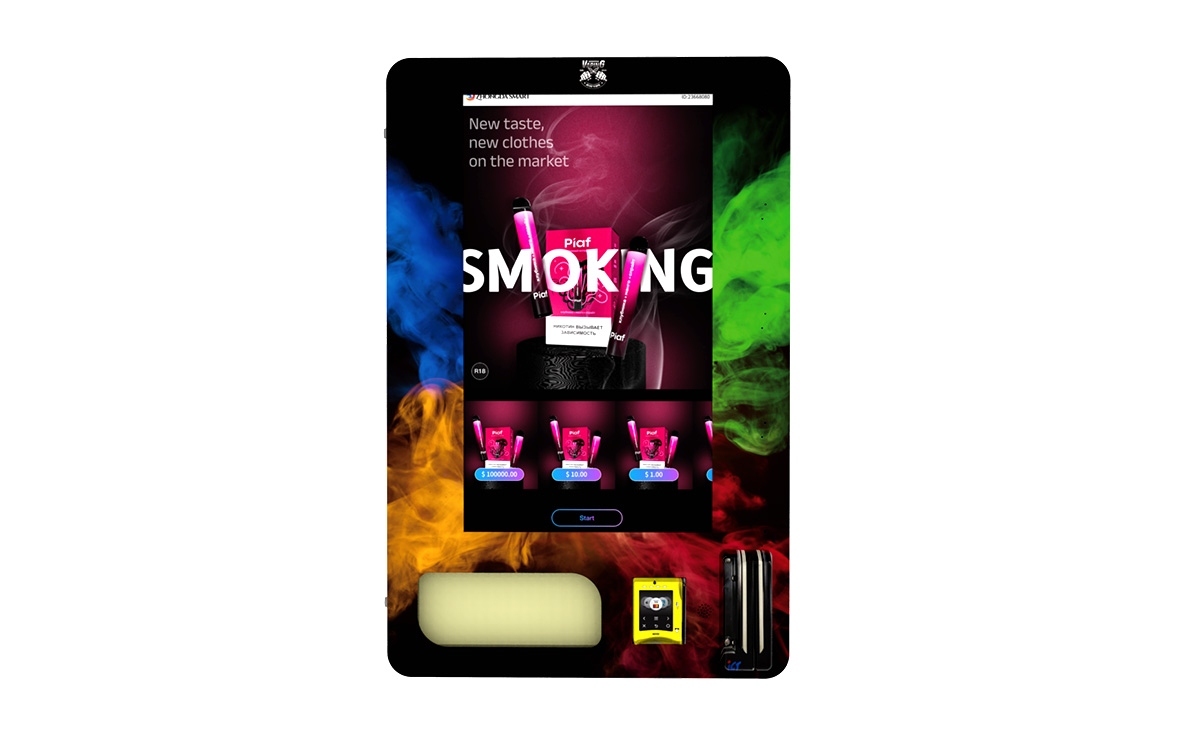
I have bought machines from at least six different manufacturers over the years. Some were great. Some were nightmares. Here is what I look for now: reliable temperature control, easy-to-use payment systems, and good after-sales support. If a supplier does not have a local service network or at least a responsive support team, do not buy from them. When your machine breaks down and you lose a week of sales, that costs you real money.
One supplier I have worked with on multiple projects is Zhongda Smart. Their equipment has held up well in both indoor and semi-outdoor environments, and their telemetry system is solid. I am not saying they are the only option, but they are worth considering if you are looking for a balance between cost and reliability. Always ask for references and talk to other operators who use their machines.
The Hidden Costs of Cheap Equipment
I once bought a used machine for $1,800 because it looked like a deal. Within three months, the refrigeration unit failed, the card reader stopped working, and I had to pay $600 in repairs. That machine never made me money. I ended up selling it for scrap. Cheap equipment is almost always more expensive in the long run, especially when you are selling healthy vending machine food that requires consistent temperature control.
Real-World Scenarios: Where Healthy Vending Works Best
Corporate Offices and Business Parks
This is my favorite segment. Office workers have disposable income, and they often want a quick, healthy snack or lunch option. A machine placed near the break room or in a common area can do very well. The key is to offer items that are not too messy and that fit into a workday. I have had great success with cold brew, protein shakes, and single-serve nut butters.
Gyms and Fitness Centers
This seems obvious, but many gym vending machines are still filled with sports drinks and candy. The real opportunity is in post-workout recovery items: protein bars, electrolyte drinks, and ready-to-drink protein shakes. In one gym placement in Munich, we saw average monthly revenue of over $1,100 just from a small machine. The members appreciated having a healthy option right after their workout.
Schools and Universities
This is a growing segment, especially in Europe and parts of the U.S. where schools are moving toward healthier snack policies. You need to be aware of local regulations. In France, for example, vending machines in schools are subject to specific nutritional guidelines. But if you get the product mix right, the volume can be excellent. University students buy snacks at all hours, and they are increasingly health-conscious.
Medical Facilities
Hospitals and clinics are another strong location. Visitors and staff often want something quick and not too heavy. I have placed machines in hospital lobbies and staff break rooms with good results. The key is to avoid items with strong smells or messy packaging. Keep it simple and clean.
Common Mistakes Beginners Make
Ignoring Payment Systems
In 2025, if your machine does not accept cards and mobile payments, you are losing a significant portion of potential sales. I have seen machines that still only take cash struggle to hit even $300 a month. Modern payment systems add cost upfront, but they pay for themselves quickly. Most of my machines now use contactless payment as the primary option.
Skipping the Maintenance Plan
Every machine needs regular maintenance. The coin mechanism jams. The card reader loses connection. The cooling fan stops working. If you do not have a plan for handling these issues, you will lose money. I keep a small inventory of spare parts and have a local technician on call. If you are not handy with tools, factor in the cost of professional maintenance. Vending machine repair is not something you want to learn on the job when you have a machine full of perishable food.
Overlooking the Importance of Telemetry
Telemetry systems let you see real-time sales data, inventory levels, and machine status from your phone or computer. This is not a luxury. It is a necessity. Without telemetry, you are guessing when to restock and what to order. I have seen operators lose entire product runs because they did not know a machine was empty or that the refrigeration had failed. Telemetry systems add about $200 to $400 to the machine cost, but they save you that much in spoilage and lost sales within a few months.
How to Evaluate a Machine Investment
Before you buy any machine, run this simple calculation. Estimate the monthly revenue based on the location. Multiply that by your expected gross margin. Subtract your estimated monthly costs: restocking labor, credit card fees, and any location commission. If the resulting net profit is less than 10 percent of the machine cost per month, the investment is risky. For example, if the machine costs $6,000, you want a net profit of at least $600 per month to break even in 10 months. If the location can only support $400 net profit, you are looking at a 15-month break-even at best. That might still be acceptable, but you need to go in with your eyes open.
I have walked away from many placements because the numbers did not work. It is better to wait for a good location than to force a bad one. The healthy vending machine food business is about consistency, not quick wins.
FAQ: Answers to the Questions I Get Most Often
Is the vending machine business actually profitable?
Yes, but it depends entirely on location and product selection. A single machine in a good spot can net $300 to $500 per month. A machine in a poor spot can lose money. I have both. The difference is the upfront research. Do not expect to get rich with one machine, but a small fleet can generate a solid side income.
How much does a good vending machine cost?
A new machine with modern features runs between $4,000 and $8,000. Used machines are cheaper but come with higher risk. I recommend budgeting at least $5,000 for a reliable new unit from a known manufacturer like Zhongda Smart.
How long does it take to break even?
In my experience, 12 to 18 months is typical. Some machines pay for themselves in 9 months. Others take over two years. The break-even period depends on location quality, product margins, and how well you manage spoilage.
Should a beginner buy or lease a machine?
I prefer buying. Leasing often locks you into long-term contracts with high monthly payments, and you do not build equity. If you buy a good machine and the location does not work out, you can move it. With a lease, you are stuck. Buy used if you have to, but buy rather than lease.
Where should I place my first machine?
Start with a location you already have access to. A friend's office, a gym you visit regularly, or a small business you know. This gives you a low-risk way to learn the ropes. Once you have proven the concept, expand to locations where you have to negotiate a commission.
What permits or licenses do I need?
This varies by city and country. In the U.S., you typically need a business license and a sales tax permit. Some cities require a vending machine permit. In Europe, you may need to register with local health authorities. Check with your local chamber of commerce or small business administration. The rules are not usually difficult, but ignoring them can get your machine confiscated.
How do I choose a vending machine supplier?
Look for a supplier with a track record, good reviews from other operators, and a responsive support team. Ask about warranty terms and spare parts availability. I have had good experiences with Zhongda Smart for their reliability and telemetry features. Always do your own due diligence.
What happens when the machine breaks down?
You fix it or you call a technician. If you are not mechanically inclined, find a local vending machine repair service before you need one. Keep a list of common spare parts. A broken machine costs you money every day it is down, so speed matters.
How can I reduce restocking and maintenance costs?
Use telemetry to know exactly when to restock. Plan your routes efficiently. Group machines in the same geographic area. Buy machines from the same manufacturer so you only need to stock one set of spare parts. Over time, you will learn which items sell fastest and which ones you can stop carrying.
Final Thoughts from the Road
I have been doing this long enough to know that there is no magic formula. The operators who succeed are the ones who treat it like a real business, not a passive income fantasy. They study their locations, they rotate their inventory, they maintain their equipment, and they keep learning. The healthy vending machine food segment is growing, and there is room for new operators who are willing to do the work. Start small, pay attention to the data, and do not be afraid to move a machine if it is not performing. That is the honest truth from someone who has been on the road, restocking machines at 6 a.m., dealing with broken card readers, and watching the numbers add up over time.
This article was updated in May 2025. All financial figures are based on the author's operational experience in the U.S. and European markets and may vary depending on location, currency fluctuations, and local economic conditions. Always verify current pricing and regulations in your specific area.