The Complete Guide to Sport Card Vending Machine Opportunities and Risks
I have spent over a decade placing, repairing, and pulling vending machines out of bad locations across the US and Europe. If you are looking into the sport card vending machine opportunity, you are likely drawn by the idea of selling high-margin collectibles without a storefront. The reality is more nuanced. I have seen operators lose thousands on poorly placed machines and others build a solid side income. This guide covers the real costs, site selection pitfalls, equipment choices, and maintenance realities I have learned the hard way, so you can decide if this automated retail model fits your goals.
What a Sport Card Vending Machine Actually Does
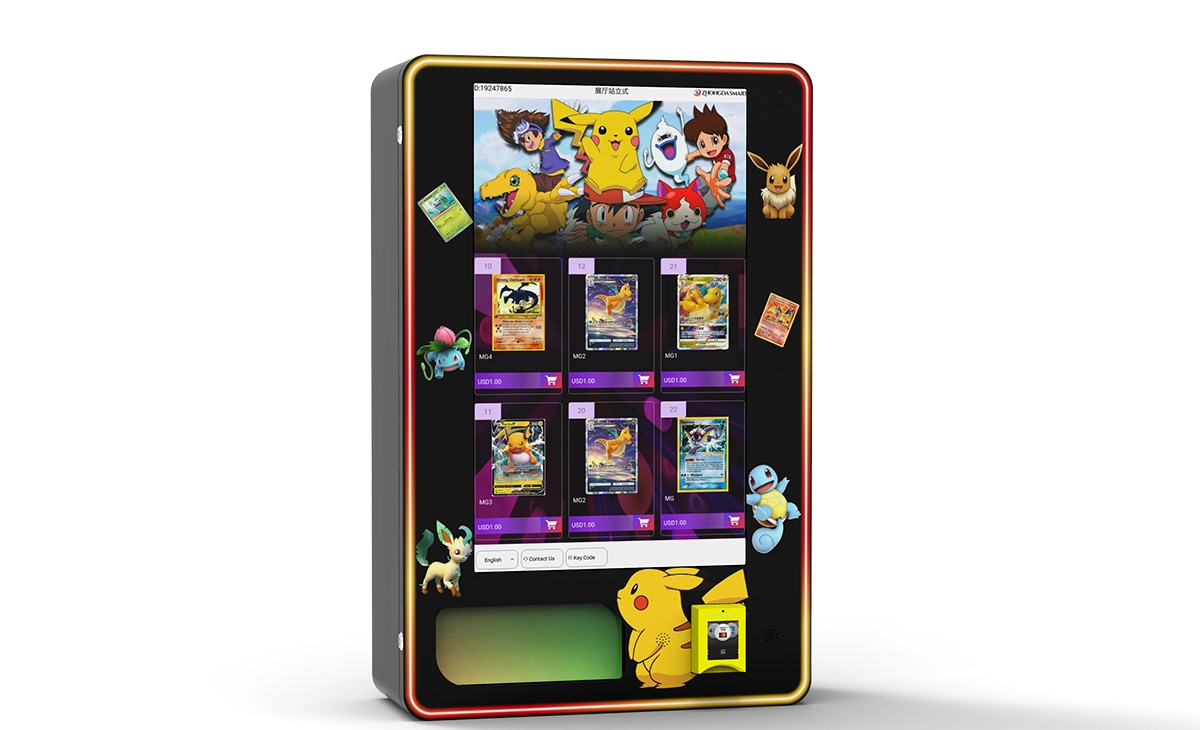
A sport card vending machine is a self-service kiosk that dispenses sealed packs, boxes, or single cards of trading cards like baseball, basketball, football, or hockey. Unlike a traditional snack machine, these units often require specialized compartments to prevent damage to cardboard packaging. Some machines also include a display window so customers can see a sample card or pack before purchasing.
The core appeal is simple: collectibles are small, lightweight, and have a high perceived value relative to their size. A single pack of premium cards can sell for $20 to $100, and the gross margin can exceed 40% if you source inventory correctly. However, that margin shrinks fast if you overpay for wholesale stock or underestimate transaction fees.
Why I Believe This Model Works in the Right Hands
I have operated standard snack and drink machines for years, and the sport card niche stands out for one reason: customer enthusiasm. Collectors often drive out of their way to find a machine stocked with new releases. That built-in demand reduces the need for high foot traffic compared to a soda machine. In a busy mall, a drink machine might do $300 a week. A well-stocked card machine in a hobby shop or sports complex can do $1,500 a week during a hot release cycle.
But enthusiasm cuts both ways. I have seen machines vandalized when a hot product sells out and customers get frustrated. I have also seen operators fail because they bought the wrong machine type for the product dimensions. A standard spiral snack machine cannot handle the thickness of a hobby box. You need a machine with adjustable shelving or a dedicated card vending solution.
Key Equipment Considerations You Cannot Ignore
Machine Types and Configurations
Not all vending machines work for trading cards. Here is what I have learned from testing different setups:
- Spiral snack machines: Only suitable for standard-sized packs. Hobby boxes and thicker products get stuck or damaged.
- Glass-front merchandisers: Better for visibility but often lack secure locking mechanisms for high-value items.
- Dedicated card vending machines: Designed with adjustable shelves, secure doors, and tamper-resistant payment systems. These are the safest bet for long-term operation.
- Combination machines: Some operators use a machine with one side for cards and one side for snacks or drinks. This can work if the location has mixed demand, but it halves your card capacity.
When I switched to a dedicated unit from a reliable supplier like Zhongda Smart, my product damage rate dropped significantly. Their machines have adjustable dividers and a steel frame that resists tampering. Do not skimp on the build quality. Cheap machines lead to frequent vending machine repair calls that eat your profit.
Payment Systems and Security
Modern machines need cashless payment. I recommend a system that accepts credit cards, Apple Pay, and Google Pay. Many collectors do not carry cash. I have seen locations where adding a card reader increased sales by 35% within a month. Look for a system with low transaction fees, ideally under 3% per swipe.
Security is another layer. High-value cards can be a target for theft. Install a machine with a steel door, reinforced hinges, and an alarm system if possible. I also advise using a tamper-evident seal on the coin mechanism. A single break-in can wipe out a month of profit.
Location: The Single Most Important Decision
I have placed machines in over 50 locations across three countries. Location determines 80% of your success. Here is my tiered system for evaluating spots:
| Location Type | Weekly Revenue Estimate (USD) | Risk Level | Notes |
|---|---|---|---|
| Sports card shop | $800–$2,000 | Low | Captive audience, but may charge high rent or commission. |
| Gym or sports complex | $400–$1,000 | Medium | Good for packs, less demand for high-end boxes. |
| Comic or hobby store | $500–$1,500 | Medium | Synergy with existing customer base. |
| Mall kiosk area | $300–$800 | High | High rent, variable foot traffic, security concerns. |
| Laundromat or convenience store | $100–$400 | High | Low impulse buy potential for premium cards. |
I once placed a machine in a busy laundromat thinking the foot traffic would drive sales. It did not. People there wanted snacks and drinks, not $30 packs of baseball cards. The machine sat understocked for three months before I moved it to a local hobby shop, where it now does over $1,200 a week. Do not assume high traffic equals high card sales. You need the right audience.
Cost Breakdown: What You Really Need to Invest
Let me give you a realistic picture based on my own purchases and those of operators I have advised. Prices vary by region and supplier, but these are typical ranges:
- New dedicated card vending machine: $3,500–$8,000 depending on size and features. A unit from Zhongda Smart with cashless payment and adjustable shelving runs around $5,500 delivered in the US.
- Used machine: $1,500–$3,000. You save money but risk higher vending machine repair costs. I have spent $800 fixing a used machine in the first year.
- Initial inventory: $2,000–$5,000 for a good mix of packs, boxes, and singles.
- Payment system setup: $200–$600 for a card reader and installation.
- Monthly location fee or commission: 10–20% of gross sales, or a flat $100–$300 rent.
- Insurance: $200–$500 per year for liability and equipment coverage.
Total startup cost for one machine: roughly $6,000 to $14,000. That is higher than a basic snack machine, but the per-unit profit margin is also higher.
Operating Costs and Maintenance Realities
Running a sport card vending machine is not passive income. You have to restock frequently, especially during new release weeks. I restock my machines every 7 to 10 days. A machine that sits empty for a week loses customer trust and sales momentum.
Maintenance costs average $300 to $600 per year per machine, based on my experience. Common issues include jammed coin mechanisms, faulty card readers, and broken shelving. I keep a spare parts kit with common fuses, belts, and a spare card reader. If you cannot fix basic issues yourself, budget for a technician visit at $75 to $150 per hour.
Electricity costs are low, around $20 to $40 per month per machine. The biggest variable is inventory cost. If you buy wholesale from distributors, you can keep margins around 40%. If you buy retail or from eBay, your margin drops to 20% or less. I recommend building relationships with at least three distributors to get competitive pricing.
Revenue Potential and Payback Period
Based on my own machines and data from industry peers, a well-placed sport card vending machine in a good location generates $500 to $1,500 per week in gross sales. After cost of goods (roughly 60%), location commission (15%), payment fees (3%), and maintenance, net profit is around $150 to $500 per week per machine.
Payback period varies. A machine that costs $8,000 all-in and nets $300 per week pays for itself in about 27 weeks. If your net is lower, say $150 per week, payback stretches to 53 weeks. I have seen operators wait 18 months to break even on a machine in a mediocre location. Do not assume quick returns. This is a business, not a lottery ticket.
According to a 2023 IBISWorld report on vending machine operations in the US, the average vending machine generates around $300 per week in total sales across all categories. Sport card machines can outperform that average, but they also carry higher inventory risk and require more specialized knowledge.
How to Choose a Supplier: What I Look For
I have bought machines from five different manufacturers over the years. Here is what separates a good supplier from a bad one:
- Build quality: Look for steel construction, not thin sheet metal. Ask about the gauge of the steel.
- Warranty: At least one year on parts and labor. Some suppliers offer two years on the compressor and payment system.
- Customer support: Test their response time. Send an email before you buy. If they take more than 24 hours to reply, imagine waiting for a repair part.
- Customization options: Can they adjust shelving height, add a cashless system, or install a specific lock type?
- Shipping and installation: Do they offer white-glove delivery? I once had a machine arrive with a dented door because the supplier used a cheap freight company.
I have worked with Zhongda Smart on two machines and found their support responsive. Their machines are built with 1.5mm steel and come with a two-year warranty on the main components. That is better than most suppliers I have dealt with. If you are sourcing from overseas, factor in shipping time and potential customs delays.
Common Mistakes I See New Operators Make
Buying the Cheapest Machine
A $2,000 machine from a no-name supplier will cost you more in repairs and lost sales than a $5,000 machine from a reputable brand. I have seen operators spend $1,200 fixing a cheap machine in the first year alone. Invest in quality upfront.
Ignoring Location Demographics
Not every busy area is a good fit. A machine in a grocery store might sell snacks well, but card collectors are a specific demographic. You need locations where people already buy collectibles, or where impulse purchases of premium items are common. Sports complexes, hobby shops, and comic conventions are prime spots.
Overstocking High-End Products
I once loaded a machine with $80 hobby boxes and watched them sit for two months. Customers wanted $20 packs. Start with a mix of low, mid, and high price points. Adjust based on sales data. Use the machine’s telemetry to see what sells and what sits.
Neglecting Software and Telemetry
Many modern machines come with remote monitoring software. Use it. I can check my machines’ sales, inventory levels, and even machine temperature from my phone. Without telemetry, you are guessing when to restock. That leads to missed sales or wasted trips.
Scenarios Where Sport Card Vending Machines Excel
From my experience, these are the situations where a card machine makes the most sense:
- Inside a hobby shop: The owner benefits from offering cards after hours, and you benefit from existing foot traffic.
- At a sports complex: Parents and kids buy packs before or after games. Keep prices lower here, $5 to $20 per pack.
- At a convention or event: Short-term placement during card shows can yield high sales in a single weekend.
- In a gym locker room: Surprisingly effective for premium packs aimed at adult collectors.
- Near a college campus: Students with disposable income often buy packs for fun or flipping.
A 2022 report from Statista noted that the global trading card market was valued at over $12 billion, with growth driven by sports cards. That tailwind helps, but it does not guarantee your machine will succeed. Execution matters more than market trends.
How to Evaluate a Machine Before Buying
Before you sign a purchase order, ask these questions:
- Can the machine handle the dimensions of the products I want to sell? Measure a hobby box and compare it to the shelf height.
- What payment systems are compatible? Does it support NFC and chip cards?
- What is the warranty period, and what does it cover? Read the fine print on labor costs.
- Can I get replacement parts quickly? Ask the supplier about their parts inventory and shipping times.
- What is the machine’s power consumption? Some units draw 500 watts, others 200. That adds up over a year.
I also recommend asking for a demo video showing the machine dispensing different product sizes. If the supplier cannot provide one, that is a red flag.
Risk Factors You Need to Plan For
No business is risk-free. Here are the main risks I have encountered with sport card vending machines:
- Theft and vandalism: Machines in low-security areas get broken into. I lost $1,200 in inventory from one break-in. Insurance covered part of it, but not the downtime.
- Market volatility: Card values can drop. A product that sells for $100 one month might be worth $40 the next. You can get stuck with dead inventory.
- Location turnover: If a business closes or changes ownership, you lose your spot. I have had to move machines three times in one year.
- Technical failures: Card readers fail, shelves jam, and payment systems glitch. Without a backup plan, you lose sales.
- Regulatory issues: Some cities require a vending machine permit or specific business license. Check local laws before placing a machine.
According to data from the National Automatic Merchandising Association (NAMA), the average vending machine operator in the US spends about 12% of gross revenue on maintenance and repairs. That aligns with my experience. Budget for it.
FAQ: Common Questions from New Operators
Is a sport card vending machine profitable?
Yes, if placed in the right location with the right inventory. I have seen net profits of $150 to $500 per week per machine. But many machines fail because of poor location or bad product selection. Profit is not guaranteed.
How much does a sport card vending machine cost?
A new dedicated machine ranges from $3,500 to $8,000. Used machines can be $1,500 to $3,000, but expect higher repair costs. Total startup with inventory and installation is typically $6,000 to $14,000.
How long does it take to recoup the investment?
Payback periods range from 6 to 18 months depending on location, sales volume, and costs. A high-performing machine in a hobby shop can pay off in 6 months. A slow machine in a general retail space may take over a year.
Should a beginner buy or lease a machine?
I recommend buying if you have the capital. Leasing often comes with high monthly fees and restrictions. If you want to test the market, consider a used machine from a reputable supplier. That lowers your initial risk.
Where are the best locations for a card vending machine?
Hobby shops, sports complexes, gyms, and comic stores perform best. Avoid locations where the primary audience is not interested in collectibles. Always negotiate a written agreement with the location owner.
What permits or licenses do I need?
Requirements vary by city and country. In the US, you typically need a business license and a seller’s permit. Some cities require a vending machine permit. Check with your local business office before placing a machine.
How do I choose a vending machine supplier?
Look for steel construction, a solid warranty, responsive customer support, and compatibility with modern payment systems. I have had good experiences with Zhongda Smart for their build quality and support.
What happens if the machine breaks down?
If you are handy, you can fix common issues yourself. Otherwise, budget for a technician. Keep spare parts like fuses, a card reader, and a coin mechanism. A broken machine loses money every day it is down.
How can I reduce restocking and maintenance costs?
Use telemetry to monitor inventory remotely. Plan restocking routes to minimize travel time. Buy in bulk from distributors to lower per-unit costs. Perform monthly cleaning and inspections to catch small issues before they become big repairs.
Final Thoughts from the Field
Sport card vending machines are not a get-rich-quick scheme. They require upfront capital, ongoing attention, and a willingness to learn from mistakes. But for operators who do their homework, they offer a solid niche within automated retail. The key is to focus on location, buy quality equipment, and manage inventory carefully. I have seen too many people jump in without a plan and lose money. Do not be one of them.
If you decide to move forward, start with one machine. Learn the rhythm of restocking, understand your customers, and track every dollar. Once you have a proven model, you can scale. That is how real vending businesses are built, one machine at a time.
Disclaimer: The figures in this article are based on my personal experience and publicly available data. Actual results vary by location, market conditions, and operator effort. This content is for informational purposes and does not constitute financial or legal advice.
Data sources: IBISWorld Vending Machine Operations Report (2023), Statista Trading Card Market Report (2022), National Automatic Merchandising Association (NAMA) maintenance cost survey (2023).
This article was updated in March 2025.