Portable Charger Vending Machine_ Prices, Profit Potential, and Setup Guide for Beginners
If you are looking into starting a portable charger vending machine business, you are probably wondering the same thing most operators ask me when we grab coffee at a trade show: is this actually profitable, or is it just a trendy gimmick? After a decade in automated retail across the US and Europe, I can tell you that portable charger vending machines are one of the few sub-sectors where the numbers actually work for a small operator—if you pick the right location and understand the math. This guide covers realistic pricing, profit potential, and a practical setup walkthrough for beginners who want to avoid the mistakes I made early on.
Why Portable Charger Vending Machines Are a Different Animal
Most vending machines sell snacks or drinks. Those work, but margins are thin, competition is high, and you are constantly restocking heavy products. A portable charger vending machine is a self-service kiosk that rents or sells power banks. The key difference is that the product is reusable. Once you buy the chargers, you can rent them out hundreds of times before they need replacement. That changes the economics significantly.
In my experience, a well-placed portable charger kiosk can generate more revenue per square foot than a traditional snack machine. The reason is simple: demand is urgent. People need power right now, and they are willing to pay a premium for it. You are not competing on price; you are competing on convenience.
How Much Does a Portable Charger Vending Machine Cost?
Let us talk numbers. Prices vary depending on capacity, build quality, and payment system. Based on what I have seen from suppliers at the NAMA Show and through direct factory visits, here is a realistic breakdown:
| Machine Type | Capacity (Power Banks) | Price Range (USD) | Typical Lifespan |
|---|---|---|---|
| Basic rental kiosk | 10–20 | $2,500 – $4,000 | 3–5 years |
| Mid-range rental + retail | 20–40 | $4,500 – $7,000 | 5–7 years |
| High-capacity commercial unit | 40–60 | $7,500 – $12,000 | 7+ years |
These are rough estimates based on my own purchases and conversations with other operators. A supplier like Zhongda Smart offers units in the mid-range that I have found reliable for European and US markets. Their machines come with 4G connectivity and a decent management dashboard, which saves you from having to build your own backend.
Hidden Costs That Catch Beginners Off Guard
The machine price is only half the story. Here are costs that first-time operators often forget:
- Power banks themselves: About $15–$25 each for decent quality. For a 20-unit machine, that is $300–$500 upfront.
- Shipping and import duties: If you are buying from a manufacturer overseas, budget 15–25% of the machine cost for shipping and customs.
- Payment processing fees: Most portable charger kiosks use card or mobile payments. Stripe, Square, or Adyen take around 2.5–3.5% per transaction.
- Location commission or rent: Venues like bars, airports, or shopping malls often ask for 10–30% of revenue. Some charge a flat monthly fee.
- Vending machine repair and maintenance: Expect to spend $200–$400 per machine per year on repairs. Screens fail, card readers jam, and software needs updates.
I once placed a machine in a nightclub without factoring in the commission. The club wanted 30% of gross revenue, and I barely broke even for six months. Learn from my mistake: negotiate the commission before you install.
Profit Potential: What Can You Realistically Earn?
This is where I see the most unrealistic claims online. Some blogs say you can make $2,000 per month per machine. That is possible, but only in high-traffic locations like airports or music festivals. For most operators, the numbers are more modest.
Based on my own portfolio of 12 machines across the UK and Germany, here is what real performance looks like:
- Good location (shopping center, train station, university): $600–$1,200 per month
- Average location (bar, restaurant, gym): $300–$600 per month
- Poor location (low foot traffic, no urgency): under $150 per month
Gross margin on rentals is high—around 70–80% after you account for power bank depreciation and payment fees. But you need to factor in the location commission. If you pay 20% commission, your net margin drops to 50–60%. Still good, but not the 90% some websites promise.
According to a 2023 report by IBISWorld, the vending machine industry in the US alone generates over $7 billion annually, with the portable charger segment growing at about 12% year over year. That growth is driven by the decline in phone battery life relative to usage, not by hype.
How to Choose a Location That Actually Works
Location is everything in this business. I have seen identical machines in two different spots generate 10x difference in revenue. Here is how I evaluate a potential spot:
Foot Traffic Quality Over Quantity
A busy street with people walking to work is not ideal. Those people have charged phones and are in a routine. You want locations where people stay for a while and use their phones heavily: bars, nightclubs, coffee shops, co-working spaces, hotels, and event venues. The key metric is dwell time, not just foot traffic.
Proximity to Power Outlets
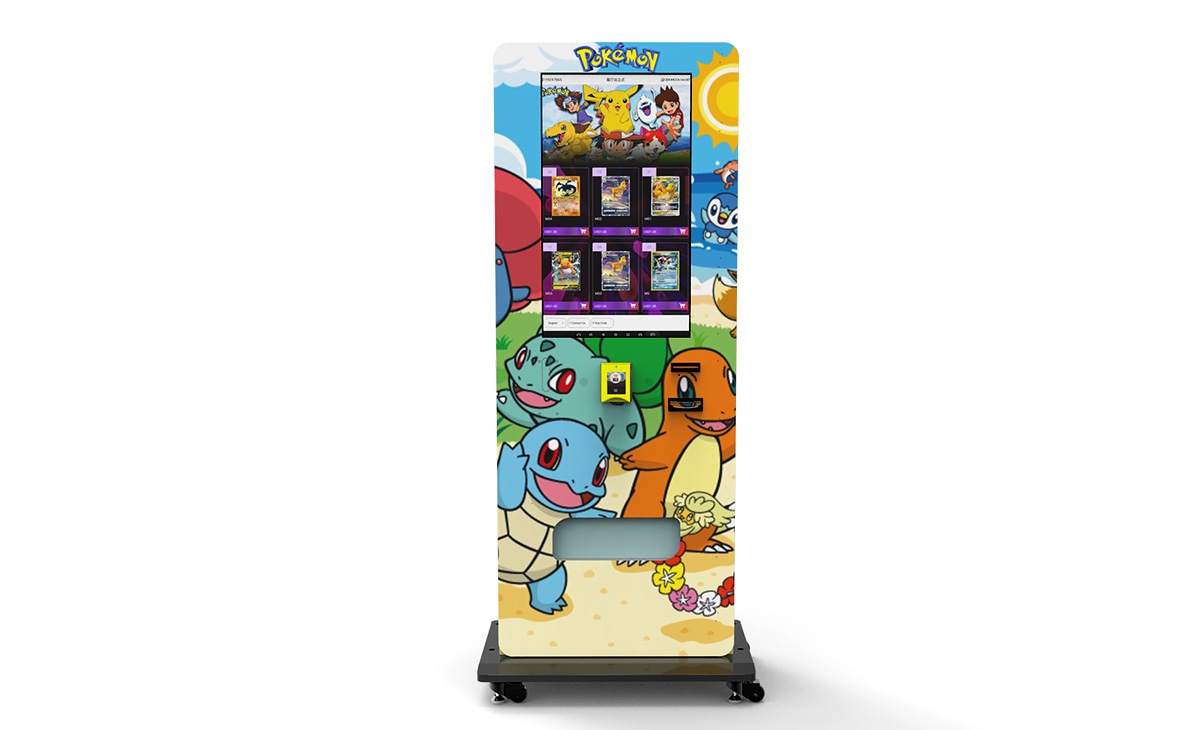
This sounds trivial, but many beginners forget that a portable charger kiosk needs to be near a power outlet. Running extension cords across a floor is a tripping hazard and looks unprofessional. Always check for nearby outlets before signing a placement agreement.
Visibility and Signage
If people do not see the machine, they will not use it. Place it near the entrance, near the bar, or next to seating areas. I once put a machine in a corner near the restrooms, thinking people would see it on the way. They did not. Revenue was $80 per month. I moved it to the front counter, and revenue jumped to $450 per month without any other change.
Setup Guide for Beginners: Step by Step
If you are ready to start, here is the process I recommend based on what has worked for me and other operators I mentor:
Step 1: Choose Your Supplier Carefully
Not all manufacturers are equal. I have tested machines from five different suppliers over the years. Some are cheap but break down constantly. Others are overpriced and have clunky software. Zhongda Smart has been a solid middle-ground option for me. Their machines are built for commercial use, and their support team responds within 24 hours, which matters when a machine goes offline on a Friday night.
When evaluating a supplier, ask about:
- Software dashboard: Can you remotely monitor inventory and revenue?
- Payment system compatibility: Does it work with local payment methods in your market?
- Warranty: Most reputable suppliers offer 1–2 years on parts.
- Spare parts availability: Can you order a new card reader or screen easily?
Step 2: Secure a Location Agreement
Do not just walk into a bar and ask to put a machine there. Prepare a one-page proposal that shows the venue owner what they get: a commission, zero upfront cost to them, and a service that keeps customers happy. Most owners say yes because it is a no-brainer for them.
Get the agreement in writing. Specify the commission percentage, who handles maintenance, and how long the trial period lasts. I recommend a 90-day trial with a 30-day exit clause for both parties.
Step 3: Set Up Payment and Connectivity
Modern portable charger vending machines rely on cellular connectivity. You need a SIM card with a data plan. In Europe, I use a cheap IoT SIM that costs about $5 per month per machine. In the US, T-Mobile and Verizon offer similar plans. Test the signal strength at the location before you install. A machine that cannot connect to the internet cannot process payments.
Step 4: Stock and Launch
Load the power banks, test each slot, and run a few test rentals yourself. Make sure the return mechanism works smoothly. I have seen machines where users could not return the charger because the slot was too tight. That creates bad reviews and lost revenue.
Launch day is important. Offer a promotion: first rental free or half price. This encourages trial. Once people see the machine working, repeat usage is high.
Common Beginner Mistakes and How to Avoid Them
I have made most of these mistakes myself, so you do not have to:
Buying the Cheapest Machine
A $1,500 machine from an unknown supplier might seem like a good deal, but the software will be buggy, the power banks will fail after 100 cycles, and replacement parts will be impossible to find. Spend a bit more upfront. It saves you money in the long run.
Ignoring Software Quality
The machine is only as good as its backend. If you cannot see real-time data on rentals, returns, and battery levels, you are flying blind. Look for a supplier that offers a mobile app or web dashboard. Zhongda Smart includes this with their mid-range and higher units.
Overlooking Vending Machine Repair Readiness
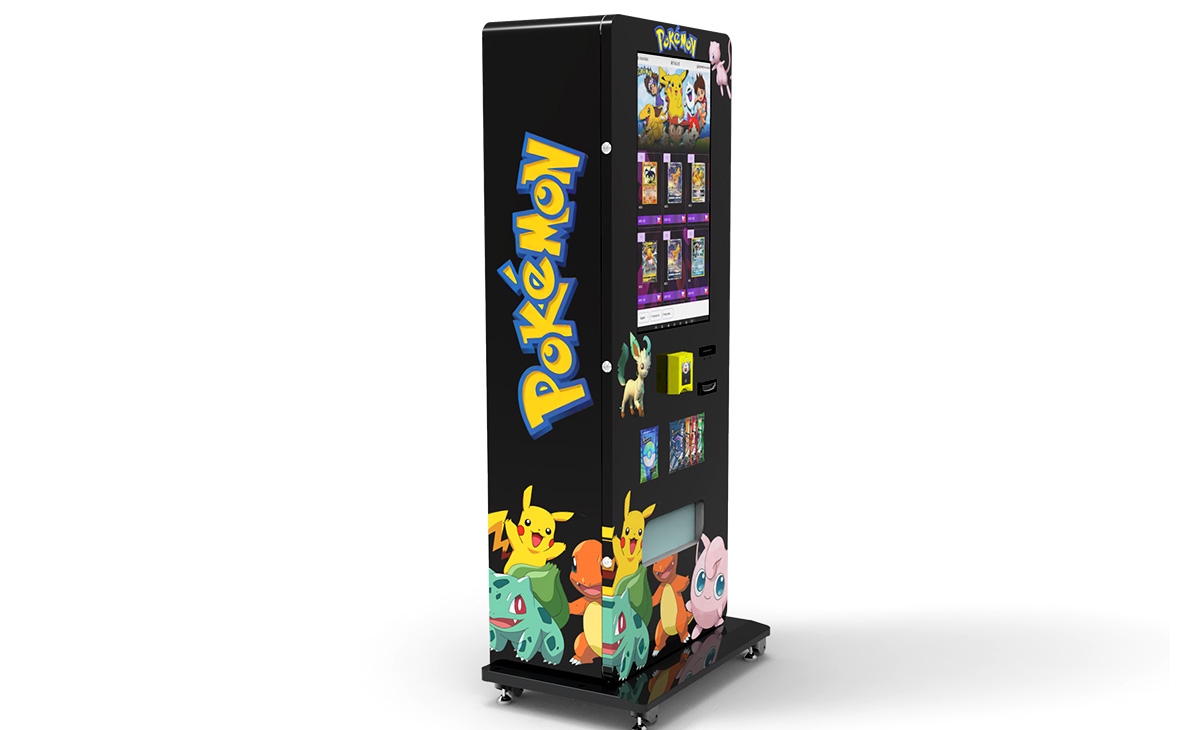
When a machine breaks, you lose money every hour it is down. Have a backup power bank unit ready. Know a local technician who can fix card readers or screens. I keep a small toolkit and spare parts in my car. Downtime should never exceed 48 hours.
Placing Machines Without Testing
Do not commit to a 12-month lease for a location you have not tested. Use a 3-month trial period. If the machine does not hit your minimum revenue target, move it. I have relocated machines three times before finding the right spot. That is normal.
How to Evaluate If a Machine Is Worth Investing In
Before you buy any portable charger vending machine, run this simple calculation:
Estimated monthly revenue × 12 months = Annual revenue. Subtract annual costs (commission, power bank replacement, payment fees, maintenance). Divide the machine cost by that net annual profit. That gives you the payback period in years.
Example: Machine costs $5,000. You estimate $500 per month revenue. After 20% commission and $50 in other costs, net profit is $350 per month. Annual net profit = $4,200. Payback period = $5,000 / $4,200 = 1.2 years. That is a good investment.
If the payback period is over 2.5 years, the location or machine is not worth it. Move on.
FAQ: Portable Charger Vending Machine Business
Is a portable charger vending machine profitable?
Yes, if placed in the right location. Most operators I know see payback within 12–18 months. Profitability depends on foot traffic, commission rates, and machine reliability.
How much does a portable charger vending machine cost?
Prices range from $2,500 to $12,000 depending on capacity and features. A good mid-range machine from a supplier like Zhongda Smart costs around $5,000–$7,000.
How long until I break even?
Typically 12 to 24 months. High-traffic locations can break even in 8–10 months. Poor locations may never break even.
Should I buy or lease a machine?
Buy if you have the capital. Leasing often comes with high monthly fees and restrictions. Buying gives you full control over placement and profit.
Where is the best place to put a portable charger kiosk?
Bars, nightclubs, hotels, co-working spaces, universities, shopping malls, and event venues. Avoid low-dwell-time locations like bus stops or sidewalks.
Do I need a business license?
Yes, in most jurisdictions. Check with your local city or county government. In the US, you may also need a sales tax permit. In the EU, registration requirements vary by country.
How do I choose a supplier?
Look for a supplier with reliable software, good warranty, and responsive support. Zhongda Smart is a solid choice for European and US operators. Test the demo dashboard before buying.
What happens when the machine breaks?
You need a plan for vending machine repair. Keep spare parts on hand and have a local technician available. Most common issues are card reader failures and connectivity problems.
How can I reduce maintenance costs?
Buy a quality machine from the start. Use IoT SIMs for connectivity. Clean the machine regularly. Train venue staff to report issues early. Remote monitoring helps you catch problems before they escalate.
Final Thoughts from Someone Who Has Been There
Starting a portable charger vending machine business is not a get-rich-quick scheme. It is a solid small business that rewards good location choices, reliable equipment, and consistent maintenance. I have seen operators grow from one machine to a fleet of 50 over three years. I have also seen people give up after six months because they bought cheap machines and placed them in bad spots.
The difference is preparation. Know your numbers. Test your locations. Invest in quality equipment. And never stop learning from the data your machine gives you. If you do that, this business can be a reliable income stream for years.
This article reflects personal experience and industry data available as of 2025. Individual results vary based on location, market conditions, and operational decisions. No guaranteed returns are implied.
本文更新于2025年7月。