How to Choose the Right Bulk Vending Machine Candy_ Complete Beginner's Guide
If you are looking into bulk vending machine candy as a way to start or expand an automated retail business, you probably have one question on your mind: which candy actually sells, and how do you avoid wasting money on products that just sit in the machine? I have been operating vending machines across the United States and parts of Europe for over a decade, and I can tell you that the candy you choose matters more than the machine itself. A great location with the wrong candy mix will lose money every month. This guide walks you through exactly how to choose the right bulk vending machine candy, based on real operational data, common mistakes I have seen, and the kind of practical knowledge that only comes from years of refilling, repairing, and relocating machines.
The Reality of Bulk Vending Machine Candy: What Works and What Does Not
When I started in this business, I made the classic mistake of assuming that any cheap candy would sell. I loaded a machine with off-brand gumballs in a high-traffic laundromat. After three weeks, I had collected less than forty dollars. The problem was not the machine or the location. It was the product. Customers in that neighborhood expected familiar brands, bright packaging, and a taste they could trust. I swapped the gumballs for a mix of M&M's and Skittles, and my monthly revenue jumped to over two hundred dollars from that single machine.
Bulk vending machine candy is not a commodity. It is a product category that requires careful matching to your specific location, your demographic, and your machine's dispensing mechanism. Some candies jam easily. Some melt in warm weather. Some have a short shelf life. You need to think like a retailer, not just a machine owner.
Understanding the Bulk Vending Machine Candy Market
The global vending machine market was valued at approximately USD 34.2 billion in 2023, according to a report by IBISWorld. Candy and confectionery items account for a significant share of bulk vending sales, especially in the United States and Western Europe. But the market is not uniform. What sells in a suburban shopping center in Ohio may not move in a train station in Paris.
I have seen operators fail because they bought generic candy in bulk without testing it first. You cannot assume that because a candy is popular in a grocery store, it will sell in a vending machine. The vending environment is different. Customers have limited time, limited choices, and a specific expectation of value. A small bag of gummy bears that costs one euro at a supermarket might feel overpriced at fifty cents from a machine if the portion looks small.
Key Factors That Affect Candy Sales in Vending Machines
- Brand recognition: Familiar brands like Reese's, Skittles, M&M's, and Haribo consistently outperform generic alternatives in my experience.
- Portion size vs. price: Customers compare what they get to what they could buy elsewhere. If your portion looks small, they will not buy again.
- Temperature stability: Chocolate-based candies melt above 75°F (24°C). If your machine is outdoors or in a non-air-conditioned space, you need heat-resistant options.
- Machine compatibility: Some candies are too large or too sticky for certain dispensers. Always test a sample batch before ordering in bulk.
- Seasonality: Sour candies sell better in summer. Chocolate sells better in cooler months. Plan your inventory rotation accordingly.
How to Evaluate a Location Before Choosing Your Candy
I cannot emphasize this enough: do not buy candy before you understand the location. I once placed a machine in a small gym that was popular with young adults. I filled it with chocolate bars. Sales were mediocre. I switched to protein bars and sugar-free mints, and revenue doubled within a month. The demographic was health-conscious, and I had not done my homework.
When I evaluate a potential location, I look at three things: foot traffic volume, dwell time, and the typical customer profile. A bus station has high foot traffic but low dwell time. People want quick, familiar snacks. A hair salon has lower traffic but higher dwell time. Customers have time to browse and may pay more for premium items. A school cafeteria has predictable traffic but often has restrictions on sugar content or portion sizes.
For each location type, I select a candy mix that matches the audience. For schools, I use smaller portions and avoid hard candies that pose choking risks. For offices, I include sugar-free options and mints. For retail stores, I focus on branded, recognizable products.
Location Types and Recommended Candy Mixes
| Location Type | Recommended Candy Mix | Average Monthly Revenue (per machine, my experience) | Key Considerations |
|---|---|---|---|
| Schools (elementary) | Fruit chews, gummies, small wrapped candies | $80–$150 | Check local regulations on sugar content |
| Schools (high school) | Skittles, Sour Patch Kids, M&M's | $150–$250 | Higher volume, but more competition from other snacks |
| Office buildings | Mints, sugar-free gum, dark chocolate | $100–$200 | Adults prefer smaller, less messy options |
| Laundromats | Gumballs, peanut M&M's, gummy bears | $120–$220 | Kids are a major audience; bright colors sell |
| Gyms | Protein bars, sugar-free mints, trail mix | $80–$180 | Avoid chocolate; heat and health concerns |
| Train stations | Chocolate bars, mints, small bags of nuts | $200–$400 | High traffic but need quick, easy-to-grab items |
These numbers are based on my personal operations over the past decade. Your results will vary depending on rent, foot traffic, and local competition. I always recommend starting with a small test batch of candy and tracking sales for at least four weeks before committing to a larger inventory order.
The Cost of Bulk Vending Machine Candy: What You Need to Budget
One of the biggest surprises for new operators is how much candy costs upfront. You cannot buy a few bags and expect to last a month. You need inventory on hand for multiple machines, and you need to account for spoilage, theft, and slow-moving products.
In my experience, the cost of bulk vending machine candy ranges from $0.10 to $0.50 per serving, depending on the brand, packaging, and quantity you buy. Branded candies like M&M's or Skittles typically cost more per unit but sell faster. Generic candies are cheaper but may sit in the machine for weeks.
I usually budget about $200 to $400 per machine for initial inventory, depending on the machine's capacity and the type of candy. A typical bulk vending machine holds between 200 and 500 servings. If you fill it with premium candy, your upfront cost is higher, but your profit per serving is also higher.
Profit Margins on Bulk Vending Machine Candy
The profit margin on candy vending is generally between 40% and 70%, depending on your cost per serving and your selling price. If you buy a bag of 500 gumballs for $20 and sell each gumball for $0.25, your gross profit is $105 per bag, minus the cost of the bag and the machine's electricity (if any). That is a margin of over 80% on the product itself.
But you also need to account for machine maintenance, location rent, and your own time. If you pay 20% commission to the location owner, your net margin drops. If your machine breaks down and you need vending machine repair, that eats into your profit. I have seen operators with 70% gross margins end up with only 30% net profit after all costs.
How to Choose a Supplier for Bulk Vending Machine Candy
Your supplier determines your product quality, your cost, and your reliability. I have worked with dozens of suppliers over the years, and I have learned that the cheapest option is rarely the best. Low-cost candy often has a shorter shelf life, inconsistent quality, or packaging that jams the machine.
When I evaluate a candy supplier, I look for the following:
- Consistency: Do they deliver the same product every time? I once had a supplier switch to a different formulation without telling me, and the candy melted in my machine.
- Packaging: Is the candy in bulk bags that fit your storage space? Some suppliers sell in 5-pound bags, others in 25-pound boxes. Choose what works for your operation.
- Shipping reliability: If you run out of candy, your machine sits empty. That is lost revenue. I need a supplier who ships within 48 hours.
- Returns policy: If a batch is defective, can you return it? Not all suppliers offer this.
For new operators, I recommend starting with a supplier that offers a variety of branded candies in small quantities. As you grow, you can negotiate better pricing on larger orders. Some operators also work with manufacturers like Zhongda Smart, who provide not only machines but also sourcing advice for candy and other products. While Zhongda Smart is primarily known for vending machine hardware, their team often shares practical tips on product selection based on their experience with operators across different markets.
Common Mistakes Beginners Make with Bulk Vending Machine Candy
I have made most of these mistakes myself, and I have watched dozens of other operators make them too. Here are the ones I see most often:
Buying Too Much Candy at Once
It is tempting to buy a pallet of candy to get a discount. But if the candy does not sell, you are stuck with inventory that expires. Start small. Test a location with one or two types of candy. Expand only after you confirm demand.
Ignoring Temperature and Humidity
Chocolate melts. Gummy candies stick together in humid weather. Hard candies can crack in cold temperatures. I once lost an entire machine's worth of candy because I placed it near a window that got direct afternoon sun. The candy melted, the machine jammed, and I had to pay for both vending machine repair and a full restock.
Choosing Candy Based on Personal Preference
Just because you like a certain candy does not mean your customers will. I love dark chocolate, but it sells poorly in most of my locations. You need to sell what the local market wants, not what you want to eat.
Not Rotating Inventory
Old candy stays in the machine while new candy sits on top. Customers get stale products, and your sales drop. Always rotate your inventory so that older candy is sold first. This is basic retail management, but it is easy to forget when you are refilling ten machines in one day.
Underestimating Theft and Vandalism
Some locations are more prone to theft than others. I have had machines broken into for a few dollars worth of candy. If you place a machine in a low-security area, consider using a machine with a tamper-proof design or partnering with a location that has security cameras.
How to Test and Optimize Your Candy Mix
Once you have a machine in place, you need to track sales data. I use a simple spreadsheet where I record the date, the candy type, the quantity sold, and any issues like jams or low stock. After four weeks, I can see which candies are selling and which are not.
If a candy sells less than 20% of its capacity in a month, I replace it with something else. I do not wait for it to sell out. I swap it immediately. Slow-moving candy is dead inventory that takes up space and reduces your machine's earning potential.
I also pay attention to customer feedback. If someone complains that a candy is too hard, too sweet, or too small, I take note. Sometimes a simple change in portion size or packaging can boost sales significantly.
Using Sales Data to Decide Whether to Move a Machine
If you have tried multiple candy mixes and the machine still underperforms, the problem may be the location. I have moved machines that were in high-traffic areas but still failed. The issue was not the number of people passing by, but the type of people. A machine in a bus station might get thousands of people per day, but if most of them are commuters who do not carry cash or coins, the machine will not perform well.
I use a simple rule: if a machine does not generate at least $100 per month after three months of optimization, I relocate it. The cost of moving a machine is usually less than the cost of letting it sit idle.
Vending Machine Repair and Maintenance: What You Need to Know
Even the best machines break down. I have had coin mechanisms fail, dispensing wheels jam, and payment systems stop working. When you are running multiple machines, downtime is expensive. Every day a machine is out of order, you lose revenue and potentially lose the location.
I recommend learning basic vending machine repair yourself. Simple fixes like clearing a jam, replacing a coin slot spring, or resetting a payment terminal can be done in minutes. For more complex issues, you need a reliable technician. In the U.S., I have used local repair services that charge between $75 and $150 per hour. In Europe, costs vary by country, but you can expect similar rates.
If you buy machines from a manufacturer like Zhongda Smart, ask about their warranty and repair network. Some manufacturers offer remote diagnostics or have authorized repair centers in your region. This can save you a lot of time and money in the long run.
How to Choose the Right Vending Machine for Bulk Candy
Not all vending machines are suitable for bulk candy. Some machines are designed for packaged snacks and drinks, while others are specifically built for bulk dispensing. You need a machine that has adjustable portion control, a reliable dispensing mechanism, and a payment system that works for your target customers.
In my experience, the best machines for bulk candy have the following features:
- Adjustable portion sizes: You need to be able to change how much candy is dispensed per coin or card payment.
- Durable dispensing wheel: Cheap plastic wheels break easily. Look for metal or reinforced plastic.
- Easy to clean: Candy dust and residue build up over time. A machine that is hard to clean will develop problems faster.
- Compatible with modern payment systems: Cashless payments are becoming standard in many markets. If your machine only takes coins, you are losing customers.
I have used machines from several manufacturers over the years, and I have found that build quality varies significantly. A cheaper machine may save you money upfront, but it will cost you more in vending machine repair and lost sales. I recommend investing in a machine that is built to last at least five years with regular maintenance.
Comparison of Machine Types for Bulk Candy
| Machine Type | Initial Cost (USD) | Capacity (servings) | Payment Options | Best For |
|---|---|---|---|---|
| Basic bulk candy machine | $500–$1,500 | 200–400 | Coins only | Low-traffic, low-budget starts |
| Mid-range bulk machine with cashless | $1,500–$3,000 | 300–600 | Coins, cards, mobile pay | High-traffic locations |
| Premium bulk machine with digital display | $3,000–$5,500 | 400–800 | Coins, cards, mobile pay, app | Prime locations, brand-conscious operators |
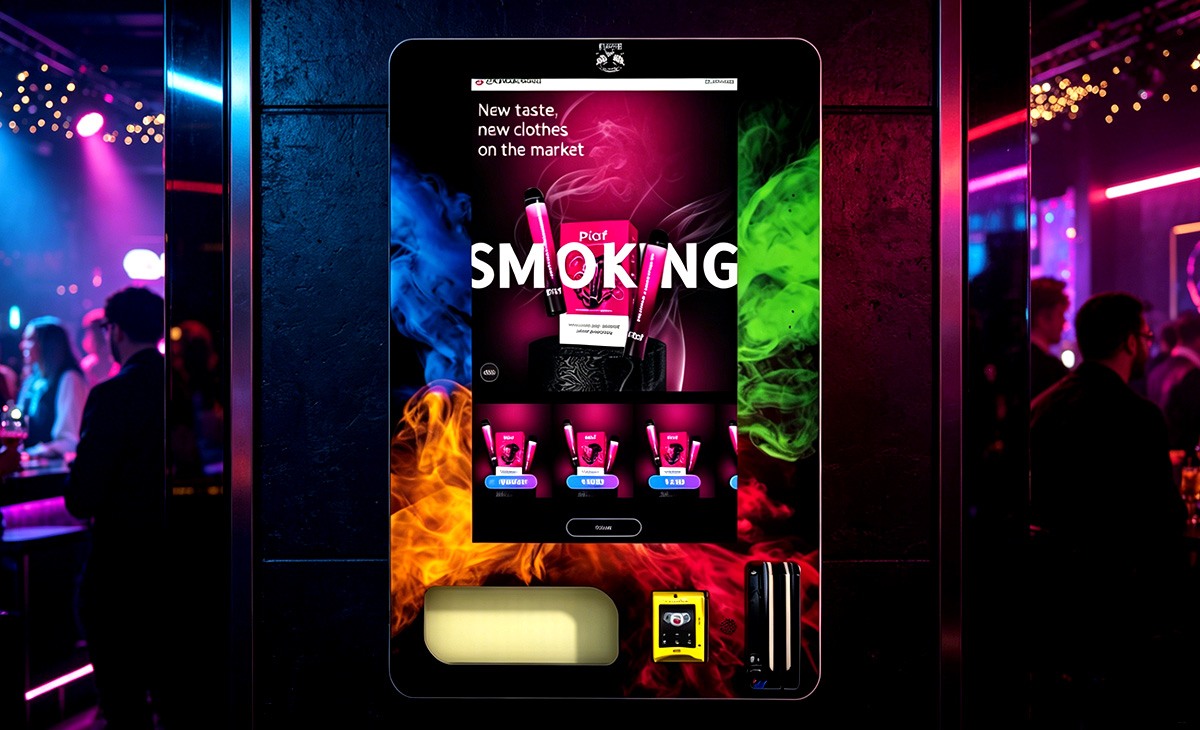
These prices are based on my experience in the U.S. market. Prices in Europe may differ due to VAT and import duties. Always factor in shipping, installation, and any local taxes when budgeting for a machine.
How to Evaluate Whether a Machine Is Worth the Investment
Before I buy a new machine, I calculate the potential return on investment (ROI) based on the location and the candy mix I plan to use. I estimate the monthly revenue, subtract the cost of goods, rent, and maintenance, and then divide the initial investment by the monthly net profit. That gives me the payback period in months.
For example, if a machine costs $2,000 and I expect a net profit of $150 per month, the payback period is about 13 months. That is acceptable for me. If the payback period exceeds 18 months, I usually look for a different location or a cheaper machine.
But you also need to consider the lifespan of the machine. A good machine should last five to ten years with proper maintenance. After the payback period, the machine generates pure profit, minus ongoing costs. That is where the real money is made.
Real Data on Vending Machine Profitability
According to a 2023 report by Statista, the average revenue per vending machine in the United States was approximately $75 per week in 2022. That translates to about $3,900 per year per machine. However, this figure includes all types of vending machines, not just bulk candy machines. Bulk candy machines typically generate lower revenue per machine than snack or drink machines, but they also have lower operating costs.
In my own operation, I have bulk candy machines that generate between $100 and $400 per month, with an average of around $180 per month. After costs, my net profit per machine averages about $100 per month. That means a $2,000 machine pays for itself in about 20 months in an average location. In a good location, the payback period can be as short as 10 months.
These numbers are estimates based on my experience. Your results will depend on your specific circumstances.
Legal and Regulatory Considerations for Bulk Vending Machine Candy
In the United States, bulk vending machines are subject to food safety regulations enforced by the FDA. You need to ensure that the candy you sell is properly labeled, stored, and dispensed in a way that prevents contamination. Some states also require a vending machine license or a food handler's permit.
In the European Union, vending machine operators must comply with EU food safety regulations, including traceability requirements and allergen labeling. If you sell candy that contains common allergens like peanuts or milk, you need to display that information on the machine or on the product packaging.
I recommend checking with your local health department or equivalent authority before you start operating. The cost of a permit is usually low, but the fine for operating without one can be significant.
How to Avoid Beginner Mistakes with Suppliers
When you are looking for a supplier for bulk vending machine candy, do not rush. I have seen new operators get excited and place large orders with the first supplier they find, only to discover that the candy is stale, the packaging is damaged, or the shipping costs are higher than expected.
Always ask for samples before placing a bulk order. Test the candy in your machine to make sure it dispenses properly. Check the expiration date. Compare prices from at least three suppliers. And read the fine print on shipping and return policies.
For machine suppliers, I recommend looking for manufacturers that have a track record of supporting operators in your region. Zhongda Smart, for example, has been in the vending machine industry for years and offers machines that are compatible with bulk candy dispensing. Their team can also provide advice on product sourcing, though you should always do your own due diligence on candy suppliers.
FAQ: Bulk Vending Machine Candy for Beginners
Is selling bulk vending machine candy profitable?
Yes, it can be profitable, but it depends on your location, your candy mix, and your operating costs. In my experience, a well-placed machine can generate $100 to $400 per month in revenue, with net profits of $50 to $200 per month after costs.
How much does a bulk vending machine cost?
A basic bulk candy machine costs between $500 and $1,500. A mid-range machine with cashless payment options costs between $1,500 and $3,000. Premium machines with digital displays can cost up to $5,500 or more.
How long does it take to recoup the investment?
Based on my experience, the payback period ranges from 10 to 24 months, depending on the location and the machine cost. A good location with high foot traffic can pay back faster.
Should I buy or lease a vending machine?
I recommend buying if you have the capital and plan to operate multiple machines. Leasing can be a good option if you want to test the business with minimal upfront investment, but you will have lower profit margins.
Where should I place my bulk candy vending machine?
Good locations include laundromats, schools, office buildings, gyms, train stations, and retail stores. Look for places with high foot traffic, a captive audience, and few competing vending machines.
What permits do I need to operate a vending machine?
Requirements vary by location. In the U.S., you may need a vending machine license, a food handler's permit, and a business license. In the EU, you need to comply with food safety regulations and possibly register with local authorities. Check with your local government before starting.
How do I choose a candy supplier?
Look for suppliers with consistent quality, reliable shipping, and a good return policy. Ask for samples before ordering in bulk. Compare prices from multiple suppliers. Avoid buying too much candy at once until you know what sells in your location.
What should I do if my machine breaks down?
Learn basic vending machine repair for common issues like jams and coin mechanism problems. For more complex repairs, find a local technician. If you bought your machine from a manufacturer like Zhongda Smart, check if they offer warranty support or have authorized repair centers in your area.
How can I reduce maintenance costs?
Regular cleaning and inspection prevent many common problems. Use high-quality candy that does not leave residue. Rotate inventory to avoid stale products that can jam the machine. Invest in a machine with durable components to reduce the frequency of repairs.
Final Thoughts from a Decade in the Business
Choosing the right bulk vending machine candy is not complicated, but it requires attention to detail and a willingness to learn from mistakes. I have lost money on machines that I placed in bad locations with the wrong candy, and I have made good money on machines that I carefully matched to the local market. The difference is not luck. It is research, testing, and continuous optimization.
If you are just starting out, keep your initial investment small. Buy one or two machines, test them in different locations, and track your sales data. Once you find a candy mix that works, expand from there. Avoid the temptation to scale too quickly. I have seen too many operators buy ten machines at once, only to realize that half of them are in unprofitable locations.
The vending machine business is a marathon, not a sprint. With the right candy, the right machine, and the right location, you can build a steady source of income that requires relatively little ongoing effort. Just do not expect to get rich overnight. The real value comes from consistent operation over years, not from a single big score.
This article was updated in May 2025. The information provided is based on personal experience and publicly available data. Individual results may vary. Always consult local regulations and conduct your own market research before making business decisions.