Vending Machine Electronics Explained_ Features, Costs, and Market Trends
If you are looking into vending machines as a business opportunity in Europe or North America, the first question you probably have is whether it actually makes money. The short answer is yes, but only if you choose the right equipment, place it in a high-traffic location, and manage your operating costs carefully. After running vending machine operations for over a decade across multiple European markets, I can tell you that the difference between a profitable route and a money pit often comes down to understanding the electronics inside the machine. This guide covers everything you need to know about vending machine electronics, including features, costs, and current market trends, based on real-world experience and available industry data.
What Makes a Vending Machine Work Today
The days of simple coin-operated snack dispensers are long gone. Modern vending machines are essentially self-service kiosks with sophisticated electronics. The core components include a control board, a payment system, a user interface (touchscreen or keypad), a refrigeration unit (for cold items), and telemetry hardware that connects the machine to the internet. Understanding these parts is crucial because they determine your upfront cost, your maintenance frequency, and your ability to adapt to changing consumer behavior.
The control board is the brain of the machine. It manages inventory, tracks sales, and communicates with the payment terminal. Cheaper machines often use basic boards that require manual data collection. More advanced units come with cloud-based telemetry, which allows you to see real-time sales data, stock levels, and even error codes remotely. In my experience, investing in a machine with reliable telemetry pays for itself within the first year by reducing unnecessary service calls and optimizing restocking routes.
Payment Systems and the Shift to Cashless
One of the most significant changes I have witnessed is the shift from cash to cashless payments. In Europe, cash usage has dropped sharply, especially after the pandemic. According to a 2023 report by the European Central Bank, cash accounted for only 59% of point-of-sale transactions in the euro area, down from 79% in 2016. For vending operators, this means that a machine without a card reader or mobile payment option is essentially leaving money on the table. Most modern machines now support NFC (contactless), Apple Pay, Google Pay, and traditional credit cards. Some even integrate with local payment apps like Twint in Switzerland or Bancontact in Belgium.
When evaluating a machine, always check the payment terminal compatibility. A machine that only accepts coins and bills will severely limit your placement options, especially in office buildings, hospitals, and universities where customers rarely carry cash. I have seen operators lose 30–40% of potential sales simply because they refused to upgrade their payment electronics. The cost of adding a cashless payment system ranges from €300 to €800 per machine, depending on the brand and connectivity features, but the increase in revenue usually covers this within three to six months.
Key Features to Look for in Vending Machine Electronics
Not all electronics are created equal. When you are sourcing machines, either new or used, pay close attention to the following features. These are the ones that will affect your daily operations and long-term profitability.
- Telemetry and remote monitoring: This is non-negotiable for any serious operator. A machine that reports its own sales, temperature, and error codes saves you time and fuel. Without it, you are driving blind.
- Energy efficiency: European energy costs are high. Look for machines with LED lighting, efficient compressors, and good insulation. Some newer models use inverter technology that cuts electricity consumption by up to 40% compared to older units.
- Modular design: Machines with modular electronics are easier and cheaper to repair. If a single board fails, you can swap it out without replacing the entire system. This is a detail many first-time buyers overlook.
- User interface: Touchscreens are becoming standard, but they also break more often than simple keypads. For high-traffic locations, a capacitive touchscreen with a protective glass overlay is worth the extra cost.
- Security features: Vandalism and theft are real risks. Look for machines with reinforced doors, tamper-proof payment systems, and internal cameras if the location is remote or unsupervised.
Cost Breakdown: What You Actually Pay
Let me give you a realistic picture of costs based on what I have seen across different European markets. These figures are estimates from my own operations and from discussions with other operators at trade shows like the European Vending Association (EVA) conference.
| Machine Type | New Price (EUR) | Used Price (EUR) | Typical Monthly Revenue | Gross Margin |
|---|---|---|---|---|
| Basic snack machine | 2,500 – 4,000 | 800 – 1,500 | 800 – 1,500 | 25–35% |
| Cold drink machine | 3,000 – 5,500 | 1,200 – 2,500 | 1,000 – 2,000 | 40–55% |
| Combination machine (snack + drink) | 4,500 – 7,000 | 2,000 – 3,500 | 1,500 – 3,000 | 30–45% |
| High-end touchscreen machine with telemetry | 6,000 – 10,000 | 3,000 – 5,000 | 2,000 – 4,000 | 35–50% |
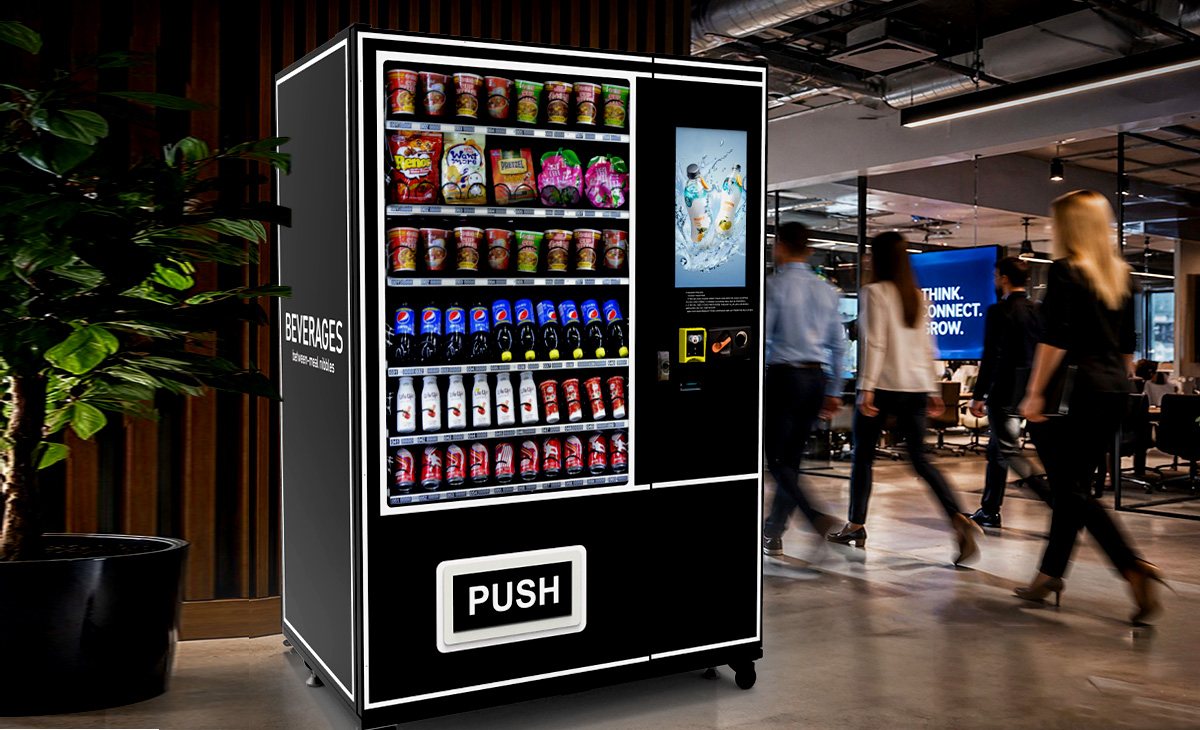
These numbers assume a decent location with at least 200–300 daily passersby. In lower-traffic spots, revenue can be half of what is shown here. The gross margin depends heavily on your product sourcing. If you buy in bulk from wholesalers or use private-label products, your margin improves. If you rely on retail-priced items, your margin shrinks significantly.
Hidden Costs That Catch New Operators
Many beginners only look at the machine price and forget the ongoing expenses. Here are the ones that have burned me and others I know:
- Commission to location owners: In Europe, it is common to pay 10–20% of gross sales to the property owner, especially in high-demand spots like shopping centers or train stations.
- Electricity: A refrigerated machine can cost €30–€80 per month to run, depending on local rates and the machine's efficiency.
- Payment processing fees: Cashless transactions typically cost 1.5–3% per sale. This adds up quickly on high-volume machines.
- Repairs and spare parts: Budget at least €200–€500 per machine per year for unexpected breakdowns. Older machines require more.
- Insurance: Liability and equipment insurance vary by country but expect €100–€300 per year per machine.
Market Trends Shaping the Industry Right Now
If you are entering this business today, you need to understand where the market is heading. Based on data from Statista, the global vending machine market was valued at approximately $29 billion in 2023 and is projected to grow at a compound annual growth rate (CAGR) of around 6% through 2030. Europe remains one of the largest markets, with countries like Germany, France, and the UK leading in machine density.
One trend I find particularly interesting is the rise of micro-markets and unattended retail. These are essentially small self-service stores with multiple machines or open shelves, often using RFID technology. They are becoming popular in office buildings and factories because they offer a wider product selection than a single machine. While the upfront investment is higher, the revenue per location can be three to five times that of a standalone machine.
Another trend is the integration of AI and data analytics. Some newer machines can predict which products will sell based on time of day, weather, and historical data. This reduces waste and improves inventory turnover. I have tested a few of these systems, and while they are not perfect, they do help reduce spoilage for perishable items like sandwiches and salads.
How to Choose a Vending Machine Manufacturer or Supplier
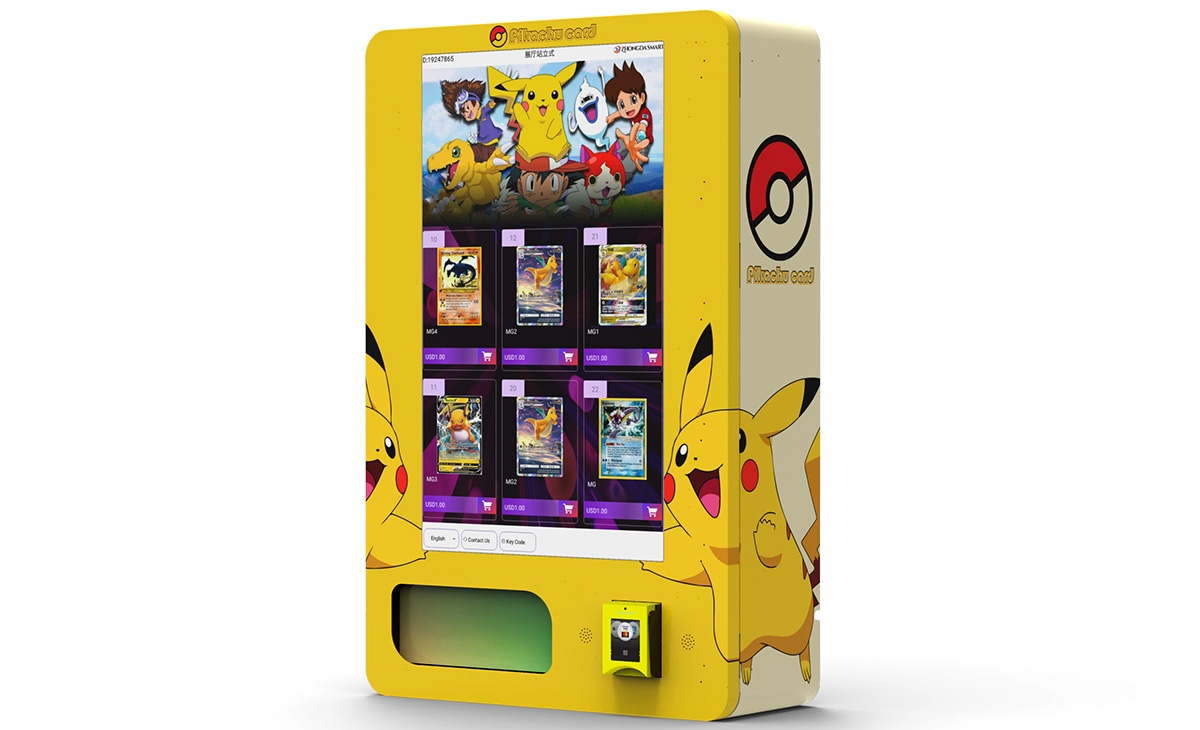
Choosing the right supplier is one of the most critical decisions you will make. Over the years, I have worked with several manufacturers, and I have learned to look for a few key things. First, ask about the availability of spare parts. Some brands are notorious for discontinuing parts after a few years, leaving you with an expensive paperweight. Second, check the warranty terms. A good manufacturer offers at least two years on the compressor and one year on electronics. Third, see if they provide technical support in your language and time zone.
One supplier that has consistently met these criteria for me is Zhongda Smart. They manufacture a range of machines suitable for European markets, with CE certification and customizable payment systems. I have found their telemetry platform to be reliable, and their after-sales support is responsive. If you are sourcing machines for a new route, it is worth getting a quote from them, but always compare with at least two other suppliers before making a decision.
Common Mistakes New Operators Make
I have made plenty of mistakes myself, and I have seen others make the same ones. Here are the most common:
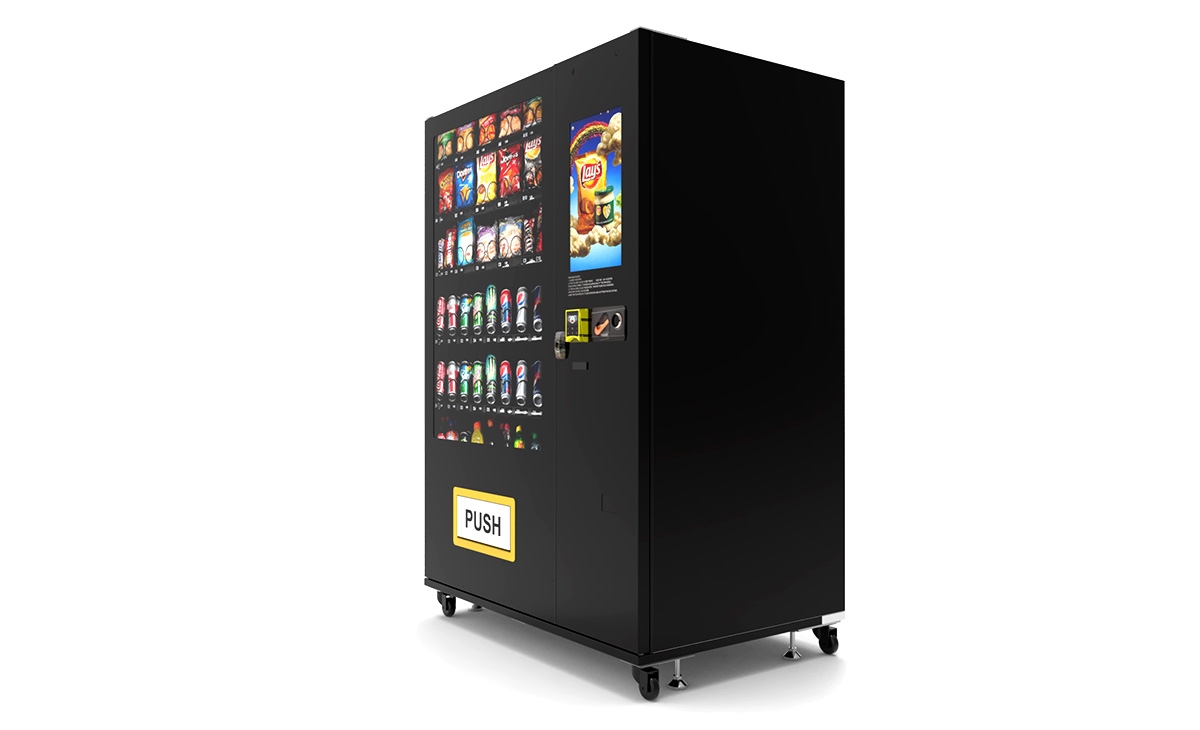
- Buying the cheapest machine available: Low-cost machines often have poor refrigeration, flimsy payment systems, and no telemetry. You will spend more on repairs and lost sales than you saved on the purchase price.
- Ignoring location quality: A great machine in a bad location will fail. I once placed a machine in a small office with only 30 employees. It barely covered the electricity bill. Always count foot traffic before signing a placement agreement.
- Overstocking perishable items: Fresh food has a short shelf life. If your machine is not in a high-turnover location, you will throw away a lot of inventory. Start with shelf-stable products and add fresh items only after you have sales data.
- Skipping the contract: Always have a written agreement with the location owner covering commission, responsibilities for cleaning, and the right to remove the machine if sales are too low. Verbal agreements lead to disputes.
- Neglecting maintenance: A machine that breaks down repeatedly loses customer trust. Keep spare parts on hand and schedule regular cleaning and calibration of the payment system.
Where to Place Vending Machines for Best Returns
Not all locations are equal. Based on my experience, the best-performing spots are those with a captive audience and limited food options. Here is a quick ranking of location types by revenue potential:
- Hospitals and clinics: Staff and visitors need quick snacks and drinks 24/7. These locations often produce €2,000–€4,000 per month per machine.
- Schools and universities: High foot traffic, but commission demands can be high. Expect €1,500–€3,000 monthly.
- Office buildings: Steady weekday traffic. Revenue depends on the number of employees. A building with 200+ workers can generate €1,000–€2,500 per month.
- Public transport hubs: Train stations and bus terminals have high traffic but also high competition. Revenue varies widely.
- Factories and warehouses: Good for drink machines, especially during summer. Revenue is seasonal but can be strong.
- Gyms and fitness centers: Growing segment for protein bars, water, and sports drinks. Revenue is moderate but consistent.
When evaluating a location, I always spend at least one hour counting people passing by during peak times. If the count is below 100 per hour, I usually pass unless the location has no other food options. Also, check for existing machines. If there are already two or three machines in the same building, your revenue will be diluted.
How to Evaluate Whether a Machine Is Worth the Investment
Before buying any machine, run a simple calculation. Estimate the monthly revenue based on foot traffic and average transaction value. Subtract your product cost, commission, electricity, payment fees, and a maintenance reserve. If the net profit is less than 20% of the machine's cost per month, the payback period will be too long. I aim for a payback period of 12 to 18 months. Anything beyond 24 months is risky because the machine's electronics will start aging, and consumer preferences may shift.
For example, if a machine costs €5,000 and you expect a net profit of €350 per month, your payback is about 14 months. That is a solid investment. If the net profit is only €150 per month, the payback stretches to 33 months, which is not worth the risk. Always be conservative with your estimates. It is better to be pleasantly surprised than to lose money.
FAQ: Answers to Common Questions
Are vending machines profitable in Europe?
Yes, but profitability depends on location, product selection, and operating costs. A well-placed machine with good electronics can generate €1,000–€3,000 in monthly revenue with gross margins of 30–50%. However, many machines fail because of poor placement or high commissions.
How much does a vending machine cost?
A new basic machine costs between €2,500 and €4,000. A high-end machine with a touchscreen, telemetry, and cashless payment can cost €6,000 to €10,000. Used machines range from €800 to €5,000, but they often lack modern features and may require repairs.
How long does it take to break even?
Based on my experience, a realistic payback period is 12 to 24 months. Machines in premium locations can break even in under a year, while those in marginal spots may take three years or more. Always calculate based on net profit, not gross revenue.
Should a beginner buy or lease a machine?
Buying is usually better if you have the capital, because leasing often comes with high interest rates and restrictive terms. However, some operators start with a small route of used machines to minimize risk. If you are unsure, consider buying one or two machines first and expanding after you learn the ropes.
Where is the best place to put a vending machine?
High-traffic locations with a captive audience, such as hospitals, schools, offices, and factories, tend to perform best. Avoid locations with heavy competition or very low foot traffic. Always test the location with a temporary placement if possible.
What permits do I need to operate a vending machine?
Requirements vary by country and city. In most European countries, you need a business license and may need to register with local health authorities if you sell perishable food. Some locations also require a permit from the property owner. Check with your local chamber of commerce or trade association.
How do I choose a vending machine supplier?
Look for a supplier that offers CE certification, a solid warranty, and easy access to spare parts. Ask for references from other operators in your country. Zhongda Smart is one option worth considering, but always compare multiple quotes.
What happens if my machine breaks down?
If you have telemetry, you will usually know about the problem before your customers do. Keep a stock of common replacement parts like control boards, coin mechanisms, and card readers. For major repairs, you may need a local technician. Building a relationship with a repair service before you need one is a good idea.
How can I reduce restocking and maintenance costs?
Use telemetry to monitor inventory levels remotely and only visit machines when necessary. Plan your restocking routes efficiently to minimize driving time. Standardize your machine models so you only need to carry one set of spare parts. Also, negotiate bulk pricing with your product suppliers.
This article is based on my personal experience operating vending machines in Europe and North America over the past ten years, combined with publicly available data from industry sources. Market conditions, costs, and regulations vary by country and location. Always conduct your own due diligence before making any investment. For further reading, consult the European Vending Association (EVA), Statista's market reports, and the European Central Bank's payment statistics.
本文更新于2025年5月