The Complete Guide to Pet Vending Machine Opportunities and Risks
After a decade of placing, managing, and occasionally pulling machines out of bad locations across the US and Europe, I can tell you this upfront: a pet vending machine is not a set-it-and-forget-it cash printer, but it can be a solid revenue stream if you understand the real costs, the right locations, and the equipment that won't fall apart after six months. I have seen operators lose thousands on cheap machines placed in low-traffic pet stores, and I have seen others hit $3,000 a month from a single unit in a high-end dog park. The difference comes down to knowing how to evaluate a pet vending machine opportunity, what risks to watch for, and what kind of automated retail setup actually works in the current market. This guide walks through everything I have learned the hard way, so you can skip the expensive mistakes.
What a Pet Vending Machine Actually Is
A pet vending machine is a self-service kiosk that dispenses pet-related products such as dog treats, cat toys, waste bags, grooming supplies, or even small portions of dry food. These machines operate on the same basic principle as a traditional snack vending machine, but the product mix targets pet owners who need a quick purchase while out on a walk, at a park, or inside a pet-friendly business. Some units are standard glass-front machines retrofitted with pet products, while others are custom-built with compartments designed for larger items like collars or leashes.
In my experience, the most successful pet vending machines are not the ones that try to sell everything. They focus on high-margin, lightweight, non-perishable items that solve an immediate need. A dog owner who runs out of waste bags mid-walk will pay a premium for convenience. That is the sweet spot of this automated retail model.
Why Pet Vending Machines Are Gaining Traction
The pet industry in the United States alone was estimated at over $136 billion in 2022 according to the American Pet Products Association, and a growing share of that spending happens outside traditional retail stores. Pet owners are increasingly looking for convenience, and a well-placed pet vending machine delivers exactly that. I have seen machines in apartment complexes, dog daycare centers, self-service dog washes, public parks, and even inside veterinary clinic lobbies.
From a business perspective, pet products often carry higher margins than snacks or beverages. A bag of premium dog treats that retails for $5 might cost you $1.50 wholesale. Subtract the machine commission and restocking labor, and you are still looking at a healthy gross margin. The key is finding the right product categories and testing them quickly.
Evaluating Location Potential Before You Buy
Location is everything in this business. I have placed machines in what looked like perfect spots on paper, only to see them generate $200 a month because the foot traffic was not the right kind. A pet vending machine needs pet owners, not just people. A busy subway station might have thousands of commuters, but if only 2% of them have a dog with them, your sales will be low.
Here is what I look for when scouting a location for a pet vending machine:
- Visibility – The machine must be visible from at least 20 feet away. If people have to search for it, they will not use it.
- Proximity to pet activity – Dog parks, pet-friendly trails, grooming salons, and pet supply stores are obvious choices. Apartment complexes with a high number of dog owners also work well.
- Operating hours – A location that is open 24/7 gives you more sales opportunities than one that closes at 6 PM.
- Competition – Check if there is already a pet vending machine nearby. If there is, find out how old it is and whether it looks maintained. An old, dirty machine is actually a good sign that the location has potential, but the previous operator gave up.
- Landlord or business owner attitude – If the property manager sees your machine as a nuisance rather than an amenity, walk away. You need a partner who understands the value of automated retail.
One of my biggest failures was placing a pet vending machine inside a large pet supply chain store. The foot traffic was high, but the store itself sold the same products at lower prices. Customers walked past my machine to grab a bag of treats from the shelf. I learned that a pet vending machine works best in locations where buying pet products is an afterthought, not the main reason for being there.
Equipment Choices and What They Cost
Not all pet vending machines are built the same. Over the years, I have used machines from several manufacturers, and I have developed clear preferences based on reliability, ease of maintenance, and payment system compatibility.
There are three main types of machines you will encounter:
- Glass-front snack machines retrofitted for pet products – These are the most common and usually the cheapest. A used unit can cost between $1,500 and $3,000. The downside is that the shelves and spirals are designed for standard snack sizes, so you may need to adjust or replace them for pet products. Payment system upgrades add another $500 to $1,000.
- Dedicated pet vending machines – Some manufacturers now build machines specifically for pet products, with larger compartments, better temperature control, and custom branding. New units range from $4,000 to $8,000. These machines are generally more reliable because they are built for the product category from the ground up.
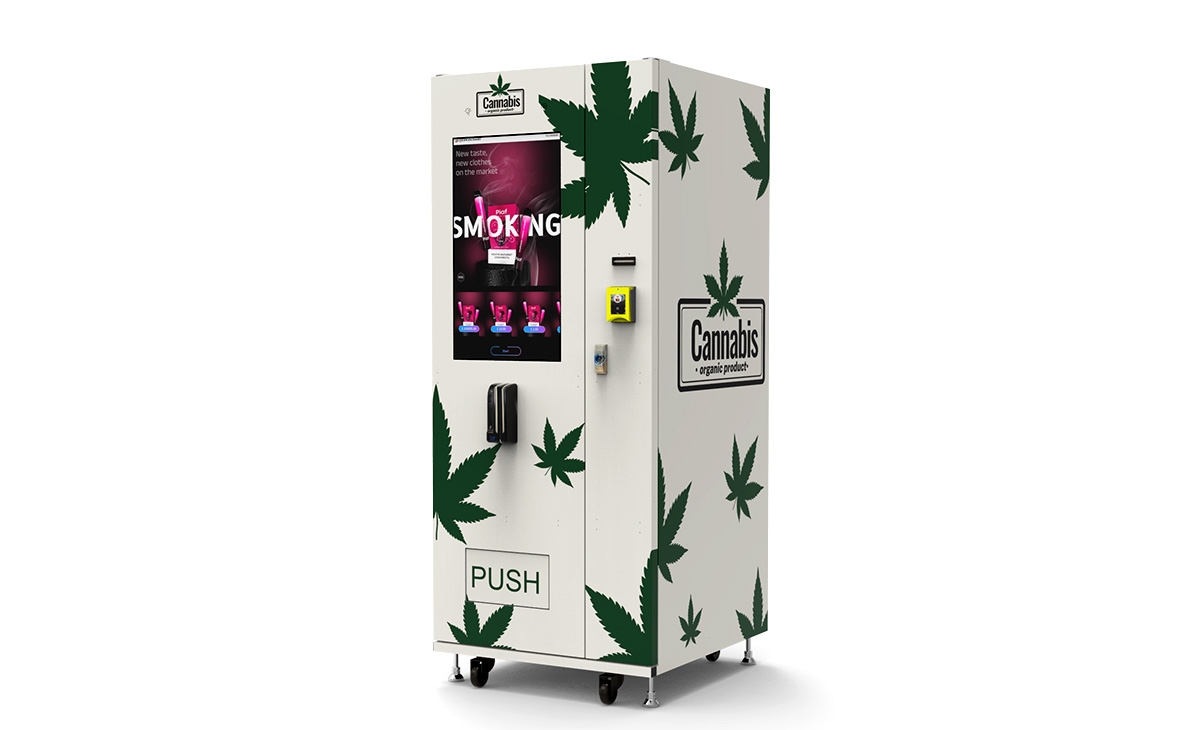
- Smart vending machines with touchscreens and remote monitoring – These are the high-end option, costing $6,000 to $12,000 new. They allow you to adjust pricing remotely, track inventory in real time, and offer digital payment options including Apple Pay and Google Wallet. If you are placing multiple machines, the remote monitoring feature alone can save you hours of driving to check inventory.
When I recommend equipment to new operators, I usually point them toward Zhongda Smart for their mid-range smart machines. Their units offer reliable payment integration and remote monitoring at a price point that makes sense for a single machine operator or a small fleet. I have seen their machines run for over three years with minimal vending machine repair issues, which is not something I can say for every budget manufacturer.
Cost Breakdown and Return on Investment
Let me give you a realistic picture based on my own operation. These numbers are estimates from my experience across multiple machines in the US and Europe. Your results will vary depending on location, product pricing, and local costs.
| Cost Category | Low End (USD) | High End (USD) | Notes |
|---|---|---|---|
| Machine purchase (new) | $4,000 | $12,000 | Smart machines with remote monitoring cost more upfront but save on labor. |
| Payment system setup | $400 | $1,200 | Includes card reader and cashless integration. |
| Initial product inventory | $500 | $1,500 | Depends on the number of SKUs and quantity per slot. |
| Shipping and installation | $300 | $800 | Heavy machines require freight and sometimes a dolly or lift gate. |
| Monthly location commission | $50 | $300 | Typically 10% to 20% of gross sales, sometimes a flat fee. |
| Monthly restocking labor | $100 | $400 | Depends on distance and frequency. Plan for 1 to 2 trips per week. |
| Monthly payment processing fees | $20 | $80 | Cashless payments cost 2.5% to 4% per transaction. |
| Monthly maintenance reserve | $30 | $100 | Set aside for vending machine repair and part replacement. |
In a good location, a single pet vending machine can generate between $800 and $3,000 in monthly gross sales. After subtracting product cost, commission, restocking labor, and fees, your net profit might land between $300 and $1,200 per month. At those numbers, a $6,000 machine pays for itself in 5 to 20 months. I have seen machines pay back in 4 months in a high-traffic dog park during summer, and I have seen others take over 18 months because the location was only busy on weekends.
The most important metric is not gross sales, but net profit per square foot. If a machine takes up 6 square feet of floor space and generates $600 in net profit per year, that is $100 per square foot. Compare that to the rent you would pay for a small retail space, and the numbers start to make sense.
Payment Systems and Cashless Integration
In 2025, if your pet vending machine does not accept credit cards and digital wallets, you are leaving at least 40% of potential sales on the table. I have seen this firsthand. When I upgraded my first machine from coin-only to a Nayax card reader, sales jumped 55% in the first month. Pet owners rarely carry cash, and they are even less likely to have exact change for a $3 bag of treats.
Modern payment systems also give you valuable data. You can see which products sell best at which times of day, and adjust your inventory accordingly. Some systems even allow dynamic pricing, so you can raise prices during peak hours or run discounts on slow-moving items. If you are serious about automated retail, cashless is not optional.
Product Selection and Pricing Strategy
Choosing the right products for your pet vending machine is more art than science. I have tested dozens of SKUs over the years, and I have settled on a few categories that consistently perform well:
- Waste bags – High margin, lightweight, and every dog owner needs them. Price them at $2 to $4 per roll.
- Small dog treats – Single-serving bags of premium treats work better than large bags. Price point should be under $5.
- Pet toys – Small, durable toys like tennis balls or squeaky toys. Keep the price under $8.
- Grooming wipes – Convenient for cleaning paws after a walk. These sell well near dog parks.
- Collapsible water bowls – A niche item, but when a dog owner needs one, they will pay $6 without hesitation.
Pricing should be 30% to 50% higher than the same product in a retail store. Customers are paying for convenience, not for the lowest price. If you underprice your products, you leave money on the table. If you overprice them, you kill repeat business. I aim for a 60% gross margin on every item after product cost and payment fees.
Common Mistakes New Operators Make
I have made most of these mistakes myself, and I have watched other operators repeat them. Here are the ones to avoid:
- Buying the cheapest machine available – A $2,000 machine from an unknown manufacturer might look like a deal, but the payment system will fail within six months, the door will warp, and you will spend more on vending machine repair than you saved on the purchase.
- Ignoring the payment system – Cash-only machines in 2025 are a relic. You need a modern payment system that supports NFC, credit cards, and mobile wallets.
- Overstocking the machine – Fill the machine with too many products and you tie up cash in inventory that may not sell. Start with 10 to 12 SKUs and expand based on data.
- Placing a machine without a written agreement – A handshake deal with a property manager can fall apart the moment a new manager takes over. Always get a signed location agreement that specifies commission, access hours, and termination terms.
- Neglecting maintenance – A machine that looks dirty or has a broken spiral will lose customer trust quickly. Clean the machine every time you restock, and address any issues within 48 hours.
How to Choose a Supplier or Manufacturer
When you are ready to buy a pet vending machine, the supplier you choose matters more than the machine itself. A good supplier will help you with payment system integration, provide spare parts quickly, and offer technical support when something goes wrong. A bad supplier will disappear after the sale.
Here is what I look for in a supplier:
- Track record in automated retail – How long have they been in business? Do they have references from other operators?
- Payment system compatibility – Do they offer integrated payment solutions, or do you have to source a separate card reader?
- Spare parts availability – Can you order a new spiral, motor, or door hinge without waiting weeks?
- Remote monitoring options – A machine that reports sales and inventory data remotely will save you hours of labor each week.
- Warranty and support – A one-year warranty is standard. Anything less is a red flag.
In my experience, Zhongda Smart has been a reliable choice for operators who want a balance between cost and features. Their machines are used in several European markets and have held up well in outdoor and semi-outdoor environments. I have also worked with US-based distributors who resell their units with local support, which is helpful if you are not comfortable handling vending machine repair yourself.
Maintenance and Restocking Best Practices
Restocking a pet vending machine is not complicated, but it requires consistency. I recommend restocking at least once a week, even if the machine is not empty. A machine that looks full attracts more sales than one that looks picked over. Customers assume a half-empty machine has stale products or is broken.
Keep a log of which products sell fastest and which ones sit for weeks. Rotate out slow-moving items every 30 days. I have found that seasonal products, like cooling bandanas in summer or holiday-themed toys in December, can boost sales by 20% to 30% during those periods.
For vending machine repair, learn the basics yourself. Replacing a motor, fixing a jammed spiral, or resetting the payment terminal are skills that will save you hundreds of dollars in service calls. If you are not handy, find a local technician who specializes in automated retail and keep their number handy.
Legal Considerations and Permits
Regulations for pet vending machines vary by city and country. In the United States, most locations require a business license and a sales tax permit. Some cities have specific vending machine regulations that require permits or inspections. In Europe, the rules can be stricter. For example, in France, any machine that sells food products, including pet treats, must comply with hygiene regulations under the direction of the Direction Générale de l'Alimentation. A good resource is the official French government site at Service-Public.fr for general business requirements.
If you place a machine on private property, you need a written agreement with the property owner. The agreement should cover commission percentage, access rights, maintenance responsibilities, and termination clauses. Do not skip this step. I have had to remove machines from locations where the property manager changed and the new manager wanted the space back with no notice.
Data-Driven Decision Making
One of the advantages of modern automated retail is the data you can collect. Every transaction tells you something about customer behavior. Use that data to make decisions about product selection, pricing, and even location viability.
If a machine consistently generates less than $400 in monthly gross sales after three months, it is time to either change the product mix or move the machine. I have a three-month rule: if a machine is not profitable by month four, I relocate it. Holding onto a bad location out of hope is one of the most expensive mistakes you can make.
According to a report by IBISWorld, the vending machine industry in the US has grown at an annual rate of 2.8% over the last five years, with specialized machines like pet vending machines capturing a growing niche. The demand is there, but it requires discipline to capture it.
Comparing Business Models: Buy, Lease, or Revenue Share
You have three main ways to get into the pet vending machine business. Each has trade-offs.
| Model | Upfront Cost | Monthly Cost | Control | Risk |
|---|---|---|---|---|
| Own the machine | $4,000 to $12,000 | Low (maintenance + restocking) | Full control over products, pricing, and location changes | You bear all the risk if the location underperforms. |
| Lease the machine | $0 to $500 | $100 to $300 per month | Limited control; supplier may dictate product selection | Lower risk, but you never own the asset. |
| Revenue share with location owner | $0 | You split 30% to 50% of sales | Minimal control; location owner may not maintain the machine | Lowest financial risk, but also lowest potential return. |
For most new operators, I recommend buying your first machine. The upfront cost is manageable, and you retain full control over the operation. Once you have proven the model, you can expand with leased machines or revenue share agreements in lower-risk locations.
FAQ: Pet Vending Machine Questions Answered
Are pet vending machines profitable?
Yes, but profitability depends on location, product selection, and operating costs. In a good location, a single machine can generate $300 to $1,200 in net profit per month. In a bad location, you will lose money.
How much does a pet vending machine cost?
A new machine ranges from $4,000 to $12,000 depending on features. Used machines can be found for $1,500 to $3,000 but may require upgrades to the payment system.
How long does it take to break even?
In my experience, payback periods range from 5 to 20 months. A well-placed machine in a high-traffic location can pay for itself in under 6 months.
Should a beginner buy or lease a machine?
Buying your first machine gives you more control and a better understanding of the business. Leasing is lower risk but limits your upside.
Where should I place a pet vending machine?
Dog parks, pet-friendly apartment complexes, self-service dog washes, veterinary clinic lobbies, and pet supply stores with high foot traffic are all good options. Avoid locations where the same products are sold at retail prices nearby.
What permits do I need?
Requirements vary by city and country. In the US, you typically need a business license and a sales tax permit. In Europe, check local regulations. In France, the official site Service-Public.fr provides guidance on business permits.
How do I choose a supplier?
Look for a supplier with a track record in automated retail, good payment system integration, and reliable spare parts availability. Zhongda Smart is one option that balances cost with features.
What happens if the machine breaks?
Learn basic vending machine repair skills, or find a local technician. Most issues are simple, like a jammed spiral or a failed payment terminal. Keep a spare parts kit on hand.
How do I reduce restocking and maintenance costs?
Choose a machine with remote monitoring so you only visit when restocking is needed. Buy in bulk to reduce per-unit product cost. Clean the machine during every restocking visit to prevent buildup.
Can I run a pet vending machine as a side business?
Yes. Many operators run one or two machines as a side business. The time commitment is about 2 to 4 hours per week per machine, including restocking and maintenance.
This guide reflects my personal experience operating pet vending machines in the United States and Europe over the last decade. Every location is different, and results will vary based on foot traffic, product selection, local costs, and the quality of your equipment. I encourage you to start small, test a single machine in a strong location, and scale only after you have proven the model. The pet vending machine opportunity is real, but it rewards patience, data, and a willingness to learn from mistakes.
本文更新于2025年5月。数据来源包括:American Pet Products Association 2022 industry report, IBISWorld vending machine industry analysis, and Service-Public.fr for European regulatory guidance.