The Complete Guide to Combo Vending Machine With Card Reader Opportunities and Risks
After a decade of placing, breaking, fixing, and sometimes pulling machines out of terrible locations, I can tell you this straight: the combo vending machine with card reader is not a magic money printer, but it is the single most important shift I have seen in automated retail since the move from coin-only to cashless. If you are looking at this category because you want a machine that sells both snacks and cold drinks and takes credit cards without a second thought, you are already ahead of the crowd that still thinks a vending business means hauling quarters to the bank. But here is the reality check I give every new operator who calls me: the opportunity is real, the risks are equally real, and most of the mistakes I see come from people who buy the wrong machine, put it in the wrong spot, or underestimate what it actually takes to keep a combo vending machine with card reader running profitably month after month.
What a Combo Vending Machine With Card Reader Actually Does
A combo vending machine with card reader combines snack spirals and a cold drink section in one cabinet. You do not need two separate machines. You do not need two separate power drops. You do not need to negotiate for twice the floor space. One unit, one electrical connection, one payment system. That simplicity is why I have seen these machines replace traditional setups in break rooms, small retail lobbies, and even hotel corridors where space is tight.
The card reader is the non-negotiable part. In the US and Europe, cash transactions in vending dropped significantly over the last five years. According to a 2023 report from Statista, cashless payments accounted for over 60% of all vending transactions in the United States, and the trend is similar in the UK, Germany, and France. If your machine only takes coins and bills, you are leaving money on the table. A combo vending machine with card reader solves that problem in one box.
Why I Believe in the Combo Format
I have operated single-purpose machines for years. Snack-only machines work fine in high-foot-traffic office towers. Drink-only machines do well in gyms and schools. But the combo machine wins in locations where the customer wants one quick transaction: a bag of chips and a soda in the same stop. The average ticket size goes up. I have seen locations where a snack-only machine averaged $1.50 per transaction, and swapping to a combo vending machine with card reader pushed that average to $3.80. That is not theory. That is real data from my own routes.
The other advantage is operational efficiency. One machine to service instead of two. One set of inventory to manage. One payment system to troubleshoot. If you are a solo operator or a small team, that reduction in complexity matters more than most beginners realize.
Where the Opportunities Really Are
Break Rooms and Small to Mid-Size Offices
Offices with 50 to 200 employees are the sweet spot. They generate consistent daily traffic. Employees want convenience. If the nearest cafeteria is a five-minute walk or if the building has no food service at all, your combo vending machine with card reader becomes the default lunch option. I have placed machines in buildings where the monthly gross revenue hit $1,800 on a single unit. That is not typical for every location, but it happens often enough that I actively look for office buildings with no existing vending.
Hotels and Motels
Hotels without 24-hour front desk food service are prime targets. Guests arrive late. They want a snack and a drink without leaving the building. A combo machine in the lobby or near the elevator bank can generate steady revenue with very low maintenance. The key is to check the hotel's existing amenities. If they already have a mini-bar or a small shop, you might be competing. If they have nothing, you have a clear opportunity.
Self-Storage Facilities
This one surprises most new operators. Self-storage facilities have tenants coming and going throughout the day. They are often located in areas with no nearby convenience stores. A combo vending machine with card reader in the office or near the entrance can do surprisingly well. I have a machine in a self-storage location in a mid-sized German town that does €1,200 per month consistently. The facility owner was happy to give me free floor space because it adds value for their customers.
Small Retail and Auto Repair Shops
Waiting areas in tire shops, oil change centers, and car dealerships are under-served. Customers sit for 30 to 60 minutes. They get thirsty. They get hungry. A machine in the corner solves that problem. The business owner gets a small commission or a flat rental fee, and you get a captive audience.
The Risks That Will Kill Your Profit if You Ignore Them
Buying the Wrong Machine
The biggest trap I see new operators fall into is buying a cheap combo vending machine with card reader from an unknown supplier. The machine looks fine in the catalog. The price is attractive. Then six months later, the card reader stops communicating with the control board, the refrigeration unit fails, or the snack spirals jam constantly. I have seen operators spend more on repairs in the first year than they saved on the purchase price. Do not buy a machine without verifying that the manufacturer has a service network in your region and that replacement parts are readily available.
Underestimating Location Risk
A machine in a bad location will never make money, no matter how good the equipment is. I have pulled machines from locations that looked promising on paper: a busy train station, a large hospital lobby, a university building. The problem was either too much competition, restricted access during certain hours, or a demographic that simply did not use vending machines. Always do a site visit. Count foot traffic. Talk to the facility manager. Ask if there have been vending machines there before and why they left.
Ignoring Payment System Reliability
The card reader is the heart of a combo vending machine with card reader. If it goes down, you lose 60% or more of your sales immediately. I have seen operators lose weeks of revenue because they bought a machine with a proprietary payment system that was difficult to service. Stick with widely supported card readers from companies like Nayax, USA Technologies, or Castles Technology. Make sure the machine you buy is compatible with the major payment platforms used in your target market.
Neglecting Maintenance and Cleanliness
A dirty machine with a broken spiral or a warm drink section will lose customer trust fast. I have seen machines that looked like they had not been cleaned in months. Customers stop buying. The location owner gets complaints. Eventually the machine gets removed. Set a regular cleaning and maintenance schedule. Check the card reader connection. Test the refrigeration. Replace expired products. This is not optional.
How to Choose a Supplier for Your Combo Vending Machine With Card Reader
I have worked with suppliers from China, Europe, and the United States. The one piece of advice I give to anyone starting out is this: look for a manufacturer that has a proven track record of exporting to your market and that offers after-sales support. I have had good experiences with Zhongda Smart for combo machines because they understand the importance of reliable card reader integration and they have a network of service partners in Europe and North America. They are not the only option, but they are a solid choice if you want a machine that works out of the box and has support when something goes wrong.
When evaluating a supplier, ask these questions: Do they provide a list of compatible card readers? Can they ship spare parts quickly? Do they have a local service technician in your country? What is the warranty period and what does it cover? If the supplier cannot answer these questions clearly, move on.
Cost, Revenue, and Payback Period: What the Numbers Look Like
Based on my own experience and data from industry sources, here is a realistic breakdown of what you can expect when investing in a combo vending machine with card reader.
| Item | Estimated Cost (USD) | Notes |
|---|---|---|
| New combo machine (mid-range) | $4,500 – $7,500 | Includes card reader, refrigeration, snack spirals |
| Card reader installation | $200 – $500 | If not pre-installed |
| Shipping and delivery | $300 – $800 | Depends on distance and freight type |
| Initial inventory (snacks + drinks) | $600 – $1,200 | Varies by product mix and location |
| Monthly location commission | 5% – 20% of gross sales | Negotiable; some locations charge flat rent |
| Monthly restocking labor | $100 – $300 | If you do it yourself, this is your time |
| Monthly payment processing fees | 2% – 5% of card sales | Depends on processor and volume |
| Monthly electricity | $30 – $60 | Combo machines use more power than snack-only |
| Average monthly gross revenue | $800 – $2,000 | Heavily location-dependent |
| Typical payback period | 12 – 24 months | Can be shorter in high-traffic locations |
These numbers are estimates based on my experience operating machines in the US and Europe. Your actual results will vary based on location, product pricing, local competition, and how well you manage the operation. According to IBISWorld, the vending machine industry in the US has an average profit margin of around 15% to 20% after all costs, but that number can go higher for well-placed combo machines with good product selection.
How to Evaluate a Potential Location
I use a simple checklist before I commit to placing a combo vending machine with card reader anywhere. First, I count the number of people who pass the spot during peak hours. I want at least 100 potential customers per day. Second, I check if there is existing vending or food service within a three-minute walk. If there is, I need to see if they are underserving the demand. Third, I talk to the facility manager about access hours. If the building locks up at 6 PM and no one is there on weekends, that machine will not perform. Fourth, I look at the electrical situation. Is there a dedicated outlet? Will I need to run a new circuit? Fifth, I ask about security. Machines in unmonitored areas get vandalized. I have lost machines to theft and damage, and it is not covered by standard insurance in all cases.
Common Mistakes New Operators Make
I have seen the same errors repeated for years. Here are the ones that cost the most money.
- Buying a used machine without testing the card reader. A used combo vending machine with card reader might look like a bargain, but if the payment system is outdated or incompatible with modern processors, you will spend more to upgrade it than you saved.
- Overloading the machine with too many SKUs. Beginners try to offer 40 different snack options. That creates waste. Stick to 15 to 20 best-selling items and rotate based on sales data.
- Setting prices too low. Vending is convenience. Customers expect to pay a premium. I price snacks 30% to 50% above supermarket prices and drinks 20% to 40% above. If you price too low, you cannibalize your own margin.
- Ignoring sales data. Most modern machines provide sales reports. If you are not reviewing which products sell and which sit for weeks, you are losing money. I have seen operators keep the same stale inventory for months because they did not check the data.
- Not having a service plan. When the card reader fails on a Friday afternoon, you need to know who to call. If you have no backup plan, you lose three days of sales. That adds up quickly.
Self-Operation vs. Placement vs. Revenue Share
There are three common ways to get a combo vending machine with card reader into a location. Self-operation means you buy the machine, stock it, and service it yourself. You keep all the profit after costs. Placement means you place your machine on someone else's property and pay them a commission or flat fee. Revenue share means you partner with a location owner who provides the space and sometimes the electricity, and you split the gross revenue. I prefer self-operation for locations where I have full control. Revenue share works well when the location owner is actively involved and wants to share the risk. Placement with a commission is the most common model in the US and Europe, and it works fine as long as the commission is reasonable.
Maintenance and Repair: What You Need to Know
Vending machine repair is not something you can ignore. Every machine will break eventually. The most common issues I have dealt with are card reader communication failures, refrigeration compressor problems, and snack spiral jams. If you are not comfortable with basic troubleshooting, you need a relationship with a local technician. I recommend buying a machine that uses standard components. If the supplier uses proprietary parts, you will be stuck waiting for shipments. Zhongda Smart and other reputable manufacturers use industry-standard components that are easier to source locally. That matters when a machine is down and you need a part fast.
I also recommend keeping a small inventory of spare parts: a spare card reader cable, a few spiral motors, a temperature controller for the refrigeration unit, and a set of common fuses. That small investment can save you weeks of downtime.
Regulatory and Compliance Considerations
In the US, vending machines are subject to FDA regulations if you sell food products. You need to comply with food safety labeling requirements and ensure that perishable items are stored at proper temperatures. In Europe, the regulations vary by country. In France, for example, any machine selling food must comply with hygiene standards set by the Direction Générale de la Concurrence, de la Consommation et de la Répression des Fraudes (DGCCRF). In Germany, you need to register your business with the local Gewerbeamt and comply with packaging laws. I always recommend checking with a local business advisor or industry association before you start. The European Vending Association and the National Automatic Merchandising Association (NAMA) in the US are good starting points for regulatory guidance.
FAQ: Combo Vending Machine With Card Reader
Is a combo vending machine with card reader profitable?
Yes, if placed in a good location and managed properly. Based on my experience, a well-run machine in a medium-traffic location can generate $800 to $2,000 per month in gross revenue. After costs, net profit typically ranges from 15% to 25% of gross. Profitability depends heavily on location, product pricing, and how efficiently you manage restocking and maintenance.
How much does a combo vending machine with card reader cost?
A new mid-range machine costs between $4,500 and $7,500, including the card reader. Shipping, installation, and initial inventory add another $1,000 to $2,000. Used machines can be found for $2,000 to $4,000, but you need to verify the condition of the card reader and refrigeration system.
How long does it take to recoup the investment?
Typical payback periods range from 12 to 24 months. In high-traffic locations with good product margins, I have seen payback in as little as 8 months. In slower locations, it can take 30 months or more. Always model your expected revenue conservatively.
Should a beginner buy a new machine or a used one?
I recommend new machines for beginners. Used machines can have hidden problems, especially with card reader compatibility and refrigeration. If you buy used, have a technician inspect the machine and test the payment system before you pay.
Where should I place a combo vending machine with card reader?
Look for locations with consistent daily foot traffic, limited existing food service, and secure access. Offices, hotels, self-storage facilities, auto repair shops, and small retail lobbies are all good candidates. Avoid locations with heavy competition or restricted operating hours.
What permits or licenses do I need?
Requirements vary by city and country. In the US, you typically need a business license, a seller's permit, and compliance with local health department regulations. In Europe, you need to register your business and comply with food safety and packaging laws. Check with your local chamber of commerce or industry association.
How do I choose a supplier for a combo vending machine with card reader?
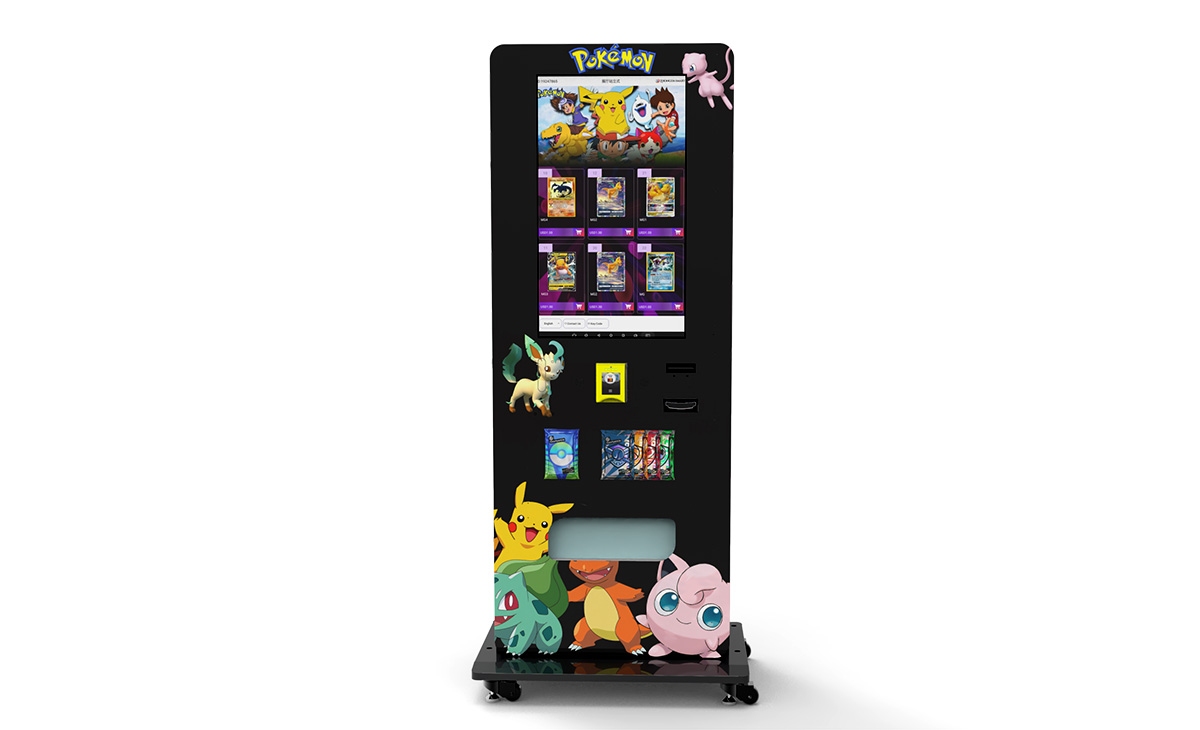
Look for a manufacturer with a track record in your market, a solid warranty, and a network of service partners. Ask about card reader compatibility, spare parts availability, and shipping times. Zhongda Smart is one supplier I have worked with that meets these criteria, but always compare multiple options before deciding.
What happens if the card reader breaks?
Sales drop significantly because most customers pay by card. Keep a spare card reader or have a service agreement with a local technician. Choose a machine that uses a widely supported payment system so you can get replacements quickly.
How can I reduce restocking and maintenance costs?
Use sales data to optimize your product mix. Stock fewer SKUs that sell well. Plan your routes efficiently to minimize travel time. Perform regular maintenance to catch small problems before they become big ones. Keep a small inventory of common spare parts on hand.
Final Thoughts From Someone Who Has Been in the Trenches
The combo vending machine with card reader is not a passive income stream. It requires work: finding locations, negotiating agreements, stocking products, cleaning the machine, troubleshooting payment issues, and handling repairs. But if you approach it with realistic expectations and a willingness to learn from mistakes, it can be a solid business. I have made bad decisions. I have bought machines that were too small, placed them in dead locations, and ignored sales data. I have also made good decisions that paid off consistently for years. The difference was preparation and persistence.
If you are serious about getting into this business, start with one machine. Learn the ins and outs before scaling. Talk to other operators. Join industry groups. Read the reports from NAMA and the European Vending Association. And when you are ready to buy your first combo vending machine with card reader, take the time to choose a supplier that supports you after the sale. That single decision will save you more headaches than anything else.
This article is based on my personal experience operating vending machines in the US and European markets. Revenue and cost figures are estimates and will vary. Always conduct your own due diligence and consult with local business advisors before making investment decisions.
本文更新于 2025年5月