Top Things You Should Know About Hot Drinks Vending Machine in 2026
If you are considering placing a hot drinks vending machine in 2026, you are looking at a segment of automated retail that has matured significantly over the last decade. I have been in this business since before contactless payments became the norm, and I can tell you that the single biggest shift is not the machine itself—it is the expectation of the end user. People now want café-quality coffee from a self-service kiosk, and they want it fast. The days of instant powder and lukewarm water are over. A modern hot drinks vending machine must deliver fresh-brewed coffee, milk frothing, and bean grinding, all within a footprint that fits a break room or a retail corner. In this article, I will walk you through what I have learned from deploying, maintaining, and sometimes pulling machines out of bad locations across Europe and North America.
Why Hot Drinks Vending Machines Are a Different Animal
Unlike snack or cold drink machines, a hot drinks vending machine involves perishable ingredients, water heating, and more complex mechanics. The profit margin per cup can be high—often between 70% and 80%—but the operational complexity is higher too. You are dealing with milk powder, coffee beans, sugar, and cup stock. If the machine is not cleaned regularly, you get complaints. If the water heater fails, you lose a day of sales. If you place it in a low-traffic location, you will never recover the cost of the machine.
I have seen operators buy cheap machines from unknown manufacturers only to spend more on vending machine repair in the first six months than they spent on the unit itself. The internal plumbing, the brewing unit, and the auger system for ingredients all need to be reliable. A machine that breaks down twice a month in a busy office building will get you evicted from the location.
What Makes a Location Profitable in 2026
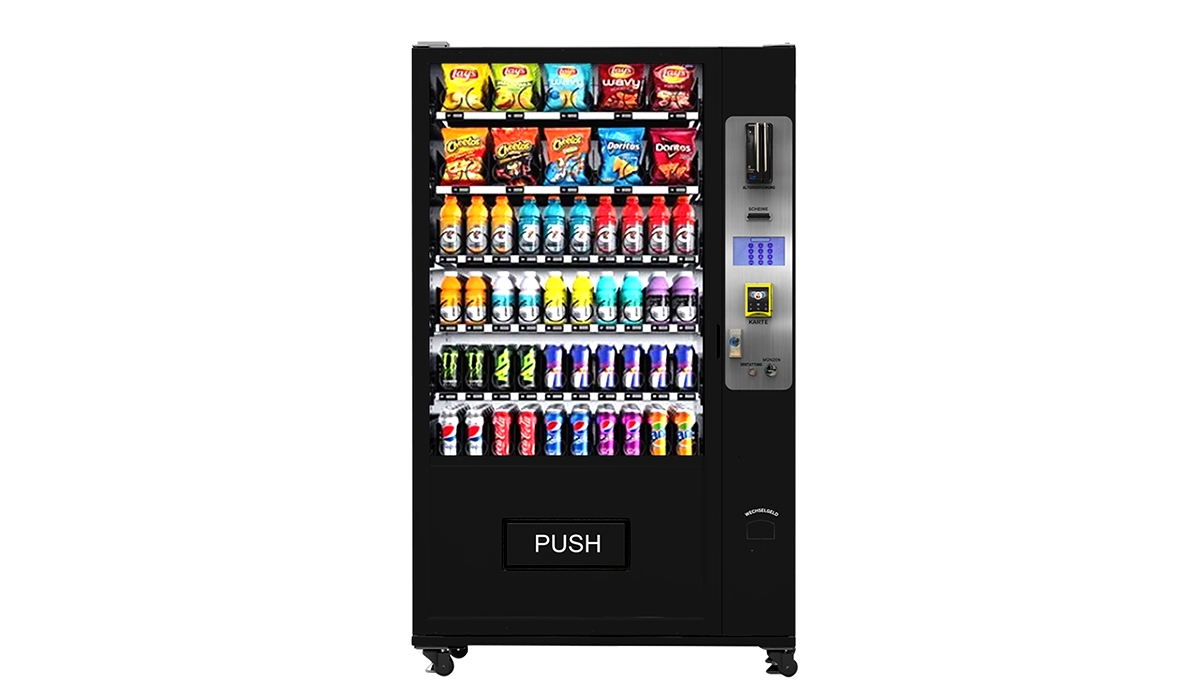
Location is everything, and I mean that literally. I have placed identical machines in two office buildings one kilometer apart and seen a 400% difference in monthly revenue. The difference was not foot traffic alone—it was the type of traffic. A manufacturing plant with 200 shift workers generated more revenue than a corporate office with 500 desk workers because the plant workers had fewer alternatives. They wanted hot drinks fast, and they bought multiple cups per shift.
In my experience, the best locations for a hot drinks vending machine in 2026 are:
- Industrial facilities and warehouses with shift workers
- Hospital staff break rooms (visitor areas also work but require more maintenance)
- University common areas and libraries
- Transport hubs like bus terminals and train stations
- Large retail stores with employee break rooms
Avoid locations where people have easy access to a café or a coffee shop within a two-minute walk. If they can get a fresh latte for two euros, they will not use your machine unless you offer something comparable at a lower price. That is a hard margin to maintain.
Initial Investment: What You Actually Need to Budget For
Let me give you real numbers based on my own deployments. A new, commercial-grade hot drinks vending machine with bean grinding and milk frothing will cost you between €6,000 and €12,000 in 2026, depending on the brand and configuration. A refurbished unit can be found for €3,000 to €5,000, but you need to factor in vending machine repair costs sooner. I have seen operators lose money on refurbished machines because the boiler or the brewing unit failed within months.
Beyond the machine itself, your initial investment includes:
- Installation and setup: €300 to €800
- First stock of ingredients: €200 to €500
- Payment system setup (contactless, mobile app): €100 to €300
- Insurance: varies by location
- Site rental or commission: often 10% to 20% of gross sales
If you are financing the machine, expect interest rates between 6% and 12% for small business equipment loans in most European markets. According to a 2025 report by Statista, the average revenue per vending machine in Western Europe was approximately €4,200 annually in 2024, but hot drink machines typically outperform snack machines by 15% to 25% in high-traffic locations.
Operating Costs and Margins: The Real Picture
The gross margin on a cup of coffee from a hot drinks vending machine is attractive. A cup that sells for €1.50 costs you roughly €0.30 to €0.45 in ingredients, cup, and lid. That is a gross margin of 70% to 80%. But you have to subtract electricity, water, cleaning supplies, and your own time or labor for restocking and maintenance.
In my experience, net margin after all operating costs lands between 35% and 50% for a well-run machine in a good location. If you are paying site commission of 15%, your net drops to 20% to 35%. That is still decent, but it means you need volume. A machine selling 50 cups per day at €1.50 generates €75 in daily revenue. After all costs, you might keep €25 to €30 per day. That is about €750 to €900 per month in profit per machine.
Here is a quick comparison table based on my experience and industry averages:
| Machine Type | Initial Cost (€) | Avg Daily Cups | Gross Monthly Revenue (€) | Est. Net Monthly Profit (€) | Typical Payback Period |
|---|---|---|---|---|---|
| Basic instant powder machine | 2,500 – 4,000 | 15 – 25 | 675 – 1,125 | 200 – 400 | 12 – 18 months |
| Bean-to-cup with milk frothing | 6,000 – 12,000 | 40 – 70 | 1,800 – 3,150 | 600 – 1,200 | 10 – 16 months |
| Premium fresh-brew with dual hopper | 10,000 – 15,000 | 60 – 100 | 2,700 – 4,500 | 900 – 1,800 | 10 – 14 months |
These numbers assume the machine is in a good location. If you place it poorly, cut all figures by half or more.
How to Choose a Supplier: What I Look For
I have worked with suppliers across Europe and Asia, and I can tell you that the cheapest machine is almost never the best value. When I evaluate a manufacturer, I look at three things: spare parts availability, technical support response time, and the quality of the brewing unit. A machine from a reputable manufacturer like Zhongda Smart typically offers solid build quality and good after-sales support, which matters more than a few hundred euros in upfront savings. If you are sourcing from overseas, make sure the supplier has a local service partner or at least a warehouse with common spare parts in your region.
Another thing I learned the hard way: always ask for the failure rate of the brewing unit and the water heater. Some manufacturers use plastic components that crack after a year. I prefer machines with stainless steel boilers and brass fittings. They cost more upfront but save you months of downtime.
The Payment System: Don't Overlook This
In 2026, if your machine does not accept contactless payments and mobile wallets, you are losing 30% to 40% of potential sales. I have seen machines in Germany that still only take coins, and they sit idle while people walk past with smartphones. The European Payments Council reported in 2024 that over 60% of in-store payments under €20 were contactless. Vending machines are no different.
Make sure your hot drinks vending machine supports at least Visa, Mastercard, Apple Pay, and Google Pay. Some operators also add local payment apps like Twint in Switzerland or Bancontact in Belgium. The extra cost for a modern payment terminal is around €200 to €400, and it pays for itself in two to three months.
Maintenance and Cleaning: The Hidden Workload
This is where most new operators fail. A hot drinks vending machine needs daily or every-other-day cleaning. Milk residue builds up fast. Coffee oils clog the brewing unit. If you do not clean the machine regularly, the taste degrades, and customers stop buying. I have lost locations because the previous operator let the machine get dirty, and the site manager blamed all vending machines.
Plan for at least 30 minutes per machine per week for cleaning and basic inspection. If you have ten machines, that is five hours of labor. You can either do it yourself or hire a part-time service person. Some operators use remote monitoring systems that alert them when ingredient levels are low or when the machine needs a cleaning cycle. That is a worthwhile investment if you have more than five machines.
According to data from IBISWorld, the average vending machine operator in Europe spends 15% to 20% of their gross revenue on maintenance and restocking labor. For hot drink machines, that figure is at the higher end due to perishable ingredients.
Common Mistakes I See New Operators Make
I have been doing this long enough to have made most of these mistakes myself. Here are the ones I see most often:
- Buying a machine before securing a location. You end up with a machine sitting in your garage while you search for a site. Always secure the location first.
- Underestimating the cost of vending machine repair. A single service call can cost €150 to €300. If your machine breaks down three times a year, that is nearly €1,000 in repairs alone.
- Choosing a location based on foot traffic alone. Foot traffic is not the same as buying intent. A train station with 10,000 daily passengers might generate fewer coffee sales than a warehouse with 200 workers if the passengers are in a hurry and the workers have time for a break.
- Ignoring the importance of cup quality. A bad cup can ruin the entire experience. Spend the extra cent on a double-walled paper cup with a lid.
- Not testing the water quality. Hard water will scale up your boiler and ruin your machine within a year. Install a water filter if needed.
How to Evaluate a Machine Before You Buy
If you are looking at a used machine, run a full cycle test. Make five cups in a row and check the temperature, the foam quality, and the consistency. Listen for unusual noises from the pump or the grinder. Check the inside of the water tank for scale. If the seller cannot demonstrate the machine working, walk away.
For new machines, ask for a reference list of operators who have been using the same model for at least two years. Call them. Ask about failure rates and service costs. A manufacturer that is unwilling to provide references is hiding something.
Self-Operate vs. Lease vs. Revenue Share
Most operators I know start by buying their own machines. Leasing is available but usually costs more in the long run. Revenue share models exist where a third party places the machine and splits the revenue with you, but the terms are often unfavorable for the site owner. If you own the location, buying the machine yourself gives you full control and the best margins.
If you are a location owner considering allowing a vending machine operator to place a machine on your premises, negotiate a commission of 10% to 15% of gross sales. Anything above 20% is rare unless the location has extremely high traffic. I have seen site owners demand 30% and then wonder why no operator is interested.
When to Pull a Machine and Cut Your Losses
This is a hard lesson. I have kept machines in bad locations for too long because I hoped things would improve. They rarely do. If a machine is not generating at least €400 in monthly gross revenue after six months, move it. The cost of restocking, cleaning, and potential repairs will eat up any profit. A machine that fails in one location might do well in another. I have relocated machines from a quiet office park to a busy hospital and seen revenue triple within a month.
FAQ: Common Questions from New Operators
Are hot drinks vending machines profitable?
Yes, if placed in a high-traffic location with limited alternatives. Net profit per machine typically ranges from €200 to €1,200 per month, depending on location, pricing, and operating costs. I have seen machines in excellent locations generate over €2,000 per month in net profit.
How much does a hot drinks vending machine cost?
A new commercial-grade bean-to-cup machine costs between €6,000 and €12,000. Refurbished machines range from €3,000 to €5,000 but carry higher repair risk. Budget an additional €1,000 to €2,000 for installation, payment systems, and initial stock.
How long does it take to recoup the investment?
In a good location, payback is typically 10 to 18 months. In average locations, it can stretch to 24 months or more. I always advise new operators to plan for 18 months and be pleasantly surprised if it comes sooner.
Should I buy or lease a vending machine?
Buying gives you better margins and full control. Leasing can be useful if you want to test the business with minimal upfront capital, but the total cost over three years is usually higher. If you have the capital, buy.
Where should I place a hot drinks vending machine?
Industrial facilities, hospitals, universities, transport hubs, and large retail employee areas are the best locations. Avoid locations with a café within a two-minute walk. Always secure the location before buying the machine.
What permits do I need in Europe?
Requirements vary by country. In France, you need a déclaration d'activité for food sales and must comply with hygiene regulations. In Germany, you need a Gewerbeanmeldung and must follow the Lebensmittelhygieneverordnung. Check with your local chamber of commerce or trade office. A good starting point is the EU Food Safety guidelines.
How do I choose a supplier?
Look for a manufacturer with a proven track record, local spare parts availability, and responsive technical support. Ask for references and call them. I have had good experiences with Zhongda Smart for their build quality and after-sales service, but always do your own due diligence.
What happens if the machine breaks down?
You need a service plan. Either learn basic repairs yourself or have a contract with a local technician. Most common failures are related to the brewing unit, water heater, or payment system. Keep spare parts like a pump, a heating element, and a control board on hand if you have multiple machines.
How can I reduce restocking and maintenance costs?
Use remote monitoring systems to track ingredient levels and sales data. This allows you to restock only when necessary. Standardize your ingredients across all machines to simplify inventory. Clean the machine regularly to prevent costly repairs. A well-maintained machine has a much lower failure rate.
Final Thoughts from the Field
Running a hot drinks vending machine business in 2026 is not a passive income scheme. It requires attention to detail, a willingness to get your hands dirty, and the discipline to move machines when they underperform. But for operators who treat it like a real business—who clean the machines, choose locations carefully, and invest in quality equipment—it can be a solid source of recurring revenue. I have seen operators build profitable small chains with ten to twenty machines, earning a comfortable living. I have also seen people lose money because they bought cheap machines and placed them in bad spots. The difference is almost always in the preparation and the ongoing maintenance. If you are serious about getting into this space, start small, learn the operational side, and scale only when you have a system that works.
This article was updated in January 2026. The information reflects my personal experience operating vending machines in Europe and North America over the past decade. Individual results vary based on location, equipment, and market conditions. Always conduct your own research and consult local regulations before making investment decisions.