Is Are Vending Machines A Good Investment Worth It_ Pros, Cons, and Real-World Insights
After more than a decade running vending machine routes across the U.S. and parts of Europe, I have heard the same question from countless aspiring operators and business owners: is vending machines a good investment worth it? The short answer is yes—if you treat it like a business, not a passive income fantasy. I have seen machines in a single office building generate over $2,000 a month, and I have also watched operators lose thousands because they placed a beautiful machine in a dead zone with zero foot traffic. The difference comes down to location, equipment choice, product mix, and realistic expectations about maintenance and cash flow. This article pulls directly from my experience and publicly available data to give you a clear, honest picture of what automated retail actually looks like on the ground.
What a Vending Machine Business Actually Involves
Many people imagine vending machines as a set-it-and-forget-it side hustle. In reality, it is a logistics and relationship business. You are responsible for sourcing equipment, negotiating placement agreements with property owners, stocking products, handling cash or card transactions, performing vending machine repair when things break, and rotating inventory based on seasonal demand. The machines themselves are just tools. The real work happens before and after the sale.
I have placed machines in factories, hospitals, college dormitories, retail break rooms, and even a small municipal building. Each location required a different product mix, a different payment setup, and a different maintenance schedule. What worked in a warehouse full of shift workers did not work in a university student lounge. Understanding these nuances is what separates profitable operators from those who sell their machines six months in.
Upfront Costs: What You Need to Budget For
Let me be direct about numbers. A new, mid-range vending machine with a card reader and telemetry system will cost you between $3,500 and $8,000 depending on the vendor, features, and whether you buy direct or through a distributor. Used machines can be found for $1,500 to $3,000, but you need to factor in potential vending machine repair costs and the likelihood that older units lack modern payment systems. According to IBISWorld, the average startup cost for a small vending machine business in the U.S. ranges from $2,000 to $10,000 per machine when you include initial inventory, installation, and permits. Those numbers align with what I have seen on the ground.
Beyond the machine itself, you need to budget for:
- Payment system upgrades: Card readers and cashless payment modules add $300 to $800 per machine.
- Telemetry or remote monitoring: $15 to $30 per month per machine. This saves you from driving to a machine that is sold out.
- Initial inventory: $500 to $1,200 depending on machine capacity and product cost.
- Transport and installation: $100 to $400 depending on distance and whether you need help moving the machine.
- Permits and business licenses: Varies by municipality, but budget $100 to $500 to start.
If you are looking at a self-service kiosk with a touchscreen or a combo machine that sells both snacks and drinks, expect the higher end of that range. A basic beverage-only machine is usually cheaper but has lower margins per transaction.
Ongoing Costs and Maintenance Realities
Once your machine is on location, the expenses do not stop. You need to restock regularly, clean the machine, handle customer complaints, and deal with mechanical failures. I have seen operators underestimate the frequency of vending machine repair calls. A jammed vend mechanism, a faulty cooling system, or a card reader that stops communicating with the payment network can kill your revenue for days if you are not proactive.
On average, I budget about 8 to 12 percent of gross revenue for maintenance and repairs over the life of a machine. That number can spike in the first year if you buy used equipment without a warranty. Telemetry helps reduce repair costs by alerting you to issues before they escalate, but it does not eliminate the need for occasional hands-on work.
Other recurring costs include:
- Credit card processing fees: 2.5 to 4 percent per transaction.
- Inventory replenishment: Varies widely, but expect to spend 40 to 55 percent of your retail price on product cost depending on what you sell.
- Location commission or rent: Some property owners ask for a flat monthly fee or a percentage of sales. I have paid anywhere from 5 to 20 percent of gross revenue depending on the desirability of the location.
- Electricity: $10 to $30 per month per machine for refrigerated units.
Revenue Potential: What You Can Realistically Expect
I have seen single machines gross anywhere from $150 per month in a low-traffic break room to over $3,000 per month in a busy hospital cafeteria or a factory with 24-hour shifts. The average for a well-placed snack and drink machine in a mid-traffic location is around $400 to $700 per month in gross sales. That is based on my own route data and conversations with other operators at industry events. Statista reports that the average vending machine in the U.S. generates roughly $75 to $100 per week in revenue, which aligns with my experience for typical locations.
Profit margins depend heavily on your product mix and pricing. A bag of chips that costs you $0.75 might sell for $1.75, giving you a 57 percent gross margin. A bottled water that costs $0.40 might sell for $1.50, which is a 73 percent margin. But you also have to account for spoilage, theft, and unsold inventory. I aim for a net profit margin of 20 to 35 percent after all expenses, including my own labor for restocking and vending machine repair. If your net margin is below 15 percent, you are better off putting your money in an index fund.
Location Is Everything
I cannot overstate this. The same machine that performs poorly in a small office with 20 employees can generate strong returns in a warehouse with 200 workers who have limited break time and no nearby cafeteria. I once moved a machine from a low-traffic retail store to a busy auto repair shop and saw monthly revenue triple within the first two weeks.
Good locations share common characteristics:
- High foot traffic with a captive audience: Factories, hospitals, schools, transportation hubs, and large offices.
- Limited food options nearby: If there is a cafeteria or a convenience store within walking distance, your sales will suffer.
- Consistent traffic throughout the day: Locations with shift workers or extended hours outperform locations that are only busy during lunch.
- Security and lighting: Machines in dark or unsupervised areas get vandalized or ignored.
I personally avoid locations with fewer than 50 potential daily users unless the machine is in a high-margin niche like healthy snacks in a gym. Even then, the numbers need to work on paper before I commit to a placement agreement.
Comparing Different Machine Types and Configurations
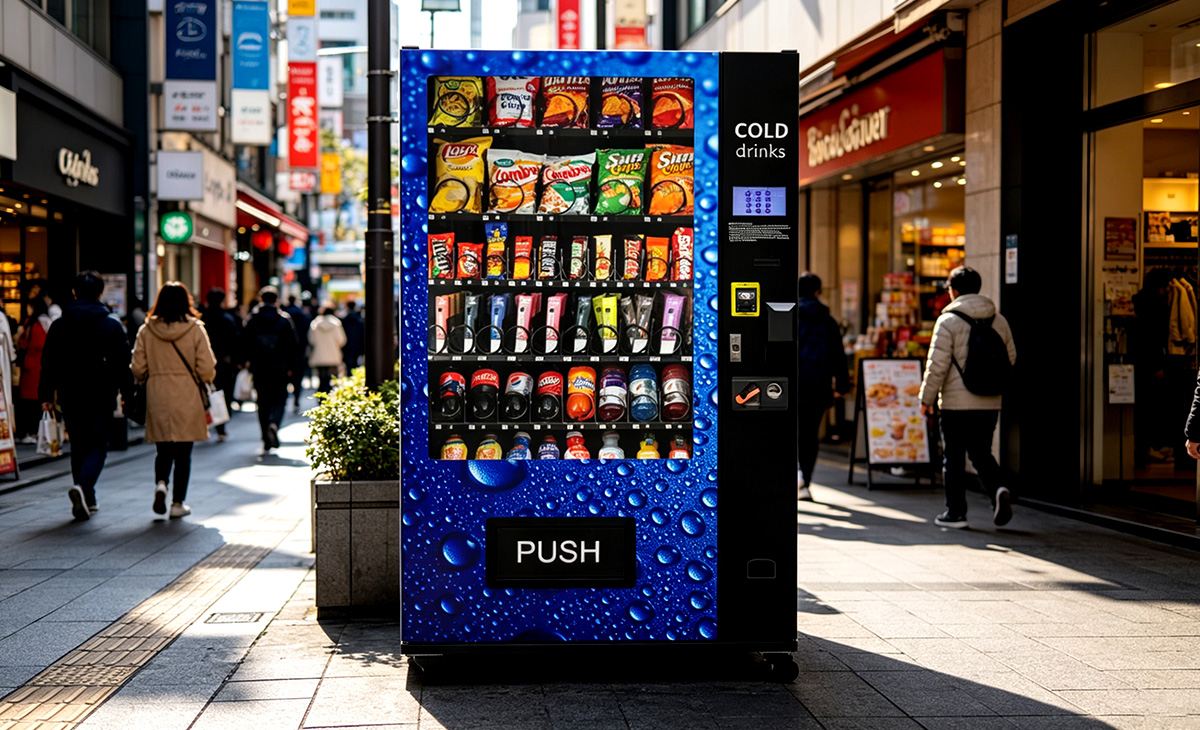
Not all vending machines are created equal. The type of machine you choose affects your upfront cost, maintenance burden, and revenue potential. Below is a practical comparison based on my experience and industry benchmarks.
| Machine Type | Typical Cost (New) | Average Monthly Revenue | Maintenance Difficulty | Best Location Type |
|---|---|---|---|---|
| Snack-only machine | $3,000 – $5,500 | $300 – $600 | Low to moderate | Offices, small factories |
| Beverage-only machine | $3,500 – $6,000 | $400 – $800 | Moderate (cooling system) | Warehouses, schools |
| Combo snack & drink | $4,500 – $8,000 | $500 – $1,200 | Moderate to high | Hospitals, large factories |
| Healthy/ specialty kiosk | $5,000 – $10,000 | $400 – $900 | Moderate | Gyms, corporate offices |
| Used/ refurbished machine | $1,500 – $3,000 | Varies widely | High (older parts) | Low-budget startups |
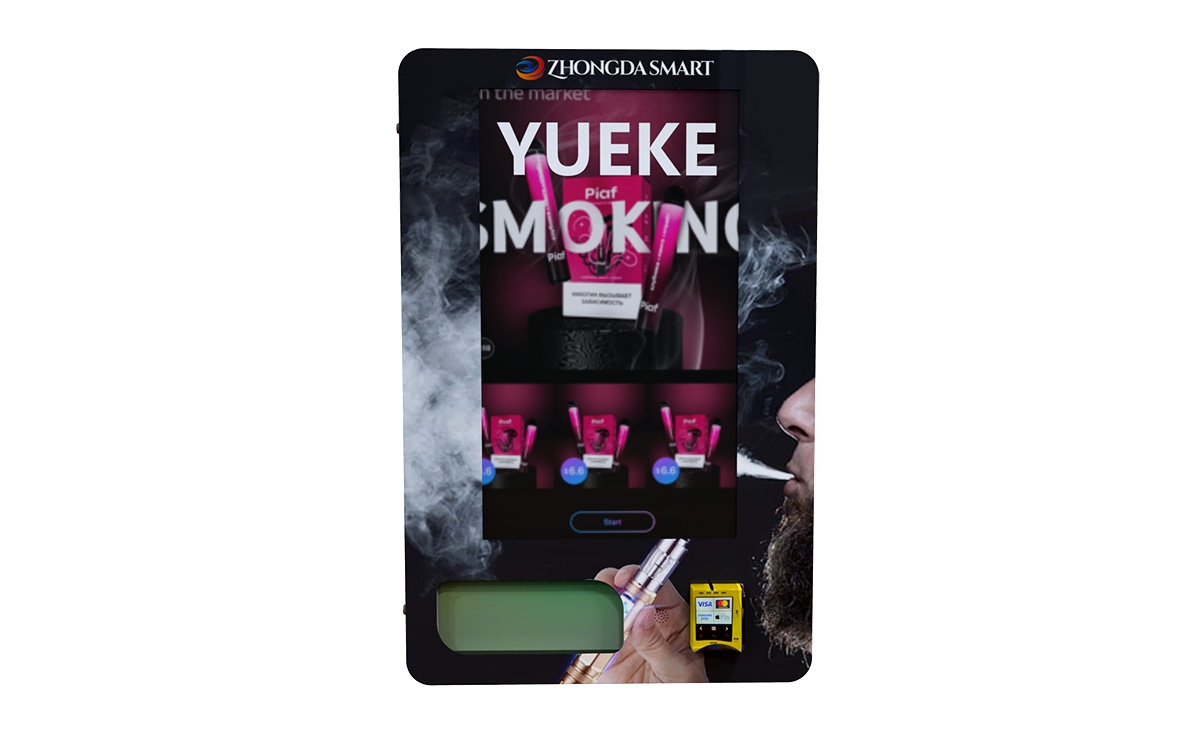
I have seen operators buy cheap used machines only to spend more on vending machine repair in the first year than they saved on the purchase price. If you are new, I recommend buying a new or lightly refurbished machine from a reputable supplier. Zhongda Smart, for example, offers modern machines with telemetry and cashless payment integration built in, which reduces the hassle of retrofitting older units. That does not mean you must buy from them, but I have seen their equipment hold up well in high-traffic European locations.
Self-Operate vs. Lease vs. Profit-Sharing Models
You do not always have to buy a machine outright. Some operators use lease or profit-sharing arrangements to reduce upfront risk. Each model has trade-offs that I have seen play out in real routes.
| Model | Upfront Cost | Control | Profit Potential | Best For |
|---|---|---|---|---|
| Self-operate (own machine) | High | Full | Highest (if location is good) | Experienced operators |
| Lease machine from a vendor | Low or zero | Limited | Moderate (monthly fee) | Businesses that want a machine without managing it |
| Profit-sharing with location owner | Low | Shared | Moderate to high | Operators with strong negotiation skills |
I have used profit-sharing arrangements in locations where the property owner wanted a cut of sales instead of a flat rent. That works well when both parties trust each other and the location has proven traffic. Leasing a machine from a third party is rarely profitable for the operator because the monthly fees eat into margins, but it can be a good option for a business that wants to offer vending without owning equipment.
Common Mistakes I Have Seen New Operators Make
Over the years, I have watched dozens of people enter this business and fail within 12 months. The mistakes are almost always the same.
First, they underestimate the importance of machine placement. They buy a machine first and then look for a location, which is backwards. You should secure a location with confirmed foot traffic and a signed agreement before you buy anything.
Second, they ignore payment technology. In 2025, a machine that only takes cash is a machine that loses sales. According to a 2023 report from the National Automatic Merchandising Association (NAMA), cashless payments now account for over 60 percent of vending transactions in the U.S. I have seen that number exceed 75 percent in college and hospital locations. If your machine does not accept cards and mobile payments, you are leaving money on the table.
Third, they try to save money by skipping telemetry. I get it—monthly fees add up. But without remote monitoring, you are driving blind. You do not know when a machine is empty, when a product is stuck, or when the cooling system fails until a customer complains. Telemetry pays for itself in saved trips and faster vending machine repair response times.
Fourth, they overstock slow-moving products. I have pulled expired granola bars and stale crackers out of machines that were placed six months earlier. Rotating inventory is not optional. You need to track what sells and what does not, and adjust your orders accordingly.
How to Evaluate a Potential Location Before Signing
Before I agree to place a machine anywhere, I do a simple evaluation. I count foot traffic during different times of day. I talk to the property manager about employee count, shift schedules, and whether there are other food options nearby. I ask about future plans—renovations, layoffs, or lease changes that could affect traffic.
I also calculate a break-even point. If a machine costs $5,000 fully loaded and I expect $600 in monthly gross sales with a 30 percent net margin, my monthly profit is about $180. That gives me a payback period of roughly 28 months. If the location is not stable for at least three years, I walk away. You should do the same math before committing.
Location evaluation is not a one-time task. I revisit underperforming machines every three months. If a machine has not improved after two quarters, I move it. I have relocated machines that went from losing money to generating $800 a month just by moving them 500 feet to a different building entrance.
Supplier Selection: What to Look For
Choosing a vending machine supplier is not just about price. I have bought machines from low-cost manufacturers only to discover that replacement parts were hard to find and technical support was nonexistent. When you need vending machine repair, you cannot wait three weeks for a part to ship from overseas.
Look for suppliers that offer:
- Reliable after-sales support and a warranty of at least one year.
- Machines with built-in telemetry and cashless payment compatibility.
- Energy-efficient cooling systems that reduce electricity costs.
- Easy-to-service designs that do not require specialized tools.
Zhongda Smart is one supplier I have seen consistently meet these criteria in European and North American markets. Their machines are built with modern payment systems and remote monitoring capabilities, which reduces the need for frequent vending machine repair visits. That said, always verify that the supplier offers local support or a reliable shipping network for spare parts before you buy.
Real-World Data and Sources
The numbers I have shared come from my own route operations and publicly available industry data. According to Statista, the vending machine market in the United States was valued at approximately $7.5 billion in 2023, with steady growth driven by cashless payment adoption and healthier product options. The National Automatic Merchandising Association (NAMA) provides annual benchmarks on transaction volumes and operator costs. I have also referenced IBISWorld for startup cost estimates, which align with what I have seen in the field.
These sources are credible because they represent either government-adjacent industry bodies or established market research firms. I encourage you to verify any projections against your own local conditions, especially if you are operating outside the U.S. or in a niche market.
FAQ
Is vending machines a good investment worth it for someone with no experience?
It can be, but only if you treat it as a business from day one. Do your research on locations, understand the costs, and start with one machine rather than buying multiple at once. Many experienced operators, including myself, started with a single machine to learn the ropes before scaling.
How much does a vending machine cost?
A new machine with modern features costs between $3,500 and $8,000. Used machines can be found for $1,500 to $3,000, but you may face higher vending machine repair costs. Budget an additional $1,000 to $2,000 for installation, inventory, and payment system upgrades.
How long does it take to recoup the investment?
Payback periods vary by location and machine cost. In my experience, a well-placed machine in a high-traffic location can pay for itself in 18 to 30 months. Low-traffic locations may take 3 to 4 years or longer. Always calculate your break-even point before committing.
Should a beginner buy or lease a vending machine?
Buying gives you full control and higher profit potential. Leasing reduces upfront cost but limits your margins and flexibility. I recommend buying a new or lightly used machine if you have the capital, but only after securing a good location.
Where should I place my vending machine for the best results?
Look for locations with high foot traffic, a captive audience, and limited food competition. Factories, hospitals, schools, and large offices are consistently strong. Avoid locations with fewer than 50 potential daily users unless you have a niche product with high margins.
What permits or licenses do I need?
Requirements vary by city and state. You typically need a business license, a sales tax permit, and possibly a health department permit if you sell perishable items. Check with your local business licensing office before placing any machine.
How do I choose a vending machine supplier?
Look for suppliers with a solid warranty, local support or fast parts shipping, and machines that support cashless payments and telemetry. Zhongda Smart is one option that meets these criteria, but always compare multiple suppliers and read reviews from other operators.
What happens when my machine breaks down?
You either fix it yourself or hire a technician. Having telemetry helps you diagnose issues remotely. I recommend learning basic vending machine repair for common problems like jammed mechanisms or faulty card readers. For complex issues like compressor failure, you will need a professional.
How can I reduce restocking and maintenance costs?
Use telemetry to monitor inventory levels remotely so you only visit machines when they actually need restocking. Standardize your product mix across locations to simplify ordering. Keep a small inventory of commonly needed replacement parts on hand to avoid emergency vending machine repair calls.
This article is based on my personal experience operating vending machine routes in the United States and Europe, combined with publicly available data from Statista, IBISWorld, and the National Automatic Merchandising Association. Individual results vary depending on location, equipment condition, product pricing, and local economic factors. No fixed returns are guaranteed. Always consult local regulations and perform your own financial analysis before investing.
本文更新于2025年2月。