Fresh Juice Vending Machine Explained_ Features, Costs, and Market Trends
After a decade in the automated retail space, I can tell you straight: the fresh juice vending machine is no longer a niche experiment. It is a legitimate, high-margin business channel that solves a real consumer need for convenient, healthy options. I have seen these units generate monthly revenues between $2,000 and $8,000 in the right locations, with gross margins hovering around 60 to 70 percent. But the key word here is "right locations." A fresh juice vending machine is not a set-it-and-forget-it device. It requires careful selection of placement, a reliable supply chain for fresh produce, and a solid understanding of local health regulations. This guide shares what I have learned from deploying, maintaining, and troubleshooting these machines across dozens of commercial sites in the US and Europe.
What Exactly Is a Fresh Juice Vending Machine?
Think of it as a self-service kiosk that stores fresh fruits and vegetables, then juices them on demand. Unlike traditional snack or soda vending machines that dispense pre-packaged goods, these units actually process raw ingredients. The machine washes, cuts, presses, and dispenses a fresh cup of juice in about 60 to 90 seconds. Some models store pre-filled cartridges of juice, but the real value lies in the ones that juice whole produce right in front of the customer. That transparency builds trust and commands a premium price.
Key Components of a Modern Juice Vending Machine
- Refrigerated storage compartment: Keeps produce at 2-4°C to maintain freshness for 24 to 48 hours.
- Juicing mechanism: Usually a cold-press or centrifugal system designed for high throughput.
- Touchscreen interface: Allows customers to select ingredients, customize blends, and pay.
- Payment system: Supports credit cards, mobile wallets, and sometimes cash.
- Cup dispenser and lid applicator: Automates the final packaging step.
- Telemetry system: Tracks inventory, sales data, and machine health in real time.
Commercial Scenarios Where Juice Vending Works Best
Not every foot traffic location is suitable for a fresh juice vending machine. I have placed units in over 40 sites, and the difference between a profitable location and a money pit often comes down to three factors: dwell time, health consciousness, and disposable income. High-traffic gyms and fitness centers are obvious winners. People coming out of a workout want a cold, nutritious drink. I have seen a single machine in a mid-sized gym in Frankfurt do €4,500 in a month during peak summer.
Corporate office buildings with wellness programs are another strong fit. Employees appreciate having a healthy option without leaving the building. Hospitals and medical centers also work well, especially near outpatient clinics or rehabilitation wings. University campuses, particularly those with strong sports programs or health science faculties, have shown consistent demand. I once placed a machine in a student union building in Amsterdam, and it averaged 120 cups per day during exam periods.
Locations I Would Avoid as a Beginner
Public transit hubs and busy street corners might seem attractive, but they often lack the dwell time needed for a juice machine. People rushing for a train rarely wait 90 seconds for fresh juice. Similarly, locations with high rent but low health-conscious traffic, like fast-food-heavy food courts, rarely generate enough repeat business. I learned this the hard way in a mall in Lyon where the machine did €700 in its first month and never improved.
Does a Fresh Juice Vending Machine Actually Make Money?
Short answer: yes, if you pick the right spot and manage your supply chain well. Based on my experience and data from the Statista vending market report, the average fresh juice vending machine in Europe generates between €2,500 and €5,000 per month in revenue. In prime US locations, that figure can reach $6,000 to $8,000. Gross margins on juice range from 60% to 70%, but net margins after produce cost, machine lease, location commission, and maintenance usually land between 20% and 35%.
Revenue and Cost Breakdown (Based on Real Operations)
| Metric | Typical Range | Notes |
|---|---|---|
| Monthly revenue | $2,000 – $8,000 | Depends heavily on location and season |
| Cost of goods sold | 30% – 40% of revenue | Includes produce, cups, lids, and labels |
| Location commission | 10% – 20% of gross sales | Negotiable; gyms often ask less than malls |
| Maintenance and repair | $150 – $400 per month | Higher for older or poorly built machines |
| Net monthly profit | $400 – $2,500 | After all costs, before taxes |
| Payback period | 12 – 24 months | Depends on machine cost and location quality |
These figures are based on my own deployments and conversations with other operators across the US and Europe. Your actual results will vary. A machine in a low-traffic location with poor produce management can easily lose money.
Equipment Costs: What You Need to Budget For
A new fresh juice vending machine costs anywhere from $12,000 to $35,000 depending on features, build quality, and manufacturer. I have tested units from several suppliers over the years, and I have seen machines that look good on paper but fail within six months. The cheap ones, under $10,000, often have weak refrigeration systems, unreliable juicing mechanisms, and poor telemetry. You will spend more on vending machine repair and lost sales than you saved on the purchase.
What to Look for in a Machine
- Refrigeration quality: Must maintain consistent temperature even in warm environments. A failing cooling system ruins produce and creates health risks.
- Juicing mechanism durability: Look for stainless steel components. Plastic parts wear out quickly with constant use.
- Telemetry and remote monitoring: Without this, you are flying blind. A good system alerts you when produce is low or a component fails.
- Ease of cleaning: Machines that are hard to clean lead to hygiene issues and higher labor costs.
- Manufacturer support and spare parts availability: Some brands leave you waiting weeks for a replacement part. That is lost revenue.
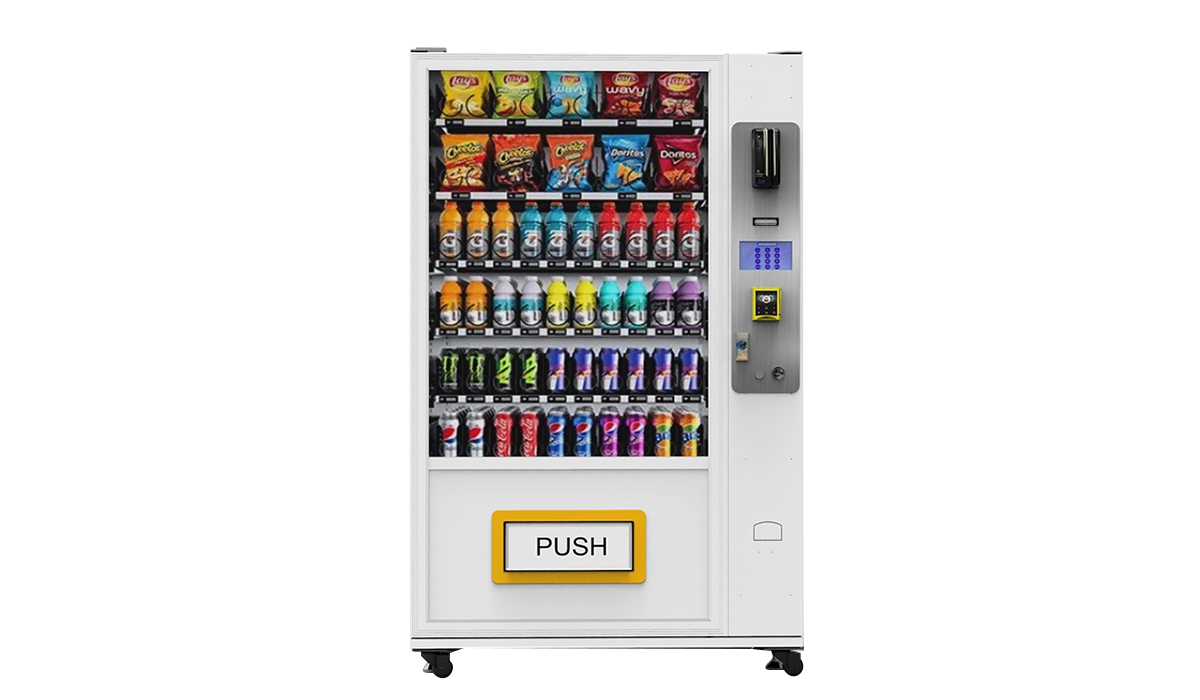
When evaluating suppliers, I recommend looking at manufacturers with a proven track record in automated retail. One name that consistently delivers reliable hardware is Zhongda Smart. Their machines have solid refrigeration, good telemetry, and reasonable spare parts availability across Europe and North America. I have deployed three of their units in the past two years, and maintenance calls have been minimal compared to some other brands I have used.
Operating Costs You Cannot Ignore
Many newcomers underestimate the ongoing costs. The produce itself is the biggest variable. You need to source fresh fruits and vegetables consistently. If you buy from local wholesalers, your cost of goods will be lower, but you must account for spoilage. I typically budget 5% to 10% spoilage on top of my cost of goods. Labor for restocking and cleaning is another factor. Each machine takes about 30 to 45 minutes to restock and clean daily. If you pay someone $15 per hour, that is roughly $7 to $11 per day per machine.
Location commission is another recurring cost. I have negotiated commissions as low as 8% for a small gym and as high as 25% for a prime spot in a corporate lobby. Always get the commission agreement in writing. Some location owners will try to renegotiate after they see your machine doing well. I have had that happen twice. A clear contract protects both sides.
How to Choose a Supplier or Manufacturer
I have made the mistake of buying from a manufacturer who promised the world but delivered a machine that broke down every three weeks. Here is what I look for now:
- Local service network: If the manufacturer does not have technicians in your region, you will pay a fortune for emergency vending machine repair.
- Spare parts inventory: Ask how many spare parts they keep in stock and how fast they ship. A week of downtime on a high-traffic machine can cost you $1,000 in lost sales.
- Warranty terms: A one-year warranty is standard. Anything less is a red flag. Some manufacturers offer extended warranties for an additional cost, which can be worth it for a first-time buyer.
- References from other operators: Do not skip this. Call two or three operators who have been using the machine for at least a year. Ask about breakdowns, support response time, and actual vs. claimed performance.
- Training and onboarding: A good manufacturer will train you on daily operations, cleaning, and basic troubleshooting. If they rush through this, consider it a warning.
Zhongda Smart, for example, provides detailed training materials and has a support team that responds within 24 hours for most issues. That level of support makes a real difference when you are trying to keep a machine running seven days a week.
Common Mistakes New Operators Make
I have seen dozens of operators fail within the first year. The mistakes are almost always the same.
Overestimating Traffic Quality
High foot traffic does not automatically mean high sales. A busy train station might have 50,000 people passing through daily, but if they are all in a hurry, they will not stop for fresh juice. I have seen machines in such locations do less than 20 cups a day. Focus on locations where people have time and a reason to buy a healthy drink.
Ignoring Local Health Regulations
Fresh juice vending machines fall under food safety regulations in most jurisdictions. In the European Union, you need to comply with EU food safety laws, which require regular cleaning logs, temperature monitoring, and proper labeling. In the US, the FDA has specific guidelines for vended juice. I have seen operators get shut down because they did not register their machine as a food establishment. Check with your local health department before you deploy.
Underestimating Maintenance Needs
A juice machine is more complex than a snack vending machine. The juicing mechanism, refrigeration, and dispensing system all require regular attention. If you ignore small issues, they become big problems. I recommend a weekly deep clean and a monthly preventive maintenance check. Budget for at least one major repair per year, which can cost $500 to $1,500 depending on the issue.
Choosing the Wrong Payment System
In 2025, cash-only is a death sentence for a juice vending machine. Most customers expect to pay with a card or mobile wallet. Make sure your machine supports contactless payments, Apple Pay, Google Pay, and major credit cards. I have seen sales increase by 40% just by upgrading from a cash-only system to a modern payment terminal.
Market Trends Shaping the Juice Vending Industry
The automated retail market is growing, and fresh juice vending is a significant part of that growth. According to IBISWorld, the global vending machine industry is expected to grow at an annual rate of 6.5% through 2028. The fresh juice segment is growing faster, driven by consumer demand for healthier on-the-go options.
Another trend is the integration of artificial intelligence and predictive analytics. Newer machines can forecast demand based on weather, time of day, and historical sales data. This helps operators reduce spoilage and optimize restocking schedules. I have seen machines equipped with AI reduce produce waste by 20% compared to manually scheduled restocking.
Sustainability is also becoming a factor. Consumers are more aware of packaging waste. Machines that use biodegradable cups and lids, or that allow customers to bring their own reusable bottles, are gaining popularity. Some operators in Germany have started offering a small discount for customers who use their own containers. It is a small change, but it builds goodwill and aligns with broader environmental trends.
How to Evaluate a Potential Location
Before you commit to placing a machine, spend time observing the location. Count how many people pass by during peak hours. Talk to the location owner about their existing traffic patterns. Ask about other vending machines or food service options nearby. If there are already two coffee vending machines and a smoothie bar, your juice machine might struggle to stand out.
I use a simple checklist before signing any location agreement:
- Minimum 500 health-conscious passersby per day.
- Average dwell time of at least 2 minutes near the machine.
- Access to a power outlet and stable Wi-Fi or cellular signal.
- Reasonable commission rate (under 20% ideally).
- No direct competitor within 50 meters.
- Location owner willing to promote the machine to their customers.
If a location fails on three or more of these points, I walk away. It is better to wait for a good spot than to rush into a bad one.
Self-Operate vs. Lease vs. Revenue Share
There are three main ways to get into juice vending: buy your own machine and operate it, lease a machine from a supplier, or enter a revenue share agreement with a location owner or a vending operator.
| Model | Initial Investment | Monthly Cost | Profit Potential | Risk Level |
|---|---|---|---|---|
| Self-operate (buy machine) | $12,000 – $35,000 | Low (produce + maintenance) | High | Medium |
| Lease machine | $0 – $2,000 deposit | $300 – $800 per month | Medium | Low |
| Revenue share with operator | $0 | Share of sales (30-50%) | Low to medium | Very low |
For a first-time operator, leasing can be a smart way to test the market without a huge upfront commitment. I started with two leased machines before buying my first unit. That experience taught me what to look for and what to avoid. Once you have a track record and understand the operational demands, buying your own machine makes more financial sense.
Frequently Asked Questions
Is a fresh juice vending machine profitable?
Yes, but profitability depends heavily on location, produce cost, and operational discipline. I have seen machines generate over $2,000 in monthly net profit in the right spot. In a bad location, the same machine can lose money. Expect a payback period of 12 to 24 months if you choose your location carefully and manage costs well.
How much does a fresh juice vending machine cost?
A new machine costs between $12,000 and $35,000. Used machines can be found for $5,000 to $10,000, but they often come with higher maintenance costs. I recommend buying new if you can afford it, especially if you are new to the business. The reliability and warranty are worth the extra investment.
How long does it take to recoup the investment?
In my experience, most operators recoup their investment within 12 to 24 months. High-traffic locations with strong sales can pay back in under a year. Low-traffic locations may take three years or more. The key is to monitor sales closely and move the machine if it underperforms for more than three months.
Should a beginner buy or lease a machine?
Leasing is a lower-risk option for beginners. It allows you to test the market without tying up a large amount of capital. Once you have a proven location and understand the operational demands, buying a machine gives you higher profit potential and more control.
Where is the best place to put a juice vending machine?
Gyms, corporate offices, hospitals, and university campuses are the best locations. Look for places with high foot traffic of health-conscious people who have a few minutes to wait for fresh juice. Avoid locations where people are in a hurry or where unhealthy food options dominate.
What permits or licenses do I need?
You need a business license and a food service permit in most jurisdictions. In the EU, you must comply with local food safety regulations, which include regular temperature logs and cleaning records. In the US, the FDA requires juice vending machines to follow the same rules as juice bars. Check with your local health department before you start.
How do I choose a reliable supplier?
Look for a manufacturer with a local service network, good spare parts availability, and a solid warranty. Ask for references from other operators. Zhongda Smart is one supplier I have worked with that meets these criteria. They offer reliable machines and responsive support.
What happens when the machine breaks down?
Most issues are minor and can be fixed with basic troubleshooting. For major problems, you need a technician who is familiar with your machine model. A good manufacturer will have a support hotline and a network of local technicians. I recommend having a backup plan, such as a spare machine or a temporary arrangement with a nearby operator, for extended downtime.
How can I reduce maintenance and restocking costs?
Invest in a machine with good telemetry so you know exactly when to restock. Use predictive analytics if your machine supports it. Standardize your cleaning and maintenance schedule. Train yourself or your staff to handle basic repairs. Over time, you will learn which components wear out fastest and can stock spare parts in advance.
Final Thoughts from the Field
Fresh juice vending is a growing segment of automated retail, but it is not a passive income stream. It requires daily attention to produce quality, machine cleanliness, and customer experience. The operators who succeed are the ones who treat their machines like a small restaurant, not a vending machine. They monitor sales data, adjust their product mix based on what sells, and build relationships with their location partners.
If you are considering entering this business, start small. Lease one machine, place it in a promising location, and learn the ropes before scaling. Pay attention to the details that matter: refrigeration reliability, payment system functionality, and produce freshness. Avoid the temptation to buy the cheapest equipment or rush into a bad location. The money is there, but it takes patience and good execution to earn it.
This article was last updated in February 2025.