Is Orange Juice Vending Machine Worth It_ Pros, Cons, and Real-World Insights
I have spent over a decade placing, fixing, and pulling vending machines out of locations across the US and parts of Western Europe. If you are asking whether an orange juice vending machine is worth it, the short answer is: it depends entirely on where you put it and how you manage the cold chain. I have seen machines generate over $1,200 a month in a busy gym lobby, and I have seen identical units lose money in an office breakroom because the cleaning crew unplugged them overnight. The orange juice vending machine can be a high-margin, high-maintenance asset, but only if you understand the real operating costs and foot traffic patterns before you buy. This article breaks down the pros, cons, and real-world insights I have gathered from hundreds of installations.
What We Mean by an Orange Juice Vending Machine
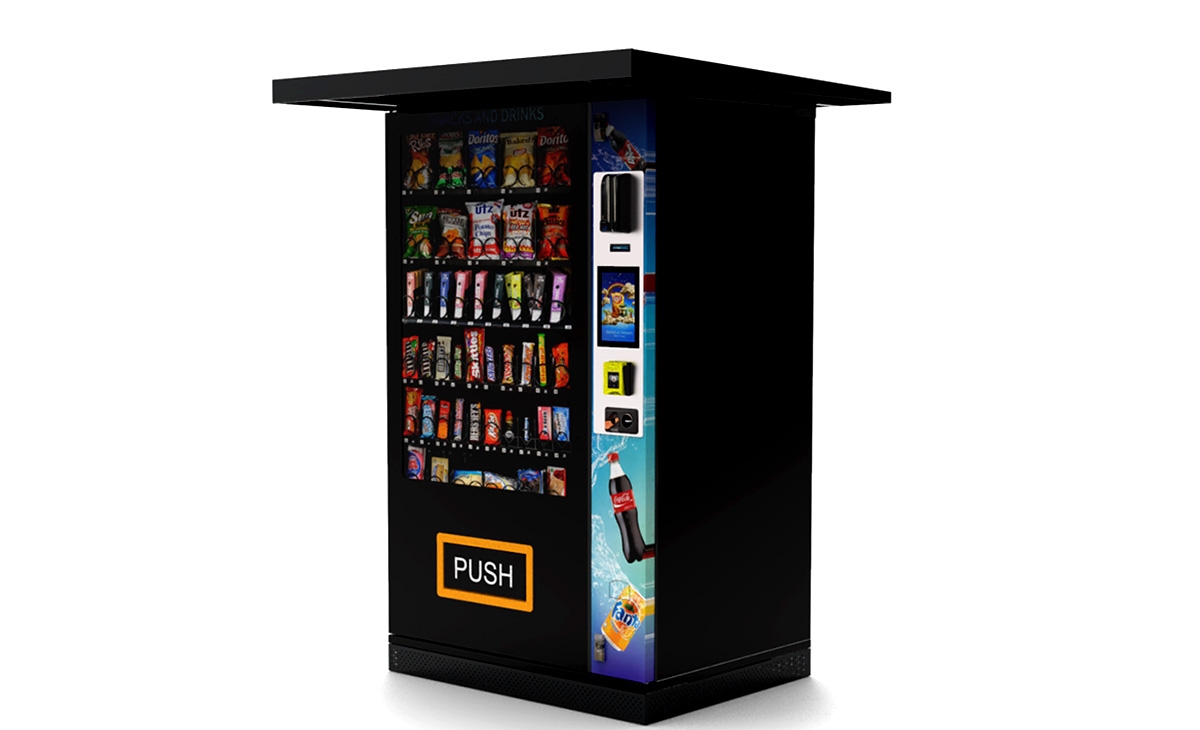
When I talk about an orange juice vending machine, I am not referring to a standard soda machine that happens to sell juice boxes. I mean a dedicated refrigerated self-service kiosk designed to hold fresh, perishable orange juice. These machines are typically equipped with a refrigeration system that maintains a consistent temperature between 34°F and 38°F. Some models use glass-front coolers, while others use a closed-door system with a robotic arm to retrieve the product. The key difference from a standard vending machine is the cold chain requirement. If the temperature fluctuates, the juice spoils, and you lose not just the product but also customer trust.
These machines are common in Europe, particularly in France and Spain, where fresh juice consumption is higher. In the US, they are gaining traction in health clubs, corporate campuses, and upscale residential buildings. The machine itself is not cheap. Based on my experience, a commercial-grade refrigerated juice vending machine costs between $4,500 and $8,000 new. You can find used units for under $2,000, but I strongly advise against buying a used refrigeration unit unless you are prepared to service the compressor yourself. I learned that lesson the hard way.
The Pros of an Orange Juice Vending Machine
Higher Margins Than Soda or Snacks
Fresh orange juice carries a significantly higher retail price per ounce compared to carbonated soft drinks. A 12-ounce bottle of fresh juice can sell for $3.50 to $5.00 in a vending machine, depending on the location. The wholesale cost for that bottle is typically between $1.10 and $1.60. That leaves a gross margin of roughly 60% to 70%. Compare that to a soda machine, where a can sells for $1.50 and costs you $0.60, and you see a margin of about 60% as well, but the dollar profit per transaction is much lower. In a high-traffic location, a juice machine can generate $800 to $1,500 in monthly revenue per unit. I have personally seen a machine in a busy university gym hit $1,800 in a single month during exam season.
Differentiation in a Crowded Market
Standard snack and soda machines are everywhere. An orange juice vending machine stands out. It signals to the customer that you are offering something fresh and healthy. In locations like yoga studios, CrossFit boxes, and corporate wellness centers, this differentiation can be the difference between getting the placement and being told "we already have a vending machine." I have placed machines in locations that explicitly rejected soda machines but welcomed a juice option because it aligned with their brand image.
Lower Competition for Prime Locations
Because juice machines are less common, location owners are often more willing to offer favorable commission rates or even zero rent in exchange for a fresh product offering. I have negotiated deals where the location takes only 5% of sales, whereas a soda machine in the same building would command 15% to 20%. That extra margin goes straight to your bottom line.
Strong Recurring Purchase Behavior
Once customers trust that your machine consistently offers fresh, cold juice, they become repeat buyers. I have seen the same people buy juice three or four times a week. This is particularly true in office buildings where employees do not have easy access to a grocery store. One office location I managed in Chicago had a juice machine that sold out every Tuesday and Thursday because the staff knew the restock day.
The Cons of an Orange Juice Vending Machine
Refrigeration is the Single Point of Failure
I cannot overstate this. The refrigeration system in a juice machine is more complex than in a standard soda cooler. If the compressor fails, you lose the entire inventory. A single compressor replacement can cost $400 to $700, including labor. I have had machines where the temperature sensor drifted by two degrees, and I did not catch it for three days. That cost me over $200 in spoiled juice. You need to invest in a machine with a reliable remote monitoring system that alerts you to temperature changes. Without that, you are flying blind.
Shorter Shelf Life and Higher Waste
Fresh orange juice typically has a shelf life of 14 to 21 days, depending on whether it is pasteurized and how it is handled. Once you put it in the machine, you have about 7 to 10 days before the quality starts to decline. If you overstock, you throw away product. If you understock, you miss sales. Finding the right balance takes time. In my experience, you should plan for 5% to 8% waste in the first three months of operation, dropping to 2% to 3% once you have reliable sales data.
Higher Initial Investment
A new orange juice vending machine costs $4,500 to $8,000, while a basic snack machine can be had for $2,500. If you are just starting out, that higher upfront cost can strain your cash flow. You also need to factor in the cost of a backup battery or generator if the location has unreliable power. I have lost entire loads of juice to power outages that lasted only a few hours.
Limited Product Variety
Unlike a snack machine that can hold 30 different SKUs, a juice machine is limited by the size of the bottles and the refrigeration constraints. You might only be able to offer 6 to 10 different products. That means you need to be very selective about what you stock. If you guess wrong, you are stuck with slow-moving inventory that will eventually expire.
Real-World Insights from My Operations
Location Selection is Everything
I have placed juice machines in over 50 locations across the US and a handful in France. The best performing locations share three characteristics: high foot traffic, a health-conscious demographic, and limited nearby access to fresh juice. Gyms, hospitals, and corporate offices with wellness programs are the top performers. I had a machine in a hospital staff breakroom that consistently did $1,100 a month. The same machine model in a laundromat did $200 a month and lost money after accounting for spoilage and restocking labor.
One failure I still remember clearly: I placed a machine in a small office building with 80 employees. The building had a cafeteria that served fresh juice. I assumed the vending machine would capture after-hours sales. It did not. The cafeteria had better pricing and a wider selection. That machine was pulled after six months. I lost about $1,200 on that experiment.
Maintenance is Not Optional
Many new operators assume that a vending machine is a set-it-and-forget-it business. That is not true for any machine, and it is especially false for a refrigerated juice machine. You need to clean the condenser coils every three months. You need to check door seals weekly. You need to calibrate the temperature sensor monthly. I have seen operators skip these steps and then wonder why their compressor failed after 18 months. A compressor that could have lasted 5 years died early because of dust buildup on the coils.
Payment Systems Matter More Than You Think
In the US, cashless payment is no longer optional. I estimate that 70% to 80% of my juice machine transactions are now made with a credit card or mobile wallet. If your machine only takes cash, you are leaving money on the table. In Europe, contactless payment is even more dominant. I recommend machines that support NFC, Apple Pay, Google Pay, and traditional credit cards. The processing fee is typically 2.5% to 3.5%, but the increase in sales volume more than compensates for that cost. According to a 2023 report by Statista, cashless payments accounted for 87% of in-store transactions in Sweden and 75% in the UK. Vending machines are no exception to this trend.
Cost Breakdown and Return on Investment
Based on my actual operating data across 15 juice machines over the past three years, here is a realistic cost and revenue breakdown. These numbers are based on US operations in mid-tier urban locations. Your results will vary based on location, foot traffic, and pricing.
| Cost Category | Estimated Amount | Notes |
|---|---|---|
| Machine purchase (new) | $5,500 - $7,500 | Includes refrigeration, payment system, and warranty |
| Initial inventory | $400 - $700 | Based on 8 to 12 cases of juice |
| Installation and delivery | $200 - $400 | Depends on distance and building access |
| Monthly restocking | $150 - $300 | Labor and product cost, varies by volume |
| Monthly utility cost | $30 - $60 | Refrigeration runs 24/7 |
| Monthly payment processing fees | $20 - $50 | 2.5% to 3.5% of sales |
| Monthly spoilage/waste | $20 - $60 | Target 2% to 5% of inventory cost |
| Annual maintenance | $200 - $400 | Coil cleaning, seal replacement, sensor calibration |
For a machine doing $1,000 in monthly sales, your net profit after all costs is typically between $250 and $400 per month. That means the payback period on a $6,000 machine is roughly 15 to 24 months, assuming consistent performance. If you place the machine in a top-tier location and sales reach $1,500 per month, the payback period drops to 10 to 14 months. I have seen machines pay for themselves in 8 months, and I have seen machines that never paid back. The difference is always the location.
How to Choose a Supplier
When I started in this business, I bought machines from three different manufacturers. Two of them were fine. One was a nightmare. The lessons I learned about supplier selection are directly applicable to anyone considering an orange juice vending machine.
First, look for a supplier that specializes in refrigerated vending, not just general vending equipment. Refrigeration is a different engineering challenge. A company that builds snack machines and then adds a cooler as an afterthought will give you problems. Second, check the warranty terms. A good supplier offers at least two years on the compressor and one year on the electronics. Third, ask about remote monitoring. If the supplier does not offer a telemetry system that tracks temperature and sales data in real time, keep looking. That feature alone can save you thousands in spoilage.
One supplier that meets these criteria is Zhongda Smart. They manufacture refrigerated vending machines specifically designed for fresh juice and dairy products. Their machines come with built-in temperature monitoring and cashless payment integration. I have used their units in two locations and found the build quality to be solid. The remote monitoring system is reliable, which is critical for a perishable product. I recommend including them in your evaluation list, especially if you are looking for a machine that balances cost with long-term durability.
Common Mistakes New Operators Make
Overestimating Foot Traffic
I have seen operators place a juice machine in a location with 500 people passing by daily, only to discover that only 10 of them buy juice. Foot traffic is not the same as target audience traffic. A machine in a busy bus station might get thousands of eyes, but if those people are not interested in paying $4 for fresh juice, you will not make sales. Always spend a few hours observing the location before signing a contract. Watch what people buy. Look at the trash cans. See what drinks are being consumed.
Ignoring the Cold Chain
I mentioned this earlier, but it is worth repeating. If the machine is in a location where the ambient temperature exceeds 90°F, the compressor will struggle. If the machine is in a hallway that gets direct sunlight, the internal temperature can spike even if the compressor runs constantly. I have seen operators place machines in unheated garages during winter, only to have the juice freeze and burst the bottles. You need to understand the environment before you install.
Buying the Cheapest Machine
I made this mistake once. I bought a refurbished juice machine for $1,800. It worked for three months, then the compressor failed. The replacement cost was $600, and the machine was down for two weeks. During that time, I lost sales and the location owner lost confidence in me. I eventually replaced it with a new unit from a reputable manufacturer. The cheap machine ended up costing me more than a new one would have. Do not skimp on the equipment.
Neglecting Regular Cleaning
A dirty juice machine is a health risk. I have seen machines with mold growing inside the drip tray. I have seen juice residue buildup on the dispensing nozzle. If a customer sees that, they will never buy from that machine again. More importantly, health inspectors can shut you down if they find unsanitary conditions. I clean every machine every time I restock, and I do a deep clean once a month.
Ideal Locations for an Orange Juice Vending Machine
Based on my experience, here are the location types that have the highest probability of success:
- Gyms and fitness centers: Health-conscious members are the ideal target. I have machines in three gyms, and they are consistently profitable.
- Corporate offices with wellness programs: Companies that promote healthy eating are more likely to approve a juice machine. They also tend to have stable, predictable foot traffic.
- Hospitals and medical buildings: Staff and visitors often want a healthy drink option. One hospital location I managed did $1,100 per month.
- University recreation centers: Students are price-sensitive but willing to pay for convenience. A machine near the gym or pool area works well.
- Upscale residential buildings: In buildings with a concierge, residents appreciate having fresh juice available without leaving the building. I have machines in two high-rise buildings in New York.
Locations to avoid include: low-traffic breakrooms, warehouses with no climate control, schools during summer break, and any location where the machine is hidden from view. If people cannot see the machine, they will not use it.
How to Evaluate a Potential Location
Before I place a machine, I ask the location owner for three pieces of data: the number of people who pass through the area daily, the average time they spend in the building, and whether there is a cafeteria or convenience store nearby. If the location cannot provide this data, I do a manual count over three different days. I also look at the demographics. A location with a median age of 35 to 55 and a higher income level is more likely to support a premium-priced juice machine.
I also check the power supply. Many older buildings have outlets that are not grounded properly. A refrigerated machine needs a dedicated circuit. If the machine shares a circuit with a microwave or a refrigerator, you will trip breakers. I always bring a circuit tester to the site visit.
Finally, I negotiate the terms. I prefer a commission-only arrangement where the location gets 5% to 10% of sales, rather than a fixed monthly rent. That way, if the machine underperforms, I am not losing money on rent. If the location insists on a fixed rent, I keep it under $50 per month. Anything above that eats into your margin too much.
Self-Operation vs. Lease vs. Revenue Share
There are three common models for operating an orange juice vending machine. Each has its own advantages and risks.
| Model | Pros | Cons | Best For |
|---|---|---|---|
| Self-operation (buy and manage) | Full control over pricing, product selection, and profit | High upfront cost, requires time for restocking and maintenance | Experienced operators with multiple machines |
| Lease the machine | Lower upfront cost, predictable monthly payment | You do not own the equipment, long-term cost is higher | New operators testing the market |
| Revenue share with location | No upfront cost, location is motivated to promote the machine | Lower profit per sale, less control over placement | Operators with strong negotiation skills |
I have used all three models. For my first machine, I bought it outright. That gave me the flexibility to move it if the location did not work out. If you are new, I recommend buying a single machine and placing it in a location you know well. Once you have proven the concept, you can expand.
FAQ: Orange Juice Vending Machine
Is an orange juice vending machine profitable?
It can be, but profitability depends heavily on location and operational discipline. In a good location, a machine can generate $250 to $400 in monthly net profit. In a poor location, you will lose money on spoilage and restocking labor. Based on my experience, about 60% of first-time juice machine operators break even within the first year. The rest either move the machine or exit the business.
How much does an orange juice vending machine cost?
A new commercial-grade machine costs between $4,500 and $8,000. Used machines can be found for $1,500 to $3,000, but you risk higher maintenance costs. I recommend budgeting $6,000 for the machine, installation, and initial inventory.
How long does it take to recoup the investment?
Typically 12 to 24 months, depending on sales volume. If the machine does $1,200 in monthly sales with a 60% margin, you can pay off a $6,000 machine in about 14 months, assuming you reinvest all profits.
Should a beginner buy or lease?
I recommend buying if you have the capital and are committed to learning the business. Leasing can be a lower-risk way to test the market, but you will pay more in the long run. If you lease, make sure the contract allows you to buy the machine at a fair price after 12 months.
Where should I place the machine?
Gyms, hospitals, corporate offices with wellness programs, and university recreation centers are the best locations. Avoid low-traffic areas and locations without reliable power or climate control.
What permits do I need?
In the US, you typically need a business license and a food service permit from the local health department. In Europe, requirements vary by country. In France, for example, you need to register with the Direction Départementale de la Protection des Populations (DDPP) if you sell perishable food. Check with your local authorities before installing.
How do I choose a supplier?
Look for a supplier that specializes in refrigerated vending, offers a comprehensive warranty, and provides remote monitoring. I have used Zhongda Smart for two machines and found their support reliable. Compare at least three suppliers before making a decision.
What happens if the machine breaks down?
You need a plan for rapid repair. I keep a spare compressor and a set of common sensors in my van. If the machine is under warranty, the supplier should cover parts and labor. If not, budget $300 to $500 per year for repairs.
How can I reduce restocking and maintenance costs?
Use a route management software to optimize your restocking schedule. Monitor sales data to avoid overstocking. Clean the machine regularly to prevent breakdowns. If you have multiple machines in the same area, you can reduce travel time and labor costs.
Final Thoughts
An orange juice vending machine is not a passive income machine. It requires active management, regular cleaning, and a willingness to move machines that do not perform. But for operators who are willing to put in the work, it can be a solid addition to a vending route. The key is to start small, track every cost, and be honest with yourself about whether a location is actually working. I have pulled machines that I was emotionally attached to because the numbers did not add up. That is part of the business.
If you are considering this equipment, do your homework on the supplier, the location, and the local regulations. Talk to other operators in your area. And if you can, visit a few locations that already have juice machines. Watch how people interact with the machine. Ask the location owner if they are happy with the arrangement. That real-world observation is worth more than any online article.
This article was updated on October 26, 2025. The insights and data reflect my personal experience operating vending machines in the US and select European markets. Financial figures are based on my operations and may not reflect your specific circumstances. Always consult with a local business advisor before making an investment.