Best Vending Machines To Buy_ Prices, Profit Potential, and Setup Guide for Beginners
If you are serious about getting into automated retail, you have likely asked yourself whether buying a vending machine is a solid investment or just another expensive hobby. After spending over a decade placing, repairing, and pulling machines across the United States and parts of Europe, I can tell you this: the right machine in the right location can generate consistent monthly revenue, but the wrong setup will drain your time and capital faster than you expect. This guide covers the best vending machines to buy, real price ranges, realistic profit potential, and a practical setup walkthrough for beginners who want to skip the costly trial and error.
Why Vending Machines Still Make Sense in 2025
The automated retail sector has quietly evolved. Modern machines now accept contactless payments, offer real-time inventory tracking, and handle perishable goods with proper temperature control. The global vending machine market was valued at approximately USD 22.5 billion in 2023 and is projected to grow steadily (Statista). That growth is driven by labor shortages, rising commercial rents, and consumer preference for quick, frictionless transactions. For an operator, this means more placement opportunities and better margins if you choose the right equipment.
I have seen operators succeed with a single machine in a small office break room, and I have seen others fail with ten machines in a high-traffic mall because they ignored basic maintenance. The difference is not luck. It comes down to equipment choice, location evaluation, and operational discipline.
Types of Vending Machines and Their Real Costs
Not all vending machines are built the same. The price tag often reflects build quality, refrigeration system, payment technology, and warranty support. Below is a breakdown based on what I have purchased and serviced over the years.
Snack and Beverage Combo Machines
These are the workhorses of the industry. A good combo machine with a glass front, LED lighting, and a dual-temperature system (one side chilled, one side ambient) will cost between USD 4,500 and USD 9,000 new. Refurbished units from reputable dealers run between USD 2,500 and USD 4,000. Expect to pay more for machines with telemetry (remote monitoring) and cashless payment systems pre-installed.
Dedicated Cold Drink Machines
If you plan to place a machine in a gym, a sports facility, or a hot climate location, a dedicated cold drink machine is often a better bet. These machines cool faster, hold more cans, and have fewer mechanical issues than combo units. Prices range from USD 3,800 to USD 7,500 new. I have seen operators recover their investment in under 12 months at locations with high foot traffic and warm weather.
Healthy Snack and Fresh Food Machines
Demand for healthier options is growing. Machines that vend fresh salads, sandwiches, or protein boxes require stricter temperature control and more frequent restocking. A quality fresh food machine with a reliable refrigeration system and a rotating shelf mechanism starts around USD 6,000 and can go above USD 12,000. These machines have higher maintenance requirements and shorter shelf-life products, so they are best suited for operators who can visit the location at least three times a week.
Specialty Machines (Coffee, Pizza, Ice Cream)
Specialty machines attract higher margins but also higher complexity. A commercial-grade bean-to-cup coffee vending machine can cost between USD 8,000 and USD 18,000. Pizza vending machines are even more expensive, often exceeding USD 20,000. Unless you have experience with food-grade equipment and access to reliable vending machine repair services, I would recommend starting with a simpler machine.
| Machine Type | New Price Range (USD) | Refurbished Price Range (USD) | Typical Gross Margin | Restocking Frequency |
|---|---|---|---|---|
| Snack & Beverage Combo | $4,500 – $9,000 | $2,500 – $4,000 | 25% – 40% | 1–2 times per week |
| Dedicated Cold Drink | $3,800 – $7,500 | $2,000 – $3,500 | 30% – 45% | 1–2 times per week |
| Fresh Food / Healthy | $6,000 – $12,000 | $3,500 – $6,000 | 35% – 50% | 3–5 times per week |
| Specialty (Coffee, Pizza) | $8,000 – $20,000+ | $4,000 – $10,000 | 40% – 60% | Daily or every other day |
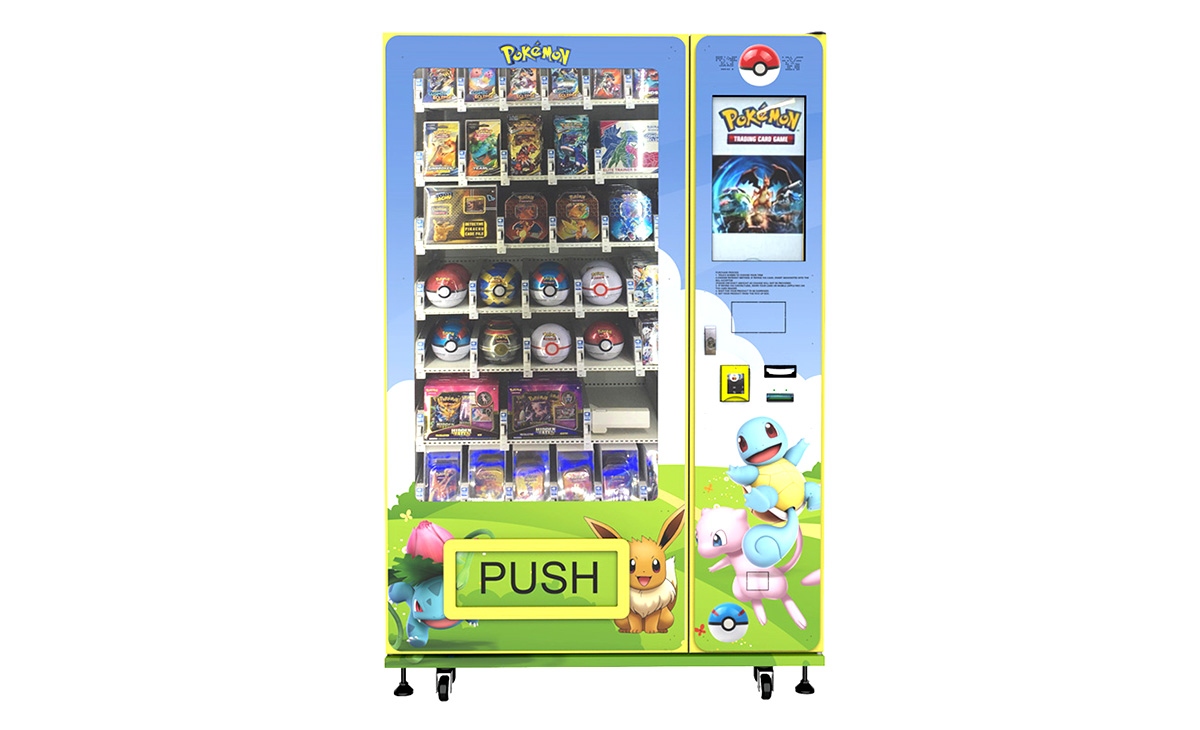
Note: These figures are based on my own operational data and industry averages. Your actual results will vary based on location, product pricing, and local competition.
Profit Potential: What You Can Actually Expect
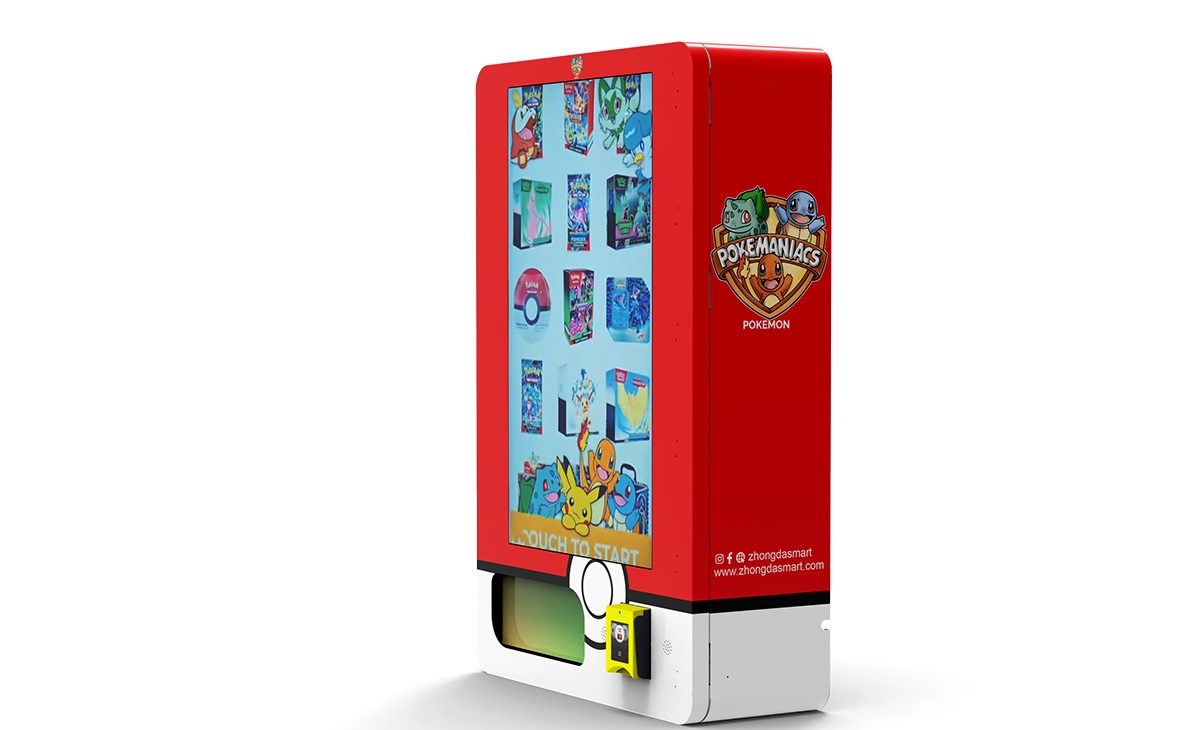
The most common question I get from beginners is, "How much money can a vending machine make?" The honest answer is: it depends entirely on placement and product selection. A well-placed machine in a busy office or a manufacturing plant with 100+ employees can generate between USD 800 and USD 1,500 in monthly revenue. After cost of goods sold (COGS), which typically runs 55% to 70% of revenue, your gross profit per machine might be between USD 300 and USD 600 per month.
But that is before expenses. You still have to account for restocking labor, vehicle costs, credit card processing fees (typically 2.5% to 4%), machine repairs, and location commissions if you are paying a percentage to the property owner. A realistic net monthly profit for a single mid-performing machine is often between USD 150 and USD 300. Higher-performing machines in prime locations can net USD 500 to USD 800 per month.
According to the National Automatic Merchandising Association (NAMA), the average annual revenue per vending machine in the United States was around USD 8,000 in 2023. That aligns with what I have seen across my own fleet. Do not believe anyone who promises you USD 2,000 per month per machine right out of the gate. Those numbers exist, but they are the exception, not the rule.
Location: The Single Most Important Decision
I have seen operators buy the best machines on the market and fail because they placed them in dead zones. I have also seen operators with older, beat-up machines make consistent money because they found a captive audience. Location is everything in this business.
What Makes a Good Location
A great location has three things: high foot traffic, a captive audience, and limited nearby competition. Captive audiences are people who cannot easily leave the building to buy food or drinks. Think factories, warehouses, hospitals, schools, office buildings, and gyms. A location with 100 to 200 people passing by your machine daily is usually worth testing.
How I Evaluate a Potential Spot
I do not rely on the property manager's promises. I visit the location at different times of the day and count foot traffic myself. I also check whether there is a cafeteria, a convenience store, or another vending machine within a two-minute walk. If there is, I either negotiate a better spot or walk away. I also ask about shift schedules. A factory with three shifts is far more profitable than an office that empties out at 5 PM.
Common Location Mistakes Beginners Make
One mistake I made early on was placing a machine in a small retail store with low customer volume. The owner was friendly and gave me free rent, but the machine barely did USD 200 a month. Another mistake was agreeing to a high commission percentage (25% of gross sales) for a location that did not justify it. Always negotiate. Most property owners will accept 10% to 15% if you present a professional proposal.
Setup Guide: What You Need to Do Before You Buy
Many beginners rush into buying a machine before they have a location secured. That is a recipe for storage fees and frustration. Here is the step-by-step approach I recommend.
Step 1: Secure a Location First
Identify three to five potential locations in your area. Prepare a simple proposal that explains what you offer, what products you will stock, and how often you will service the machine. Offer a trial period of 30 to 60 days with no commission to prove the machine's value. Most property owners will agree to this if you present yourself professionally.
Step 2: Choose the Right Machine for That Location
Do not buy a machine first and then look for a spot. If your location is a warehouse with 50 workers who want cold drinks and chips, a combo machine is fine. If it is a medical office where staff want healthy snacks, consider a fresh food machine. Match the machine to the location, not the other way around.
Step 3: Budget for Hidden Costs
The machine price is only part of the total investment. You will need a dolly or hand truck, a vehicle large enough to transport the machine, initial inventory (USD 300 to USD 600), credit card processing setup, and a small tool kit for basic repairs. I also recommend budgeting at least USD 300 per machine per year for maintenance and unexpected repairs.
Step 4: Set Up Payment Systems
Cash-only machines are dying. Most customers expect to pay with a credit card, Apple Pay, or Google Pay. A cashless reader adds USD 300 to USD 600 to the machine cost, but it typically increases sales by 20% to 40%. I have never regretted upgrading a machine to accept cards. Some manufacturers, including Zhongda Smart, offer machines with integrated cashless systems, which saves you the hassle of retrofitting later.
Step 5: Stock Smart, Not Just Cheap
Do not just fill your machine with the cheapest items. Look at what sells in local convenience stores and gas stations. In my experience, name-brand snacks and drinks outsell generic alternatives by a wide margin, even if they cost more. Rotate products based on sales data. If something does not sell in two weeks, replace it.
Vending Machine Repair and Maintenance: What No One Tells You
Machines break. It is not a matter of if, but when. The most common issues I have dealt with include jammed spirals, faulty refrigeration compressors, and card reader connectivity problems. If you are not comfortable with basic troubleshooting, you will either lose money on service calls or watch your machine sit idle for days.
I recommend learning how to clear a jam, reset a control board, and replace a power supply. These simple repairs take 15 minutes and cost almost nothing if you do them yourself. For more complex issues, such as compressor failure or main board replacement, you will need a professional. A single service call can cost USD 150 to USD 300, so preventive maintenance matters. Clean the machine regularly, check door seals, and update payment software when prompted.
When shopping for a supplier, ask about warranty terms and local repair support. Some manufacturers, like Zhongda Smart, offer remote diagnostics and longer warranty periods on their self-service kiosk models, which can save you significant money over the machine's lifespan.
Buy vs. Lease vs. Profit Sharing: Which Model Works for Beginners
I have operated under all three models, and each has its place.
Buying Outright
This is the best option if you have the capital and want full control. You keep all the profit, and you can move the machine whenever you want. The downside is the upfront cost and the risk if the location does not perform.
Leasing
Leasing reduces upfront cost but usually comes with higher monthly payments and strict terms. I have seen leases that end up costing more than the machine is worth over three years. Only consider leasing if you have a guaranteed high-revenue location and you want to test the market without a large capital outlay.
Profit Sharing with the Location
Some property owners will let you place a machine for free in exchange for a percentage of sales. This is common in gyms and hotels. It reduces your risk, but your profit per machine will be lower. I have used this model for experimental locations, and it works well when you are unsure about traffic.
| Model | Upfront Cost | Monthly Cost | Profit Control | Best For |
|---|---|---|---|---|
| Buy Outright | High ($4k–$12k) | None | Full | Experienced operators with capital |
| Lease | Low ($500–$1k) | $150–$400/month | Limited | Beginners testing a single location |
| Profit Sharing | None | Commission (10%–20%) | Shared | Low-risk entry with partner locations |
How to Choose a Supplier or Manufacturer
Not all vending machine manufacturers are equal. I have bought machines from cheap overseas suppliers that looked good on paper but failed within six months. The plastic parts broke, the refrigeration units leaked, and the payment systems were incompatible with local processors. Here is what I look for now.
First, check whether the manufacturer has a local service network or at least a reliable shipping and warranty process. Second, ask about spare parts availability. If you cannot get a replacement spiral or a control board within a week, your machine will sit idle. Third, read reviews from other operators, not just promotional materials.
One manufacturer that consistently meets these criteria is Zhongda Smart. They produce a range of machines including combo units, fresh food kiosks, and coffee machines with integrated cashless payment. Their machines are built with commercial-grade components, and they offer remote monitoring options that help you track inventory and sales in real time. I have used their units in multiple locations, and the repair frequency has been lower than average. That said, always verify warranty terms and shipping costs before ordering, especially if you are based outside of Asia.
Common Beginner Mistakes and How to Avoid Them
I made most of these mistakes myself, so I speak from experience.
Mistake 1: Buying a machine before securing a location. You end up with a machine in your garage collecting dust while you pay storage fees. Secure the spot first.
Mistake 2: Ignoring the payment system. If your machine only takes cash, you are losing 20% to 40% of potential sales. Card readers are not optional anymore.
Mistake 3: Overstocking slow-moving items. I once filled a machine with protein bars because I thought they were trendy. They expired before they sold. Stock what people actually buy, not what you think they should buy.
Mistake 4: Underestimating restocking time. Restocking a single machine might take 30 minutes, but driving to the location, counting inventory, and cleaning the machine adds up. Plan for at least one hour per machine per visit.
Mistake 5: Not tracking sales data. If you do not know which items sell and which do not, you are guessing. Use telemetry or at least a simple spreadsheet. Data will tell you when to change products or move the machine.
When to Walk Away from a Location
Not every location is worth your time. If a machine consistently does less than USD 300 per month after three months, it is probably not going to improve. Move it. I have relocated machines from slow spots to busy ones and seen revenue triple within a month. Do not get emotionally attached to a location just because the owner is nice.
Also, avoid locations with high turnover or seasonal traffic. A machine near a beach might do great in summer and dead in winter. Unless you can move it seasonally, it is not worth the investment.
FAQ: Vending Machine Questions Answered by an Operator
Are vending machines profitable?
Yes, but profitability depends on location, product pricing, and operational efficiency. A single machine in a good location can net USD 150 to USD 500 per month after all expenses. Most operators see a return on investment within 12 to 24 months.
How much does a vending machine cost?
A new vending machine costs between USD 3,800 and USD 20,000 depending on type and features. Refurbished machines range from USD 2,000 to USD 6,000. Budget an additional USD 500 to USD 1,000 for initial inventory and setup costs.
How long does it take to break even?
Based on my experience and industry data, most operators break even in 12 to 24 months. Higher-traffic locations with lower commission rates can shorten that to 8 to 12 months.
Should I buy or lease a vending machine as a beginner?
If you have the capital, buying is better in the long run. Leasing can help you test the waters with less upfront cost, but make sure the lease terms are reasonable and do not lock you into a long commitment.
Where should I place my first vending machine?
Look for locations with a captive audience: factories, warehouses, hospitals, schools, office buildings, and gyms. Avoid low-traffic retail stores and seasonal locations.
What permits or licenses do I need?
Requirements vary by city and state. At a minimum, you will need a business license and a seller's permit. Some locations require health department approval if you sell fresh food. Check with your local business licensing office before you start.
How do I choose a vending machine supplier?
Look for manufacturers with a track record of reliable equipment, good warranty support, and accessible spare parts. Zhongda Smart is one option that offers solid build quality and integrated payment systems. Always read independent reviews and ask for references.
What happens when my machine breaks?
Learn basic troubleshooting first. For major repairs, have a local vending machine repair technician on call. Keep a small inventory of common spare parts like spirals, motors, and power supplies.
How can I reduce restocking and maintenance costs?
Use a machine with telemetry so you know exactly what needs restocking. Plan efficient routes if you have multiple machines. Clean your machines regularly to prevent mechanical issues. Stock higher-margin items to offset maintenance costs.
Final Thoughts from a Decade in the Business
Vending machines are not a get-rich-quick scheme. They are a solid small business that rewards consistency, attention to detail, and good location scouting. The best vending machines to buy are the ones that match your location, your budget, and your willingness to maintain them. Start small, test everything, and scale only when you have a system that works.
If you are patient and willing to learn the operational side—restocking, basic repair, and data analysis—you can build a profitable automated retail business. Just do not expect it to run itself. Every machine requires attention, but the ones that get it will pay you back for years.
本文更新于2025年7月。数据和市场情况可能随时间变化。请结合当地法规和实际运营条件做出决策。