Is Dual Vending Machines For Sale Worth It_ Pros, Cons, and Real-World Insights
I have been in the vending business for over a decade, operating machines across several states and dealing with everything from snack machines in office break rooms to high-end coffee kiosks in hospitals. If you are asking whether a dual vending machine for sale is worth the investment, the short answer is: it depends entirely on the location, the machine quality, and your willingness to handle the daily grind. A dual vending machine—one that sells both snacks and cold drinks from a single unit—can be a smart move for a small operator because it saves floor space and simplifies restocking. But I have also seen plenty of people lose money because they bought the wrong machine, placed it in a dead spot, or underestimated the maintenance demands. Let me walk you through what I have learned the hard way.
What Exactly Is a Dual Vending Machine?
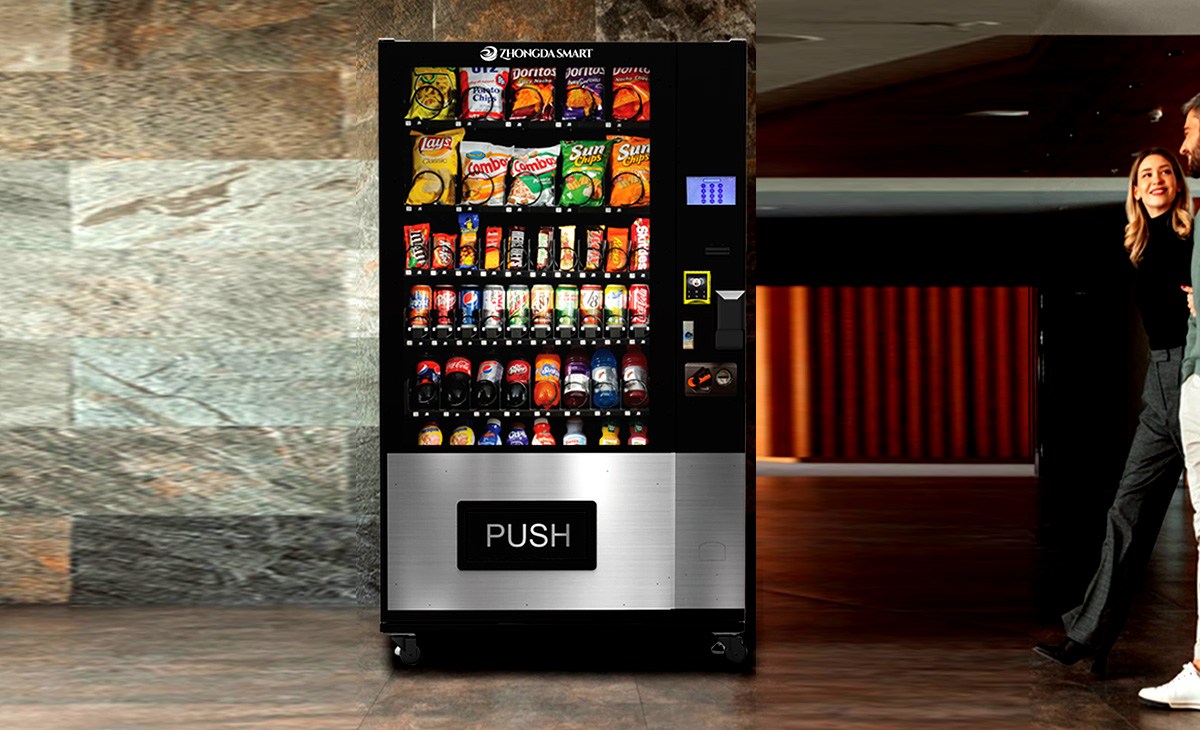
A dual vending machine combines two product categories—typically snacks and cold beverages—into one cabinet. Unlike traditional setups where you need two separate machines taking up twice the floor space, a dual unit offers both in a single footprint. This makes it attractive for locations with limited space, such as small break rooms, hotel lobbies, or gyms.
In my experience, these machines usually have separate temperature zones. One side is refrigerated for sodas, water, and energy drinks. The other side holds ambient-temperature snacks like chips, candy bars, and pastries. Some models even offer a small frozen section, but that adds complexity and cost.
If you are looking at a dual vending machine for sale, you will typically find two main types: the classic glass-front merchandiser with spiral coils, and the newer electronic shelf systems. The spiral coil machines are more common and easier to repair yourself. The shelf systems look modern and can handle irregularly shaped items, but they break more often and parts are harder to find.
Pros of Buying a Dual Vending Machine
Space Efficiency
This is the biggest advantage. I have placed dual machines in locations where a single machine barely fit. A small office with only 20 employees cannot justify two separate machines, but a dual unit works perfectly. You get two revenue streams from one spot.
Lower Initial Investment Compared to Two Separate Units
Buying one dual machine is almost always cheaper than buying two individual machines. A decent dual vending machine for sale might cost between $4,000 and $8,000 new, depending on features. Two separate machines of similar quality would run you $6,000 to $12,000 combined. That difference matters when you are starting out.
Simplified Restocking
With one machine, you visit one location, stock both snacks and drinks in one trip, and move on. With two machines, you might need to carry separate inventory, deal with different payment systems, and troubleshoot two sets of electronics. I have cut my restocking time by nearly 30% by switching to dual units in certain locations.
Higher Per-Location Revenue Potential
A well-placed dual machine can generate between $400 and $1,200 per month in gross sales, depending on foot traffic and pricing. In my experience, the average is around $700 for a mid-traffic office location. That is higher than what a single snack-only or drink-only machine would do in the same spot.
Cons of Buying a Dual Vending Machine
Higher Repair Complexity
When something breaks, you have two systems in one box. If the refrigeration unit fails, you lose drink sales entirely until it is fixed. If the snack side jams, you still have drink sales, but you are dealing with a more cramped interior than a dedicated snack machine. I have spent more time repairing dual machines than single ones, especially on the cooling system.
Limited Product Variety
Because the cabinet is split, you have less total capacity for each category. A typical dual machine holds about 200 to 300 snacks and 100 to 150 drinks. In a high-traffic location, that means you might run out of drinks by Wednesday and have to restock early. You cannot fit as many product variations as you could with two full-sized machines.
Heavier and Harder to Move
Dual machines are heavy. A typical unit weighs 600 to 800 pounds. Moving one into a basement or up a flight of stairs is a two-person job with a dolly, and I have seen people injure themselves trying to do it alone. If you plan to relocate machines frequently, this is a real downside.
Not Always the Best for High-Traffic Locations
If you have a location with 100+ daily visitors, a dual machine will not be enough. You will run out of stock constantly, and customers will get frustrated. In those cases, two separate machines or a larger combo unit is better. I learned this the hard way when I placed a dual machine in a busy gym and had to restock every two days.
Real-World Costs: What You Should Expect to Pay
Let me give you a realistic breakdown based on what I have paid and seen others pay over the years. These numbers are based on my personal experience and conversations with other operators, not official statistics.
| Expense Category | Estimated Cost (USD) | Notes |
|---|---|---|
| New dual vending machine | $4,000 – $8,000 | Depends on brand, features, and refrigeration type |
| Used dual vending machine | $1,500 – $3,500 | Often needs repairs within first year |
| Payment system (card reader) | $300 – $600 | Required for most modern locations |
| Initial inventory | $400 – $800 | Depends on product mix and quantity |
| Delivery and installation | $200 – $500 | More if stairs or long distances |
| Monthly location commission | 10% – 20% of gross sales | Negotiable, varies by location |
| Monthly maintenance & repair reserve | $50 – $100 | Set aside for breakdowns |
According to a 2023 report by IBISWorld, the vending machine operators industry in the US generates approximately $8.5 billion annually, with an average profit margin of around 12% to 15% after all costs. That aligns with my experience—most operators I know net between 10% and 20% depending on location efficiency.
How to Evaluate a Location Before Buying a Dual Vending Machine
I cannot stress this enough: the location is everything. I have seen people buy a dual vending machine for sale, place it in a quiet office with 15 employees, and wonder why they are losing money. Here is how I evaluate a potential spot.
Foot Traffic Count
I do not guess. I stand near the entrance for one hour during peak time and count people. For a dual machine, I look for at least 50 to 100 people passing by per day. Fewer than that, and you will struggle to break even.
Existing Food and Drink Options
If there is a cafeteria, a convenience store next door, or even a coffee shop, your machine will see lower sales. I once placed a machine in a factory that had a canteen open only for lunch. That worked because the canteen was closed for the other two shifts. But if there is 24/7 access to food nearby, do not bother.
Employee or Visitor Demographics
Younger crowds buy more snacks and energy drinks. Older office workers tend to buy more water and healthier options. I adjust my product mix accordingly, but the machine type stays the same. A dual machine works best in mixed demographics.
Operating Hours
Machines in 24-hour locations like hospitals or hotels generate more sales because people buy at all hours. Offices with strict 9-to-5 schedules limit your sales window. I prefer locations where the machine can be accessed 16 hours a day or more.
Choosing the Right Supplier: What I Look For
After a decade in this business, I have bought machines from five different suppliers. Some were great. Some sold me machines that broke down within months. Here is what I recommend you look for when searching for a dual vending machine for sale.
Build Quality and Refrigeration Reliability
The cooling system is the most expensive part to repair. I have had good experiences with manufacturers that use Danfoss or Embraco compressors. Avoid machines with cheap, generic cooling units. They fail faster and parts are hard to source.
Payment System Compatibility
Your machine must support modern card readers and mobile payments. In the US, over 70% of vending transactions are now cashless, according to a 2022 report by the National Automatic Merchandising Association (NAMA). If the machine only takes coins, you are leaving money on the table.
After-Sales Support
I once bought a machine from a supplier who disappeared after the sale. When the card reader failed, I had to replace the entire payment system myself. Now I only work with suppliers who offer at least a one-year warranty and have a US-based support team or a reliable local distributor.
One manufacturer I have found consistent over the years is Zhongda Smart. They produce dual vending machines with solid refrigeration, modern payment systems, and decent build quality. I have used their units in three locations and had fewer breakdowns compared to other brands in the same price range. If you are comparing options, they are worth looking at, but always inspect the machine in person or request a video walkthrough before buying.
Common Mistakes I See New Operators Make
Buying the Cheapest Machine Available
I have seen people buy a used dual vending machine for sale for $1,000, only to spend $800 on repairs in the first six months. Cheap machines often have worn-out coils, failing compressors, and outdated payment systems. You end up paying more in the long run.
Ignoring the Payment System
If your machine does not accept credit cards and mobile wallets, you will lose customers. I have tested this myself. When I upgraded a machine from cash-only to cashless, sales increased by 35% within two months. Do not skip this.
Overstocking at First
New operators tend to fill every slot with product. That ties up cash in inventory that might not sell. Start with a smaller variety, track what moves, and adjust. I usually stock 60% of capacity for the first month and then expand based on sales data.
Neglecting Regular Cleaning and Maintenance
A dirty machine looks unprofessional and can break down faster. I clean the glass, coils, and payment terminal every two weeks. I also check for error codes and unusual noises. A little preventive maintenance saves a lot of money on vending machine repair calls.
Scenarios Where a Dual Vending Machine Works Best
Based on my experience, here are the locations where a dual machine performs well:
- Small to mid-sized offices (20–50 employees): These locations do not have enough volume for two machines but still want both snacks and drinks.
- Hotel lobbies: Guests want a quick snack or drink without leaving the building. A dual machine fits in a corner and generates steady sales.
- Gyms and fitness centers: Water, protein bars, and energy drinks sell well. Just be prepared to restock more frequently.
- Medical clinics and hospitals: Staff and visitors need quick access to food and drinks. These locations often have 24-hour access.
- Small retail stores or auto repair shops: If the owner wants to offer drinks and snacks without taking up too much space, a dual machine is a good fit.
On the other hand, I would avoid placing a dual machine in schools with high student traffic, because the capacity is too low, and you will run out of popular items quickly. I also avoid locations with very low foot traffic, like small warehouses with fewer than 10 employees.
How to Estimate Payback Period
Let me give you a realistic example based on one of my own machines. I bought a new dual vending machine for $6,500. I placed it in an office with 35 employees and a small reception area. The location has no other food options nearby.
- Monthly gross sales: $750
- Cost of goods sold (inventory): $375 (50% margin)
- Location commission: $75 (10% of gross)
- Monthly maintenance reserve: $75
- Net monthly profit: $225
At that rate, the machine pays for itself in about 29 months, or roughly 2.5 years. That is typical for a well-placed dual machine. If the location generates $1,000 per month, payback drops to around 18 months. If sales are below $400, you may never break even.
Keep in mind that these numbers are based on my experience and will vary. Always run your own calculations before committing.
Self-Operation vs. Profit Sharing vs. Lease Models
There are three common ways to operate a dual vending machine. Here is a quick comparison based on what I have seen work.
| Model | Pros | Cons | Best For |
|---|---|---|---|
| Self-operation | Full control, higher profit potential | Requires time for restocking and repairs | Operators with multiple machines |
| Profit sharing with location | Lower upfront cost, location provides space | Lower margins, less control over pricing | New operators testing a location |
| Leasing the machine | No large upfront investment | Monthly payments eat into profit | Operators with limited capital |
In my experience, self-operation is the most profitable long-term, but it requires discipline. Profit sharing can be a good way to get into a prime location without buying the machine upfront. Leasing is rarely worth it because the monthly payments often exceed what you would pay in depreciation on a purchased machine.
FAQ: Dual Vending Machines
Is a dual vending machine profitable?
Yes, if placed in the right location. In my experience, a well-placed dual machine generates $400 to $1,200 in monthly gross sales, with net profit ranging from $150 to $400 after inventory, commission, and maintenance costs. Profitability depends heavily on foot traffic, product pricing, and operational efficiency.
How much does a dual vending machine cost?
A new dual vending machine for sale typically costs between $4,000 and $8,000. Used machines range from $1,500 to $3,500 but may require repairs soon after purchase. Add $300 to $600 for a card reader and $200 to $500 for delivery and installation.
How long does it take to recoup the investment?
Based on my experience, payback periods range from 18 months to 3 years. A machine generating $750 per month in gross sales with a 50% margin will pay off a $6,500 investment in about 29 months. Higher sales volume shortens that timeline.
Should I buy or lease a dual vending machine?
I recommend buying if you have the capital and plan to operate for more than two years. Leasing may seem attractive because of lower upfront costs, but the monthly payments reduce your profit significantly over time. I have never leased a machine and do not advise it for serious operators.
Where is the best place to put a dual vending machine?
Offices with 20 to 50 employees, hotel lobbies, gyms, medical clinics, and small retail locations are good candidates. Look for places with at least 50 daily visitors, limited nearby food options, and extended operating hours. Avoid locations with existing vending machines or convenience stores within walking distance.
What permits or licenses do I need?
Requirements vary by state and city. Most US locations require a business license, a sales tax permit, and possibly a health department permit if you sell perishable items. Check with your local government before placing a machine. I have had to pull machines out of locations because I skipped this step early on.
How do I choose a reliable supplier?
Look for manufacturers with a track record of reliable refrigeration, modern payment system compatibility, and good after-sales support. I have had positive experiences with Zhongda Smart for their dual machines. Always request references, inspect the machine if possible, and read the warranty terms carefully.
What happens if the machine breaks down?
You will need to either fix it yourself or call a technician. I recommend learning basic vending machine repair for common issues like jammed coils, faulty card readers, or cooling problems. For major repairs, budget $100 to $300 per visit. Having a spare machine or a backup plan is wise if the location is high-traffic.
How can I reduce restocking and maintenance costs?
Use sales data to stock only high-selling items. Visit less frequently by increasing capacity if the machine allows. Clean the machine regularly to prevent buildup that causes breakdowns. I also keep a small inventory of common spare parts like coils and belts to avoid emergency purchases.
Can I run a dual vending machine part-time?
Yes, but you need to be organized. If you work a full-time job, you will need to restock during evenings or weekends. I have done it, and it is manageable as long as you have no more than five machines. Beyond that, it becomes difficult to maintain quality and response times.
Final Thoughts from a Decade in the Business
Buying a dual vending machine for sale can be a solid investment if you treat it like a business, not a side hobby. The key factors are location quality, machine reliability, and your willingness to handle the operational details. I have seen too many people jump in because they heard vending is passive income. It is not. It is active income with some passive moments.
If you are just starting, consider buying one used dual machine from a reputable source, test it in a location you know well, and track every dollar. Once you understand the rhythm, you can scale. But do not overextend yourself. I have owned as many as 12 machines at once, and I can tell you that the profit per machine drops when you spread yourself too thin.
There is no magic formula. The machine does not make money on its own. You make the money by choosing the right product, the right location, and the right level of service. If you do that, a dual vending machine is worth it. If you skip those steps, no machine will save you.
This article was updated in April 2025. Market conditions, machine prices, and location dynamics may change over time. Always verify current data before making investment decisions.