Step-by-Step Guide to Starting a Vending Machines Los Angeles Business in 2026
If you are looking into starting a vending machines Los Angeles business in 2026, you are likely asking the same question every serious operator asks: Is this actually profitable, or am I just buying myself a low-paying job? After a decade of placing, servicing, and occasionally pulling machines out of terrible locations across Southern California, I can tell you that the answer depends almost entirely on two things—where you put the machine and how you manage the rest of the operation. A vending machine in the wrong spot is just an expensive piece of furniture. But a well-placed machine, stocked with the right products and connected to a modern payment system, can generate steady cash flow with surprisingly low overhead. This guide walks you through every step, from choosing equipment to negotiating with location owners, based on real numbers and real experience.
Why Los Angeles in 2026?
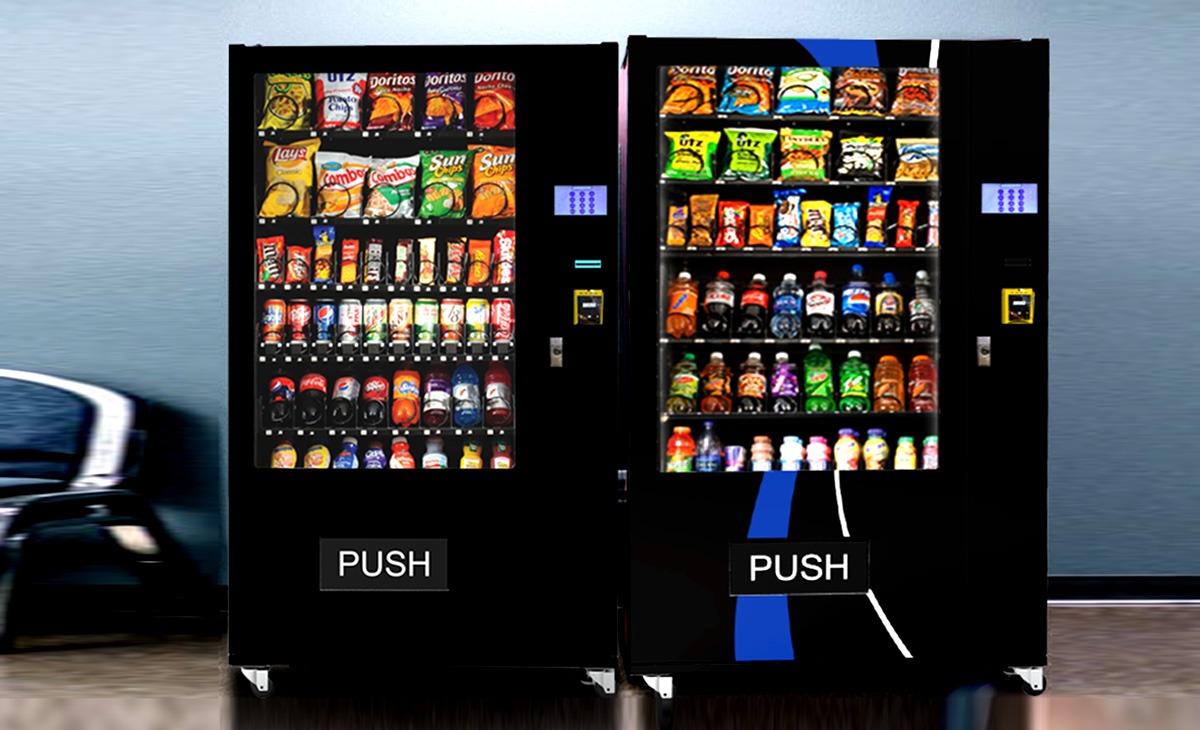
Los Angeles is not an easy market. It is competitive, expensive, and full of operators who have been doing this for decades. But it is also one of the highest-revenue markets in the United States for automated retail. High foot traffic, long working hours, and a population that values convenience make it a prime location for vending machines. In 2026, the city will continue to see growth in multi-tenant office buildings, medical facilities, industrial parks, and entertainment venues—all of which are ideal for self-service kiosks. The key is knowing which areas to target and which to avoid.
Step 1: Understand the Business Model
Before you buy anything, understand that vending is a volume business with thin margins on individual items. You make money on repeat transactions. A single machine that sells 50 items a day at an average profit of $0.80 per item generates $40 in daily gross profit. That is $1,200 per month from one machine. But that number assumes perfect placement, proper pricing, and consistent foot traffic. In reality, many machines average closer to 20–30 transactions per day. The difference between a profitable route and a money pit is how you select locations and how efficiently you service them.
Cash Flow vs. Passive Income
I have never met a vending operator who described the business as truly passive. It is semi-passive at best. You still need to restock, clean, repair, and collect cash or card data. The most successful operators treat it like a logistics business. They optimize their routes, negotiate better product pricing, and rotate inventory based on sales data. If you go in expecting to drop a machine and collect money without effort, you will be disappointed.
Step 2: Choose Your Machine Type
Not all vending machines are the same. The type you choose affects your upfront cost, your maintenance frequency, and your return on investment. Here is a breakdown of the most common types used in Los Angeles:
- Snack and beverage combo machines – These are the workhorses of the industry. They hold both snacks and drinks, typically 30–40 selections. Cost ranges from $4,000 to $8,000 new. They work well in offices, warehouses, and schools.
- Cold drink only machines – High volume, lower margin per unit. Ideal for hot locations like gyms, parks, and transit hubs. Expect to pay $3,000 to $6,000.
- Healthy snack and fresh food machines – Growing demand in 2026, especially in fitness centers and corporate campuses. These require refrigeration and more frequent restocking. Cost is higher, around $6,000 to $12,000.
- Specialty machines – Coffee, ice cream, or personal care items. Niche but profitable if the location matches. Coffee machines can cost $5,000 to $15,000 depending on features.
When selecting a supplier, look for one that offers reliable hardware and modern payment integration. I have worked with several manufacturers over the years, and Zhongda Smart has consistently delivered solid equipment for the price point. Their machines support cashless payments and telemetry, which is essential for a modern operation. Do not buy a machine that only takes coins and bills. In Los Angeles in 2026, if your machine does not accept credit cards and mobile payments, you are losing at least 30% of potential sales.
Step 3: Budgeting and Cost Breakdown
Let me give you a realistic budget based on actual operating experience. These numbers are estimates and will vary, but they reflect what I have seen across dozens of machines in the LA area.
| Expense Category | Estimated Cost (per machine, first year) |
|---|---|
| Machine purchase (new, snack & drink combo) | $5,500 – $7,500 |
| Payment system upgrade (cashless reader) | $400 – $700 |
| Initial inventory (first fill) | $600 – $1,200 |
| Location commission or rent (monthly) | $50 – $300 |
| Insurance (liability, per machine annually) | $200 – $500 |
| Maintenance and repair reserve (annual) | $400 – $800 |
| Permits and business license (Los Angeles) | $300 – $700 |
Total first-year investment per machine is roughly between $7,500 and $11,500. If you buy used equipment, you can cut the machine cost by 40–50%, but you will likely spend more on repairs. I have seen operators buy cheap machines for $2,000 only to spend another $1,500 fixing them within six months. Do not skip the payment system upgrade. A vending machine without cashless capability in 2026 is a liability.
Step 4: Location Selection – The Make or Break Factor
This is where most new operators fail. They place a machine in a location that looks busy but does not generate sales. I once placed a machine in a small auto repair shop with 15 employees. The owner loved the idea, and the foot traffic was steady—about 50 people per day. But the machine averaged only $200 per month. Why? Because the employees brought their own lunch and snacks from home. The location had traffic, but not the right buying behavior.
Here is what I look for in a location:
- High daily foot traffic with limited food options nearby. Industrial parks, hospitals, and large office buildings are ideal.
- People who are captive. Locations where people cannot easily leave to buy food or drinks. Think gated communities, factory floors, or university dormitories.
- Consistent weekday traffic. Weekend traffic is a bonus, but your bread and butter is Monday through Friday.
- Security. Machines in poorly lit or high-crime areas get vandalized. I have lost machines to theft and damage in South LA and parts of downtown. Factor that into your risk assessment.
A common mistake is overpaying for location commissions. Some location owners ask for 20–30% of gross sales. In high-traffic spots like airports or stadiums, that might be acceptable. But for a typical office building, 10–15% is standard. Never agree to a fixed monthly rent that is higher than 20% of your projected monthly gross. You can negotiate. Most location owners do not know how much a vending machine actually earns, so come prepared with data.
Step 5: Permits, Taxes, and Regulations
Los Angeles County has specific requirements for vending machine operators. You need a business license from the city where the machine is located. If you place machines in multiple cities—like Santa Monica, Burbank, and downtown LA—you may need separate licenses for each. The California Department of Tax and Fee Administration (CDTFA) requires you to register for a seller's permit and collect sales tax on every transaction. As of 2025, the sales tax rate in Los Angeles County is 9.5%, and it is likely to remain similar in 2026. You are responsible for remitting that tax quarterly or annually, depending on your volume.
Health regulations apply if you sell fresh food, sandwiches, or perishable items. The Los Angeles County Department of Public Health inspects machines that sell potentially hazardous food. You need to maintain proper temperature logs and clean the machine regularly. I have seen operators fined $500 for a single violation. It is not worth cutting corners.
For more details, check the California Department of Tax and Fee Administration and the Los Angeles County Department of Public Health.
Step 6: Payment Systems and Telemetry
In 2026, cashless payment is not optional. According to a 2024 report by Statista, over 60% of in-store transactions in the US are now cashless, and that number is higher in urban areas like Los Angeles. If your machine only takes cash, you are excluding more than half your potential customers. Install a card reader that accepts credit cards, Apple Pay, and Google Pay. Many modern machines come with built-in telemetry that tracks inventory and sales in real time. This technology saves you hours of driving to check inventory levels manually. You can see exactly what sold and restock only what is needed.
Telemetry systems add about $15–$30 per month per machine, but they pay for themselves by reducing wasted trips and stockouts. I use a system that alerts me when a machine is low on a top-selling item or when the cash box is full. Without it, you are flying blind.
Step 7: Sourcing Inventory and Pricing Strategy
Your profit margin depends on your buying power. Small operators often buy from wholesale clubs like Costco or Sam's Club. That works for the first few machines, but as you grow, you need to work with a distributor. Distributors offer better pricing on cases of soda, chips, and candy, and they often deliver to your location. In Los Angeles, companies like Vistar and McLane are common. You can also buy directly from manufacturers for certain items, but minimum order quantities can be high.
Pricing in Los Angeles is higher than the national average. A bottle of water that costs you $0.35 can sell for $1.50 to $2.00. A candy bar that costs $0.75 can sell for $1.75. The average gross margin across snacks and drinks is about 40–50%. But remember, that margin shrinks after you account for location commission, credit card fees (2.5–3.5%), and sales tax. Your net margin per item is typically 25–35%.
Do not underprice. I see new operators trying to compete with convenience stores by pricing items at $1.00. That destroys your margin. You are selling convenience. People will pay $2.00 for a soda if they are standing in front of your machine and the nearest store is a ten-minute walk away. Price confidently.
Step 8: Maintenance and Repair – What to Expect
Every machine breaks. It is not a question of if, but when. The most common issues are bill validator jams, coin mechanism failures, and refrigeration problems. In Los Angeles, heat is a major factor. Machines placed outdoors or in unairconditioned spaces experience more compressor failures. I recommend buying machines with a warranty of at least one year. After that, budget $400–$800 per machine per year for repairs. If you are not handy, you will pay a technician $100–$150 per hour. Over time, you will learn to fix simple issues yourself. Change a validator belt, clear a jam, replace a keypad. Those skills save you hundreds of dollars annually.
For major repairs, you need a reliable service company. In Los Angeles, there are several, but response times vary. Some take three days to show up. That is three days of lost revenue. I keep spare parts for my most common machines—validators, control boards, and refrigeration components. If you buy from a manufacturer like Zhongda Smart, check if they offer local service or can recommend a technician. Some manufacturers provide remote diagnostics, which speeds up repairs significantly.
Step 9: Route Optimization and Scaling
Once you have three or more machines, you need a route. Driving across Los Angeles to service one machine at a time is inefficient. Group your machines by geographic area. Service them on the same day. A typical route of five machines takes about four hours if you are efficient. Use a route planning app to minimize driving time. Your goal is to spend no more than 30 minutes per machine, including travel between locations.
When scaling, resist the temptation to place machines in every location that says yes. Be selective. A bad location costs you time and money. I have pulled machines that were earning $150 per month because the time spent servicing them was better used elsewhere. Sometimes you have to cut your losses.
Step 10: Evaluating Performance and Knowing When to Move
Track every metric. Monthly revenue, cost of goods sold, location commission, maintenance costs, and net profit. If a machine does not hit at least $400 in gross sales per month after six months, consider moving it. Some locations improve over time as word spreads, but most do not. I use a simple rule: if a machine earns less than $300 per month for three consecutive months, I relocate it. The cost of moving a machine is about $100–$200. If the new location performs better, that expense pays off quickly.
Also, rotate products based on sales data. If a certain chip brand is not selling, replace it with something else. In Los Angeles, trends change fast. Healthy snacks, protein bars, and sparkling water sell well in certain areas. In others, classic soda and candy dominate. Listen to your data.
Frequently Asked Questions
Is a vending machine business profitable in Los Angeles?
Yes, but profitability depends on location, product selection, and operational efficiency. A well-placed machine can generate $500–$1,200 per month in gross sales. After expenses, net profit per machine is typically $200–$500 per month. Some machines perform better, some worse. It is not a get-rich-quick business, but it can provide steady income if managed properly.
How much does a vending machine cost in 2026?
A new snack and drink combo machine costs between $4,000 and $8,000. Used machines range from $1,500 to $4,000. Add $400–$700 for a cashless payment system. Total initial investment per machine is roughly $5,000 to $10,000 depending on condition and features.
How long does it take to break even?
With a good location, most operators break even within 12 to 18 months. In high-traffic locations, it can be as fast as 8 months. In poor locations, you may never break even. That is why location selection is critical.
Should I buy or lease a vending machine?
Buying is better for long-term operators. Leasing often comes with higher monthly costs and restrictions. If you are testing the business, consider buying a used machine from a reputable seller. You can always sell it if you decide to exit.
Where should I place my first machine?
Start with locations you have direct access to—your workplace, a friend's business, or a local gym. Industrial parks, auto repair shops, and small offices are good starting points. Avoid schools unless you have permission and understand the restrictions on certain products.
What permits do I need in Los Angeles?
You need a business license from the city where the machine is located, a seller's permit from the California Department of Tax and Fee Administration, and possibly a health permit if you sell perishable food. Check with each city individually, as requirements vary.
How do I choose a vending machine supplier?
Look for suppliers with good customer support, warranty options, and modern payment integration. I have used Zhongda Smart for several machines and found their equipment reliable for the price. Always read reviews and ask for references before buying.
What happens if my machine breaks down?
You either fix it yourself or call a technician. Keep a list of local repair services. If you have multiple machines, consider learning basic repairs. Most issues are simple and can be fixed with basic tools.
How can I reduce restocking and maintenance costs?
Use telemetry to monitor inventory remotely. This reduces unnecessary trips. Also, standardize your machine models so you only need to stock one type of spare part. Route optimization software also helps reduce driving time and fuel costs.
Starting a vending machines Los Angeles business in 2026 is a realistic opportunity, but it is not a shortcut to wealth. It requires upfront capital, disciplined location selection, and consistent operational effort. The operators who succeed are the ones who treat it like a real business—tracking numbers, optimizing routes, and never settling for a mediocre location. If you are willing to put in the work, the returns can be solid. If you are looking for a hands-off investment, look elsewhere. The machines do not run themselves, but with the right approach, they can run profitably for years.
This article was updated in January 2026. All cost estimates and regulatory references are based on information available at that time and may change. Always verify current requirements with local authorities.