Best Milk Vending Machines in 2026_ Ultimate Guide, Costs, and Buying Tips
If you are looking into the best milk vending machines in 2026, you are likely trying to figure out whether this is a real business opportunity or just another trend that fades out. After a decade of placing, servicing, and pulling machines across Europe and the US, I can tell you this: milk vending machines are one of the few automated retail segments where the margins actually hold up, if you know what you are doing. The key is not just the machine itself, but where you put it, how you manage the supply chain, and whether you understand local regulations. In this guide, I will walk you through real costs, realistic return timelines, and the operational details that most guides skip.
What Makes a Milk Vending Machine Different from a Standard Snack Machine
Most people assume a vending machine is a vending machine. That is a costly mistake. A milk vending machine is fundamentally different from a snack or soda machine because it deals with a perishable, temperature-sensitive product. The refrigeration system needs to be commercial-grade, not the kind you find in a cheap drink cooler. I have seen operators buy a standard cold drink machine, set it to 4°C, and try to sell fresh milk. Within three weeks, they had spoiled product, customer complaints, and a local health inspector knocking on their door.
A dedicated milk vending machine typically includes a stainless steel interior, a high-efficiency compressor that maintains a consistent temperature between 1°C and 4°C, and a dispensing system that prevents contamination. Some models also include a pasteurization or UV treatment cycle. In 2026, the best machines also offer remote monitoring, which lets you check temperature and inventory levels from your phone. That feature alone can save you thousands in lost product and service calls.
The Real Costs: What You Are Looking at in 2026
Let me give you the numbers based on what I have seen across dozens of deployments. A new, commercial-grade milk vending machine with remote monitoring and a robust refrigeration system will cost you between $8,000 and $18,000 USD, depending on the brand and configuration. On the lower end, you get a basic unit with a single product line. On the higher end, you get a multi-product machine that can handle milk, yogurt, and even cheese.
If you buy used, you can find machines for $3,000 to $6,000, but you need to be careful. I have seen operators buy a used machine that looked fine, only to discover the compressor was on its last legs. Replacing a compressor costs around $1,200 to $1,800, and that is if you can find a technician who knows how to work on vending refrigeration. My advice: unless you have a trusted technician inspect the unit, avoid used milk machines unless they come from a known refurbisher.
| Machine Type | New Price Range (USD) | Used Price Range (USD) | Typical Lifespan | Monthly Maintenance Cost (Est.) |
|---|---|---|---|---|
| Basic single-product milk machine | $8,000 – $11,000 | $3,000 – $5,000 | 5–7 years | $80 – $150 |
| Multi-product machine (milk, yogurt, cheese) | $12,000 – $18,000 | $5,000 – $8,000 | 7–10 years | $120 – $200 |
| Premium machine with UV treatment & remote monitoring | $15,000 – $22,000 | $7,000 – $10,000 | 8–12 years | $150 – $250 |
These are estimates based on my experience and industry data. According to a 2025 report by IBISWorld, the vending machine manufacturing industry in the US alone generates over $1.2 billion annually, with the refrigerated segment growing at about 4.5% per year. This growth is driven by demand for fresh, local products like milk.
Where to Place a Milk Vending Machine: Lessons from Real Failures
I have seen more money lost on bad locations than on bad machines. A milk vending machine is not a candy machine. You cannot just put it in a random office break room and expect sales. Milk is a staple product, which means it works best in locations where people already buy milk regularly, or where convenience is the deciding factor.
The best locations I have seen include:
- Farm shops and farm stands – If the farm already sells raw or pasteurized milk, a vending machine extends sales hours without needing staff.
- Local grocery store parking lots – Some independent grocers allow a machine outside for after-hours sales. This works well in rural areas where the nearest supermarket closes early.
- Apartment complexes in suburban areas – Families with young children buy milk frequently. A machine in the lobby or near the mailboxes can generate steady daily sales.
- Gas stations and rest stops – Travelers often need milk for coffee or for kids. The key is to ensure the machine is visible and accessible 24/7.
- School campuses and university dorms – Students buy milk for cereal, coffee, and cooking. However, you need to check local regulations about selling dairy on school grounds.
One of the worst locations I ever saw was a busy train station in a major city. The logic seemed sound: high foot traffic. But the machine was placed in a corner where people rushed past, and the milk was priced higher than the convenience store inside the station. It failed within four months. The lesson: foot traffic alone is not enough. You need the right kind of traffic, meaning people who are willing to buy milk at that moment and at that price.
How Much Money Can You Actually Make?
This is the question everyone asks, and the answer depends entirely on location, pricing, and cost of goods. Based on my experience and data from the European Vending Association, a well-placed milk vending machine can generate between $400 and $1,800 per month in gross revenue. The gross margin on milk is typically between 30% and 50%, depending on whether you source directly from a farm or buy from a distributor.
Let me give you a real example. One of my clients placed a machine at a farm shop in a small town in France. The machine sold 2-liter bottles of fresh whole milk at €3.50 each. The farm charged him €1.80 per bottle. He sold an average of 25 bottles per day. That works out to €87.50 in daily revenue, or about €2,625 per month. His gross profit was €42.50 per day, or €1,275 per month. After deducting electricity (about €80/month), machine lease cost (€200/month), and maintenance (€100/month), his net profit was around €895 per month. The machine paid for itself in about 11 months.
That is a good scenario. But I have also seen machines that sold only 5 bottles per day, which barely covered the electricity bill. The difference is almost always location and product quality.
Operating Costs You Cannot Ignore
Many first-time operators underestimate the ongoing costs. Here is a breakdown of what you should budget for:
- Electricity: A commercial milk vending machine runs 24/7. Expect to pay $60 to $150 per month, depending on local rates and the machine's efficiency.
- Maintenance and repairs: Budget at least $100 to $200 per month. This includes cleaning, checking seals, and replacing parts like valves or pumps. Vending machine repair costs can spike if you ignore small issues.
- Product spoilage: Even with good rotation, you will lose some product. Budget 2% to 5% of revenue for spoilage.
- Cleaning supplies: Milk machines need to be cleaned thoroughly at least once a week. Budget $30 to $50 per month.
- Payment processing fees: If you accept cards or mobile payments, expect to pay 2% to 3% of transaction value.
- Insurance: Some locations require liability insurance. This can cost $200 to $600 per year.
How to Choose a Supplier: What I Look For
When I evaluate a vending machine manufacturer, I look at three things: build quality, after-sales support, and availability of spare parts. I have worked with several manufacturers over the years, and I have learned that a cheap machine is almost always more expensive in the long run.
One manufacturer that consistently delivers reliable machines is Zhongda Smart. Their milk vending machines are built with commercial-grade refrigeration, and they offer remote monitoring as a standard feature on most models. I have seen their machines running for years without major issues, which is rare in this industry. If you are sourcing equipment, especially for the European market, Zhongda Smart is worth considering because they also provide good technical documentation and spare parts availability. That might sound like a small thing, but when your machine goes down and you need a replacement valve, waiting three weeks for a part can kill your business.
Other manufacturers I have worked with include Crane Merchandising Systems and SandenVendo. Both have strong reputations, but their machines tend to be more expensive and are often designed for the US market. For European operators, Jofemar and Azkoyen also produce solid machines, though their milk-specific models are less common.
Payment Systems and the Shift to Cashless
In 2026, if your machine does not accept cards and mobile payments, you are leaving money on the table. According to a 2025 study by Statista, over 70% of vending machine transactions in Western Europe are now cashless. In the US, that number is around 60%. I have seen machines in locations where cash-only dropped sales by 30% or more.
The best payment systems today include NFC readers for contactless cards and mobile wallets, plus QR code support for apps like PayPal or local payment platforms. Some machines also support subscription models, where customers pay a monthly fee for a certain number of bottles. That works well in apartment complexes or school settings.
Make sure the payment system is compatible with the machine's control board. Retrofitting a payment system on an older machine can be tricky and expensive. If you buy a new machine, get one with an integrated payment system from the factory.
Regulations: What You Need to Know Before You Start
Selling milk through a vending machine is not as simple as selling soda. Milk is a regulated food product in most countries. In the European Union, you need to comply with EU Regulation 853/2004, which sets hygiene rules for food of animal origin. This means the machine must maintain a specific temperature range, and you must have a traceability system in place. In France, for example, you also need to register with the Direction Départementale de la Protection des Populations (DDPP) and may be subject to regular inspections.
In the US, regulations vary by state. Some states allow raw milk sales through vending machines, while others require pasteurization. You also need to check local health department requirements. I have seen operators in California get shut down because they did not have a proper food safety plan.
My advice: talk to your local health department before you buy a machine. Ask them specifically about vending machines for dairy products. They will tell you exactly what you need. It is better to spend a week on paperwork than to lose your entire investment because of a compliance issue.
How to Evaluate a Machine Before You Buy
I have developed a checklist over the years that I use whenever I evaluate a machine. Here it is:
- Refrigeration system: Is it a commercial-grade compressor? Can it maintain 1°C to 4°C consistently? Does it have a backup alarm?
- Dispensing mechanism: Does it use a pump or gravity feed? Pumps are more reliable for milk, but they require periodic cleaning.
- Material quality: Is the interior stainless steel? Plastic interiors can harbor bacteria and are harder to clean.
- Remote monitoring: Can you check temperature, inventory, and sales data remotely? This is not a luxury; it is a necessity.
- Ease of cleaning: Can you easily remove the dispensing nozzles and milk lines for cleaning? If not, you will hate this machine within a month.
- Spare parts availability: Are parts available locally or through a distributor? If you have to import everything, factor in shipping time and cost.
- Payment system compatibility: Does the machine support modern payment systems out of the box?
I also recommend asking the manufacturer for references. Any reputable supplier should be able to connect you with operators who have been running their machines for at least a year. Call them and ask about reliability, service, and hidden costs.
Common Mistakes I See New Operators Make
Over the years, I have seen the same mistakes repeated. Here are the most common ones:
- Buying a machine before securing a location. I have seen people buy a machine, then spend months looking for a place to put it. By the time they find a location, the warranty has already started ticking.
- Underestimating cleaning requirements. Milk machines need to be cleaned weekly. If you are not willing to do that, or pay someone to do it, do not buy a milk machine.
- Ignoring local competition. If there is already a convenience store or a farm shop within walking distance that sells milk at a similar price, your machine will struggle.
- Choosing a location based on rent alone. A low-rent location with low traffic is worse than a high-rent location with steady buyers.
- Not testing the product. I have seen operators fill their machine with milk from a distributor, only to find out that customers prefer a local brand. Always test your product mix before committing.
Self-Service Kiosks and the Future of Automated Retail
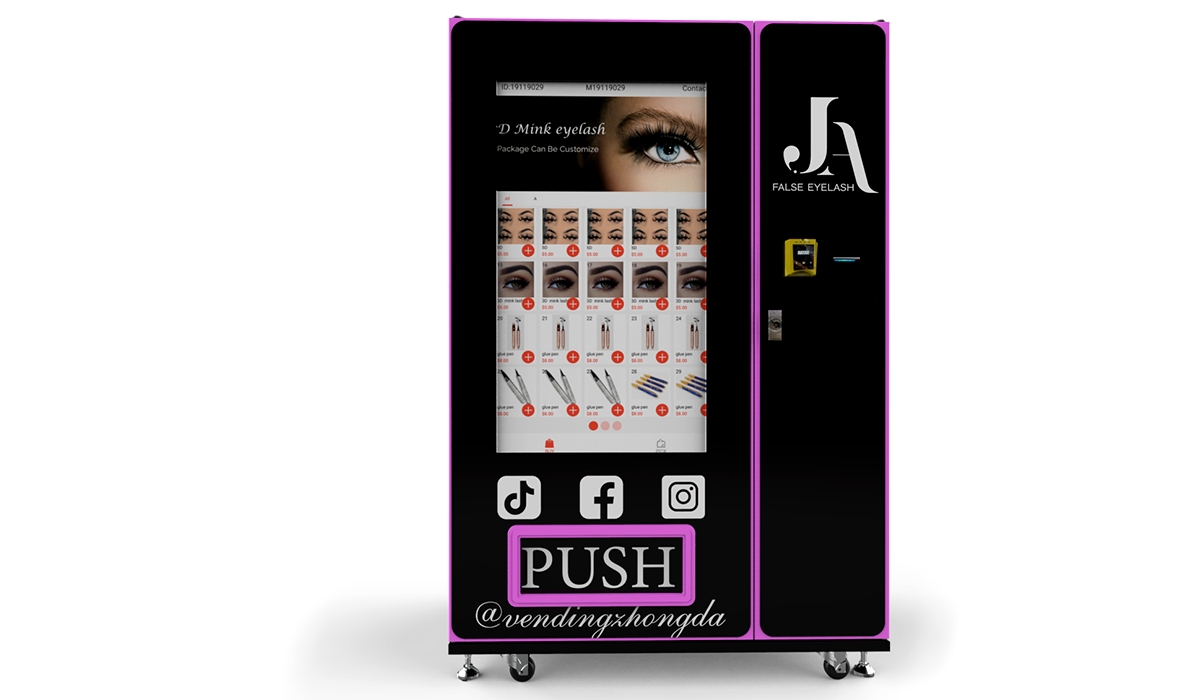
Milk vending machines are part of a larger trend toward automated retail and self-service kiosks. In Europe, you see these machines not just for milk, but for eggs, vegetables, and even fresh pasta. The technology is improving rapidly. By 2026, many machines include AI-powered inventory management that predicts when you need to restock based on historical sales data and weather patterns. That might sound like overkill, but it actually reduces spoilage significantly.
If you are considering entering this space, start small. Buy one machine, place it in a good location, and learn the operational rhythm before scaling. I have seen too many operators buy five machines at once, only to realize they cannot manage the logistics of restocking, cleaning, and servicing all of them. One profitable machine is better than five machines that barely break even.
FAQ: Milk Vending Machines in 2026
Are milk vending machines profitable?
They can be, but profitability depends heavily on location, pricing, and operating costs. A well-placed machine can generate a net profit of $500 to $1,500 per month. A poorly placed machine can lose money.
How much does a milk vending machine cost?
A new commercial-grade machine costs between $8,000 and $22,000 USD, depending on features. Used machines can be found for $3,000 to $8,000, but they come with higher risk of repair costs.
How long does it take to recoup the investment?
In a good location, you can recoup your investment in 10 to 18 months. In average locations, it may take 2 to 3 years. Some machines never recoup their cost if the location is wrong.
Should I buy or lease a milk vending machine?
If you are new, leasing can reduce your upfront risk. However, leasing typically costs more over time. I recommend buying a new machine if you have the capital and a confirmed location. Leasing makes sense if you want to test multiple locations first.
Where is the best place to put a milk vending machine?
Farm shops, apartment complexes in suburban areas, gas stations, and school campuses are generally strong locations. Avoid locations where fresh milk is easily available at a lower price nearby.
What permits do I need to operate a milk vending machine?
Requirements vary by country and region. In the EU, you need to comply with food hygiene regulations. In the US, you need to check state and local health department rules. Always consult with local authorities before purchasing a machine.
How do I choose a reliable supplier?
Look for manufacturers with a proven track record in dairy vending. Check for build quality, after-sales support, and spare parts availability. Zhongda Smart is one supplier I have seen deliver consistent quality for milk vending machines.
What happens if the machine breaks down?
If you have a service contract, call your technician. If you do your own repairs, keep a stock of common spare parts like valves, pumps, and seals. Remote monitoring can alert you to problems before they cause a full breakdown.
How can I reduce maintenance costs?
Clean the machine regularly, use high-quality milk to reduce clogging, and invest in a machine with remote monitoring. Preventive maintenance is much cheaper than emergency repairs.
Can I sell other dairy products in the same machine?
Yes, many machines can handle milk, yogurt, and cheese. Just make sure the refrigeration system is adequate for all products, and that you clean between different product types to avoid cross-contamination.
This guide reflects my personal experience operating vending machines in Europe and the US over the past decade. Costs and revenue figures are estimates based on real deployments and publicly available data. Individual results will vary depending on location, local regulations, and operational efficiency. Always consult local authorities and a qualified technician before purchasing or placing a milk vending machine.
Data sources: IBISWorld Vending Machine Manufacturing Industry Report (2025), Statista Cashless Payment Statistics in Vending (2025), European Vending Association market data (2024).
本文更新于2026年1月。