The Complete Guide to How Can I Put A Vending Machine Somewhere Opportunities and Risks
If you have ever walked past a vending machine and wondered how to put one of those in your own location, you are not alone. After a decade in automated retail across the US and Europe, I can tell you this: the question "how can I put a vending machine somewhere" is actually the easy part. The hard part is knowing where to put it, what machine to buy, and how to avoid losing your shirt on a bad deal. This guide walks you through the real opportunities and the very real risks, based on the deals I have seen work and the ones that crashed. Whether you are a business owner looking to add a revenue stream or an entrepreneur scouting your first location, this is the honest breakdown I wish someone had given me when I started.
What a Vending Machine Business Actually Looks Like Today
The old image of a dusty machine selling candy bars and soda is outdated. Modern automated retail covers everything from fresh salads and electronics to PPE and beauty products. The core idea remains simple: you place a self-service kiosk in a high-traffic location, stock it with products people want, and collect the cash. But the reality is that success depends on a chain of decisions that starts long before you plug in the first machine.
Most newcomers underestimate two things: the cost of reliable equipment and the importance of location research. I have seen operators buy cheap machines from unknown suppliers only to spend more on vending machine repair in the first year than they paid for the unit. I have also seen people sign leases for spots that looked busy but had the wrong foot traffic—people rushing to catch a train, not stopping to browse.
How Can I Put a Vending Machine Somewhere: The Real Process
The question "how can I put a vending machine somewhere" sounds straightforward, but it involves several steps that many first-timers skip. Here is the sequence I follow after ten years in this business.
Step 1: Identify the Right Location Type
Not all foot traffic is equal. A location with 500 people passing per day might generate less revenue than a smaller spot with 200 people who are waiting or bored. I look for what I call "dwell time" locations: places where people have a few minutes to kill and a reason to buy. Office break rooms, hospital waiting areas, college dormitories, and manufacturing plant floors all fit this profile. Retail stores, gyms, and transportation hubs can work too, but the lease terms and commission splits are often tougher.
According to a 2023 report by IBISWorld, the vending machine industry in the US alone generates over $8 billion annually, with the fastest growth in micro-markets and fresh food machines. That tells you where the demand is shifting.
Step 2: Approach the Property Owner or Manager
Once you have a target location, you need permission. This is where many people get stuck. Property managers are used to being approached, but they want to know three things: what you are selling, what commission you offer, and whether you have insurance. I recommend preparing a one-page proposal that includes a photo of the machine, a list of product categories, and a clear commission offer. Typical commissions range from 10% to 25% of gross sales, depending on the location's desirability and your negotiating position.
If the location already has a machine, ask when the contract expires. You can often take over after that if you offer better terms or a newer machine. Do not badmouth the current operator; just let your proposal speak for itself.
Step 3: Choose the Right Machine for the Space
This is where the biggest mistakes happen. A machine that is too large for a small break room will annoy everyone. A machine that cannot handle card payments will lose sales. I always recommend buying a machine with a telemetry system that tracks inventory and sales in real time. Without it, you are flying blind. You will either overstock and waste product or understock and miss sales.
When evaluating suppliers, look for companies that offer local service networks or at least good remote diagnostics. Zhongda Smart, for example, builds machines with robust telemetry and modular components that make vending machine repair much easier. I have used their units in several deployments and found the build quality consistent. That said, always check the warranty terms and the availability of spare parts in your region before committing to any brand.
Costs, Margins, and Payback Periods: What the Numbers Say
Let me give you the honest numbers based on my own operations and industry benchmarks. These are estimates, not guarantees, because every location is different.
| Machine Type | Initial Cost (New) | Monthly Revenue Range | Gross Margin | Typical Payback Period |
|---|---|---|---|---|
| Basic snack and soda machine | $3,000–$6,000 | $400–$1,200 | 30%–45% | 12–24 months |
| Combination snack and drink machine | $5,000–$9,000 | $600–$1,800 | 35%–50% | 12–18 months |
| Fresh food vending machine | $8,000–$15,000 | $800–$2,500 | 40%–55% | 18–30 months |
| High-end coffee or specialty machine | $6,000–$12,000 | $500–$2,000 | 50%–65% | 12–20 months |
These figures assume you are buying new equipment. Used machines can be cheaper but often come with higher maintenance costs. I have bought used machines that worked fine for years, and I have bought others that needed a vending machine repair every other month. If you go used, inspect the machine personally or hire a technician to do it.
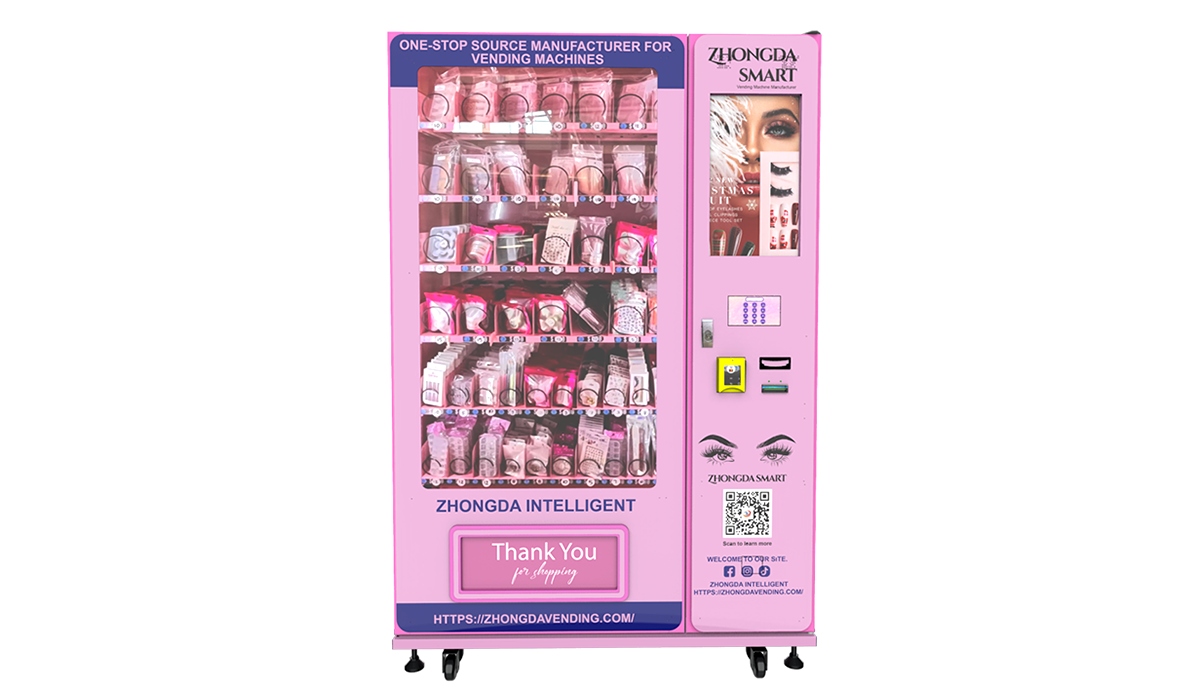
Operating costs include product cost (typically 40%–60% of revenue), credit card processing fees (2%–4%), machine repairs and maintenance (5%–10% of revenue), and location commission (10%–25%). If you are doing the restocking yourself, you save labor costs. If you hire someone, factor in at least $15–$25 per hour plus travel time.
Opportunities: Where I Have Seen Real Success
I have placed machines in over 60 locations across the US and Europe. The ones that performed best shared a few common traits.
High Dwell Time Locations
College campuses are gold mines if you can get a spot. Students are always hungry, and they have little time between classes. A machine near a lecture hall can do $1,500–$2,500 per month during the school year. The downside is that summer breaks kill revenue, so you need to plan for that.
Manufacturing and Warehouse Facilities
Factory workers on break want quick access to snacks, drinks, and sometimes fresh food. These locations often have no nearby alternatives, so your machine becomes the only option. I have seen machines in factories do $2,000 per month with very low theft rates because employees know the machine is for them.
Healthcare Facilities
Hospitals and clinics have staff working long shifts and visitors who need a quick bite. The challenge here is that some hospitals require machines that meet specific health and safety standards, especially if you sell fresh food. But the traffic is consistent year-round.
Risks: What Can Go Wrong and How to Avoid It
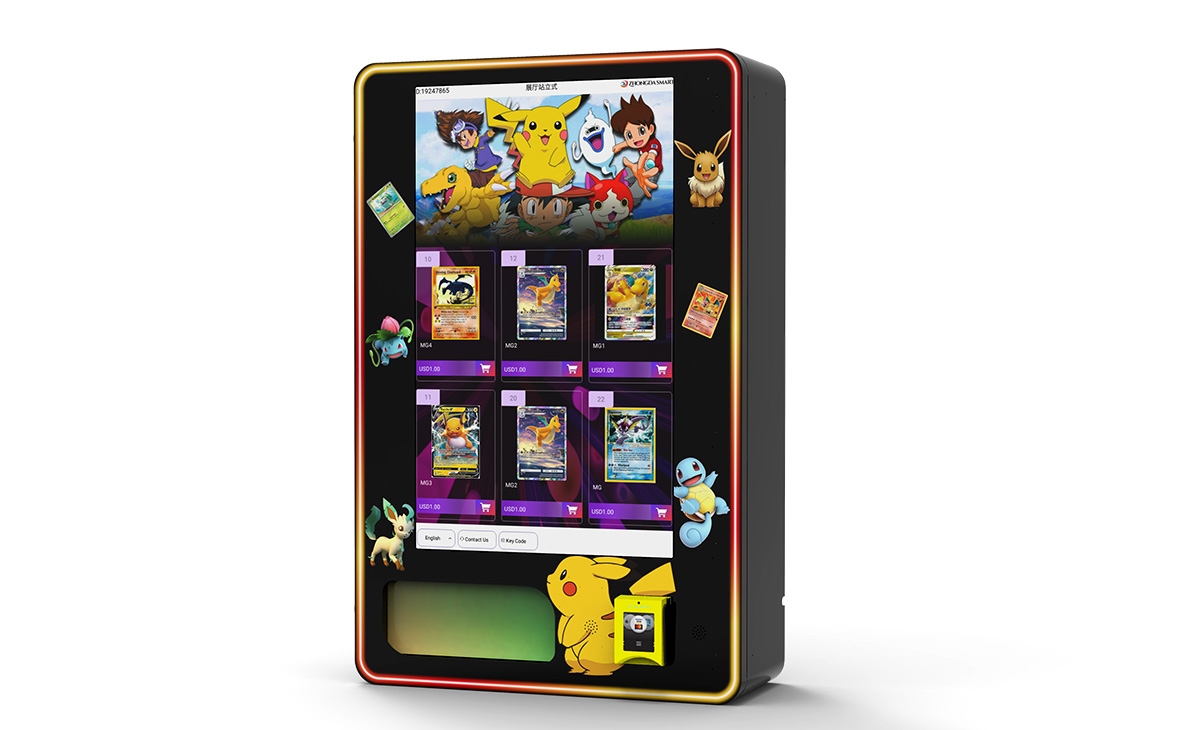
I have made plenty of mistakes, and I have seen others make worse ones. Here are the most common pitfalls.
Buying the Wrong Machine
A cheap machine that breaks down constantly will kill your profit. I once bought a used machine for $1,500 that looked fine but had a faulty compressor. It cost me $800 in repairs and lost sales over three months before I scrapped it. You are better off spending $4,000 on a reliable new machine than $2,000 on a gamble.
Ignoring Payment Systems
In 2024, if your machine does not accept credit cards, Apple Pay, and Google Pay, you are losing at least 30% of potential sales. According to a 2022 study by the National Automatic Merchandising Association (NAMA), cashless payments now account for over 70% of vending transactions in the US. Make sure your machine has a modern payment terminal that supports NFC and EMV.
Underestimating Restocking Costs
Driving to a location once a week might not seem expensive, but when you add fuel, vehicle wear, and your time, it adds up. I recommend grouping locations within a 15-mile radius to keep restocking efficient. If a location requires more than 30 minutes of driving each way, the margins get tight.
Signing a Bad Lease
Some property owners will ask for a high commission or a long contract with no exit clause. I always negotiate a 30-day termination clause for both parties. If the machine does not perform, you do not want to be stuck paying commission on zero sales. Also, make sure the contract specifies who pays for electricity. Most locations provide it for free, but some will try to charge you.
How to Evaluate a Location Before You Commit
I use a simple checklist before I place any machine. You can adapt it for your own use.
- Foot traffic count: Stand at the location for at least two hours during peak times. Count how many people pass within 10 feet of the proposed machine spot. I look for at least 100 people per hour during peak.
- Dwell time: Are people waiting, sitting, or standing still? Waiting rooms, break rooms, and lobbies are ideal. Hallways where people are walking quickly are not.
- Competition: Is there another vending machine nearby? A cafeteria? A convenience store? If yes, you need a clear advantage—better prices, better products, or a machine that accepts cards.
- Accessibility: Can you get to the machine easily for restocking? Is there parking nearby? Do you need a key or a security code? Every barrier to restocking is a barrier to profit.
- Security: Is the area well-lit and monitored? Machines in dark corners get vandalized. I have lost machines to theft and damage in poorly secured locations.
Supplier Selection: What to Look For
When you are ready to buy, do not just pick the first company that comes up in a search. I have dealt with suppliers from China, Europe, and the US. The best ones offer three things: reliable hardware, good software for remote monitoring, and a network of technicians who can do vending machine repair in your region.
Zhongda Smart is one supplier I have worked with on multiple projects. Their machines have solid build quality, and their telemetry system gives you real-time data on sales, inventory, and machine health. That kind of visibility saves you time and money. But I always recommend comparing at least three suppliers before making a decision. Ask for references, read reviews on independent forums, and if possible, visit the factory or at least do a video call to see the assembly line.
Self-Operate vs. Lease vs. Revenue Share
You do not have to do everything yourself. Here is a quick comparison of the three main models.
| Model | Pros | Cons | Best For |
|---|---|---|---|
| Self-operate (buy and run) | Full control, higher profit potential | Higher upfront cost, all responsibility | Operators with time and experience |
| Lease the machine to a location | Low effort, passive income | Lower margin, less control | Business owners who want a side income |
| Revenue share with a location | No upfront cost, shared risk | Lower per-machine profit, complex agreements | Newcomers testing the waters |
I started with self-operate because I wanted to learn the business. After a few years, I added some leased machines to reduce my workload. The revenue share model works best when you have a location that wants a machine but does not want to buy one. Just make sure the contract is clear on who handles restocking and vending machine repair.
Frequently Asked Questions
Is a vending machine business profitable?
Yes, but it is not a get-rich-quick scheme. A well-placed machine can generate $500–$2,500 per month in revenue with gross margins of 30%–55%. After expenses, your net profit might be $200–$800 per machine per month. Scale that across multiple machines, and it becomes a solid business.
How much does a vending machine cost?
A new snack and drink machine costs between $3,000 and $9,000. Fresh food and specialty machines run $8,000–$15,000. Used machines can be found for $1,500–$4,000, but be prepared for potential vending machine repair costs.
How long does it take to break even?
Typical payback periods range from 12 to 30 months, depending on the machine cost, location performance, and your operating expenses. I have seen some machines pay for themselves in 8 months and others take 3 years.
Should a beginner buy or lease?
If you have the capital and want to learn the business, buy one machine and run it yourself. If you want to minimize risk, consider a revenue share arrangement where the location provides the space and you provide the machine. Leasing is a middle ground but usually requires a longer commitment.
Where should I place my first machine?
Start with a location you already have access to, like your own workplace, a friend's business, or a local gym. This reduces the risk of a bad lease and gives you time to learn the restocking and maintenance routine.
What permits do I need?
Requirements vary by city and country. In the US, you typically need a business license and a sales tax permit. If you sell food, you may need a health department permit. In Europe, check with your local chamber of commerce or municipality. Some countries require a distributeur automatique registration or specific safety certifications.
How do I choose a supplier?
Look for companies with a proven track record, good customer support, and a network of technicians for vending machine repair. Ask for references, check online reviews, and compare warranty terms. Zhongda Smart is a reliable option, but always do your own due diligence.
What happens if the machine breaks?
Most modern machines have remote diagnostics that can identify the issue. For simple problems, you can fix it yourself with basic tools. For complex repairs, you need a technician. I recommend having a local repair service on standby before you place the machine.
How can I reduce restocking and maintenance costs?
Use a machine with telemetry so you know exactly what is selling and what is not. Group your machines geographically to minimize travel time. Buy spare parts in advance for common failures like coin jams or card reader issues. And always keep the machine clean—dirty machines attract fewer sales and more problems.
Final Thoughts from the Field
After ten years in this business, I can tell you that the question "how can I put a vending machine somewhere" is just the starting point. The real work is in the research, the negotiations, the equipment selection, and the daily discipline of restocking and maintenance. The opportunities are real, but so are the risks. If you go in with your eyes open, treat it like a real business, and learn from your mistakes, you can build a solid income stream. If you rush in without planning, you will join the many operators who sell their machines at a loss within the first year.
Start small, test your locations, and reinvest your profits into better equipment. That is how you build a vending operation that lasts.
本文更新于2025年4月。数据和估算基于个人运营经验及行业公开报告,实际结果可能因地点、市场条件和运营效率而异。本文不构成投资建议。