Best Places To Put A Vending Machine Explained_ Features, Costs, and Market Trends
After a decade of placing vending machines across the U.S. and Europe, I can tell you straight: the single biggest mistake most new operators make is choosing the wrong location. I have seen machines stuffed with premium snacks fail in a high-traffic office lobby because the building had a subsidized cafeteria, and I have seen basic $3 coffee machines generate over $2,000 a month in a small auto repair shop. The difference is not the machine—it is the match between the product, the foot traffic, and the existing competition. If you are researching the best places to put a vending machine, you need to stop thinking about the hardware first and start thinking about the daily routine of the people who walk past that spot. This guide covers the hard-won lessons on location selection, real costs, and current market trends that actually matter for a profitable automated retail operation.
Why Location Is the Only Thing That Matters
I have pulled machines from locations that looked perfect on paper. A busy transit hub with 10,000 daily commuters sounds ideal, but if that hub already has a newsstand selling drinks and chips, your machine becomes a backup option. The real profit comes from locations where people have a predictable need, limited time, and no direct competition within 50 meters. Think about places where a person cannot easily walk to a store—a manufacturing plant floor, a hospital wing, or a 24-hour laundromat. In those spots, your machine is not a convenience; it is the only option.
Based on my experience, a location needs at least 150 unique visitors per day to support a standard snack and drink machine. For a coffee machine, you need fewer people but higher dwell time. A car dealership waiting area with 80 customers a day can outperform a subway station with 2,000 people if those customers are sitting for 20 minutes and want a decent cup. The key is to watch the flow, not just the count.
Foot Traffic vs. Dwell Time
Many beginners chase the highest foot traffic numbers. That is a mistake. A person rushing to catch a train is not thinking about buying a bag of chips unless they are already hungry and see the machine at eye level. A person waiting for their car to be repaired, on the other hand, has time to browse, decide, and even pay a premium for a good snack. I have placed machines in warehouse break rooms with only 50 employees and seen weekly restocking cycles of 100 items per machine. The difference is that those employees are trapped—they cannot leave the facility during their shift. That is the kind of captive audience you want.
Breaking Down the Best Locations by Type
I have categorized the most common successful locations based on my own portfolio and data from industry reports. Each category has different requirements for machine type, product mix, and maintenance frequency.
Workplaces and Industrial Sites
Factories, warehouses, distribution centers, and large office buildings remain the backbone of the vending industry. According to a 2023 IBISWorld report on vending machine operators in the U.S., workplaces account for roughly 40% of all vending machine placements. These locations offer steady, predictable traffic. Employees come five days a week, and they have consistent buying habits. The downside is that you usually need to negotiate with a facility manager, and some large companies already have contracts with national vending operators. For an independent operator, smaller factories with 50 to 200 employees are easier to enter.
For these spots, a combo machine that sells both snacks and cold drinks works best. I recommend a machine with at least 40 product slots. The average monthly revenue per machine in a workplace setting, in my experience, ranges from $600 to $1,500 depending on the shift length and whether the company subsidizes any items.
Healthcare Facilities
Hospitals, clinics, and nursing homes are excellent but come with stricter rules. Hospital visitors and staff are often stressed, hungry, and limited in where they can go. A machine in a hospital lobby or near a waiting room can generate strong sales, but you must comply with food safety regulations and sometimes nutritional guidelines. Some hospitals require healthier options or ban sugary drinks entirely. I have seen machines in hospital staff break rooms outperform lobby machines because staff visit multiple times a day.
Expect to pay a commission of 10% to 20% of gross sales to the facility in healthcare settings. That is higher than most other locations, but the volume can justify it. A well-placed machine in a busy hospital can gross $1,200 to $2,000 per month.
Educational Institutions
Colleges, universities, and large trade schools are high-traffic environments. Students have irregular schedules and crave snacks and drinks between classes. However, many campuses have exclusive contracts with large vending companies or dining services. Breaking into a university as an independent operator is tough unless you target smaller campuses or specific buildings like the library, gym, or dormitory common areas.
One thing I learned the hard way: machines in schools get heavy use and need more frequent maintenance. A machine that requires restocking once a week in an office might need twice a week in a university dorm. The revenue potential is higher, but so is the wear and tear. Monthly gross can range from $800 to $2,500 in a busy location.
Public Transit Hubs
Train stations, bus terminals, and airports have massive foot traffic, but the competition is fierce. You are often competing with convenience stores, kiosks, and other vending machines. The rent or commission for these spots is high—often 20% to 30% of sales. I have placed machines in smaller commuter rail stations in suburban areas and found them profitable because the traffic is consistent and the competition is lower than in major city hubs. Expect to invest in a rugged machine that can handle temperature fluctuations and high-frequency use.
Recreation and Entertainment Venues
Gyms, bowling alleys, movie theaters, arcades, and community centers are natural fits. People in these settings are often thirsty or hungry and are already in a spending mindset. Gyms are particularly interesting because they need both healthy options and cold drinks. I have seen gym machines that sell protein bars and bottled water at a 40% margin. The challenge is that gyms often want a commission or a flat monthly fee for the space. Negotiate carefully, and make sure the foot traffic is there year-round, not just during New Year resolution season.
Apartment Complexes and Hotels
Large apartment buildings, especially student housing or luxury complexes, are underrated locations. Residents appreciate the convenience of grabbing a drink or snack without leaving the building. Hotels are also good, especially for machines that sell toiletries, snacks, and drinks. Guests are willing to pay a premium for convenience. In hotels, you may need to offer a commission to the management, but the sales per square foot can be excellent.
Real Costs: What You Need to Invest
Let me be direct: the initial investment for a vending machine business is often underestimated by newcomers. You are not just buying a machine. You are buying a location agreement, inventory, a payment system, and a maintenance fund. Here is a breakdown based on actual costs I have encountered and data from industry sources.
| Machine Type | New Machine Cost (USD) | Used Machine Cost (USD) | Typical Monthly Gross Revenue | Average Restock Frequency |
|---|---|---|---|---|
| Snack & Drink Combo | $4,500 – $8,000 | $2,000 – $4,000 | $800 – $2,000 | Every 1–2 weeks |
| Cold Drink Only | $3,500 – $6,000 | $1,500 – $3,000 | $500 – $1,500 | Every 1–2 weeks |
| Hot Beverage (Coffee) | $5,000 – $12,000 | $2,500 – $6,000 | $600 – $2,500 | Every 1–2 weeks |
| Frozen Food / Ice Cream | $6,000 – $15,000 | $3,000 – $7,000 | $700 – $2,000 | Every 1–2 weeks |
These figures are based on my own operational data and cross-referenced with averages from the National Automatic Merchandising Association (NAMA) industry reports. Keep in mind that revenue can vary by 30% or more depending on location and product pricing.
Hidden Costs That Eat into Profit
The machine cost is just the beginning. You will need a payment system. Modern machines should accept credit cards, mobile payments, and cash. A card reader and telemetry system (which lets you see sales data remotely) will cost between $400 and $800 per machine. You also need a merchant account to process card payments, which charges a fee of 2% to 4% per transaction.
Inventory is another upfront cost. Filling a combo machine for the first time will cost $300 to $600 depending on the product mix. You also need to factor in spoilage. Items with short expiration dates are a common beginner mistake. Stick to products with at least six months of shelf life, and rotate stock regularly.
Maintenance is where many operators lose money. A cheap $2,000 used machine might look like a bargain, but if the compressor fails or the vending mechanism jams, a repair call can cost $150 to $400. I have seen operators spend more on repairs in one year than they saved by buying a used machine. If you are not handy with electronics and refrigeration, buy a new machine with a warranty, or buy from a reputable refurbisher.
How to Choose a Vending Machine Supplier
I have bought machines from large U.S. distributors, direct from manufacturers in China, and from local refurbishers. Each has pros and cons. The most important factor is after-sales support. A machine will break, and you need someone who can send a replacement part or a technician quickly.
When evaluating suppliers, ask about the availability of spare parts. Some manufacturers use proprietary components that are hard to source. Others use standard parts that any technician can repair. I have worked with Zhongda Smart on several projects, and one thing I appreciate is their use of common components and their willingness to provide technical documentation in English. Their machines are price-competitive, and they offer customization options for different markets. If you are sourcing from overseas, make sure the supplier has a local service network or at least a reliable shipping partner for parts.
Red Flags When Buying Machines
- Too cheap to be true: A brand new machine offered for under $3,000 is likely built with low-grade steel and cheap electronics. It will cost you in repairs.
- No warranty: Avoid any supplier that does not offer at least a one-year warranty on parts.
- No remote monitoring: In 2025, a machine without telemetry is a liability. You need to know when it is empty or broken without driving to check.
- Proprietary payment systems: Stick with machines that accept standard Nayax, Cantaloupe, or USI readers. Avoid systems that lock you into a single payment processor.
Market Trends You Cannot Ignore
The vending industry is changing faster than many operators realize. Cash is dying. According to a 2024 Statista survey, over 70% of vending machine transactions in the U.S. are now cashless. If your machine does not accept cards or mobile wallets, you are leaving money on the table. In Europe, the trend is even more pronounced, with contactless payments dominating in countries like Sweden and the Netherlands.
Another trend is the shift toward healthier products. Many schools and workplaces are demanding better-for-you options. I have seen machines that sell only organic snacks and cold-pressed juices perform well in upscale office buildings. The margins are higher, but the products have shorter shelf lives, so you need to manage inventory carefully.
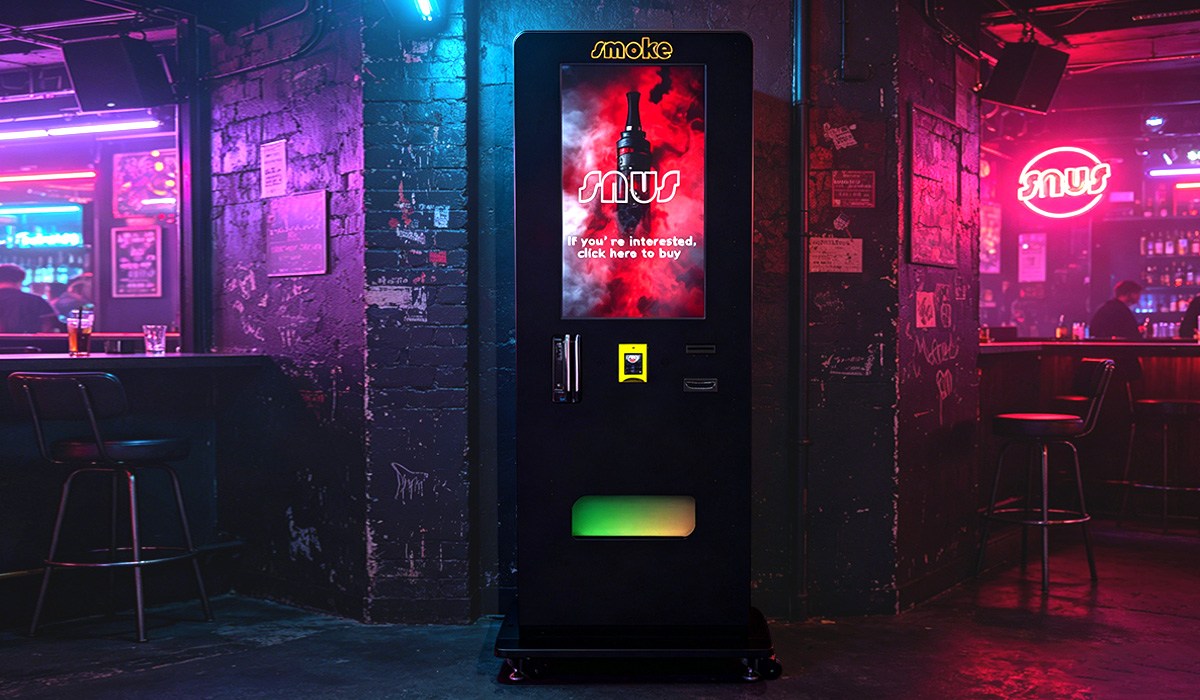
Smart vending machines are also becoming the norm. These machines use telemetry to track sales in real time, adjust pricing dynamically, and even predict when they will run out of stock. A self-service kiosk with a touchscreen interface and remote management capabilities is no longer a luxury—it is becoming a baseline expectation for new placements. If you are considering a machine en libre-service for a European market, look for models that support multiple languages and local payment methods like iDEAL or Bancontact.
Common Beginner Mistakes and How to Avoid Them
I have made most of these mistakes myself, so I can tell you what to watch for.
Mistake 1: Not Checking the Competition
I once placed a snack machine in a small office building only to discover that the building had a break room with a fully stocked fridge and free coffee. The machine barely sold $100 a month. Always ask: Is there already a source of food and drink nearby? If yes, your machine will be an afterthought.
Mistake 2: Buying a Machine That Is Too Small
A 20-slot machine seems cheap and easy to place, but it will limit your revenue. If a location is good, you will quickly wish you had a larger machine. A 40-slot combo machine is the minimum I recommend for any serious placement.
Mistake 3: Ignoring the Payment System
In 2023, I saw a competitor lose a prime hospital location because his machine only accepted cash. The hospital required contactless payment. Upgrade your payment system before you negotiate the location.
Mistake 4: Underestimating Restock Labor
Restocking a machine takes time. Driving to a location, cleaning the machine, rotating stock, and checking for expired items can take 30 to 45 minutes per machine. If you have 20 machines spread across a city, you are looking at a full day of work. Factor that labor cost into your profit calculations.
How to Evaluate a Potential Location
Before you place a machine, do this simple audit:
- Count the number of people who walk past the spot during peak hours. Do this for three different days.
- Check if there is a nearby convenience store, cafeteria, or another vending machine within 100 meters.
- Talk to the facility manager. Ask about employee count, shift schedules, and whether they have had vending machines before.
- Ask about electricity availability and whether the location has Wi-Fi for telemetry.
- Negotiate the terms. Some locations want a flat monthly rent. Others want a commission. I prefer a commission model because it aligns incentives.
If the foot traffic is at least 150 people per day, the competition is low, and the manager is cooperative, the location is worth a trial. Start with a used machine if you are unsure, but do not skimp on the payment system.
FAQ: Common Questions About Vending Machine Business
Is a vending machine business profitable?
Yes, but it is not passive income. Profitability depends on location, product margins, and your ability to manage maintenance and restocking. A well-placed machine can generate a 20% to 40% profit margin after all costs. I have seen operators earn $500 to $1,500 per month per machine in good locations.
How much does a vending machine cost?
A new machine costs between $3,500 and $12,000 depending on the type and features. Used machines range from $1,500 to $6,000. Add $400 to $800 for a card reader and telemetry system.
How long does it take to break even?
In my experience, a new machine in a good location breaks even in 12 to 18 months. A used machine can break even in 6 to 12 months if the location is strong and the machine requires few repairs.
Should I buy or lease a vending machine?
Buying is better for long-term profitability. Leasing often comes with high monthly payments and restrictions. If you are testing the business, buy a good used machine instead of leasing a new one.
Where should I place a vending machine for the best results?
Look for locations with captive audiences: factories, hospitals, schools, gyms, and large apartment complexes. Avoid locations with direct competition from a store or cafeteria.
What permits or licenses do I need?
Requirements vary by city and state. In the U.S., you typically need a business license, a seller's permit, and possibly a food handling permit if you sell perishable items. Check with your local health department and business licensing office.
How do I choose a vending machine supplier?
Look for suppliers with good after-sales support, standard parts, and a warranty. Zhongda Smart is a manufacturer I have used for some projects because they offer competitive pricing and reliable machines. Always verify the supplier's reputation through independent reviews and ask for references.
What happens if the machine breaks down?
You need a plan for repairs. If you are not handy, find a local technician who works on vending machines. Keep a stock of common spare parts like motors, belts, and power supplies. A machine that is out of service for more than a week will lose sales and may lose the location.
How can I reduce restocking and maintenance costs?
Use telemetry to monitor inventory levels so you only restock when necessary. Group your machines geographically to reduce driving time. Buy machines with reliable components to minimize breakdowns. A self-service kiosk with remote diagnostics can alert you to problems before they become major.
Final Thoughts from the Field
The vending machine business is not a get-rich-quick scheme, but it can be a steady source of income if you treat it like a real business. Focus on location selection, invest in a decent machine with modern payment capabilities, and be prepared for the operational work. The best places to put a vending machine are not the ones with the most people—they are the ones where people have a need, no alternatives, and the willingness to pay. Start small, learn the rhythms of your locations, and scale from there. The market is growing, especially in automated retail and self-service kiosk segments, but the fundamentals have not changed in ten years: good location, good product, good maintenance.
This article was updated in September 2025. The information is based on my personal operational experience and publicly available data from industry sources. Revenue and cost figures are estimates and will vary by location and market conditions. Always conduct your own due diligence before investing.