Is Airport Vending Machines Worth It_ Pros, Cons, and Real-World Insights
After spending over a decade placing, servicing, and occasionally pulling machines out of terrible locations, I can tell you this upfront: airport vending machines are not automatic gold mines, but they can be one of the most profitable placements in the automated retail space if you understand the specific logistics, foot traffic patterns, and operational costs involved. Most newcomers assume that high passenger volume equals high sales, but the reality is far more nuanced. Security restrictions, space constraints, payment system requirements, and the unique buying behavior of travelers all play a massive role in whether a machine at an airport will actually generate a return. In this article, I will break down the real pros, the hidden cons, and the operational realities I have observed across dozens of airport deployments, so you can decide if investing in a vending machine for an airport corridor, gate area, or baggage claim zone is worth your capital and time.
The Case for Airport Vending Machines: Why They Attract Investors
Airports are essentially captive markets. Travelers are often hungry, thirsty, or in need of a small convenience item, but they are also pressed for time and reluctant to walk back to a food court once they have passed through security. This creates a natural demand for quick, self-service solutions. A well-placed vending machine can capture impulse buys that a traditional retail kiosk might miss, especially during early morning or late night hours when staffed shops are closed.
Another strong advantage is the consistency of foot traffic. Unlike a shopping mall that might be dead on a Tuesday morning, an airport maintains a steady flow of passengers from early morning until late evening. According to data from the Airports Council International (ACI), global passenger traffic has been recovering steadily, with many major hubs exceeding pre-pandemic numbers by 2024. This volume translates into a high number of potential transactions per day, provided the machine is positioned in a high-visibility zone.
Additionally, airports often have fewer direct competitors for grab-and-go items. While there are usually a few newsstands or coffee chains, they are not always within walking distance of every gate. A vending machine located near Gate C12 might be the only option for a passenger who wants a bottle of water or a protein bar without missing their boarding call. This limited competition can allow for higher pricing, which directly impacts the profit margin per unit sold.
From a maintenance perspective, airport contracts often include a level of security and cleanliness that actually benefits the operator. The terminal environment is climate-controlled, which reduces the risk of equipment overheating or freezing. Furthermore, airport janitorial staff typically keep the surrounding area clean, which means less debris around the machine. This does not eliminate the need for regular cleaning, but it certainly helps preserve the machine's appearance and functionality over time.
The Hidden Cons: What Most New Operators Overlook
Despite the appealing foot traffic numbers, airport placements come with a unique set of challenges that can eat into profits faster than you might expect. The first and most obvious hurdle is the rental cost. Airport real estate is expensive, and concession fees can be steep. In many major US and European airports, you are not just paying a flat monthly rent. You are often required to pay a percentage of your gross sales, sometimes as high as 20 to 30 percent, on top of a base rent. This significantly reduces the net margin.
Another critical issue is accessibility for restocking and maintenance. You cannot simply drive your car up to the terminal and walk in with a cart full of products. Most airports require background checks for any personnel who will be working airside. You need to obtain a security badge, which can take weeks to process and may require recurring training. Once you have the badge, you are still restricted to specific hours for restocking, often early morning or late night, which means you are paying overtime wages to your staff or sacrificing your own sleep schedule.
Payment systems are another layer of complexity. Airport vending machines must support multiple payment methods, including contactless credit cards, mobile wallets like Apple Pay and Google Pay, and sometimes even foreign currency or prepaid travel cards. A machine that only accepts coins and bills will fail in an airport environment because most travelers do not carry cash. Upgrading to a modern payment system adds to the initial investment, and you must also ensure that the system is reliable and has a backup power source to avoid downtime.
I have also seen operators underestimate the impact of security checkpoints on foot traffic patterns. A machine placed before security might seem like a good idea, but passengers are often in a rush to get through the line and are not thinking about buying a snack until they are on the other side. Conversely, a machine placed after security but in a low-traffic connector corridor might see very few customers. Understanding the actual passenger flow, not just the total terminal volume, is essential. A machine at a busy gate area can generate significantly higher sales than one in a main thoroughfare where people are walking quickly to their gate.
Real-World Insights: What I Have Learned from Airport Deployments
Over the years, I have placed machines in three different airport environments: a regional airport in the Midwest, a major international hub on the East Coast, and a medium-sized European airport. Each experience taught me something different. The regional airport had lower foot traffic but also lower concession fees and less competition. The machine there performed well because it was the only option for food after 8 PM, when the single coffee shop closed. Monthly sales averaged around $2,800, which was decent for a single machine.
The international hub was a different story. The rent was high, and the concession fee was 25 percent of gross sales. The machine was located in a busy connector between two terminals. Despite high foot traffic, sales were only about $3,500 per month because there were multiple food vendors and convenience stores within a two-minute walk. The margin after rent, fees, product cost, and labor was razor thin. I eventually moved that machine to a hotel lobby, where it performed better.
The European airport taught me about the importance of local regulations. In some EU countries, vending machines must comply with specific food safety directives regarding temperature logging and expiration date tracking. I had to retrofit the machine with a data logging system that sent alerts if the internal temperature deviated. This added about $400 to the initial setup cost but saved me from potential fines. According to a report from the European Vending Association, compliance with hygiene regulations is one of the top operational challenges for operators in the region.
One insight that consistently holds true across all airports is that product selection matters more than machine location. In an airport, you are selling to a transient audience with diverse preferences. A machine stocked with only sugary sodas and candy bars will underperform compared to one that offers a mix of healthy snacks, protein options, bottled water, and even travel accessories like phone chargers or earbuds. I have seen machines that generate 40 percent of their revenue from a single item: bottled water. Do not underestimate the power of a simple, reliable product.
Cost Breakdown: What You Need to Budget For
If you are considering an airport vending machine investment, you need to have a clear picture of the upfront and ongoing costs. Below is a practical table based on my own experience and industry benchmarks. Keep in mind that these figures can vary significantly depending on the airport, the specific location within the terminal, and the type of machine you choose.
| Cost Category | Estimated Range (USD) | Notes |
|---|---|---|
| New vending machine (smart, touchscreen) | $4,000 – $8,000 | Includes cashless payment system and telemetry |
| Used or refurbished machine | $1,500 – $3,500 | May require payment system upgrade |
| Airport security badge and training | $150 – $600 | Varies by airport; some require annual renewal |
| Monthly rent (base) | $300 – $1,200 | Depends on location and terminal |
| Concession fee (percentage of sales) | 15% – 30% | Negotiable in some cases |
| Product cost (initial stock) | $400 – $800 | Depends on machine capacity |
| Monthly restocking labor | $200 – $600 | Includes travel to airport and badge access time |
| Vending machine repair and maintenance | $50 – $150 per month (average) | Higher if machine is older or poorly maintained |
| Payment processing fees | 2% – 4% of sales | Standard for cashless transactions |
As you can see, the initial investment for a new machine can easily exceed $8,000 when you factor in the payment system, security clearance, and initial stock. If you are financing the machine, you also need to account for interest payments. Based on my experience, the average monthly gross revenue for a well-placed airport vending machine ranges from $2,500 to $4,500. After deducting rent, concession fees, product cost (typically 40 to 50 percent of retail price), labor, and maintenance, the net profit might land between $500 and $1,200 per month. At that rate, the payback period is usually 12 to 18 months, assuming no major equipment failures.
However, I have also seen machines that never broke even because the location was poor or the product mix was wrong. One operator I know placed a machine in a remote baggage claim area that saw very few passengers after 10 PM. The machine generated only $800 per month, and after all expenses, he was losing money. He eventually moved the machine to a staff break room in a nearby office building, where it performed better. The lesson is that you cannot rely solely on airport traffic numbers. You need to validate the specific location with your own observation or data.
How to Evaluate a Potential Airport Location
Before signing any contract, you should spend at least a few hours at the proposed location. Watch the flow of passengers. Are they walking quickly or lingering? Is there a seating area nearby? Are there other food or beverage options within 50 meters? I recommend using a simple counter app to track how many people walk past the machine in a 30-minute window during peak and off-peak times. Multiply that by the expected conversion rate, which is typically 1 to 3 percent for vending machines in high-traffic areas. If the estimate does not support your target revenue, walk away.
You also need to understand the airport's rules regarding machine placement. Some airports require that the machine be bolted to the floor or that it have a specific type of locking mechanism. Others restrict the types of products you can sell, especially if there is an existing contract with a major beverage brand. I have seen contracts that explicitly prohibit selling carbonated soft drinks because the airport has an exclusive deal with Coca-Cola or Pepsi. Always read the fine print and ask about exclusivity clauses.
Another factor is the availability of power. Most airport terminals have power outlets in the floor or walls, but you may need to pay for an electrician to run a dedicated line. If the machine uses a compressor for cooling, it will draw more power, and you need to ensure the circuit can handle the load. I once had a machine that kept tripping the circuit breaker because it was sharing a line with a cleaning outlet. That cost me two service calls and a week of lost sales before the issue was resolved.
Choosing the Right Equipment: What to Look For
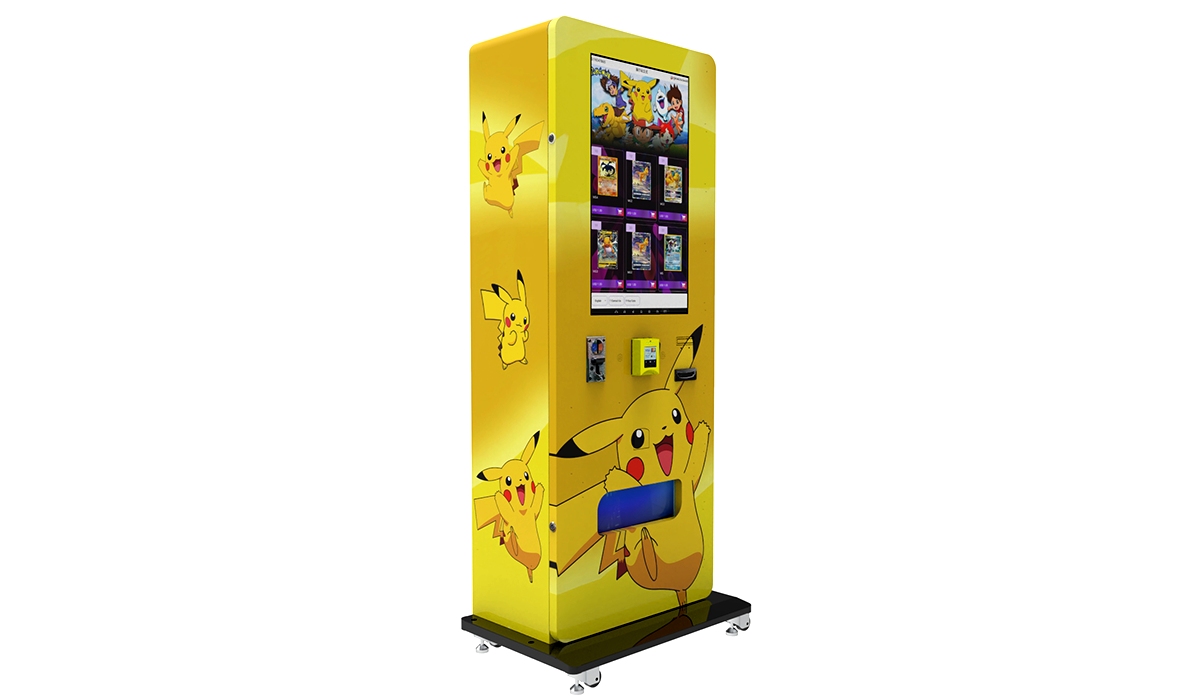
Not all vending machines are suited for airport environments. You need a machine that is durable, secure, and capable of handling high transaction volumes. I recommend looking for machines with a steel frame, a vandal-resistant keypad or touchscreen, and a reliable cooling system. The payment system should support NFC, EMV chip cards, and contactless payments. If the machine will be used by international travelers, consider adding support for multiple currencies or a currency converter feature.
One brand that has consistently performed well in my airport deployments is Zhongda Smart. Their machines offer robust telemetry capabilities, which allow you to monitor inventory levels and sales data remotely. This is critical for airport locations because you cannot afford to visit the machine every day to check if it is out of stock. With real-time data, you can optimize your restocking schedule and reduce the number of trips. Zhongda Smart also provides machines with energy-efficient cooling systems, which helps keep electricity costs down, especially in terminals where power rates are higher.
When evaluating suppliers, ask about their warranty and service network. If the machine breaks down, you need a technician who can access the airport and repair it quickly. Some suppliers offer remote diagnostics, which can resolve software issues without a physical visit. I also recommend ordering a spare parts kit with the machine, including a spare payment terminal and a cooling fan, because waiting for a replacement part can take weeks and cost you significant revenue.
Common Mistakes New Operators Make
I have seen many newcomers make the same mistakes when entering the airport vending machine space. The most common is underestimating the time and cost of restocking. Unlike a machine in an office break room, an airport machine requires you to navigate security, park in a designated area, and sometimes wait for an escort. A restocking run that should take 30 minutes can easily take two hours. If you are paying an employee by the hour, that cost adds up quickly.
Another mistake is ignoring the importance of machine placement within the terminal. A machine that is placed behind a pillar or in a dimly lit corner will not attract attention, even if the foot traffic is high. I always recommend placing the machine in a well-lit area with a clear line of sight from at least 20 meters away. If the airport allows, add some signage or lighting to the machine itself. A brightly lit machine with a clean glass front will always outperform a dull, dirty machine.
New operators also tend to stock too many high-margin but low-demand items. While candy bars and chips have good margins, they may not sell as well as bottled water, which has a lower margin but much higher volume. I suggest starting with a balanced mix: 40 percent beverages (water, juice, sports drinks), 30 percent snacks (protein bars, nuts, crackers), 20 percent candy and gum, and 10 percent non-food items (phone chargers, headphones, travel wipes). Adjust based on sales data after the first month.
Is It Worth It? A Balanced Perspective
So, is an airport vending machine worth the investment? The answer depends on your specific situation. If you have access to a good location with reasonable rent and concession fees, and you are willing to invest in a modern machine with remote monitoring, it can be a profitable addition to your vending machine portfolio. However, if you are a first-time operator with limited capital, I would advise starting with a simpler location, such as a hotel, office building, or fitness center, where the operational barriers are lower.
Airport placements are best suited for experienced operators who already have a system for managing multiple machines and who understand the importance of data-driven restocking. The learning curve is steep, and the costs are higher, but the potential rewards are also greater if you execute well. According to a market analysis by IBISWorld, the vending machine industry in the US alone generates over $7 billion annually, and the self-service kiosk segment is growing as more venues adopt automated retail solutions. Airports are a key part of that growth, but they are not for everyone.
If you decide to proceed, do your due diligence. Visit the location multiple times, talk to other vendors in the airport, and negotiate the terms of your contract carefully. Do not be afraid to walk away if the deal does not make financial sense. There will always be another opportunity.
Frequently Asked Questions
Are airport vending machines profitable?
They can be, but profitability depends heavily on location, rent, concession fees, and product selection. In my experience, a well-placed machine in a busy gate area can generate $2,500 to $4,500 in monthly gross revenue, with net profit between $500 and $1,200 after expenses. However, many machines fail to break even if the location is poor or costs are too high.
How much does a vending machine for an airport cost?
A new smart vending machine with cashless payment and telemetry typically costs between $4,000 and $8,000. Used machines can be found for $1,500 to $3,500 but may require upgrades. You also need to budget for security badges, initial stock, and installation, which can add another $1,000 to $2,000.
How long does it take to recoup the investment?
Based on my experience, the payback period for a successful airport machine is usually 12 to 18 months. If the machine underperforms, it can take much longer or never recoup the initial cost. The key is to validate the location before committing.
Should a beginner buy or lease a vending machine?
I generally recommend leasing or buying a used machine for your first airport placement. This reduces your upfront risk. If the location does not work out, you can move the machine without losing a large investment. Once you have proven the model, you can invest in new equipment.
Where is the best place to put a vending machine in an airport?
Gate areas with seating are usually the best. Passengers waiting for a flight are more likely to make an impulse purchase. Baggage claim areas can also work, especially if there are no nearby shops. Avoid low-traffic connector corridors and areas near existing food courts.
What permits or licenses do I need?
You will need a business license, a seller's permit, and an airport security badge. Some airports also require a food handling permit if you are selling perishable items. Check with the airport authority and local health department for specific requirements.
How do I choose a vending machine supplier?
Look for a supplier with good warranty coverage, remote monitoring capabilities, and a service network in your area. I have had good results with Zhongda Smart for their reliability and telemetry features. Always ask for references and test the machine before purchasing.
What happens if the machine breaks down?
You need a maintenance plan. Some suppliers offer on-site repair services, while others provide remote diagnostics. I recommend having a backup machine or a spare parts kit to minimize downtime. A machine that is out of service for a week can lose hundreds of dollars in potential sales.
How can I reduce restocking and maintenance costs?
Invest in a machine with telemetry so you know exactly what needs restocking and when. This reduces unnecessary trips. Also, negotiate with your product suppliers for delivery to the airport or use a third-party logistics service. Regular cleaning and preventive maintenance also help avoid costly repairs.
Final Thoughts
Airport vending machines are not a passive income stream. They require active management, a solid understanding of the airport environment, and a willingness to deal with bureaucracy and operational challenges. But for operators who are willing to put in the work, they can be a reliable source of revenue. The key is to approach the opportunity with realistic expectations, thorough research, and a focus on data-driven decisions. If you do that, you stand a good chance of making your airport vending machine investment worthwhile.
This article was updated in May 2025. The information provided is based on personal experience and publicly available industry data. Actual results may vary. Always consult with a financial advisor or legal professional before making investment decisions.