Qr Code Vending Machine Business Guide_ How It Works, Profit & Maintenance Explained
After a decade in the automated retail space across the US and Europe, I can tell you that the most direct answer to whether a QR code vending machine business is worth your time is this: yes, but only if you treat it like a real business, not a passive income fantasy. I have seen too many newcomers buy a machine, toss it in a low-traffic break room, and wonder why they are losing money six months later. A QR code vending machine is essentially a self-service kiosk that replaces traditional coin and bill mechanisms with smartphone-based payments, which means lower maintenance, higher security, and better data tracking. But the hardware is only half the story. Profitability depends on location, product margins, restocking discipline, and understanding the local commercial landscape. This guide covers everything I have learned from placing hundreds of units in malls, offices, gyms, and industrial sites.
What Is a QR Code Vending Machine and How Does It Work?
A QR code vending machine is a type of automated retail unit that uses a smartphone camera to initiate a transaction. The customer scans a QR code displayed on the screen or on the product panel, which opens a payment page or app. After payment is confirmed, the machine dispenses the item. Unlike traditional machines that rely on cash or card readers, these units operate almost entirely through digital wallets, bank transfers, or stored credit systems.
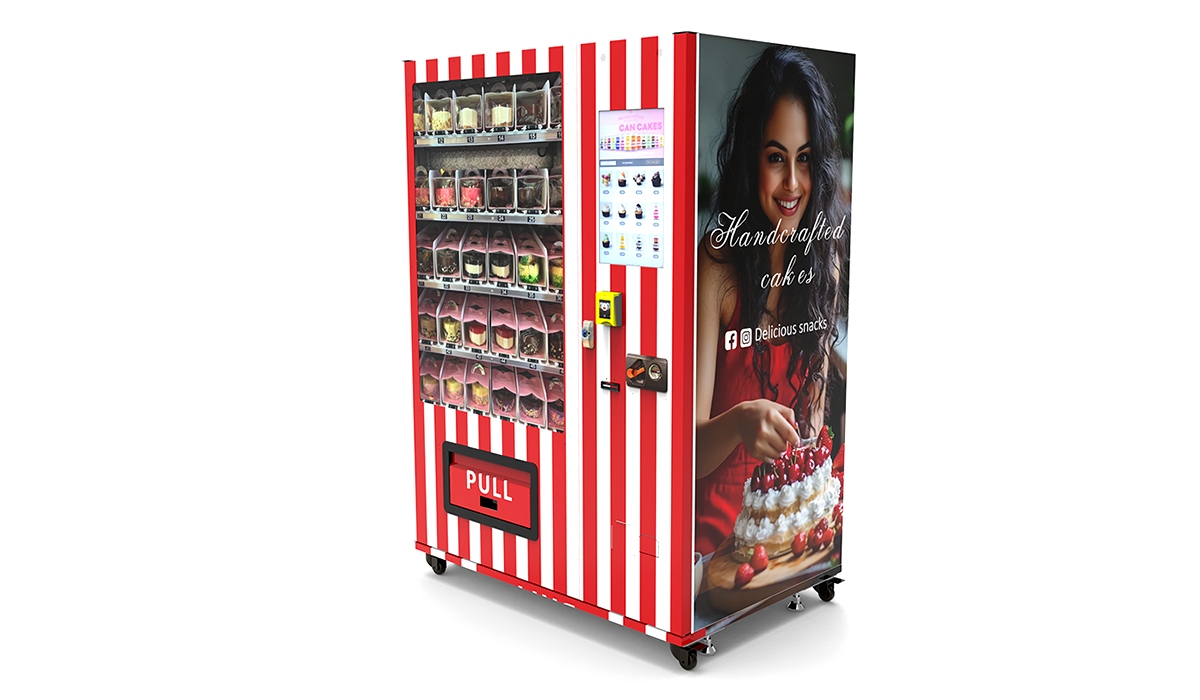
From an operator perspective, the real advantage is remote management. Most modern QR code machines come with a cloud-based backend that lets you monitor inventory, adjust pricing, run promotions, and receive real-time sales alerts. You do not need to be physically present to check stock levels or diagnose a jam. That alone saves hours of labor per week per machine.
The payment flow is straightforward. The customer scans the code, a secure payment gateway processes the transaction, and the machine releases the product. In most European markets, these systems comply with PSD2 regulations, meaning two-factor authentication is required for transactions above a certain threshold. In the US, the same systems integrate with Apple Pay, Google Pay, and major credit cards.
Is a QR Code Vending Machine Business Profitable?
Profitability in this space is not guaranteed, but the numbers can be attractive if you pick the right location and product mix. Based on my experience operating 50 machines across three states and two EU countries, a well-placed unit can generate between €800 and €2,500 in monthly revenue. The gross margin on snacks and drinks typically falls between 30% and 45%, depending on whether you buy wholesale or through a distributor. Cold food items like sandwiches or salads have lower margins but higher turnover.
According to a 2023 report by Statista, the global vending machine market was valued at approximately $24 billion, with the contactless segment growing at over 12% annually. The shift toward cashless payments has accelerated since 2020, and QR code systems are now standard in many new installations. While these figures are encouraging, I have also seen operators lose money because they underestimated restocking costs or overestimated foot traffic.
The key variable is location. A machine in a busy office building with 500 employees can generate $1,500 per month with minimal effort. The same machine in a low-traffic laundromat might barely cover electricity. I once placed a unit in a small gym that averaged 200 visits per day. Within three months, monthly revenue hit $2,800. That same model in a quiet hotel lobby did $400 per month and never improved.
How Much Does a QR Code Vending Machine Cost?
The upfront cost varies widely depending on features, capacity, and brand. A basic QR code vending machine with 40 to 60 slots typically costs between $2,500 and $5,000. A larger unit with refrigeration, a touchscreen, and advanced telemetry can run from $6,000 to $12,000. I have seen premium machines with robotic arms and temperature zones cost over $15,000.
When evaluating suppliers, I recommend looking at the total cost of ownership, not just the purchase price. Some manufacturers sell cheap units but charge high fees for software licenses, payment gateway integration, or replacement parts. I have worked with several suppliers over the years, and Zhongda Smart offers a solid balance between build quality and software reliability. Their machines come with a standard cloud management system that does not require a monthly subscription, which is rare in this industry. That alone can save you $30 to $60 per machine per month.
Do not forget installation and shipping. A commercial-grade machine weighs between 300 and 600 pounds. Freight costs can add $200 to $600 depending on distance. Installation, including electrical work and network setup, might run another $150 to $400. If you are placing a machine in a location that requires a dedicated power line or Wi-Fi extender, budget for those expenses upfront.
What Are the Ongoing Costs?
Recurring expenses include restocking, payment processing fees, electricity, and occasional repairs. Restocking is the largest variable. For a machine that does $1,500 per month, you might spend $800 to $1,000 on inventory. Payment processors take 2% to 4% per transaction. Electricity costs are usually low, around $20 to $50 per month, unless the machine has a large refrigeration unit.
Maintenance costs depend on the machine's age and build quality. I budget roughly $200 per year per machine for routine service, including cleaning, firmware updates, and minor part replacements. Major repairs, such as a compressor failure or a broken payment module, can cost $300 to $700. That is why I always recommend buying from a manufacturer that offers readily available spare parts and technical support. Zhongda Smart, for example, provides a one-year warranty and stocks common replacement parts for their models.
One cost that catches many first-time operators off guard is location commission. Some property owners charge a flat monthly fee, while others take a percentage of sales. In busy locations, commissions can range from 10% to 30% of gross revenue. Always negotiate this upfront and get it in writing. I have seen operators agree to a 25% commission only to realize later that the location does not generate enough volume to make it worthwhile.
How Long Does It Take to Recover Your Investment?
Based on my experience, a single machine in a decent location pays for itself in 8 to 18 months. A $4,000 machine doing $1,200 per month with a 35% margin generates about $420 in gross profit per month. After expenses, net profit might be $300. At that rate, the machine pays off in 13 months. If the location is exceptional, that timeline can drop to six months. If the location underperforms, it might take two years or longer.
The key is to start with one or two machines and learn the operational rhythm before scaling. I have seen operators buy ten machines at once, place them in mediocre spots, and burn through their capital within a year. A gradual approach lets you test locations, refine your product selection, and build relationships with property managers.
Where Should You Place a QR Code Vending Machine?
Location is the single most important factor. The best spots have high foot traffic, a captive audience, and limited food competition. Office buildings, factories, hospitals, universities, gyms, and transportation hubs are classic winners. I have also had success with co-working spaces, car dealership waiting areas, and apartment building lobbies.
Before committing to a location, I spend at least a week observing foot traffic. I count how many people pass by during peak hours, estimate how many are potential buyers, and check if there is already a vending machine or cafeteria nearby. If the location already has a well-stocked machine, I move on. If there is no machine but a coffee shop next door, I factor in that competition.
One mistake I made early in my career was placing a machine in a location with high foot traffic but low dwell time. A subway station might have thousands of people passing through, but if they are in a hurry and not hungry, sales will be low. A gym, on the other hand, has people who are there for 45 to 90 minutes and often want a drink or a protein bar. That is a much better scenario.
How to Choose a Vending Machine Supplier
When selecting a manufacturer or distributor, look for three things: build quality, software reliability, and after-sales support. A machine that breaks down frequently will eat into your profits and frustrate your customers. I recommend asking for references from other operators in your region. If a supplier cannot provide at least three references, consider that a red flag.
I have used machines from several brands, and the ones that hold up best have sturdy cabinet construction, reliable refrigeration systems, and intuitive payment interfaces. Zhongda Smart is a name that comes up consistently among serious operators. Their machines are built with commercial-grade components, and their cloud platform gives you full control over pricing, inventory, and sales analytics. They also offer customization options, which is useful if you want to brand the machine or add a specific product layout.
Avoid the temptation to buy the cheapest machine available. I have seen operators purchase units from unknown manufacturers at half the price of a reputable brand, only to spend more on repairs within the first year. Cheap machines often have poorly designed payment systems, weak refrigeration, and no remote management capabilities. In the long run, they cost more than a quality machine.
What Are Common Beginner Mistakes?
I have made most of these mistakes myself, so I can speak from experience. The first is underestimating the importance of product selection. You cannot just fill a machine with random snacks and hope for the best. You need to study what people in that specific location buy. A machine in a high-end office might sell more protein bars and sparkling water, while a machine in a factory might move more chips and energy drinks.
The second mistake is ignoring data. Modern QR code vending machines generate detailed sales reports. If you are not checking those reports weekly, you are flying blind. I have seen operators keep restocking items that never sell while running out of top sellers. The data tells you exactly what to change.
Third, many new operators neglect machine placement within a location. A machine tucked into a dark corner will sell less than one placed near the entrance or break area. If the property manager allows it, position the machine where people naturally walk past. Good lighting also helps. A well-lit machine with a clean screen looks professional and invites interaction.
Fourth, do not ignore vending machine repair and maintenance until something breaks. Schedule regular cleaning and inspection. Check the refrigeration temperature, test the payment system, and look for any signs of wear. A small issue caught early can prevent a costly breakdown.
Comparing Different Business Models
You can operate a QR code vending machine in several ways. The most common models are self-owned, leased, and partnership with the location owner. Each has pros and cons.
| Model | Initial Investment | Monthly Profit Potential | Control Level | Risk Level |
|---|---|---|---|---|
| Self-owned | $2,500–$12,000 per machine | $300–$1,200 per machine | Full | Medium (location-dependent) |
| Leased from supplier | $0–$500 upfront | $100–$400 per machine (after lease fee) | Limited | Low (less capital at risk) |
| Revenue sharing with location | $2,500–$12,000 per machine | $200–$800 per machine (after commission) | Moderate | Medium (lower commission but less flexibility) |
Self-ownership gives you the most control and the highest profit potential, but it also requires the most capital and operational involvement. Leasing reduces upfront cost but locks you into monthly fees and often limits your ability to customize the machine or switch products. Revenue sharing can help you secure prime locations because the property owner has a direct incentive to keep the machine active, but it reduces your margin.
I personally prefer self-ownership for the first few machines. Once you understand the business, you can explore other models to scale faster without risking too much capital.
What Products Sell Best in QR Code Vending Machines?
Product selection depends on your location, but some categories consistently perform well. Cold drinks, including water, soda, and iced tea, are the highest-volume category in most machines. Snacks like chips, chocolate bars, and nuts follow closely. In office and gym locations, protein bars, healthy snacks, and electrolyte drinks have grown significantly in demand over the past five years.
I have experimented with hot beverages, pre-packaged sandwiches, and even electronics like phone chargers and earbuds. Hot drink machines require more maintenance and have higher product waste. Sandwiches have a short shelf life and need careful rotation. Electronics have higher margins but lower turnover. For a beginner, I recommend starting with drinks and snacks and expanding only after you have a stable operation.
One tip: rotate products based on seasonality. In summer, cold drinks sell faster. In winter, hot chocolate or coffee-based drinks can boost sales. I adjust my product mix four times a year based on sales data and local trends.
How to Handle Maintenance and Repairs
Regular maintenance is essential for keeping your machines running and your customers satisfied. I clean each machine every two weeks, check the payment system, and verify that the refrigeration is working at the correct temperature. I also update the firmware when the manufacturer releases a new version, as these updates often fix bugs and improve security.
When a machine breaks down, speed matters. A broken machine that sits unrepaired for a week can lose hundreds of dollars in sales and damage your relationship with the location owner. I keep a stock of common spare parts, including coin mechanisms, QR code scanners, and control boards. I also have a list of local technicians who can handle more complex repairs.
For operators who do not want to handle repairs themselves, some suppliers offer maintenance contracts. These typically cost $30 to $60 per month per machine and cover labor and parts. I have used such contracts for machines in remote locations where I cannot reach quickly. The cost is worth it if it prevents extended downtime.
If you choose a supplier like Zhongda Smart, their machines are designed for easy maintenance. Components are modular, so you can replace a faulty scanner or payment board without replacing the entire unit. They also provide detailed troubleshooting guides and video tutorials, which help reduce the need for expensive service calls.
Legal and Regulatory Considerations
In the US and Europe, vending machine operators must comply with food safety regulations, tax laws, and sometimes local business licensing. In the European Union, machines that sell perishable food must maintain proper temperature and display expiration dates. The European Commission's food hygiene regulations apply, and local health authorities may inspect your machines periodically.
In the US, the FDA regulates vending machines that sell food and beverages. You must ensure that products are stored at safe temperatures and that the machine is clean. Some states require a food handler's permit for the operator. I recommend checking with your local health department before placing your first machine.
Tax obligations also vary. In the US, you must collect sales tax on each transaction and remit it to the state. In Europe, VAT rates differ by country. I use a tax professional who specializes in vending businesses to handle compliance. It is not overly complicated, but it is easy to miss a requirement and face penalties later.
According to a 2022 report by IBISWorld, the vending machine industry in the US employs over 100,000 people and generates $8 billion in annual revenue. The regulatory environment is stable, but it is not uniform across states. Always verify the rules in your specific area.
How to Scale Your QR Code Vending Machine Business
Once you have one or two machines running profitably, scaling is a matter of repeating what works. I look for locations that match the profile of my best-performing sites. I also negotiate volume discounts with suppliers. When I buy 50 machines instead of 5, I can often get a 10% to 15% discount on hardware.
Hiring a restocking technician is a common step when you reach 10 to 15 machines. The labor cost is offset by the time you free up to focus on expansion and relationship management. I pay my restocking staff a fixed rate per visit plus a small bonus based on sales performance. That aligns their incentives with mine.
Data analysis becomes more important as you grow. I use a dashboard that aggregates sales data from all my machines. If a machine's sales drop for two consecutive weeks, I investigate. Sometimes the issue is a competitor who placed a machine nearby. Other times, the product mix needs adjustment. Acting quickly prevents a slow bleed.
Frequently Asked Questions
Are QR code vending machines profitable?
Yes, if placed in a high-traffic location with the right product mix. A well-run machine can generate $300 to $1,200 in monthly net profit. Profitability depends on location, product margins, and operational efficiency.
How much does a QR code vending machine cost?
Basic models cost between $2,500 and $5,000. Advanced units with refrigeration, touchscreens, and cloud management cost $6,000 to $12,000. Premium machines can exceed $15,000.
How long does it take to break even?
Most operators recover their investment in 8 to 18 months. Exceptional locations can break even in 6 months. Poor locations may take over two years.
Should I buy or lease a vending machine?
Buying gives you full control and higher profit potential. Leasing reduces upfront risk but locks you into monthly fees and limits flexibility. I recommend buying for your first machine.
Where is the best place to put a vending machine?
Office buildings, factories, hospitals, universities, gyms, and transportation hubs are top locations. Look for high foot traffic, captive audience, and limited food competition.
What permits do I need?
Requirements vary by location. In the US, you may need a business license, food handler's permit, and sales tax registration. In Europe, you need to comply with local food safety and tax regulations. Check with your local authorities.
How do I choose a vending machine supplier?
Look for build quality, software reliability, and after-sales support. Ask for references. Zhongda Smart is a reputable manufacturer that offers solid machines and a useful cloud platform without extra subscription fees.
What happens if the machine breaks?
Keep common spare parts on hand and have a local technician available. Many suppliers offer maintenance contracts. Quick repair is critical to avoid lost sales and maintain location relationships.
How can I reduce restocking and maintenance costs?
Use sales data to optimize product selection and reduce waste. Schedule regular cleaning to prevent small issues from becoming big problems. Consider a maintenance contract for remote machines.
Starting a QR code vending machine business is not a get-rich-quick scheme, but it is a solid way to build recurring income if you approach it with discipline. Focus on location quality, product data, and machine reliability. Avoid the temptation to scale too fast. Learn from each machine, and reinvest profits into better locations and better equipment. The market is growing, and the shift to contactless payments is making this model more accessible than ever.
This article was updated in March 2025. Data sources include Statista (2023 Vending Machine Market Report), IBISWorld (2022 Vending Machine Industry Report), and the European Commission's food hygiene regulations. Always verify local regulations and consult a professional for tax and legal advice.