Best Dessert Vending Machines in 2026_ Ultimate Guide, Costs, and Buying Tips
If you are looking into the best dessert vending machines for 2026, you probably want to know one thing first: can this business actually make money? I have spent over a decade placing, stocking, and troubleshooting vending equipment across the United States and parts of Europe, and I can tell you that the dessert vending machine market has shifted dramatically in the last three years. The demand for fresh, indulgent, and grab-and-go sweets is higher than ever, but the equipment you choose and where you place it will determine whether you see a return in six months or six years. In this guide, I will walk you through real costs, realistic revenue expectations, and the operational details that most beginners overlook when they start shopping for a dessert vending machine.
What Has Changed in the Dessert Vending Machine Market
The vending industry used to be dominated by chips and sodas. That is still a solid business, but dessert vending has grown into its own category. Consumers in the US and Europe now expect fresh, visually appealing food from automated retail points. This shift is driven by changing eating habits, longer retail hours, and a general acceptance of self-service kiosks in public spaces.
In 2024, the global vending machine market was valued at approximately USD 21.5 billion according to Statista, and the dessert segment has been growing faster than the average. This is not a fad. People want a quick brownie, a fresh crêpe, or a gelato cup without waiting in line at a counter. If you can deliver that consistently, you have a viable business model.
What Exactly Is a Dessert Vending Machine
A dessert vending machine is not just a regular vending machine filled with candy bars. These units are designed to handle temperature-sensitive, delicate, or freshly prepared items. Some machines heat products, some chill them, and some prepare items on the spot. The category includes ice cream machines, frozen yogurt dispensers, crêpe makers, cookie dough stations, and even machines that serve warm brownies or molten lava cakes.
I have seen operators try to use a standard snack machine for refrigerated desserts, and that usually ends badly. Temperature control, humidity management, and product presentation are completely different when you are selling a cheesecake slice versus a bag of pretzels.
Types of Dessert Vending Machines You Will Encounter
Refrigerated Dessert Machines
These units keep products between 34 and 40 degrees Fahrenheit. They are ideal for cheesecake slices, mousse cups, pudding, and fresh fruit tarts. The main challenge is that you have a limited shelf life, usually 3 to 5 days depending on the product. That means you need a reliable supply chain and a rotation schedule. I have seen operators lose money because they overstocked and had to throw away unsold inventory.
Frozen Dessert Machines
Ice cream and gelato machines fall into this category. They maintain temperatures well below freezing, often around -10 to 0 degrees Fahrenheit. These machines consume more electricity, and the components are more expensive to replace. However, the profit margins on a single ice cream cup can be very high, sometimes over 70 percent if you source your products wholesale.
Hot Dessert Machines
These machines heat items like brownies, cookies, or churros. Some use a microwave-style heating mechanism, while others use a convection system. The biggest operational issue I have seen with hot dessert machines is consistency. If the heating element fails or the timing is off, you end up with burnt or undercooked products, and customers will not come back.
On-Demand Preparation Machines
These are the most technologically advanced units. They mix ingredients, cook, and dispense fresh desserts in under two minutes. Crêpe machines and fresh cookie dough machines are examples. They require more maintenance, more cleaning, and more frequent refilling of ingredients. But they also command higher prices, sometimes USD 6 to 10 per item, and customers love the novelty factor.
Key Considerations Before Buying a Dessert Vending Machine
I have seen too many first-time buyers make the same mistake. They see a flashy machine at a trade show, fall in love with the design, and buy it without thinking about the daily reality of operating it. Here are the factors I always tell people to evaluate before writing a check.
Location Is Everything
You can have the best machine in the world, but if it is in a low-traffic area, it will not generate revenue. I typically look for locations with at least 500 to 1,000 foot traffic passes per day. Schools, office buildings, hospitals, transit hubs, and entertainment venues are the most reliable. A dessert vending machine placed near a movie theater exit can do very well because people want a sweet treat after a film.
One of my most profitable locations was a university library. Students study late, they get hungry, and they want something indulgent. That single machine generated over USD 3,200 in monthly sales during exam periods.
Product Shelf Life and Waste
If you are selling fresh desserts, you will have waste. That is a fact. The question is how much waste you can absorb. I recommend starting with a small variety of products and tracking sell-through rates for two weeks before expanding. If you see that 20 percent of your stock is expiring, you either need to reduce your order quantity or find a different product mix.
Payment Systems
Cashless payment is no longer optional. In 2026, most customers will expect to pay with a credit card, Apple Pay, or Google Pay. I have seen machines that only accept cash lose 40 percent of potential sales. Make sure the machine you buy supports NFC and major credit card networks. Some newer machines also support cryptocurrency payments, but that is still a niche feature and not essential for most locations.
Energy Efficiency
Refrigerated and frozen machines run 24 hours a day. Your electricity bill will be a significant operating cost. I have seen operators in California pay over USD 200 per month per machine in electricity costs. Look for machines with Energy Star certification or similar efficiency ratings. It might cost more upfront, but it pays for itself within two years.
Cost Breakdown: What You Will Actually Spend
I will give you realistic numbers based on my experience and data from the industry. These are not promotional figures. They are what I have seen operators actually pay.
| Machine Type | Price Range (USD) | Monthly Revenue Range | Gross Margin | Typical Payback Period |
|---|---|---|---|---|
| Refrigerated Dessert Machine | 4,000 - 8,000 | 800 - 2,500 | 55 - 65% | 12 - 18 months |
| Frozen Dessert Machine | 6,000 - 15,000 | 1,200 - 3,500 | 60 - 75% | 14 - 24 months |
| Hot Dessert Machine | 5,000 - 12,000 | 900 - 2,800 | 50 - 60% | 12 - 20 months |
| On-Demand Preparation Machine | 12,000 - 25,000 | 2,000 - 5,000 | 65 - 80% | 18 - 30 months |
These numbers assume good location, proper pricing, and consistent maintenance. If any of those factors are weak, the payback period can stretch significantly longer.
Operating Costs You Cannot Ignore
Many beginners only look at the machine price and the product cost. They forget about the ongoing expenses that eat into profits. Here is what you need to budget for.
- Electricity: USD 50 to 200 per month depending on machine type and local rates.
- Location commission or rent: Some locations charge a flat monthly fee, others take a percentage of sales. I have seen commissions range from 10 to 25 percent of gross revenue.
- Product cost: This varies widely. For pre-packaged desserts, expect 30 to 45 percent of your selling price. For fresh or on-demand items, it can be lower, around 20 to 30 percent.
- Maintenance and repairs: Budget at least USD 50 per month per machine for routine maintenance. Major repairs can cost hundreds. I once had to replace a compressor on a frozen machine, and the bill was USD 850.
- Vending machine repair services: If you are not comfortable doing repairs yourself, you will need to hire a technician. Rates vary but expect USD 75 to 150 per hour.
- Restocking labor: If you are doing it yourself, your time is not free. If you hire someone, budget USD 15 to 25 per hour.
How to Choose a Supplier for Your Dessert Vending Machine
Choosing the right supplier is one of the most important decisions you will make. I have worked with many manufacturers over the years, and I have learned to look for specific things.
First, ask about spare parts availability. Some manufacturers use proprietary components that are hard to find. If a part breaks and you have to wait three weeks for a replacement, you lose revenue. I prefer suppliers that use standard, widely available parts.
Second, check the warranty terms. A good warranty should cover the compressor, refrigeration system, and main control board for at least two years. Some manufacturers only offer one year, and that is not enough for a machine that runs 24/7.
Third, consider the supplier's experience with dessert machines specifically. Not all vending machine manufacturers understand the unique requirements of temperature-sensitive desserts. I have had good experiences with Zhongda Smart. They offer a range of dessert machines that are built for consistent temperature control, and their after-sales support has been reliable in my experience. They also use standard components, which makes vending machine repair easier and cheaper.
Finally, ask for references. Any reputable supplier should be able to connect you with existing customers who have been running their machines for at least a year. Talk to those operators. Ask about reliability, service response time, and actual maintenance costs.
Common Mistakes I Have Seen Beginners Make
I have been doing this long enough to have made my own mistakes and watched others make theirs. Here are the most common ones.
Buying a Cheap Machine Without Checking Build Quality
A machine that costs USD 2,000 might seem like a bargain, but I have seen those machines fail within six months. The refrigeration unit dies, the payment system glitches, or the door seal leaks. You end up spending more on repairs than you saved on the purchase price. A decent mid-range machine from a reputable manufacturer costs USD 5,000 to 8,000, and that is money well spent.
Ignoring Local Health Regulations
Dessert vending machines fall under food safety regulations in most jurisdictions. In the European Union, you need to comply with EU Regulation 852/2004 on food hygiene. In the United States, the FDA Food Code applies, and some states have additional requirements. I have seen operators get shut down because they did not have proper temperature logs or because their machine was not certified for food contact surfaces. Check with your local health department before you buy anything.
Overestimating Sales Volume
New operators often assume they will sell 100 items per day. In reality, 20 to 40 items per day is a more realistic target for a good location. If you base your financial projections on unrealistic sales numbers, you will be disappointed.
Neglecting Regular Cleaning
A dirty machine will lose customers quickly. Dessert machines need daily or weekly cleaning depending on the type. On-demand preparation machines need cleaning after every few cycles. If you cannot commit to a cleaning schedule, consider a different business.
Where to Place Your Dessert Vending Machine
Location selection is the single biggest factor in your success. I have a simple rule: if you would not stand there for an hour watching people walk by, do not put a machine there. Here are the locations that have worked best for me and other operators I know.
- University campuses: High foot traffic, extended hours, and a demographic that loves sweets.
- Hospital staff areas: Nurses and doctors work long shifts and want quick, indulgent snacks.
- Movie theaters: People are already in a treat-buying mindset.
- Office buildings: Especially buildings with 200 or more employees. Break rooms are prime spots.
- Transit stations: Train stations and bus terminals see constant flow. However, security and rental costs can be high.
- Gyms and fitness centers: Protein desserts and healthy sweet options do well here.
I once placed a frozen yogurt machine in a gym in Munich. The owner was skeptical at first, but it generated over USD 4,000 in the first month. The key was offering a low-sugar, high-protein option that fit the gym's brand.
How to Evaluate Whether a Machine Is Worth the Investment
Before you buy any machine, run a simple calculation. Estimate the daily foot traffic at the location. Multiply by the percentage of people who will actually buy something, usually 1 to 3 percent for a well-placed machine. Multiply by your average transaction value. That gives you estimated daily revenue. Multiply by 30 for monthly revenue. Subtract your costs. If the monthly profit is less than 30 percent of the machine cost, the payback period will be too long.
For example, if a machine costs USD 8,000 and your estimated monthly profit is USD 400, the payback period is 20 months. That is acceptable for many operators. If it is 30 months or more, I would look for a different location or a different machine.
Self-Operation vs. Partnership vs. Leasing
You have three main ways to get into the dessert vending business. Each has pros and cons.
| Model | Upfront Cost | Control | Risk | Profit Potential |
|---|---|---|---|---|
| Self-operation | High | Full | High | High |
| Revenue share with location owner | Medium | Shared | Medium | Medium |
| Leasing the machine to a location | Low | Low | Low | Low |
I prefer self-operation if I have the time and energy. It gives me full control over product selection, pricing, and maintenance. But if you are new and want to test the waters, a revenue share arrangement with a location owner can reduce your risk.
Maintenance and Vending Machine Repair
No machine is perfect. You will have breakdowns. The question is how quickly you can get them fixed. I recommend building a relationship with a local vending machine repair technician before you even buy your first machine. Ask the technician about common issues with the model you are considering. Some machines are easier to repair than others.
Basic maintenance tasks you can do yourself include cleaning the condenser coils, checking door seals, and testing the temperature sensors. For anything involving the refrigeration circuit or the control board, call a professional. Attempting DIY repairs on complex systems often makes the problem worse.
I always keep a small inventory of spare parts on hand: fuses, a spare payment terminal, door gaskets, and a few sensors. This has saved me many days of downtime.
How to Use Sales Data to Improve Performance
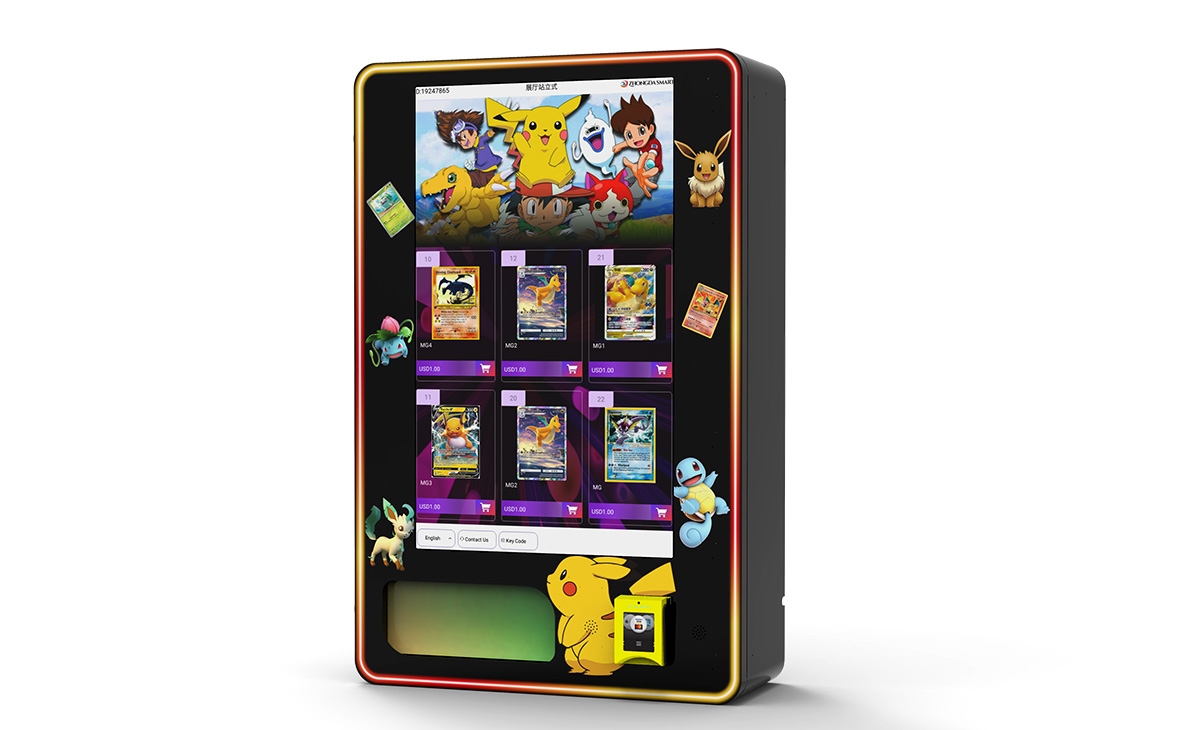
Modern vending machines come with telemetry systems that track sales in real time. Use this data. If a product is not selling, replace it within a week. Do not let slow-moving items sit in your machine for a month. I have seen operators keep the same product mix for six months because they did not check the data. They were losing money on every restocking trip.
Also, look at sales by time of day. If you see that most sales happen between 2 PM and 4 PM, that is your peak window. Make sure the machine is fully stocked before that time. If sales drop after 8 PM, consider adjusting the lighting or offering a small discount for evening purchases.
One operator I know used sales data to discover that a particular brand of cheesecake sold three times better than any other product. He adjusted his entire product lineup around that one item and saw a 40 percent increase in monthly revenue.
Legal and Regulatory Considerations
In the European Union, dessert vending machines must comply with the General Food Law Regulation (EC) 178/2002 and the Food Hygiene Regulation (EC) 852/2004. You need to register with your local food authority, maintain traceability records, and ensure that your machine meets temperature control requirements. In France, the Direction Générale de la Concurrence, de la Consommation et de la Répression des Fraudes (DGCCRF) oversees vending operations. According to the French government's official business portal, any automated food sales point must display the operator's contact information and the machine's registration number.
In the United States, regulations vary by state. California, for example, has strict requirements for temperature logging and sanitation. You can find detailed information on the FDA website. I recommend consulting with a local business attorney or a food safety consultant before launching.
Is a Dessert Vending Machine Business Profitable in 2026
Yes, it can be profitable, but it is not guaranteed. The operators who succeed are the ones who treat it like a real business, not a passive income scheme. They track their numbers, maintain their equipment, and adapt to customer preferences. According to IBISWorld, the vending machine industry in the US has an average profit margin of around 12 to 15 percent after all expenses. Dessert machines can perform better if they are in the right location with the right product mix.
I have seen single machines generate over USD 5,000 per month in peak locations. I have also seen machines that barely broke USD 300 per month. The difference was location, product quality, and maintenance.
Final Thoughts from a Decade in the Business
If you are considering entering the dessert vending machine business, start small. Buy one machine, find a good location, and learn the operational details before scaling up. Talk to other operators. Read the regulations. Budget for repairs. And never stop paying attention to your sales data.
This industry rewards consistency and attention to detail. If you can provide a high-quality dessert in a convenient format, customers will keep coming back. The technology is better than it has ever been, and the demand is there. It is up to you to execute.
Frequently Asked Questions
Are dessert vending machines profitable?
They can be, but profitability depends on location, product cost, and operational efficiency. A well-placed machine with good margins can generate USD 1,000 to 3,000 in monthly profit after expenses.
How much does a dessert vending machine cost?
Prices range from USD 4,000 for a basic refrigerated unit to over USD 25,000 for an on-demand preparation machine. Mid-range machines cost between USD 6,000 and 12,000.
How long does it take to recover the investment?
Typical payback periods range from 12 to 30 months. Faster payback is possible with high-traffic locations and high-margin products.
Should I buy or lease a dessert vending machine?
Buying gives you more control and higher profit potential. Leasing reduces upfront risk but also limits your upside. If you are new, consider buying one machine outright to learn the business.
Where is the best place to put a dessert vending machine?
University campuses, hospitals, office buildings, movie theaters, and transit stations are the most reliable locations. Look for places with high foot traffic and a demographic that matches your product.
What permits do I need to operate a dessert vending machine?
Requirements vary by country and state. In the EU, you need to register with your local food authority and comply with food hygiene regulations. In the US, check with your state health department and local business licensing office.
How do I choose a reliable vending machine supplier?
Look for suppliers that offer standard parts, strong warranties, and responsive after-sales support. Ask for references and talk to existing customers. Zhongda Smart is one supplier I have found reliable for dessert machines.
What happens if my machine breaks down?
Have a local vending machine repair technician on call. Keep spare parts for common issues. If the machine is under warranty, contact the manufacturer first. Downtime costs you money, so prioritize quick repairs.
How can I reduce restocking and maintenance costs?
Use sales data to optimize your product mix and reduce waste. Schedule restocking based on peak demand times. Perform basic maintenance yourself, like cleaning condenser coils and checking seals.
Sources and References
- Statista. "Vending Machine Market Size Worldwide 2024." Statista. Accessed 2025.
- IBISWorld. "Vending Machine Operators in the US Industry Report." IBISWorld. 2024.
- European Commission. "Food Hygiene Regulations." EU Food Safety. Accessed 2025.
- FDA. "Food Code 2022." FDA. Accessed 2025.
This article was updated in January 2026. All figures are based on industry data and personal experience. Individual results may vary. This content is for informational purposes only and does not constitute financial or legal advice.