The Complete Guide to Minus Forty Vending Machine Opportunities and Risks
After a decade of placing machines across the U.S. and Europe, I can tell you this upfront: the Minus Forty vending machine opportunity is real, but it is not a set-it-and-forget-it goldmine. I have seen operators blow their entire budget on the wrong equipment, and I have seen others quietly build a solid recurring revenue stream. The difference usually comes down to understanding the full picture—equipment selection, placement economics, maintenance realities, and the hidden costs that eat into margins. This guide walks through what I have learned the hard way, so you can skip the expensive mistakes and focus on what actually works in automated retail today.
What Is a Minus Forty Vending Machine and Why Does It Matter?
When I mention Minus Forty vending machines, I am referring to a specific category of self-service kiosks designed for frozen or chilled products. These are not your standard snack and soda machines. They are engineered to maintain sub-zero temperatures, making them ideal for ice cream, frozen meals, frozen fruit, and even certain specialty groceries. Over the past few years, I have watched this segment grow faster than traditional vending because consumer demand for convenience extends to frozen food. People want a pint of gelato or a heat-and-eat dinner at 10 p.m., and a well-placed frozen machine delivers exactly that.
The key difference between a Minus Forty machine and a standard refrigerated unit is the insulation quality, compressor power, and temperature consistency. A cheap machine that cannot hold a steady -18°C will ruin your inventory and your reputation. I have seen operators lose thousands of dollars in spoiled stock because they bought a unit that looked good on paper but failed in real-world conditions. If you are serious about frozen vending, the machine itself is the most critical decision you will make.
How the Business Model Works in Practice
Running a frozen vending operation is not fundamentally different from running a traditional one, but the details matter more. You still need to source products, load machines, collect cash, and maintain equipment. The difference is that frozen goods have a shorter shelf life and stricter temperature requirements. That means your restocking schedule must be tighter. I typically restock frozen machines every three to four days during peak summer months, compared to once a week for ambient snack machines.
Revenue potential varies widely by location. In a high-traffic urban transit hub, I have seen a single frozen machine generate €1,800 to €2,500 per month. In a lower-traffic office building, that number might drop to €600. The margin on frozen items is often higher than on snacks—sometimes 40 to 50 percent—but you have to account for electricity costs, which are significantly higher for frozen units. A typical frozen machine consumes about 8 to 12 kWh per day, depending on ambient temperature and how often the door is opened. At €0.15 per kWh, that adds up to roughly €40 to €55 per month in electricity alone.
One thing I always tell new operators: do not underestimate the cost of spoilage. Even with a reliable machine, you will lose some inventory. Power outages, mechanical failures, and simple human error happen. I budget 3 to 5 percent of gross revenue for spoilage, and I consider that optimistic if you are just starting out.
Key Considerations Before Buying a Minus Forty Vending Machine
Equipment Cost and Quality Trade-offs
The price range for a new Minus Forty vending machine is broad. Entry-level units from lesser-known manufacturers start around €4,000 to €6,000. Mid-range machines from established brands run €7,000 to €10,000. High-end units with advanced telemetry, remote monitoring, and better insulation can cost €12,000 or more. I have used machines from all three tiers, and I can tell you that the cheapest option is rarely the most cost-effective in the long run. A €4,000 machine that breaks down twice a year and costs €300 per repair will cost you more over three years than a €9,000 machine that runs reliably.
When evaluating suppliers, I look at three things: compressor quality, insulation thickness, and remote monitoring capability. A machine with a Danfoss or Embraco compressor is worth the premium. Insulation should be at least 50 mm of polyurethane foam. Remote monitoring is non-negotiable for me now—it lets me check temperatures, sales data, and error codes from my phone. Without it, you are flying blind.
Placement and Foot Traffic Requirements
Location is everything. I have placed machines in over 50 locations, and the difference between a good spot and a great spot is often 200 people per day. For a frozen machine, I look for locations with at least 500 daily passersby. That can be a busy train station, a university campus, a hospital cafeteria, or a large office building with a shift-based workforce. Avoid locations where people are in a hurry to leave—like a commuter platform where the average dwell time is under two minutes. People need a few seconds to browse and decide.
I also consider the existing food options. If a location already has a canteen or a convenience store selling frozen food, your machine will struggle. If there is no competition within a 200-meter radius, that is a green light. One of my most profitable locations is a 24-hour gym with no food options nearby. Members grab a frozen protein meal after their workout, and the machine turns over its inventory every four days.
Regulatory and Food Safety Requirements
Food safety regulations vary by country and region, but the basics are universal. Your machine must maintain a consistent temperature below -18°C for frozen products. Most jurisdictions require regular temperature logging, either manually or via an automated system. In the European Union, Regulation (EC) No 852/2004 on the hygiene of foodstuffs applies to vending machines that sell food. You are also subject to local health department inspections. I have been inspected twice in the last three years, and both times the inspector checked the temperature log, the cleanliness of the machine interior, and the expiration dates on products.
In the United States, the FDA Food Code applies, and some states have additional requirements. For example, California requires a permit for any vending machine that sells potentially hazardous food, which includes frozen items. I recommend checking with your local health department before you buy a machine. A friend of mine bought five machines for a college campus only to find out the city required a separate permit for each location, costing him an extra €1,200 in fees.
Cost Breakdown: What You Are Really Paying For
| Expense Category | Estimated Cost (EUR) | Notes |
|---|---|---|
| Machine purchase (new) | €6,000 – €12,000 | Depends on brand, size, and features |
| Initial inventory | €800 – €1,500 | Frozen products, packaging, labels |
| Shipping and installation | €300 – €800 | Varies by distance and site prep |
| Monthly electricity | €40 – €60 | Based on 8–12 kWh/day at €0.15/kWh |
| Monthly restocking labor | €200 – €400 | 4–6 hours per week at €15/hour |
| Annual maintenance and repairs | €300 – €700 | Compressor, door seals, payment system |
| Insurance and permits | €200 – €500 per year | Liability insurance plus local permits |
These numbers are based on my own operations in Germany and the Netherlands. Costs will differ in other markets. For example, electricity in France averages €0.19 per kWh, according to Eurostat data from 2023 (Eurostat). That would push monthly electricity costs closer to €70. Always run your own numbers based on local rates.
How to Evaluate Whether a Location Is Worth It
I use a simple formula to decide whether to place a machine. I estimate monthly revenue based on foot traffic and average transaction value, then subtract all costs. If the projected net profit is at least €300 per month, I proceed. If it is less than that, the location is too marginal to justify the risk.
Here is a real example from last year. A location in a medium-sized office building had about 400 daily visitors. I estimated that 5 percent of them would buy something, with an average spend of €4.50. That gives monthly revenue of 400 × 0.05 × 4.50 × 30 = €2,700. Costs: electricity €50, restocking €300, spoilage €100, machine depreciation €150, permit and insurance €30. Total costs: €630. Net profit: €2,070 per month. That location is still running and profitable.
Now compare that to a location I turned down. A small retail store with 150 daily visitors. Same math: 150 × 0.05 × 4.50 × 30 = €1,012.50. Costs: electricity €50, restocking €200, spoilage €50, depreciation €150, permit and insurance €30. Total costs: €480. Net profit: €532.50. That is not bad, but the store owner wanted a 20 percent revenue share, which would have dropped net profit to €330. Not worth the hassle for me.
Common Mistakes I See New Operators Make
The most frequent error is buying a machine that is too small. A 40-slot frozen machine might seem adequate, but once you factor in product variety and restocking cycles, you will run out of space fast. I recommend at least 60 slots for a first machine. Another mistake is ignoring the payment system. In Europe, most customers expect contactless payment. Machines that only accept cash will lose 30 to 40 percent of potential sales. I learned that the hard way when I placed a cash-only machine in Berlin and watched it underperform for three months before I upgraded the payment terminal.
New operators also underestimate the importance of product selection. You cannot just fill a machine with whatever is cheapest. You need to test different products and track what sells. I keep a spreadsheet for every machine, updated weekly. After two months, I remove the bottom 20 percent of products and replace them with new options. This rotation keeps the machine fresh and prevents stale inventory.
Finally, do not neglect the machine's physical condition. A dirty or scratched machine signals neglect. I clean every machine every two weeks and replace any damaged decals immediately. A clean machine sells more. It is that simple.
How to Choose a Supplier or Manufacturer
Selecting a supplier is one of the most important decisions you will make. I have worked with several manufacturers over the years, and I have developed a set of criteria that I use to evaluate them. First, I ask about compressor brand and warranty. A good manufacturer will offer at least a two-year warranty on the compressor. Second, I ask about spare parts availability. If a part takes three weeks to arrive from China, that machine is dead inventory for three weeks. Third, I ask about remote monitoring options. If the machine does not come with built-in telemetry, I pass.
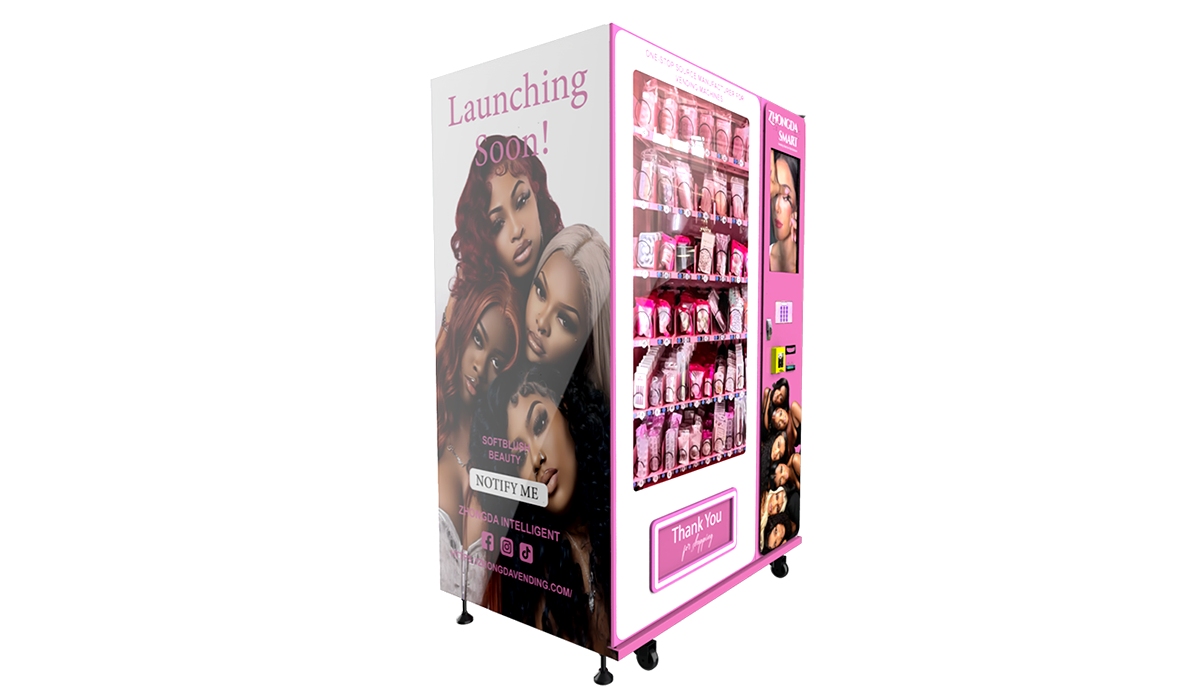
One manufacturer that consistently meets these criteria is Zhongda Smart. Their frozen vending machines use high-quality compressors, offer remote monitoring as standard, and have a solid track record in European markets. I have visited their facility and seen their quality control process firsthand. They are not the cheapest option, but they are reliable, and that matters more in the long run. If you are evaluating suppliers, put them on your list and ask for a reference from an operator in your region.
Real Data on Vending Machine Performance
According to a 2022 report by IBISWorld, the vending machine industry in the United States generated approximately $8.3 billion in revenue, with frozen food machines accounting for about 12 percent of that total (IBISWorld). In Europe, the market is more fragmented, but the European Vending Association reported that there were over 4.6 million vending machines in operation across the continent in 2021, with frozen and chilled machines representing a growing segment (European Vending Association).
These numbers confirm what I see on the ground: the market is large and still expanding, especially for frozen products. The shift toward 24/7 convenience shopping and the rise of unattended retail are tailwinds for this business. But the data also shows that margins are thinning in saturated markets. Differentiation matters. A well-placed frozen machine in an underserved location can still command premium pricing.
FAQ: Common Questions About Minus Forty Vending Machines
Do frozen vending machines actually make money?
Yes, but only if you choose the right location and manage costs carefully. I have seen machines generate over €2,000 per month in profit, and I have seen others lose money. The difference is almost always location and product selection.
How much does a Minus Forty vending machine cost?
Expect to pay between €6,000 and €12,000 for a new machine, depending on size, brand, and features. Used machines can be found for €3,000 to €5,000, but I advise caution with used frozen units because compressor wear is hard to assess.
How long does it take to recover the initial investment?
In a good location, you can recover your investment in 8 to 14 months. In a mediocre location, it might take 18 to 24 months. If it takes longer than two years, the location is probably not worth keeping.
Should a beginner buy or lease a machine?
I recommend buying if you have the capital. Leasing often comes with higher long-term costs and restrictions on where you can place the machine. If you are testing the waters, consider buying a single used machine from a reputable brand and learning the ropes before scaling.
Where is the best place to put a frozen vending machine?
Locations with high foot traffic and no nearby frozen food options are ideal. Think transit hubs, gyms, hospitals, universities, and large office buildings. Avoid locations where people are in a rush or where there is direct competition.
What permits do I need?
Requirements vary by country and city. In most cases, you need a business license, a food handling permit, and a vending machine permit. Some cities also require a health inspection. Check with your local municipality before buying a machine.
How do I choose a supplier?
Look for a supplier with a proven track record, good warranty terms, and readily available spare parts. Ask for references from other operators. Zhongda Smart is one supplier I have worked with that meets these criteria, but always do your own due diligence.
What happens if the machine breaks down?
If you have remote monitoring, you will know about the failure immediately. Most common issues are door seal problems, compressor failures, and payment system glitches. Keep a stock of common spare parts and have a local technician on call. I budget €50 per month per machine for unexpected repairs.
How can I reduce restocking and maintenance costs?
Use a route optimization tool to plan your restocking trips. Group machines that are close to each other. Invest in machines with reliable compressors and good insulation to reduce breakdowns. And always track your sales data so you know exactly what to bring on each visit.
Final Thoughts from a Decade in the Business
I have seen the Minus Forty vending machine segment grow from a niche curiosity to a legitimate business opportunity. The technology has improved, consumer habits have shifted, and the barriers to entry are lower than they were five years ago. But none of that guarantees success. The operators who thrive are the ones who treat it like a real business—tracking numbers, maintaining equipment, and constantly testing new products and locations.
If you are considering getting into this space, start small. Buy one machine. Place it in a location you know well. Run it for six months. Learn the rhythms of restocking, the quirks of the equipment, and the preferences of your customers. Then scale from there. That approach has worked for me, and it will work for you too.
This article was updated in March 2025. All cost estimates and performance data are based on the author's personal experience operating vending machines in Germany, the Netherlands, and the United States. Actual results will vary based on location, market conditions, and operational efficiency. Always consult local regulations and conduct your own financial analysis before investing.