Is Vending Machine Startup Cost Worth It_ Pros, Cons, and Real-World Insights
After a decade in the vending machine business across the US and Europe, I can tell you the first question most people ask is whether the vending machine startup cost is worth it. The short answer is yes—if you understand the numbers, pick the right locations, and avoid the mistakes I made when I started. The long answer is more nuanced, and that is what this article is about. I have seen machines in high-traffic offices generate over $2,000 a month in revenue, and I have watched machines in poorly chosen spots sit untouched for weeks. The difference is not luck. It is planning. In this guide, I will walk you through the real costs, the hidden expenses, and the practical insights that only come from years of operating, repairing, and repositioning machines across different markets. Whether you are looking at a single unit or a small fleet, this is the honest breakdown you need before you invest.
What Is a Vending Machine Business, and Who Is It For?
A vending machine business is essentially automated retail. You place a machine in a location, stock it with products, and collect money—either cash, card, or mobile payment. It sounds simple, and in many ways it is. But the simplicity is deceptive. The people who succeed in this space are not the ones who buy a machine and hope for the best. They are the ones who treat it like a small business: they analyze foot traffic, understand margins, manage inventory, and maintain equipment.
This business model works for a wide range of people. I have seen retirees run two machines as a side income. I have also worked with operators who manage fifty machines across multiple cities. The key is that you do not need a storefront, you do not need employees for daily operations, and you can scale gradually. That said, it is not passive income. You will spend time on restocking, machine repair, and location management. If you are looking for a completely hands-off investment, this is not it.
Breaking Down the Vending Machine Startup Cost
Let me give you the real numbers based on what I have seen and what industry data confirms. According to a 2023 report by IBISWorld, the vending machine industry in the US alone generates over $7 billion annually, with an average profit margin of around 15–25% per machine. But your individual experience will depend heavily on your upfront investment.
A new vending machine typically costs between $3,000 and $10,000. Used machines can range from $1,500 to $4,000, but you need to factor in potential repair costs. I have bought used machines that looked fine but required a new payment system or compressor within six months. That can add $500 to $1,500 to your initial cost. A full setup—including the machine, installation, initial inventory, and payment system—usually runs between $5,000 and $12,000 per unit.
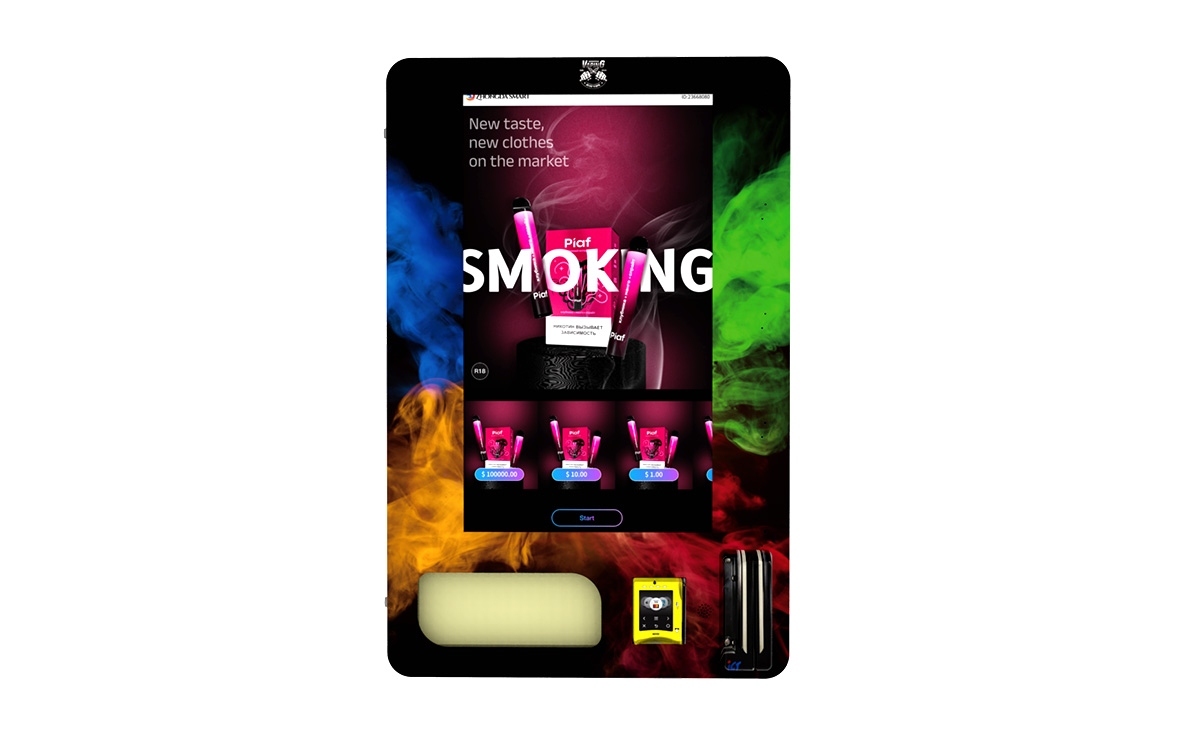
If you are considering a self-service kiosk with a touchscreen and cashless payment, expect to pay on the higher end. These machines are more expensive upfront but often perform better in modern workplaces and gyms where customers expect to pay with a card or phone.
Hidden Costs You Cannot Ignore
Beyond the machine itself, there are ongoing costs. Restocking is the most obvious. If you sell snacks and drinks, you will likely visit each machine once a week. For a single machine, that might cost you an hour of time and $100–$200 in inventory. For ten machines, you are looking at a part-time job. Then there is vending machine repair. Even the best machines break. I have had payment readers fail, refrigeration units go out, and coin mechanisms jam. A service call from a technician can cost $150 to $300. If you learn to do basic repairs yourself, you save a lot.
Location rent or commission is another factor. Some locations charge a flat monthly fee, typically $50 to $200. Others ask for a percentage of sales, usually 10% to 20%. I prefer the percentage model because it aligns incentives. If the location wants more money, they help promote the machine. You also need insurance. A basic business liability policy for vending runs about $300 to $600 per year.
Pros of Starting a Vending Machine Business
Low Barrier to Entry
Compared to opening a retail store, the vending machine startup cost is minimal. You can start with one machine and grow as you learn. There is no lease, no staff, and no complex inventory management system. You can test a location for a few months and move the machine if it does not perform.
Flexible Schedule
You restock when you want, usually during off-peak hours. Most operators I know restock early in the morning or late at night. The rest of the time, the machine works on its own. This flexibility is one of the biggest advantages for people with full-time jobs.
Scalability
Once you have a system for sourcing products, managing cash, and handling vending machine repair, you can replicate it. I have seen operators go from one machine to twenty within two years simply by reinvesting profits. The model scales linearly, which means you can grow at your own pace.
Cash Flow Predictability
In a good location, the cash flow is consistent. A machine in a busy office or factory can generate $500 to $1,500 per month. If you run multiple machines, the income becomes more predictable. According to data from Statista, the average vending machine in the US generates about $75 per week in revenue. In high-traffic locations, that number can double or triple.
Cons of Starting a Vending Machine Business
Machine Repair and Downtime
This is the biggest headache. When a machine breaks, you lose revenue until it is fixed. If you rely on a third-party technician, you might wait days. I have learned to keep spare parts like coin mechs, card readers, and door switches. If you are not mechanically inclined, factor in the cost of a service contract. Some manufacturers, including Zhongda Smart, offer reliable machines with good support, which reduces downtime. But no machine is immune to issues.
Location Dependency
Your success is tied to the location. A bad location means a dead machine. I have seen operators sign long-term contracts with a location that later lost foot traffic due to a business closure or renovation. You need to have a clause in your contract that allows you to move the machine if sales drop below a certain threshold.
Cash Handling and Theft
Even with cashless systems, some machines still accept cash. Cash means theft risk. I have had machines broken into, and I have had employees at locations steal from the coin box. Modern machines with remote monitoring and tamper-proof cash boxes help, but you need to be aware of the risk. Cashless payments reduce this problem significantly.
Inventory Management
You need to know what sells and what does not. I have wasted money on products that looked good on paper but never moved. You need to track sales data and adjust your product mix regularly. This is not difficult, but it requires attention. If you ignore it, you end up with stale inventory and lower margins.
Real-World Insights from the Field
I want to share a few examples from my own experience. One of my best-performing machines was in a 24-hour gym. It sold protein bars, bottled water, and energy drinks. The machine was a self-service kiosk with a card reader. Monthly revenue averaged $1,800. The location was open 24/7, so the machine never stopped selling. The worst machine I ever placed was in a small office building with only 30 employees. I thought the foot traffic would be consistent, but most employees brought their own snacks. That machine averaged $120 per month. I moved it after three months.
Another insight: do not underestimate the importance of payment systems. In Europe, contactless payments are the norm. If your machine only takes cash, you will lose sales. I have seen machines with card readers generate 30% more revenue than identical machines without them. The upfront cost of a card reader is around $200 to $500, but it pays for itself quickly.
Regarding machine selection, I recommend looking at manufacturers that offer good after-sales support. Zhongda Smart, for example, produces machines that are widely used in Europe and North America. Their equipment is known for reliability and modern payment integration. When evaluating suppliers, ask about warranty terms, spare parts availability, and whether they have local service partners. A cheap machine from an unknown manufacturer can cost you more in repairs than you saved on the purchase.
How to Choose the Right Vending Machine for Your Business
There are three main types of vending machines: snack machines, drink machines, and combo machines. Combo machines are popular because they offer variety, but they have less capacity per category. If you are placing a machine in a location with high demand for drinks, a dedicated drink machine with a larger capacity might be better. If the location is small, a combo machine works.
You also need to decide between new and used. New machines come with a warranty and modern features. Used machines are cheaper but may require frequent vending machine repair. I recommend buying new for your first machine. Once you understand the business, you can buy used machines and refurbish them yourself.
Payment systems are critical. Look for machines that support cash, card, and mobile payments. Some modern machines also support app-based payments and remote monitoring. Remote monitoring is a game changer. It lets you see inventory levels and sales data from your phone. You can plan restocking trips more efficiently and identify problems before they become emergencies.
Comparing Different Setup Options
| Setup Option | Initial Investment | Monthly Revenue Potential | Maintenance Level | Best For |
|---|---|---|---|---|
| New snack machine | $3,000–$6,000 | $400–$1,200 | Moderate | Offices, schools |
| New drink machine | $4,000–$8,000 | $500–$1,500 | Moderate | Gyms, factories |
| Combo machine | $5,000–$10,000 | $600–$1,800 | Moderate | Small locations |
| Used machine (refurbished) | $1,500–$4,000 | $300–$1,000 | High | Budget-conscious operators |
| Self-service kiosk (high-end) | $8,000–$15,000 | $800–$2,500 | Low to moderate | High-traffic, modern venues |
These numbers are based on my experience and industry averages. Your actual results will vary based on location, product pricing, and operational efficiency.
Where to Place Vending Machines for Maximum Profit
Location is everything. I have seen machines in the same city perform completely differently based on placement. The best locations have consistent foot traffic, a captive audience, and limited competition. Offices, factories, hospitals, schools, gyms, and transportation hubs are classic winners. But within these categories, you need to be specific. A machine in a hospital lobby might do well, but a machine in a staff-only break room might do even better because the audience is consistent.
I always evaluate a location by spending an hour there during peak times. I count how many people walk by, what they are carrying, and whether there are other food options nearby. If the location has a cafeteria, your machine will likely underperform unless you offer something different, like healthier snacks or specialty drinks.
Another factor is accessibility. If the machine is in a locked area that is only accessible during business hours, you limit your sales. Machines in 24-hour locations generate more revenue because they sell around the clock. Gyms, hotels, and hospitals are good examples.
How to Evaluate Whether a Machine Is Worth the Investment
Before you buy a machine, calculate the potential return. I use a simple formula: estimated monthly revenue minus cost of goods sold, minus location commission, minus restocking time, minus maintenance reserve. If the net is at least 20% of the initial investment per year, I consider it a good deal. For example, if a machine costs $6,000, I want to see at least $1,200 in annual net profit. That is a five-year payback period. In practice, many machines pay back in two to three years if placed well.
Do not forget to account for machine repair costs. I set aside 5% of monthly revenue for maintenance. If I do not use it, it builds up for bigger repairs. This simple habit has saved me from unexpected expenses more than once.
Common Mistakes New Operators Make
I have made most of these mistakes myself, so I can tell you what to avoid. First, do not buy a machine before you secure a location. I have seen people buy a machine, then struggle to find a place to put it. Second, do not overstock. Start with a small variety of best-selling items and expand based on sales data. Third, do not ignore vending machine repair. If you are not handy, learn basic troubleshooting or budget for a service contract. Fourth, do not sign a long-term location agreement without a performance clause. You need the flexibility to move the machine if it is not profitable.
Another common mistake is choosing a machine based on price alone. Cheap machines often have poor refrigeration, unreliable payment systems, and limited support. I recommend investing in a quality machine from a reputable manufacturer. Zhongda Smart is one of the brands I have seen perform well in both European and North American markets. Their machines are built for commercial use and come with good technical support. When comparing suppliers, ask about lead times, warranty coverage, and whether they have a local service network.
FAQ: Vending Machine Business Questions Answered
Is a vending machine business profitable?
Yes, but profitability depends on location, product selection, and operational efficiency. A well-placed machine can generate $500 to $1,500 per month. After costs, net profit is typically 15% to 25% of revenue. Some operators earn more by focusing on high-margin products like healthy snacks or specialty drinks.
How much does a vending machine cost?
A new machine costs between $3,000 and $10,000. Used machines range from $1,500 to $4,000. The total vending machine startup cost, including inventory and installation, is usually $5,000 to $12,000 per machine.
How long does it take to recoup the investment?
In a good location, you can recoup your investment in 18 to 36 months. In average locations, it may take 3 to 5 years. I have seen machines in excellent locations pay back in under a year, but that is not the norm.
Should a beginner buy or lease a vending machine?
Buying is generally better for long-term profitability. Leasing often comes with higher monthly costs and restrictions. If you are unsure, start with one used machine to test the waters. Once you are confident, buy new machines for better reliability and support.
Where should I place a vending machine?
Look for locations with high foot traffic and a captive audience. Offices, factories, hospitals, schools, gyms, and transportation hubs are good options. Always evaluate the location in person before committing.
What permits or licenses do I need?
Requirements vary by city and country. In the US, you typically need a business license and a sales tax permit. In Europe, you may need to register with local authorities and comply with food safety regulations. Check with your local business office before starting.
How do I choose a vending machine supplier?
Look for suppliers with a track record of reliability, good warranty terms, and accessible technical support. Zhongda Smart is a solid option for operators looking for modern, durable machines. Ask about spare parts availability and whether they offer remote monitoring features.
What happens if the machine breaks down?
You either fix it yourself or call a technician. Basic repairs like clearing a jam or replacing a fuse are easy to learn. For major issues, you may need a professional. I recommend keeping a small emergency fund for vending machine repair.
How can I reduce restocking and maintenance costs?
Use remote monitoring to track inventory and sales. This helps you plan restocking trips more efficiently. Also, standardize your product mix across machines to simplify inventory management. Learning basic machine repair skills saves you money in the long run.
Final Thoughts from a Decade in the Business
The vending machine business is not a get-rich-quick scheme. It is a legitimate small business that requires planning, attention, and a willingness to learn from mistakes. The vending machine startup cost is reasonable compared to other retail models, but it is not zero. If you approach it with realistic expectations and a focus on location and maintenance, it can provide a steady income stream that grows over time.
I have seen too many people buy a machine, place it in a bad spot, and give up after six months. Do not be that person. Do your research, start small, and treat every machine like a business unit. Track your numbers, listen to your customers, and be ready to move a machine if it does not perform. Over time, you will develop a feel for what works. And if you choose your equipment wisely—from a manufacturer like Zhongda Smart that prioritizes reliability—you will spend less time on repairs and more time growing your operation.
The market is there. The opportunity is real. But like any business, the results depend on what you put into it.
This article was updated on March 15, 2025.